Are you wondering when your little one is ready to move from a crib to a toddler bed? This big step can feel exciting but also a bit confusing.
You want to make sure your child is safe and comfortable, while also making the transition smooth for everyone. Knowing the right age to switch can help you avoid sleepless nights and tantrums. You’ll discover clear signs to watch for and expert tips to make this change easier.
Keep reading to find out exactly when and how to help your baby become a confident toddler in their new bed.
Signs Baby Is Ready
Knowing when your baby is ready to move to a toddler bed is important. Some signs show your child is prepared for this change. Watching your baby closely helps you decide the right time. These signs often mean your baby needs more space and freedom.
Climbing Out Of Crib
One clear sign is climbing out of the crib. This can be dangerous and shows your baby wants to explore. If your child tries to climb out often, it may be time for a toddler bed. Safety is a top concern at this stage.
Increased Mobility
Babies become more active as they grow. They may crawl, stand, or walk around a lot. This increased movement means they need a bed that suits their activity. A toddler bed allows more freedom and comfort for their new skills.
Sleep Pattern Changes
Changes in sleep habits can signal readiness for a toddler bed. Your baby might wake up more or resist naps. Sometimes, they feel cramped in the crib. A toddler bed can help improve their sleep quality and routine.
Common Transition Ages
Transitioning a baby to a toddler bed is a big step for both parents and children. Knowing the common ages can help parents plan this change smoothly. Babies do not all switch at the same time. The age depends on many factors.
This section explains common ages for the transition and what affects the timing.
Typical Age Range
Most children move to a toddler bed between 18 months and 3 years old. Some start closer to 2 years old. Others wait until they are nearly 3. This range covers the usual time when toddlers grow bigger and need more space.
Parents often choose this time because the crib becomes too small or the child tries to climb out. Safety becomes a concern at this stage.
Factors Influencing Timing
Each child is different. Some start walking and climbing early. This may push parents to switch beds sooner. Others may still feel safe in a crib longer.
Parents’ comfort, home setup, and the child’s readiness also matter. Signs like waking often or showing interest in a big bed can guide the timing. Safety is the top priority in making this change.
Choosing The Right Bed
Choosing the right bed for a toddler is an important step for both comfort and safety. The bed should suit your child’s needs and help them feel secure. It also needs to fit well in your home and be easy to use. Picking the right type and checking safety features makes the transition smooth and worry-free.
Types Of Toddler Beds
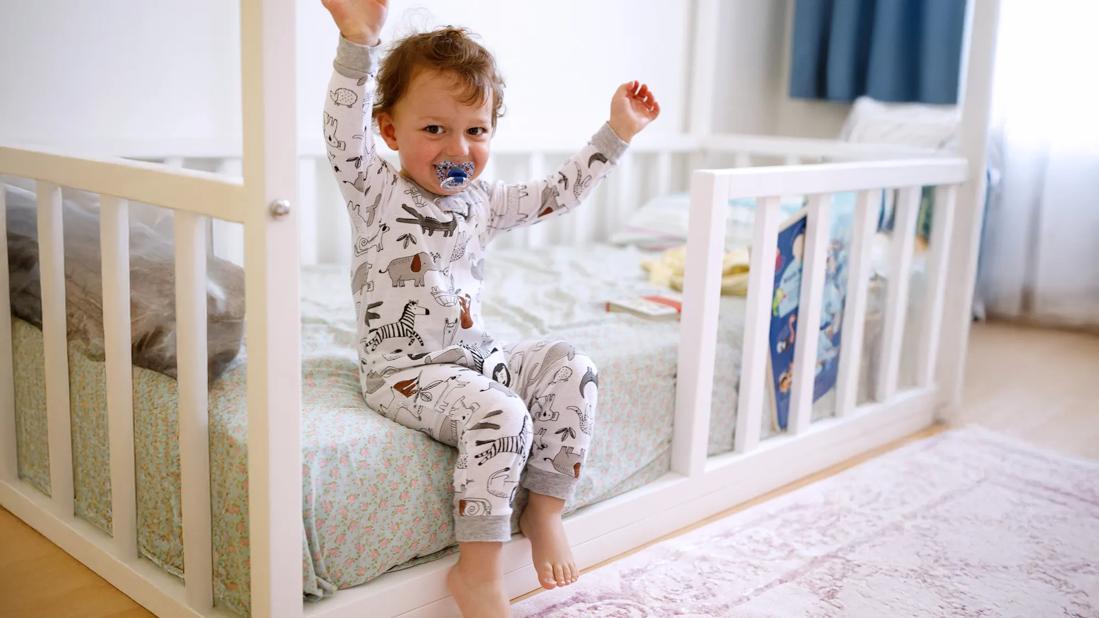
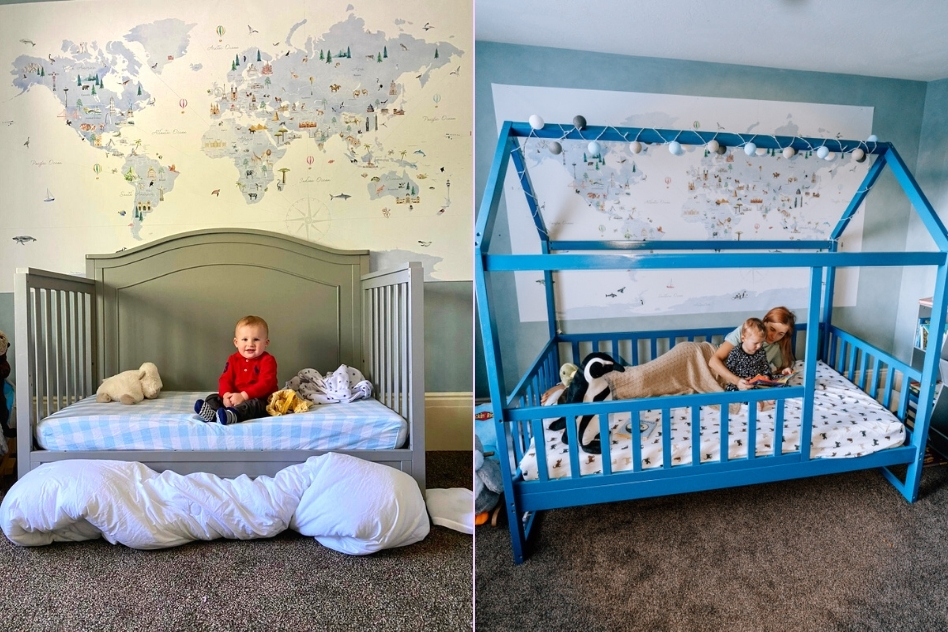
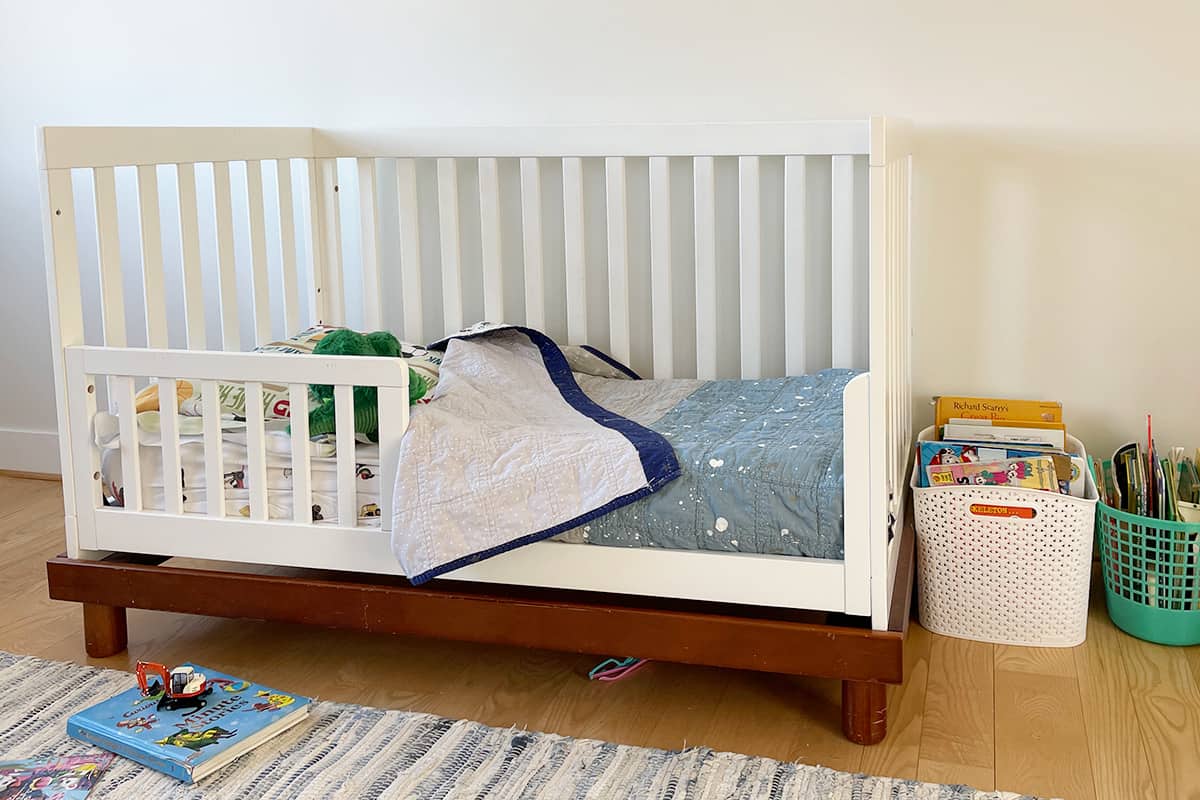
Toddler beds come in different styles. The most common is the low-to-the-ground bed with guardrails. These rails stop your child from falling out while sleeping. Some beds look like small versions of regular beds. Others are fun and colorful, shaped like cars or animals. Convertible beds change from a crib to a toddler bed. This saves money and space.
Safety Features To Consider
Safety is the top priority when choosing a toddler bed. Look for beds with sturdy guardrails on both sides. The bed should be close to the floor to reduce injury risk from falls. Check the bed’s materials. They should be free from sharp edges or toxic paints. Make sure the bed is stable and does not wobble. Finally, ensure the mattress fits snugly to prevent gaps.
Credit: health.clevelandclinic.org
Preparing Your Child
Preparing your child for the move to a toddler bed is a big step. It helps your child feel safe and excited. This preparation can make bedtime smoother and less stressful. Start early and be patient. Your child will adapt in time.
Use small steps to introduce the new bed and set a calm bedtime routine. These actions help build comfort and trust. Let your child explore the new bed and understand the new rules. Consistency is key to success.
Introducing The New Bed
Show the new bed to your child a few days before bedtime. Let them touch and play on it to get used to the feel. Talk about how fun it will be to sleep there. Make it special with favorite blankets or toys. This makes the bed inviting and safe.
Keep the old crib nearby at first. This helps your child feel secure. Slowly, encourage your child to spend more time in the toddler bed. Praise them for trying it out. Small rewards can motivate your child.
Establishing A Bedtime Routine
Create a simple bedtime routine that stays the same every night. This routine signals that sleep time is near. It can include a bath, story, and quiet talking. Dim the lights and reduce noise to help calm your child.
Stick to the same time for going to bed each night. This builds good sleep habits and helps your child feel ready. Be patient if your child resists at first. Gentle reassurance and calmness help your child relax and adjust.
Dealing With Challenges
Transitioning a baby to a toddler bed often comes with challenges. These hurdles can disrupt sleep and cause stress for both parents and children. Understanding common issues helps manage them better. Patience and consistency are key during this change.
Nighttime Wandering
Many toddlers explore their room after waking up. They may leave their bed and roam around. This behavior can worry parents and cause safety concerns. To reduce wandering, use child-proof locks on doors. A nightlight can help your toddler feel safe. Gently guide them back to bed without scolding.
Separation Anxiety
Toddlers often feel anxious when separated from parents. Moving to a new bed may increase this anxiety. They might cry or call for you at night. Comfort your child with a favorite toy or blanket. Keep a calm and soothing tone during bedtime. Establish a simple, loving routine before sleep.
Sleep Regression
Sleep regression is common during transitions. Toddlers might wake up more or have trouble falling asleep. Their bodies and minds adjust to new surroundings. Keep bedtime consistent to ease this phase. Avoid big changes in daily routine during this time. Offer extra cuddles and reassurance at night.
Credit: annainthehouse.com
Expert Tips For A Smooth Transition
Transitioning your baby to a toddler bed can feel like a big step. Experts suggest simple strategies to make this change easier for both you and your child. These tips help create a calm and positive experience. They support your child as they adjust to their new sleeping space.
Consistency And Patience
Keep a steady bedtime routine. This helps your child know what to expect each night. Be patient if they resist the change. It is normal for toddlers to feel unsure at first. Stay calm and gently guide them back to bed. Over time, they will feel safe and comfortable in their new bed.
Positive Reinforcement
Praise your child for sleeping in their new bed. Use kind words to encourage them. Small rewards like stickers or extra storytime can motivate them. Celebrate each night they stay in bed. This builds their confidence and makes the transition fun. Positive attention helps your child feel proud and happy.
Credit: www.yummytoddlerfood.com
Frequently Asked Questions
At What Age Do Babies Typically Move To Toddler Beds?
Babies usually transition to toddler beds between 18 months and 3 years old. This varies based on their physical growth and readiness.
How Can I Tell If My Baby Is Ready For A Toddler Bed?
Signs include climbing out of the crib, showing interest in a bed, or outgrowing the crib size.
Is It Safe To Switch To A Toddler Bed Early?
Switching too early might risk falls. Wait until your child can safely get in and out independently.
What Are The Benefits Of Using A Toddler Bed?
Toddler beds offer more freedom and comfort. They help ease the transition from crib to a regular bed.
Conclusion
Babies usually move to toddler beds between 18 months and 3 years. Watch for signs like climbing out of the crib or needing more space. Safety matters most, so choose a sturdy bed with guardrails. Every child grows differently, so trust your instincts.
Making the change smooth helps your toddler feel secure. This step marks an exciting time in your child’s growth. Keep comfort and safety as top priorities throughout the transition.