Are you ready to give your little one a big kid’s bed but want to make sure it’s safe, comfy, and just right? Building a toddler bed yourself can be easier than you think, and it lets you create a special space tailored just for your child.
Imagine the pride you’ll feel watching your toddler snuggle into a bed you made with your own hands. In this guide, you’ll discover simple steps, handy tips, and smart tricks to build a toddler bed that’s sturdy, cozy, and perfect for your growing child.
Keep reading to learn how you can make bedtime better for both you and your toddler.
Choosing The Right Materials
Choosing the right materials is key to building a safe and sturdy toddler bed. The materials must be strong enough to hold weight and safe for children. Using the best wood, paint, and tools ensures a quality bed that lasts long.
Each material affects the bed’s safety and look. Picking non-toxic and durable options protects your child and gives you peace of mind. Let’s explore the best choices for wood, finishes, and tools.
Safe Wood Options
Choose solid wood like pine, oak, or maple. These woods are strong and easy to work with. Avoid soft woods that can dent or splinter easily. Check the wood for smoothness and no cracks.
Look for wood that is untreated or chemical-free. This keeps the bed safe from harmful substances. Sand the wood well to remove rough spots before building.
Non-toxic Paints And Finishes
Select paints and finishes that say “non-toxic” or “child-safe.” These products do not contain harmful chemicals. Use water-based paints for easy cleanup and low fumes.
Apply thin coats and let each dry fully. This prevents peeling and keeps the bed looking good. Avoid glossy paints that can be slippery.
Essential Tools
Gather basic tools like a saw, drill, screwdriver, and measuring tape. A sander helps smooth wood edges. Use clamps to hold pieces steady while assembling.
Wear safety gear like gloves and goggles. This protects you during cutting and sanding. Having the right tools makes the building process safer and easier.

Credit: www.youtube.com
Designing The Bed Frame
Designing the bed frame is a key step in building a toddler bed. It affects comfort, safety, and style. A well-planned frame fits the mattress perfectly and keeps your child secure. Think about size, look, and safety from the start. This helps create a bed your toddler will love.
Simple designs often work best for toddlers. The bed should be low to the ground. Rounded edges and sturdy materials make it safer. Planning carefully saves time and effort later.
Measuring Toddler Mattress Size
Start by checking the mattress size you want to use. Most toddler mattresses measure 28 by 52 inches. Measure the mattress yourself to be sure. Add a small gap for easy mattress removal. Avoid a frame that is too tight or too loose. Accurate measurements help the bed last longer.
Selecting Bed Style
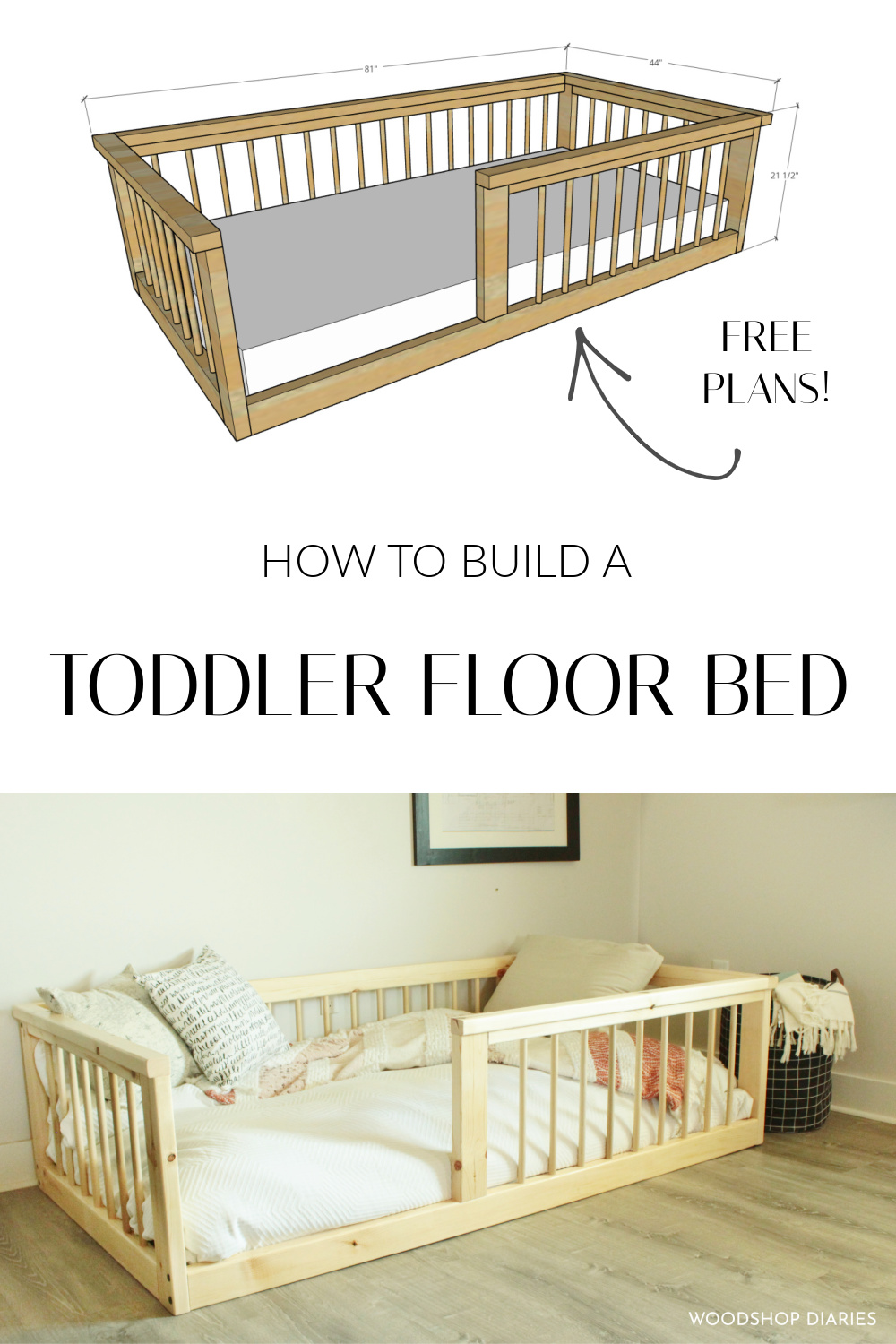
Choose a simple bed style for easy use. A platform bed with low sides works well. It keeps the mattress in place without extra parts. Some parents like beds with guardrails. Pick a style that fits your room and your child’s needs. Avoid complicated designs that might be unsafe.
Incorporating Safety Features
Safety is the top priority in toddler bed design. Use smooth, rounded edges to prevent injuries. Make sure the bed frame is strong and stable. Leave no gaps where a child’s fingers can get stuck. Choose non-toxic paint and finishes. Test the bed’s sturdiness before use. These steps protect your toddler every night.
Cutting And Preparing Pieces
Cutting and preparing the pieces is a key step in building a toddler bed. It shapes the wood parts to fit perfectly. Careful preparation ensures a strong and safe bed for your child.
Measure twice. Cut once. This rule saves time and wood. Each piece must match the design exactly. Proper preparation helps the bed come together smoothly.
Marking Measurements
Start by measuring the wood pieces using a tape measure. Mark the wood clearly with a pencil. Use a square tool to keep lines straight. Check marks twice before cutting. Clear markings help avoid mistakes.
Cutting Wood Accurately
Use a saw suited for the wood type. Follow the pencil lines carefully. Cut slowly to keep edges clean. Keep your hands steady and safe. Accurate cuts make assembly easier and stronger.
Sanding For Smooth Edges
Sand each piece after cutting. Smooth edges prevent splinters and rough spots. Use medium-grit sandpaper first, then fine-grit. Sand corners and edges well. Smooth wood feels better and is safer for toddlers.
Credit: www.woodshopdiaries.com
Assembling The Bed Frame
Assembling the bed frame is a key step in building a toddler bed. It gives the bed its shape and strength. This process involves attaching the main parts firmly. Careful assembly ensures the bed is safe and sturdy for your child.
Attaching Side Rails And Slats
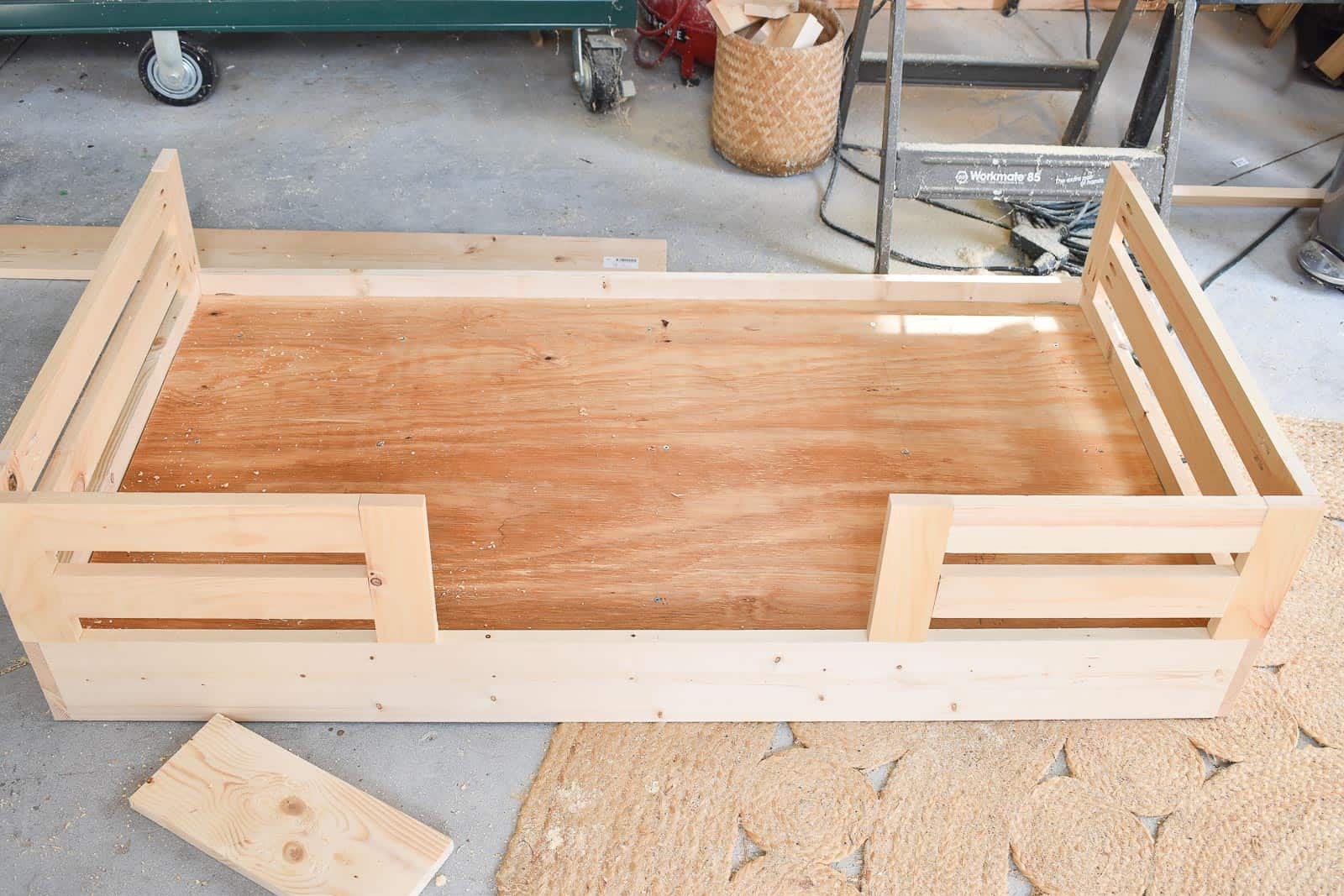
Start by fixing the side rails to the headboard and footboard. Use screws or bolts provided in the kit. Tighten them just enough to hold parts in place. Next, place the slats across the frame. These slats support the mattress evenly. Secure each slat with screws to prevent movement.
Securing Headboard And Footboard
Attach the headboard and footboard to the frame securely. Check that all connecting points line up well. Use the right tools to fasten bolts tightly. This step ensures the bed frame holds its shape. Loose joints may cause wobbling or hazards later.
Checking For Stability
After assembly, test the bed’s stability carefully. Press on different sides to check for wiggles. Tighten any loose screws or bolts found. A stable frame protects your child from accidents. Make sure the bed does not rock or shift.
Finishing Touches
Finishing touches make your toddler bed safe and beautiful. This step gives the bed a smooth look and long life. Careful finishing adds charm and protects the wood from damage. Let’s explore the key finishing steps.
Applying Paint Or Stain
Choose non-toxic paint or stain safe for children. Use light coats to avoid drips and uneven color. Let each layer dry fully before adding the next. Paint bright colors or soft pastels to match the room. Stain keeps the wood’s natural look and adds warmth.
Adding Protective Coating
Seal the paint or stain with a clear protective coat. This stops scratches and spills from damaging the bed. Use a child-safe varnish or polyurethane for best results. Apply thin layers and let them dry well. This step ensures the bed stays nice for years.
Installing Guardrails
Guardrails keep toddlers safe while sleeping. Attach rails firmly to the bed frame. Check that rails are smooth and have no sharp edges. Make sure there is enough space to avoid trapping little fingers. Guardrails give both safety and peace of mind.
Ensuring Safety Compliance
Ensuring safety compliance is the top priority when building a toddler bed. Toddlers need a secure place to sleep. Parents want peace of mind about their child’s safety. Meeting safety standards helps avoid accidents and injuries. Careful checks and tests make the bed safe and reliable.
Checking For Sharp Edges
Sharp edges can hurt a child easily. Sand down all corners and edges to smoothness. Use a fine sandpaper for a soft finish. Run your hand over every surface to feel for rough spots. Cover any small gaps or splinters that might catch fingers. This simple step prevents cuts and scrapes.
Verifying Weight Limits
Every bed has a weight limit to hold safely. Check the materials used and the design strength. Use strong wood or metal frames that support toddler weight. Confirm the mattress fits snugly without gaps. A bed that holds more than the child’s weight lasts longer. Follow manufacturer guidelines for maximum weight.
Testing Bed For Durability
Durability means the bed stays safe over time. Test joints and screws for tightness and strength. Shake the bed gently to find loose parts. Reinforce weak areas with extra screws or brackets. Use durable paint or finishes that don’t chip easily. A strong bed protects toddlers through years of use.
Credit: atcharlotteshouse.com
Frequently Asked Questions
What Materials Are Needed To Build A Toddler Bed?
You need wood, screws, a mattress, paint, sandpaper, and tools like a drill and saw. Choose durable, safe materials for child use.
How Long Does It Take To Build A Toddler Bed?
Building a toddler bed usually takes 3 to 5 hours. Time depends on skill level and design complexity.
What Safety Features Should A Toddler Bed Have?
Include guardrails, smooth edges, and sturdy construction. Ensure the bed height is low to prevent falls.
Can I Convert A Crib Into A Toddler Bed?
Yes, many cribs convert by removing one side and adding a toddler rail. Check your crib model for compatibility.
Conclusion
Building a toddler bed can be simple and fun. Choose safe materials and follow clear steps. Take your time and pay attention to details. A well-built bed gives your child comfort and safety. Enjoy the process and feel proud of your work.
This project can create lasting memories for your family. Keep your child’s needs in mind throughout the build. Now, your toddler has a cozy place to rest and grow.