Are you wondering when the right time is to move your toddler from a crib to a single bed? Making this change can feel tricky, and you want to be sure your little one is safe and comfortable.
Choosing the perfect age isn’t just about following a rule—it’s about understanding your child’s needs and readiness. You’ll discover clear signs to watch for and helpful tips to make the transition smooth for both you and your toddler. Keep reading to find out exactly when and how to take this important step with confidence.
Signs Your Toddler Is Ready
Knowing when to move your toddler from a crib to a single bed can be tricky. Watching for clear signs helps make this step smooth and safe. These signs show your child is ready for a new sleeping space. Recognizing them early can prevent accidents and improve comfort for your little one.
Climbing Out Of Crib
One main sign is when your toddler starts climbing out of the crib. This behavior shows they want more freedom. Climbing can be dangerous and cause falls. Moving to a bed stops this risk and keeps your child safe.
Growing Size And Comfort
Your toddler’s size changes fast. A crib may feel tight and uncomfortable. If your child seems cramped or restless in the crib, it is time to change. A single bed offers more room to stretch and sleep well.
Developing Independence
Toddlers want to do more by themselves. They might try to get in and out of bed without help. A single bed supports this growing independence. It encourages confidence and helps build good sleep habits early.
Ideal Age Range
Safety is the top priority when moving your toddler to a single bed. Toddlers need a secure space to sleep. Their new bed should protect them from falls and injuries. Parents should think about the bed and the room setup. Both must be safe and child-friendly.
Bed Rails And Protection
Bed rails are important for toddler beds. They stop your child from rolling off during sleep. Choose rails that are sturdy and easy to install. Make sure the rails fit the bed well. Check for gaps where fingers or limbs could get stuck. Soft padding on rails adds extra safety. Remove the rails when your toddler grows and no longer needs them.
Room Childproofing Tips
Childproof the whole room, not just the bed. Cover sharp corners on furniture with soft guards. Secure heavy items like bookshelves to the wall. Use outlet covers to prevent electric shocks. Keep cords from blinds or curtains out of reach. Store small objects and choking hazards away. A night light can help your toddler feel safe in the dark. Make sure the floor is clear to avoid trips and falls.
Safety Considerations
Choosing the right bed for your toddler is an important step. It affects their comfort and safety during sleep. The bed should fit your child’s size and room space. It also needs to be strong and safe. This section helps you pick the best single bed for your toddler.
Size And Design Options
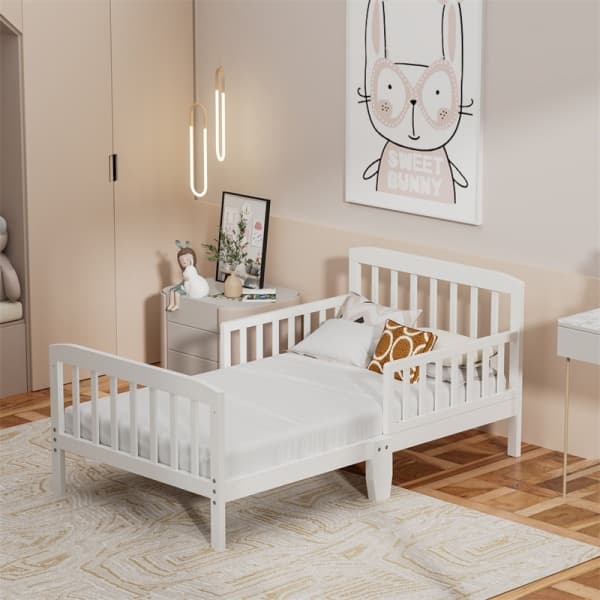
Single beds come in different sizes. Pick one that fits your toddler’s height and weight. There should be extra space to grow. The bed should fit well in the room without crowding. Simple designs work best for toddlers. Avoid sharp edges and complicated parts. Some beds have side rails for extra safety. Choose a design that matches your child’s taste and room style.
Material And Durability
Choose beds made from strong and safe materials. Wood and metal are common and long-lasting options. Make sure the paint or finish is non-toxic. The bed should hold up to jumping and playing. Check for smooth surfaces to prevent splinters or cuts. A durable bed saves money and keeps your child safe. Look for sturdy joints and good craftsmanship.
Credit: www.craft-child.com
Choosing The Right Bed
Preparing your toddler for a single bed is an important step. It helps make the change smooth and less scary. Toddlers need time to adjust to their new sleeping space. Parents can help by making the process fun and comfortable. This way, toddlers feel safe and excited about their new bed.
Starting early and involving your child builds trust. A cozy sleep environment also encourages good rest. These steps ease the move from crib to bed.
Involving Them In The Process
Let your toddler choose their bed or bedding. This makes them feel special and part of the change. Talk about the new bed as a big-kid step. Read books about moving to a single bed. Use simple words to explain what will happen. This prepares your toddler mentally and emotionally. Praise their bravery to boost confidence.
Creating A Comfortable Sleep Environment
Keep the room quiet and calm before bedtime. Use soft lighting or a nightlight to ease fears. Choose bedding that feels soft and inviting. Add a favorite stuffed animal or blanket for comfort. Keep the room temperature just right, not too hot or cold. A familiar and cozy space helps toddlers sleep well.
Preparing Your Toddler
Moving a toddler to a single bed is a big step. It brings new challenges for both parents and children. Understanding these challenges helps ease the transition. Toddlers may feel unsure or scared in their new sleeping space. Changes in routines can also make bedtime tricky. Being patient and consistent helps your child adjust smoothly.
Nighttime Fears
Toddlers may feel scared of the dark or being alone. Strange noises seem louder in a bigger room. They might want to sleep close to parents again. Reassure your child with calm words and hugs. A nightlight can make the room less scary. Let your child bring a favorite toy to bed. These small steps build comfort and trust.
Sleep Routine Adjustments
Changing a bed often means changing sleep habits. Toddlers need clear, simple routines to feel safe. Keep bedtime steps the same every night. This includes brushing teeth and reading a story. Avoid screen time before bed to help them relax. Be consistent with sleep and wake times. Routines signal the body it is time to rest.
Credit: www.beddingandbeyond.com
Handling Transition Challenges
Moving your toddler to a single bed is a big change. It can feel tricky for both of you. Using expert tips helps make this shift easier. The key is to create a calm and safe space. Toddlers need time to adjust to new routines and surroundings. Patience and positive steps work best for a smooth transition.
Consistency And Patience
Keep bedtime routines the same every night. This helps your toddler feel safe and know what to expect. Stick to a set bedtime and quiet activities before sleep. Be patient if your child wakes up or feels scared. Gently guide them back to bed without anger. Over time, they will grow comfortable in their new bed.
Positive Reinforcement
Praise your toddler for sleeping in the single bed. Celebrate small successes with kind words or hugs. Use stickers or a reward chart to encourage good sleep habits. Avoid punishment for accidents or waking up at night. Positive support builds confidence and makes your child eager to try again. This approach helps your toddler feel proud and secure.

Credit: raisingchildren.net.au
Frequently Asked Questions
When Is The Best Age To Switch Toddler To Single Bed?
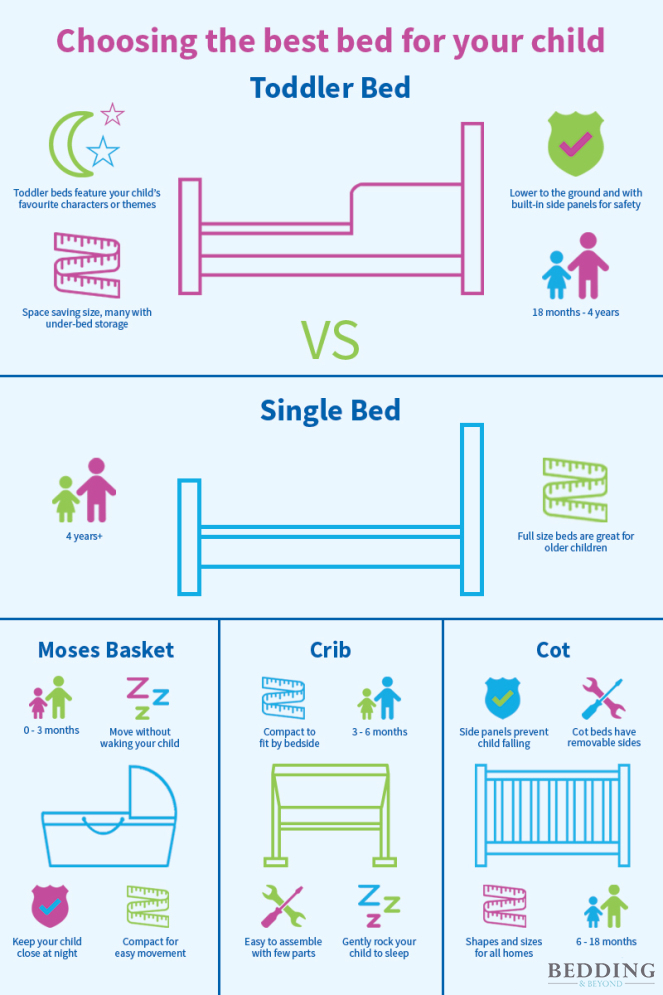
Most toddlers transition between 18 months and 3 years. Consider your child’s readiness and safety before switching. Ensure the single bed has safety rails to prevent falls.
How To Know If Toddler Is Ready For Single Bed?
Look for signs like climbing out of crib or requesting a bigger bed. Your toddler should be able to sleep alone safely. Comfort and confidence are key indicators.
Are There Safety Concerns With Single Beds For Toddlers?
Yes, toddlers may fall or get hurt without proper precautions. Use bed rails and place the bed near the floor. Remove sharp or hard objects nearby to ensure safety.
What Benefits Does A Single Bed Offer Toddlers?
A single bed promotes independence and better sleep habits. It provides more space and comfort as toddlers grow. It also helps prepare them for future bedroom transitions.
Conclusion
Choosing the right age for a toddler’s single bed depends on many things. Watch your child’s growth and comfort closely. Safety matters most. Most toddlers switch between 18 months and 3 years. Every child is unique. Trust your instincts and your child’s needs.
Making the move too early or too late can cause stress. A smooth transition helps your toddler sleep well. Keep the environment cozy and secure. This change marks a big step in your child’s life. Take it slow. Your child will adjust in time.