Imagine your bookshelf filled with your favorite books, cherished photos, and valuable items suddenly tipping over during an earthquake. Scary, right?
You want to keep your home safe and protect your belongings, but how do you make sure your bookshelf stays put when the ground shakes? This guide will show you simple, effective ways to make your bookshelf earthquake proof. By following easy steps, you can stop accidents before they happen and give yourself peace of mind.
Ready to secure your space and keep your loved ones safe? Let’s dive in.
Credit: www.earthquakecountry.org
Risks Of Unsecured Bookshelves
Bookshelves that are not secured pose serious risks during earthquakes. These tall, heavy structures can easily topple or slide, causing harm and damage. It is important to understand these dangers to keep your home safe.
Common Earthquake Hazards
Unsecured bookshelves can fall over during shaking. They may hit walls, furniture, or people nearby. Items on shelves can also fall, creating more hazards. Sharp or heavy objects can cause cuts or bruises. Books and decorations can block exits or pathways. These risks increase with stronger earthquakes.
Potential Injuries And Damages
Falling bookshelves can cause serious injuries. People can get hit or trapped under heavy furniture. Broken glass from decorations can cut skin. Furniture damage can lead to costly repairs. Items like electronics or valuables can break. The risk of injury grows in crowded or small spaces.
Credit: www.homedepot.com
Choosing The Right Bookshelf
Choosing the right bookshelf is key to making it earthquake proof. A sturdy bookshelf stays safe and keeps your items secure during shakes. Not all bookshelves suit every home or need. Think about the materials and size before buying. These factors affect safety and stability in an earthquake.
Material And Build Quality
Strong materials help a bookshelf resist shaking. Solid wood or metal frames work best. Avoid particle board or cheap plastic. These materials break easily under stress. Check how the bookshelf is put together. Look for tight joints and strong screws. A well-built shelf holds firm in a quake.
Size And Weight Considerations
Choose a bookshelf size that fits your space well. Tall, heavy shelves are more likely to tip over. Shorter, wider shelves have better balance. Keep weight low by placing heavy items on bottom shelves. A well-balanced shelf reduces the risk of falling. Consider the total weight when fully loaded.
Anchoring Techniques
Anchoring your bookshelf is key to keeping it safe during an earthquake. Strong anchors stop the shelf from tipping or falling over. This simple step protects your books and your family.
There are different ways to anchor a bookshelf. Choose the method that fits your wall type and shelf design. Proper anchoring gives your shelf a firm hold.
Wall Anchors And Brackets
Wall anchors and brackets connect the bookshelf to the wall tightly. Use heavy-duty anchors for drywall or masonry walls. Brackets should be screwed into wall studs for the best hold.
Place brackets at the top and near the middle of the shelf. This spreads the weight and keeps the shelf stable. Secure screws firmly but avoid overtightening, which can damage the wall.
Using Anti-tip Straps
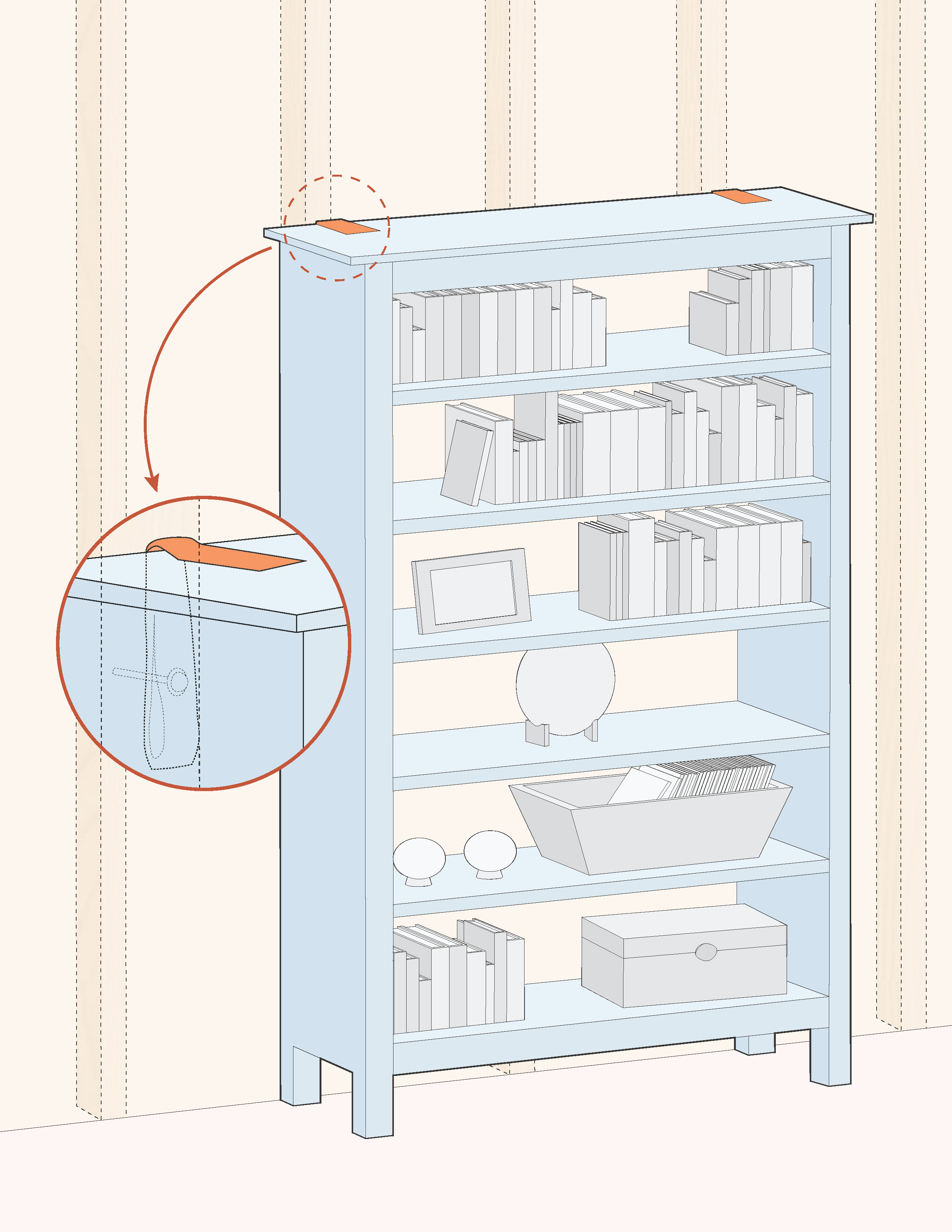
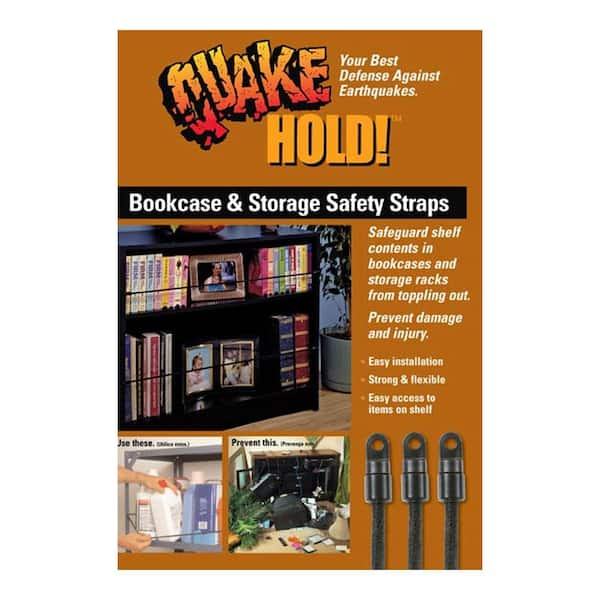
Anti-tip straps are flexible bands that attach the shelf to the wall. They work well on all wall types and shelves. These straps absorb shaking and prevent the shelf from tipping forward.
Attach one end of the strap to the back of the bookshelf. Fix the other end to a wall stud using screws. Tighten the strap so the shelf does not move easily.
Securing Items On Shelves
Securing items on your bookshelf is important for safety during earthquakes. Loose objects can fall and cause injury or damage. Organizing and fixing items in place helps keep everything steady. Small steps can reduce risks and protect your belongings.
Focus on using tools and methods that stop movement and hold items firm. This will make your bookshelf safer and more stable.
Non-slip Shelf Liners
Non-slip shelf liners create a sticky surface on shelves. They stop books and objects from sliding during shaking. These liners are easy to cut and fit to shelf size. They also protect shelf surfaces from scratches and wear. Use liners on every shelf to keep items steady and safe.
Bookends And Containers
Bookends hold books upright and prevent tipping. Heavy or wide bookends work best for stability. Choose sturdy materials like metal or thick plastic. Containers keep small items together and stop them from rolling. Clear containers help you find items quickly. Secure containers with non-slip mats or adhesive strips for extra hold.
Placement Strategies
Placement strategies are important to keep your bookshelf safe during an earthquake. Choosing the right spot can stop it from tipping or sliding. Careful placement reduces damage to your books and your home.
Think about where the bookshelf will stay firm and steady. The right location helps protect both your furniture and your family.
Ideal Location In The Room
Place the bookshelf against a solid wall. Walls with studs provide better support than drywall alone. This makes it easier to secure the shelf with brackets.
Keep it away from windows. Glass can break, causing injury or damage. Also, avoid placing it near doorways where it might block exits.
Choose a spot with low foot traffic. This reduces the risk of accidental bumps. A quiet corner often works well.
Avoiding Hazardous Areas
Do not place the bookshelf near heavy hanging objects. These can fall and cause injury during shaking. Also, avoid spots under ceiling lights or fans.
Stay clear of areas prone to water leaks. Water can weaken the bookshelf’s structure over time. It also damages your books.
Avoid placing the shelf on uneven floors. This makes it unstable and more likely to fall. Use a level to check the floor before setting up.
Additional Safety Measures
Securing a bookshelf against earthquakes goes beyond just the initial setup. Extra safety steps help keep your books and family safe over time. These measures ensure your bookshelf stays stable and ready for any shaking.
Regular Maintenance Checks
Check your bookshelf often for loose screws or brackets. Tighten any parts that feel weak or shaky. Look for cracks in the wood or damage to wall anchors. Fix problems quickly to avoid bigger risks during a quake. Dust and dirt can hide damage, so clean the shelf regularly. Proper care keeps the structure strong and safe.
Emergency Preparedness Tips
Keep a clear area around the bookshelf to avoid tripping hazards. Place heavy items on lower shelves to lower the center of gravity. Store fragile objects in secure containers or away from the shelf. Plan a safe spot in the room to protect yourself during shaking. Teach family members how to stay safe near furniture during an earthquake. Being ready reduces injury and damage risks.
Credit: mymodernmet.com
Frequently Asked Questions
How Can I Secure My Bookshelf During An Earthquake?
Use wall anchors or brackets to firmly attach your bookshelf to studs. This prevents tipping and sliding during shaking.
What Materials Help Make Bookshelves Earthquake Resistant?
Metal brackets, heavy-duty straps, and anti-slip pads enhance stability. These materials reduce movement and protect against damage.
Should I Rearrange Books For Better Earthquake Safety?
Yes, place heavier books on lower shelves. This lowers the center of gravity and reduces the risk of tipping.
Can Furniture Straps Prevent Bookshelf Damage In Earthquakes?
Absolutely. Furniture straps tightly anchor shelves to walls, minimizing movement and preventing falls during seismic activity.
Conclusion
Making your bookshelf earthquake proof protects your home and family. Secure it firmly to the wall using strong brackets or straps. Keep heavy items on lower shelves to lower the center of gravity. Check the stability regularly to ensure safety over time.
Small steps can prevent big accidents during a quake. Stay safe by preparing your space today. A sturdy bookshelf means peace of mind tomorrow.