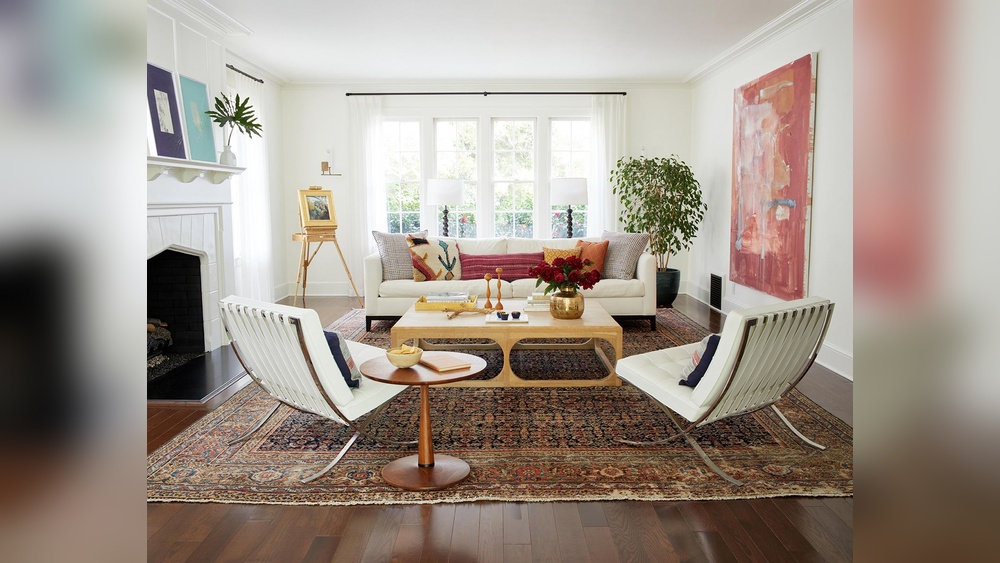
Designing your living room furniture isn’t just about picking pieces you like—it’s about creating a space that feels comfortable, functional, and truly yours. Imagine walking into your living room and instantly feeling relaxed, with every chair, table, and sofa perfectly placed to fit your lifestyle.
You want your furniture to invite conversation, support your daily routines, and make the room look spacious and balanced. But where do you start? This guide will walk you through simple, practical steps to design your living room furniture layout like a pro.
By the end, you’ll know how to arrange your space so it flows effortlessly and reflects your personal style. Ready to transform your living room into the heart of your home? Let’s dive in!
Choose A Focal Point
Choosing a focal point is the first step in designing your living room furniture. It gives the room a clear center and helps you arrange your furniture naturally. A well-chosen focal point draws attention and makes the space feel balanced and inviting.
Focus on one main feature in the room and build your layout around it. This makes the space functional and easy to navigate. The focal point can be a fireplace, a TV, a piece of art, or a window with a great view.
Fireplace And Tv Options
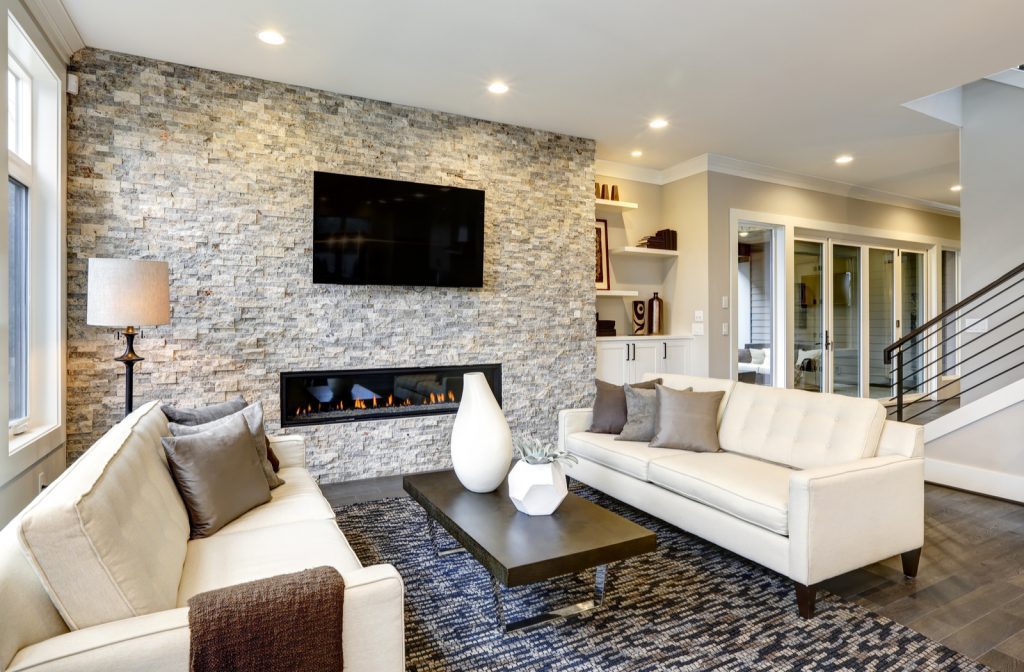
Fireplaces and TVs are classic focal points in living rooms. Place your sofa and chairs facing the fireplace or TV to create a cozy seating area. Arrange furniture so everyone has a clear view. Keep enough space between pieces for easy movement.
If you have both a fireplace and TV, choose which one will be the main focus. Mount the TV above the fireplace or place it on a nearby wall. Use matching furniture styles to link the two elements visually.
Art And Window Highlights
Large windows and striking art pieces also make excellent focal points. Position your seating to enjoy natural light or the view outside. Place a sofa or chairs facing the window to maximize brightness and comfort.
Hang a bold piece of art on a main wall and arrange furniture around it. Use lighting to highlight the artwork and make it stand out. This adds personality and warmth to your living room design.
Credit: birchwoodfurniture.ca
Arrange Largest Pieces
Arranging the largest pieces of furniture is the foundation of a well-designed living room. These big items set the tone and flow of the space. Start by placing them thoughtfully to create balance and comfort. Their position affects how the room feels and functions.
Positioning The Sofa
The sofa is usually the largest piece in the living room. Place it near a focal point like a fireplace or TV. This draws attention and organizes the space. Keep enough room around the sofa for easy movement. Avoid blocking doorways or windows. Consider facing the sofa towards the main activity area for comfort and conversation.
Avoid Pushing Furniture Against Walls
Do not push large furniture right against the walls. Pulling pieces a few inches away opens the room and improves flow. This creates a relaxed, inviting atmosphere. It also allows air and light to move freely. Try floating the sofa or chairs in the middle of the room. This arrangement encourages better interaction and makes the space feel larger.
Create Conversation Areas
Creating conversation areas in your living room makes the space inviting and functional. Thoughtful arrangement of furniture helps people talk comfortably. It encourages connection and makes your room feel cozy. Here are key tips to design conversation-friendly zones.
Seating Layouts
Arrange seats to face each other for easy chatting. Use sofas, chairs, or loveseats in a circle or square shape. L-shaped or U-shaped layouts work well too. Avoid placing all seats in a row. Grouping furniture creates natural conversation spots. Mix seating heights to add interest and comfort.
Distance And Interaction
Keep seats about 4 to 8 feet apart. This distance is close enough to hear but not too close to invade personal space. Avoid pushing furniture against walls. Pull pieces slightly inward to create a cozy feel. Leave clear pathways to allow easy movement around the area. Balance openness with intimacy to encourage relaxed talks.
Add Accent Chairs
Adding accent chairs brings style and extra seating to your living room. These chairs offer a splash of color, texture, or pattern. They create a cozy and inviting atmosphere. Accent chairs help balance the furniture arrangement. They also give guests more places to sit comfortably.
Completing The Seating
Accent chairs finish the seating area perfectly. They fill gaps left by sofas and loveseats. Choose chairs that complement your main furniture pieces. Pick colors that match or contrast nicely. The right chairs make the space feel complete and well thought out. They also add visual interest without overwhelming the room.
Chair Placement Tips
Place accent chairs near the sofa for easy conversation. Position them at an angle to open up the space. Avoid blocking pathways or windows. Leave enough space for movement around the chairs. Group chairs with a small side table or a floor lamp. This setup creates a cozy reading or chatting spot. Keep balance in mind; don’t crowd one side of the room.
Place Tables Strategically
Placing tables strategically in your living room enhances both function and style. Tables provide surfaces for drinks, books, and decor, making the space more practical. Thoughtful placement also improves flow and balances the room’s look. Consider the size and shape of your tables and how they fit with other furniture. Proper table placement creates a welcoming and comfortable environment for guests and family alike.
Coffee Tables
Place the coffee table in front of your sofa for easy access. Keep it within arm’s reach but leave enough space to walk around. The ideal distance is about 18 inches from the sofa. Choose a coffee table size that fits the room scale. Large tables can overwhelm small rooms, while tiny ones may look out of place. Round or oval tables work well in tight spaces as they prevent bumping sharp corners.
Use the coffee table to anchor the seating area visually. Add a tray to organize small items and keep the surface tidy. Stylish books and a small plant add charm without clutter.
Side Tables
Place side tables next to chairs or sofas for convenience. They offer a spot for lamps, drinks, or remote controls. Match the height of the side table with the arm of the chair or sofa. This makes it easier to reach items without straining. In small rooms, use slim or nesting side tables to save space.
Arrange side tables symmetrically to create balance or use them asymmetrically for a casual look. Don’t forget to leave enough walking space between tables and other furniture. This keeps the room open and comfortable.
Balance The Room
Balancing your living room creates a calm and inviting space. It helps all furniture pieces feel connected. Balance avoids clutter and empty spots. Achieve balance by arranging furniture thoughtfully. Use symmetry or asymmetry to fit your style. The goal is a comfortable, functional room.
Symmetrical Arrangements
Symmetry means placing furniture in pairs or matching groups. For example, two identical sofas facing each other create harmony. Symmetrical layouts work well in formal or traditional rooms. They give a sense of order and stability. Use matching lamps or side tables to enhance symmetry. This arrangement makes the room feel balanced and peaceful.
Asymmetrical Options
Asymmetry uses different-sized furniture but keeps visual balance. Place a large sofa opposite a pair of chairs. Add a tall lamp on one side and a low table on the other. This style feels more casual and relaxed. It allows creativity and personal touches. Focus on equal visual weight rather than exact matching. Asymmetry can make your living room dynamic and interesting.
Use Rugs To Define Space
Rugs play a key role in defining spaces in your living room. They add texture, color, and warmth. Rugs create visual boundaries that organize furniture and guide movement. Using rugs smartly helps shape the room’s flow and feel.
Size And Placement
Choose a rug size that fits the area. It should be large enough to hold your furniture group together. A small rug looks lost under big furniture. A rug too big can overwhelm the room.
Place the rug so it anchors the main seating area. The front legs of sofas and chairs should rest on the rug. This unifies the furniture and rug into one zone.
Anchoring The Seating Area
Rugs work as a base for your furniture. They ground the seating area and create a cozy spot. Center the rug under your coffee table with sofas and chairs around it.
This setup helps define the living room’s heart. It also encourages conversation by linking seating pieces visually. Use rug colors and patterns that complement your furniture to tie the look together.
Consider Furniture Scale
Choosing the right furniture scale is key to a balanced living room design. It affects comfort, function, and style. Furniture that fits well helps create a pleasant space where people can relax and move easily. Too big or too small pieces can disrupt the room’s harmony and flow. Focus on matching furniture size to your room’s dimensions for a welcoming feel.
Proportion With Room Size
Furniture should match the size of your living room. Large rooms can hold bigger sofas and chairs without feeling crowded. Smaller rooms need compact furniture to keep the space open. Measure your room before buying to ensure pieces fit well. Balanced proportion makes the room look neat and inviting.
Avoid Overcrowding
Leave enough space between furniture pieces for easy movement. Crowded furniture makes the room feel cramped and uncomfortable. Plan for walkways and open areas to improve flow. Choose fewer pieces or smaller items to avoid clutter. A clear space helps your living room feel larger and more relaxing.
Plan For Traffic Flow
Planning for traffic flow is essential when designing your living room furniture. It helps create a comfortable space where people can move freely without bumping into furniture. Good traffic flow makes the room feel open and inviting. It also improves safety and usability. Keep these tips in mind to arrange your furniture with clear paths and easy access.
Clear Pathways
Clear pathways allow easy movement through the room. Leave at least 24 to 30 inches of space between furniture pieces. This space helps people walk comfortably without squeezing through. Avoid placing furniture in a way that blocks natural walking routes. Think about how people enter and exit the room. Arrange seating and tables so the paths remain open and easy to follow.
Avoid Blocking Access
Do not block doorways, windows, or important areas. Furniture should not stop access to closets or other rooms. Make sure cabinets and drawers can open fully. Keep walkways free of obstacles like coffee tables or ottomans. This setup prevents frustration and accidents. Place larger pieces like sofas and chairs where they don’t block entrances. Clear access improves the room’s flow and usability.
Credit: www.thelivinghouse.co.uk
Measure Before Buying
Measuring your living room before buying furniture saves time and money. It helps you choose pieces that fit perfectly. Avoids clutter and keeps your space open and comfy.
Room Dimensions
Start by measuring the length and width of your living room. Use a tape measure for accuracy. Write down the exact numbers. Measure doorways and windows too. Note any built-in furniture or radiators. These details affect furniture placement and size.
Measure the height from floor to ceiling. This helps if you want tall shelves or cabinets. Check for any awkward corners or angled walls. These can limit where furniture fits well.
Furniture Sizing
Compare your room size with furniture dimensions. Look at sofa length, chair width, and table size. Leave enough space for walking paths. Ideally, keep 18 inches between furniture pieces for comfort.
Measure furniture doorways and staircases before delivery. This prevents problems with moving large items inside. Choose smaller or modular pieces for tight spaces. Consider multi-purpose furniture to save room.
Adapt To Open Plan Spaces
Open plan spaces combine living, dining, and sometimes kitchen areas into one large room. This layout offers flexibility but also challenges in arranging furniture. Designing your living room furniture to fit this style means creating distinct zones without walls. This helps maintain a sense of order and comfort. Thoughtful furniture placement can guide movement and define functions clearly.
Zoning Techniques
Create zones by grouping furniture around specific uses. For example, place a sofa and chairs around a coffee table for a conversation zone. Use rugs to mark different areas. A dining table with chairs sets another zone. Arrange furniture to face inward, encouraging interaction. Leave clear pathways to keep the space open and easy to move through. This way, each area feels purposeful and inviting.
Visual Separation
Visual separation helps distinguish areas while keeping the open feel. Use bookshelves or low cabinets as dividers. These pieces provide storage and block sight lines subtly. Different wall colors or lighting can also define spaces. Floor lamps or pendant lights highlight each zone. Plants make natural separators and add freshness. Visual cues help the eye understand the room’s layout without closing it off.
Optimize For Comfort And Style
Optimizing your living room for comfort and style transforms the space into a welcoming retreat. Thoughtful furniture design balances how the room feels and looks. This balance makes your living room both cozy and visually appealing. Focus on key elements like sofa placement and ergonomic design. These help create a space that invites relaxation and impresses guests.
Sofa Positioning
Place the sofa where it anchors the room’s focal point. This could be near a fireplace, window, or TV. Avoid pushing the sofa directly against the wall. Pulling it slightly forward opens up the space and adds depth.
Arrange sofas to encourage conversation. Position seats facing each other or in an L-shape. Keep the distance between seats comfortable, about six to eight feet. This spacing allows easy talking without shouting.
Consider natural light and traffic flow. Make sure the sofa does not block pathways. Let light highlight the seating area for a bright, airy feel.
Ergonomic Considerations
Choose furniture that supports good posture. Sofas and chairs with firm cushions prevent discomfort. Select pieces with the right seat height to ease sitting and standing.
Add soft throw pillows and blankets for extra comfort. Use furniture with rounded edges to avoid bumps or injuries. Leave enough space around furniture for easy movement.
Think about the room’s function. For example, add a footrest or ottoman for relaxing. Ergonomic design helps reduce strain and keeps the room inviting for long stays.

Credit: stylebyemilyhenderson.com
Frequently Asked Questions
How Do I Layout My Living Room Furniture?
Start by choosing a focal point like a fireplace or TV. Arrange largest furniture pieces around it without blocking pathways. Create conversation areas by positioning seating close but comfortable. Leave clear walkways, balance symmetry or asymmetry, and ensure furniture size fits the room.
Use rugs to define spaces.
What Is The 2 3 Rule For Living Rooms?
The 2-3 rule for living rooms means arranging two to three seating pieces for balanced, comfortable conversation areas. It ensures good flow and harmony.
What Is The 3-5-7 Rule In Interior Design?
The 3-5-7 rule in interior design suggests using 3 large, 5 medium, and 7 small elements to create balanced decor. It enhances visual interest and harmony in any space.
What Is The 3 4 5 Rule In Interior Design?
The 3-4-5 rule in interior design guides furniture placement by balancing three main pieces, four accent items, and five decorative elements for harmony.
Conclusion
Designing your living room furniture takes planning and care. Start with a clear focal point to guide your layout. Arrange larger pieces first, then add smaller items for balance. Leave enough space for easy movement and conversation. Use rugs and tables to connect the seating area.
Keep the room comfortable and inviting with simple, thoughtful choices. Small changes can make a big difference in your living space. Enjoy creating a room that feels just right for you and your guests.