Your outdoor furniture is more than just a place to sit—it’s where you create memories, relax, and enjoy the fresh air. But when the seasons change, especially in Austin, Texas, it’s crucial to store your outdoor furniture properly to keep it looking great and lasting longer.
If you’ve ever faced the frustration of cracked wood, rusted metal, or soggy cushions after winter, you know how important good storage is. In this guide, you’ll discover simple, effective ways to protect your furniture from harsh weather, prevent damage, and make your next outdoor season hassle-free.
Keep reading to learn how to store your outdoor furniture the right way and save yourself time and money down the road.
Credit: fj-outdoors.com
Choosing Storage Locations
Choosing the right storage location for your outdoor furniture is key to keeping it safe. The place should protect your furniture from rain, sun, and cold. It must also allow air to move around to prevent mold and mildew. Selecting the best spot depends on the furniture type and the space you have available.
Indoor Options
Storing outdoor furniture indoors offers the best protection. Garages, basements, and spare rooms are great choices. These areas shield furniture from weather damage and pests. Keep items off the floor to avoid moisture damage. Use shelves or pallets to improve air circulation around the furniture.
Outdoor Shelters
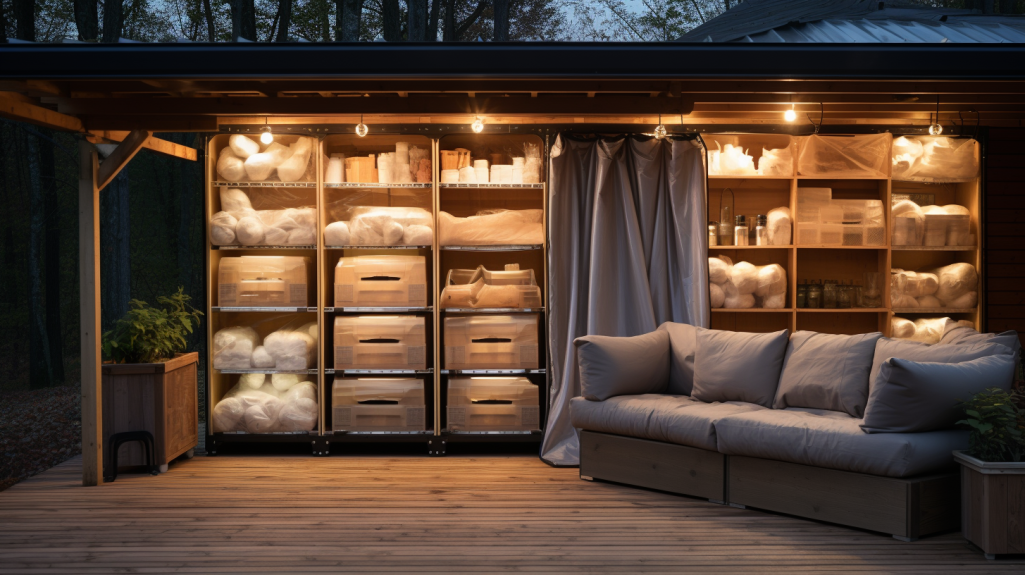
Outdoor shelters work well if indoor space is limited. Look for covered patios, decks with roofs, or garden sheds. These structures block direct sunlight and rain. Make sure the shelter has good ventilation to stop moisture build-up. Avoid spots that flood or stay damp after rain.
Using Covers Effectively
Covers add an extra layer of protection in any storage location. Choose covers made from breathable material to prevent mold. Secure covers tightly but leave some gaps for air flow. Remove covers regularly to check for moisture or pests. Clean and dry furniture before covering to avoid damage.
:strip_icc()/outdoor-sofa-coffee-table-93UGi6zz4bT8OHF5yZ5-MP-6c51040cf7ed4480a5704c571073ef4e.jpg)
Credit: www.bhg.com
Preparing Furniture For Storage
Preparing your outdoor furniture for storage protects it from damage and extends its life. Proper steps help keep furniture clean and dry. Removing fabrics and draining water prevent mold and mildew. Follow these simple steps to get your furniture ready for storage.
Cleaning And Drying
Start by cleaning your furniture thoroughly. Use mild soap and water to remove dirt and grime. Avoid harsh chemicals that can damage surfaces. Rinse well with clean water to remove soap residue. Let the furniture dry completely in the sun. Drying prevents mold and rust during storage.
Removing Cushions And Fabrics
Take off all cushions, pillows, and fabric covers. These items can trap moisture and cause mildew. Clean cushions according to the care label instructions. Dry them fully before storing in a dry place. Store fabrics separately in breathable bags to keep them fresh.
Draining Water From Furniture
Check for any water trapped inside hollow furniture parts. Drain water from tubes, legs, and frames. Water left inside can freeze and cause cracks. Tilt furniture to help water flow out easily. Ensure all moisture is removed before storing.
Protecting Different Materials
Outdoor furniture comes in many materials, each needing special care. Protecting these materials helps furniture last longer and look better. Proper storage can stop damage from weather, moisture, and cold. Understanding how to care for wood, metal, and synthetic pieces keeps your patio inviting year-round.
Wood Furniture Care
Wood furniture needs sealing to stop water damage. Use a water-resistant sealant before storing it. Clean wood surfaces with mild soap and water. Dry completely to avoid mold and cracks. Cover wood furniture with breathable covers. Avoid plastic wraps that trap moisture inside. Store wood in a dry, shaded spot for best results.
Metal Furniture Tips
Metal furniture can rust if left wet. Aluminum resists rust but still needs protection. Wipe down metal pieces to remove dirt and moisture. Apply a rust-inhibiting spray on iron and steel. Cover metal furniture with waterproof covers. Store indoors or in a shed if possible. Check for rust spots and sand them before repainting.
Synthetic And Plastic Protection
Synthetic wicker is durable but can crack in cold weather. Clean it gently with soap and water. Let it dry before covering. Use breathable covers to prevent ice buildup in weaving. Plastic furniture may become brittle in freezing temperatures. Store plastic pieces indoors during winter. Cover synthetic and plastic furniture to shield from sun damage too.
Covering And Securing Furniture
Covering and securing outdoor furniture protects it from weather damage and keeps it clean. Proper covers block rain, snow, and dirt. Securing furniture prevents it from blowing away on windy days. These steps help your furniture last longer and look good.
Choosing Breathable Covers
Pick covers made from breathable fabric. Breathable covers stop moisture buildup. Moisture can cause mold, mildew, and rust. Waterproof covers without breathability trap water inside. This damages wood and metal furniture over time. Choose covers with air vents or mesh panels. These allow air to flow and keep furniture dry.
Proper Cover Installation
Place the cover tightly over the furniture. Avoid loose covers that flap in the wind. Secure the cover at the bottom with ties or elastic bands. Make sure no gaps allow water or pests inside. Remove cushions before covering if possible. Covers should fit the shape of the furniture well. This prevents water from pooling on top.
Securing Lightweight Pieces
Lightweight furniture can blow away in strong winds. Use bungee cords or straps to anchor these pieces. Tie them to fixed objects like fences or heavy planters. Store cushions indoors to avoid damage. Group chairs and small tables together for stability. Weigh down umbrella bases and other tall items. Securing prevents damage and loss during storms.
Year-round Maintenance
Year-round maintenance keeps your outdoor furniture strong and beautiful. Regular care stops damage before it grows. Simple tasks done often protect your investment from weather and wear. This section covers key steps to maintain your furniture every season.
Regular Inspections
Check your furniture at least once a month. Look for cracks, rust, or loose parts. Early spotting helps fix problems quickly. Pay close attention to joints and moving parts. Clean dirt and debris to prevent buildup. Inspections reduce the chance of costly repairs later.
Reapplying Sealants
Sealants protect wood and metal from water and sun damage. Apply a fresh coat every year or as needed. Before sealing, clean the surface well and let it dry. Use a brush or spray for even coverage. Proper sealing extends furniture life and keeps it looking new.
Addressing Damage Early
Small scratches or rust spots worsen over time. Fix them as soon as you see them. Sand rough spots and apply touch-up paint or sealant. Replace broken parts to keep furniture stable and safe. Early repair saves money and keeps furniture ready for use.
Winter Storage Strategies
Winter storage strategies help keep outdoor furniture safe through cold months. Proper care prevents damage from frost, moisture, and harsh winds. Planning storage protects your investment and saves money on repairs.
Leaving Furniture Outside Safely
Some furniture can stay outside during winter if prepared well. Clean all dirt and debris before winter sets in. Use waterproof covers designed for outdoor furniture. Secure covers tightly to stop wind from blowing them away. Elevate furniture slightly to avoid water pooling underneath. Check covers regularly and adjust if needed.
When To Bring Furniture Indoors
Bring furniture inside before the first hard freeze. Materials like wood, iron, and plastic suffer more in freezing weather. Early indoor storage reduces risk of cracking, rust, and brittleness. Choose a dry, cool place like a garage or shed. Avoid damp basements as moisture can cause mold and mildew.
Preventing Freeze And Moisture Damage
Moisture is the biggest enemy during winter storage. Wipe all surfaces dry before storing. Apply sealants on wood to block water absorption. Use silica gel packs or moisture absorbers inside cushions or storage boxes. Keep furniture off the ground to improve airflow. Proper ventilation stops mold and mildew growth.

Credit: hicksnurseries.com
Frequently Asked Questions
What Is The Best Way To Store Outdoor Furniture?
Store outdoor furniture in a dry, cool place like a garage or shed. Clean and dry it before storing. Use breathable covers secured tightly, and remove cushions to prevent moisture damage. Ensure good air circulation to avoid mold and mildew.
Apply sealant on wooden pieces for extra protection.
Can I Leave My Patio Furniture Outside In The Winter?
Yes, you can leave patio furniture outside in winter with proper protection. Clean, dry, and cover it securely. Remove cushions and apply sealants on wood. Store delicate items indoors to prevent damage from moisture, freezing, and wind. Use breathable covers and secure them to extend furniture lifespan.
Can Outdoor Furniture Be Left Outside?
Outdoor furniture can stay outside with protection. Clean, dry, and cover it to prevent damage from moisture, freezing, and wind. Use sealants on wood, cover metal and synthetic pieces, and store cushions indoors. Proper care extends furniture life and keeps it looking good year-round.
How To Store Outdoor Wicker Furniture In Winter?
Clean and dry wicker furniture before winter. Store it in a dry, cool place like a garage. Cover with a breathable tarp, securing edges for airflow. Remove cushions and store them indoors to prevent mildew. Avoid moisture and freezing to extend furniture lifespan.
Conclusion
Proper storage keeps outdoor furniture safe through harsh weather. Clean and dry all pieces before storing them. Use covers that fit well to block moisture and dirt. Store cushions indoors to avoid mold and damage. Choose a dry, cool place like a garage or shed.
Good care extends furniture life and saves money. Taking these simple steps protects your investment year after year. Your outdoor space will stay ready for fun and relaxation.