Are you wondering if you should oil your outdoor furniture? It’s a question many homeowners face, especially when trying to keep their patio looking great year-round.
The right care can make your furniture last longer, stay beautiful, and resist weather damage. But applying oil the wrong way—or not at all—can cause problems too. You’ll discover exactly when and why oiling your outdoor furniture matters. By the end, you’ll know how to protect your investment and enjoy your outdoor space without worry.
Keep reading to find out the simple steps that can make a big difference.
Credit: www.thegoldhive.com
Benefits Of Oiling Outdoor Furniture
Oiling outdoor furniture keeps it looking fresh and strong. It adds life to dull wood and helps it last longer. Regular oiling protects your investment and makes your furniture more enjoyable to use. Here are the main benefits of oiling outdoor furniture.
Enhancing Wood Grain And Color
Oiling brings out the natural beauty of wood. It deepens the color and highlights the grain. The wood looks richer and warmer. This makes your furniture more attractive and inviting. The natural patterns stand out clearly after oiling.
Protecting Against Weather Damage
Outdoor furniture faces sun, rain, and wind every day. Oil creates a barrier that shields the wood. It helps stop water from soaking in and causing damage. The oil also reduces fading caused by sunlight. This keeps the furniture strong and good-looking longer.
Preventing Cracks And Splitting
Wood dries out and shrinks over time without care. This leads to cracks and splits. Oiling keeps the wood moist and flexible. It stops the wood from drying too fast. Regular oiling helps maintain the wood’s strength and smooth surface.
Types Of Oils To Use
Oiling outdoor furniture protects it from weather damage. It also keeps wood looking fresh and natural. Different oils work better for various wood types and conditions. Choosing the right oil improves furniture life and appearance.
Natural Oils Vs. Synthetic Oils
Natural oils come from plants and nuts. They soak into wood and protect it deeply. These oils are safe for the environment and easy to apply. Examples include linseed and tung oil.
Synthetic oils are man-made and often mix chemicals. They create a stronger surface layer on wood. These oils resist water and UV rays well. They last longer but may need careful handling.
Popular Oils For Outdoor Furniture
Linseed oil is common and affordable. It darkens wood slightly and offers good protection. Tung oil dries harder and resists water better. It keeps wood flexible and natural-looking.
Teak oil is designed for dense woods like teak and mahogany. It nourishes wood and prevents cracking. Danish oil is a blend of natural oils and varnish. It gives a smooth finish and strong protection.
Choosing The Right Oil For Your Furniture
Match the oil to the wood type. Softwoods need lighter oils, hard woods need stronger oils. Consider the climate. Wet or sunny areas need water-resistant oils.
Think about maintenance. Natural oils need more frequent reapplication. Synthetic oils last longer but may be harder to apply. Test a small spot first to check color change and finish.
When To Oil Your Furniture
Knowing when to oil your outdoor furniture helps keep it strong and beautiful. Oil protects wood from weather damage and drying out. Timing oiling right makes your furniture last longer and look better.
Seasonal Timing
Spring is the best time to oil outdoor furniture. After winter, wood can dry and crack. Oiling in spring restores moisture and protection. Summer heat can also dry wood quickly. Check your furniture in late summer for dryness. Avoid oiling in cold or rainy weather. Warm, dry days help oil soak in well.
Signs Your Furniture Needs Oiling
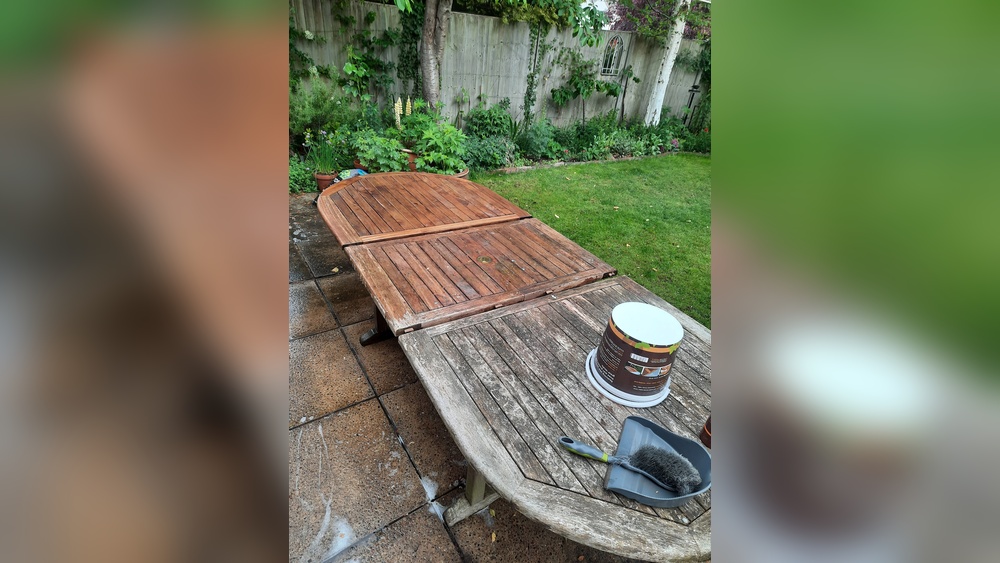
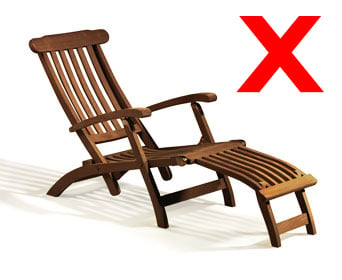
Look for faded or dull wood color. Dry, rough texture means wood needs oil. Water no longer beads on the surface. Cracks or splinters show wood is drying out. If furniture feels brittle, it is time to oil. Regular checks prevent damage and keep wood smooth.
Credit: www.cyan-teak-furniture.com
Step-by-step Oiling Process
Oiling your outdoor furniture keeps it strong and looking good. This process protects wood from weather damage and brings out its natural beauty. Follow these simple steps for the best results.
Preparing The Surface
Start by cleaning your furniture. Use a soft brush or cloth to remove dirt and dust. For tough stains, use mild soap and water. Let the furniture dry completely before oiling. Sand any rough spots lightly to smooth the surface. This helps the oil soak in better.
Applying The Oil
Choose an oil made for outdoor wood. Use a clean cloth or brush to apply the oil evenly. Work in small sections and follow the wood grain. Avoid applying too much oil at once. A thin, even layer works best. Let the oil soak in for about 15 to 30 minutes. Wipe off any extra oil with a dry cloth to avoid sticky spots.
Drying And Maintenance Tips
Let the furniture dry in a warm, shaded place. Avoid direct sunlight during drying. Drying usually takes 24 hours. Repeat oiling every 6 to 12 months for protection. Clean the furniture regularly to keep it in good shape. Store cushions and fabric indoors during bad weather. This keeps your outdoor furniture lasting longer and looking fresh.
Common Mistakes To Avoid
Oiling outdoor furniture helps keep it safe and looking good. But many people make mistakes that harm their wood instead of helping. Avoid these common errors to get the best results and protect your furniture for years.
Over-oiling
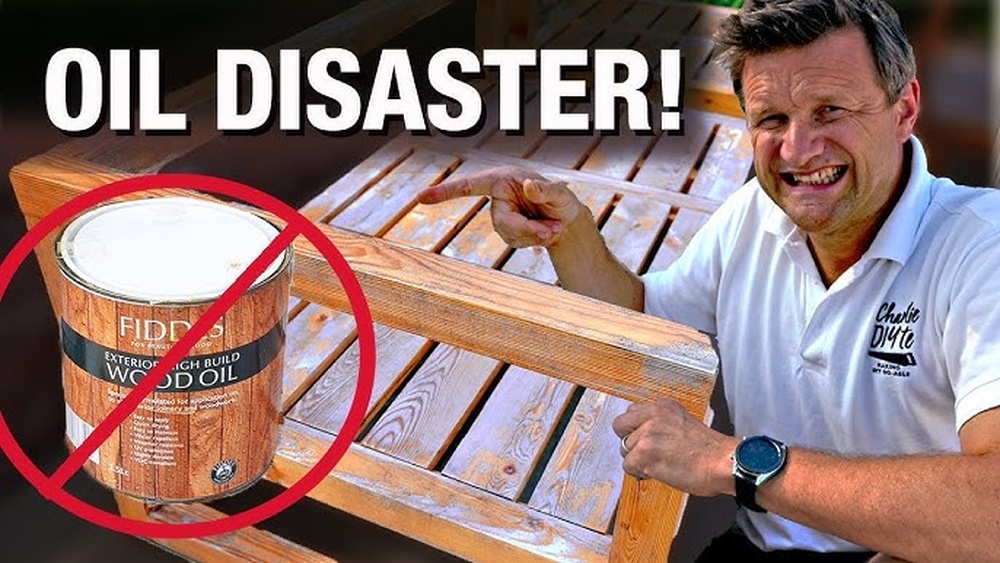
Applying too much oil is a big mistake. It can leave a sticky surface that attracts dirt. The wood may also stay wet for too long, causing damage. Use only a thin layer and wipe off any extra oil. Let the wood absorb the oil slowly and naturally.
Ignoring Surface Preparation
Never oil furniture without cleaning it first. Dirt, dust, and old finishes stop the oil from soaking in. Sand rough spots gently to make the surface smooth. Clean the wood well and let it dry before applying oil. Good preparation helps the oil work better and last longer.
Using The Wrong Oil
Not all oils suit outdoor furniture. Some oils don’t protect well against weather or sun damage. Use oils made for outdoor wood, like teak or linseed oil. These oils soak deep and keep the wood strong. Avoid cooking oils or cheap alternatives that can spoil or attract bugs.
Alternatives To Oiling
Oiling is a common way to protect outdoor furniture. Still, some people want other options. These alternatives can also keep your furniture safe from weather and wear. They might suit your style or needs better. Here are two popular choices to consider.
Sealing And Varnishing
Sealing and varnishing create a hard, protective layer on wood. This layer stops water from soaking into the furniture. It also guards against dirt and sun damage. Sealers are clear and keep the natural wood look. Varnishes come in gloss or satin finishes for shine.
Apply sealers or varnishes with a brush for the best coverage. Let each coat dry fully before adding another. This method keeps wood strong and looking fresh for a long time. It needs less frequent care than oiling.
Painting Outdoor Furniture
Painting offers both protection and color change. It covers wood completely, blocking water and UV rays. Outdoor paint is made to last through rain and sun. Choose bright or neutral shades to match your space.
Before painting, sand the furniture to smooth rough spots. Use a primer to help the paint stick better. Paint in thin layers, letting each dry well. Painted furniture needs touch-ups after a few years to stay fresh.
Maintaining Oiled Furniture Year-round
Maintaining oiled outdoor furniture throughout the year keeps it looking fresh and lasting longer. Oil protects wood from moisture and sunlight damage. Regular care prevents cracks and fading. Simple steps make a big difference in preserving your furniture’s beauty and strength.
Regular Cleaning
Clean your furniture often to remove dirt and dust. Use a soft brush or cloth with mild soap and water. Avoid harsh chemicals that can strip the oil. Rinse well and let the furniture dry completely before applying oil again.
Reapplying Oil
Apply oil to your furniture at least once every few months. Sand the surface lightly if it feels rough or dry. Use a clean cloth to spread the oil evenly. Let the oil soak in, then wipe off any extra to avoid sticky spots.
Storing Furniture During Harsh Weather
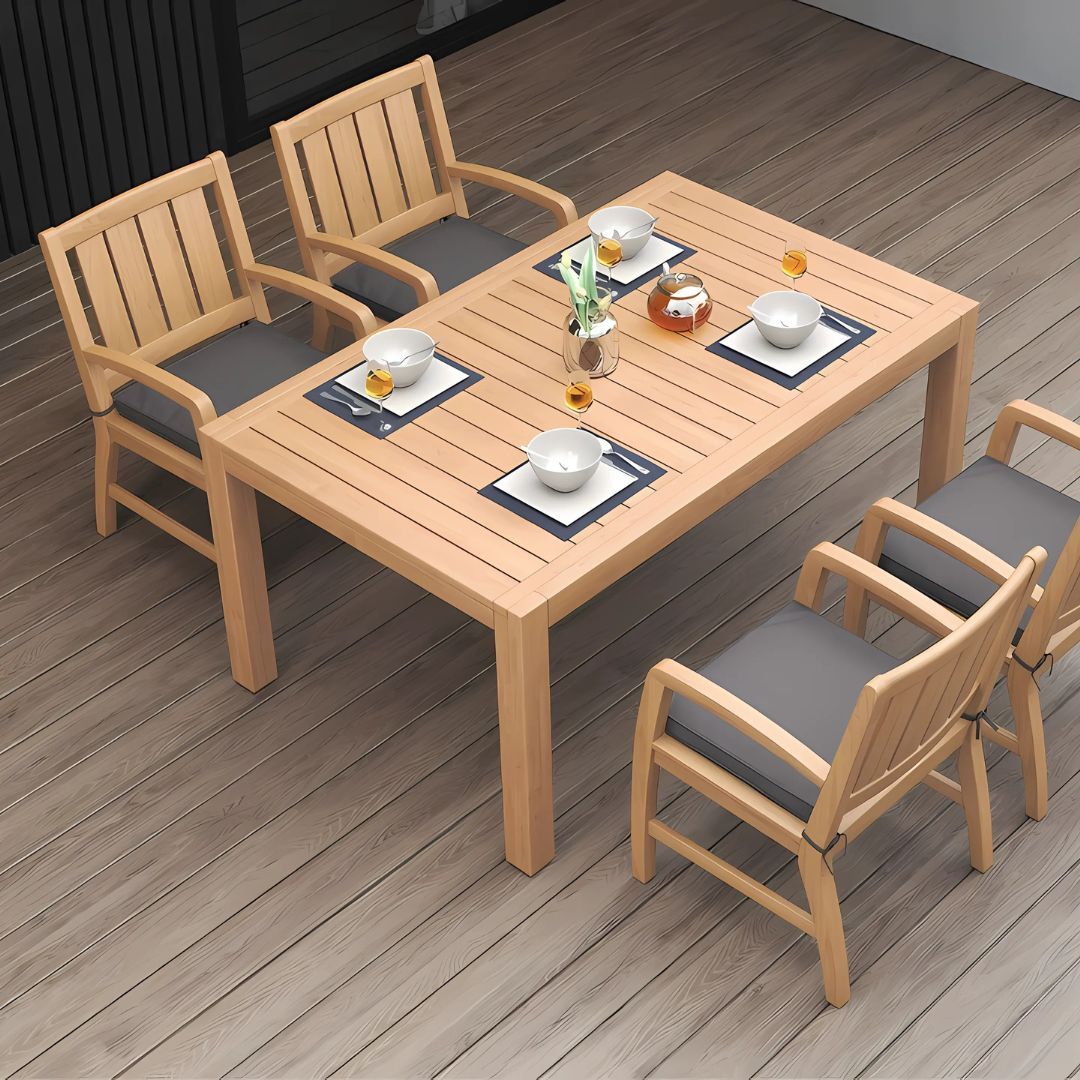
Move your furniture to a covered area during heavy rain or snow. Use waterproof covers for extra protection. Elevate pieces off the ground to prevent moisture damage. Proper storage helps keep your furniture safe and ready for use.
Credit: aquateak.com
Frequently Asked Questions
Should I Oil My Outdoor Furniture Regularly?
Oiling outdoor furniture protects wood from drying and cracking. It enhances natural beauty and extends lifespan. Regular oiling prevents damage from sun, rain, and dirt. Apply oil once or twice a year for best results.
What Type Of Oil Is Best For Outdoor Furniture?
Teak oil and linseed oil are popular choices. They penetrate wood deeply and offer water resistance. Avoid vegetable oils as they can spoil. Choose oils labeled for outdoor wood furniture for optimal protection.
Can Oiling Outdoor Furniture Prevent Weather Damage?
Yes, oiling creates a protective barrier against moisture and UV rays. It reduces the risk of warping, fading, and mildew. Proper oiling helps maintain furniture’s appearance and durability through seasons.
How Often Should Outdoor Furniture Be Oiled?
Most outdoor furniture benefits from oiling once or twice annually. Frequency depends on exposure to sun and rain. Inspect furniture regularly and oil when the wood looks dry or faded.
Conclusion
Oiling outdoor furniture helps protect wood from weather damage. It keeps the surface smooth and prevents cracks. Regular care makes your furniture last longer and look better. Choose the right oil for your wood type. Clean the furniture before applying oil for best results.
Remember, small effort brings big benefits. Protect your investment with simple maintenance steps. Your outdoor space will stay inviting and fresh. Easy to do, and worth the time. Try oiling and see the difference yourself.