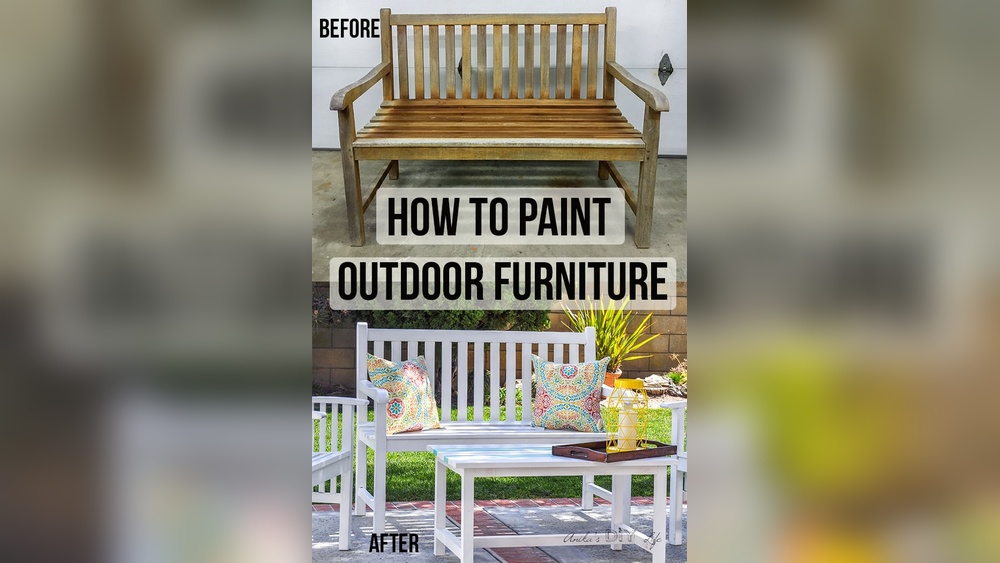
Are you ready to give your outdoor wood furniture a fresh new look that lasts? Choosing the right paint is more than just picking a color you like—it’s about protecting your furniture from sun, rain, and wear while making it stand out.
But with so many options out there, how do you know which paint will keep your wood looking beautiful year after year? You’ll discover exactly what kind of paint works best for your outdoor wood furniture, so you can make the perfect choice and enjoy your outdoor space to the fullest.
Keep reading, and let’s transform your furniture together!
Credit: www.maisondepax.com
Types Of Paint For Outdoor Wood
Choosing the right paint for outdoor wood furniture is very important. Outdoor wood faces sun, rain, and wind. The paint must protect the wood and look good for a long time. Different paints offer different benefits. Understanding each type helps you make a smart choice.
Latex Paint
Latex paint is water-based and easy to clean. It dries fast and has low odor. This paint is flexible, so it moves with the wood. It resists cracking and peeling. Latex paint is great for mild weather and light use. It is also eco-friendly and safe to use around children and pets.
Oil-based Paint
Oil-based paint forms a hard, durable layer on wood. It takes longer to dry than latex paint. This paint sticks well to rough surfaces. It protects wood from water and stains. Oil-based paint works best in harsh weather and heavy use. It has a strong smell and needs special cleaners for tools.
Acrylic Paint
Acrylic paint is a type of latex paint with added durability. It handles sun and rain very well. Acrylic paint keeps its color for a long time. It resists fading and cracking. This paint is also flexible and easy to clean. Acrylic is a good choice for colorful outdoor furniture.
Enamel Paint
Enamel paint is known for a smooth, glossy finish. It dries hard and resists scratches. This paint is water-resistant and protects wood from damage. Enamel works well on furniture that needs a shiny look. It often lasts longer than other paints. Cleaning enamel paint requires special solvents.
Key Features For Outdoor Paint
Choosing the right paint for outdoor wood furniture is important. The paint must protect the wood from weather and wear. Certain features make outdoor paint perfect for this job. These features help the furniture last longer and stay beautiful. Below are the key qualities to look for in outdoor paint.
Durability
Outdoor paint must be tough and long-lasting. It should stand up to scratches and bumps. The paint should not peel or chip easily. Durable paint saves time and money on repairs. It keeps furniture looking fresh for years.
Uv Resistance
Sunlight can fade paint colors and damage wood. Paint with UV resistance blocks harmful rays. It helps keep colors bright and true. UV resistance also stops paint from cracking or drying out. This protects the wood under the paint.
Waterproofing
Water can cause wood to swell and rot. Waterproof paint forms a strong barrier against moisture. It stops water from seeping into the wood. Good waterproof paint prevents warping and decay. It keeps outdoor furniture safe in rain and damp weather.
Mold And Mildew Resistance
Outdoor furniture often faces damp and shady spots. Mold and mildew can grow on the paint surface. Paint with mold and mildew resistance stops this growth. It keeps furniture clean and healthy. This feature also protects the wood from damage caused by fungi.
Preparing Wood For Painting
Preparing wood for painting is a key step for outdoor furniture. Proper preparation helps paint stick well and last longer. It also protects wood from weather damage. Taking time to prepare the surface saves effort later. Follow these steps to get your wood ready for a fresh coat of paint.
Cleaning And Sanding
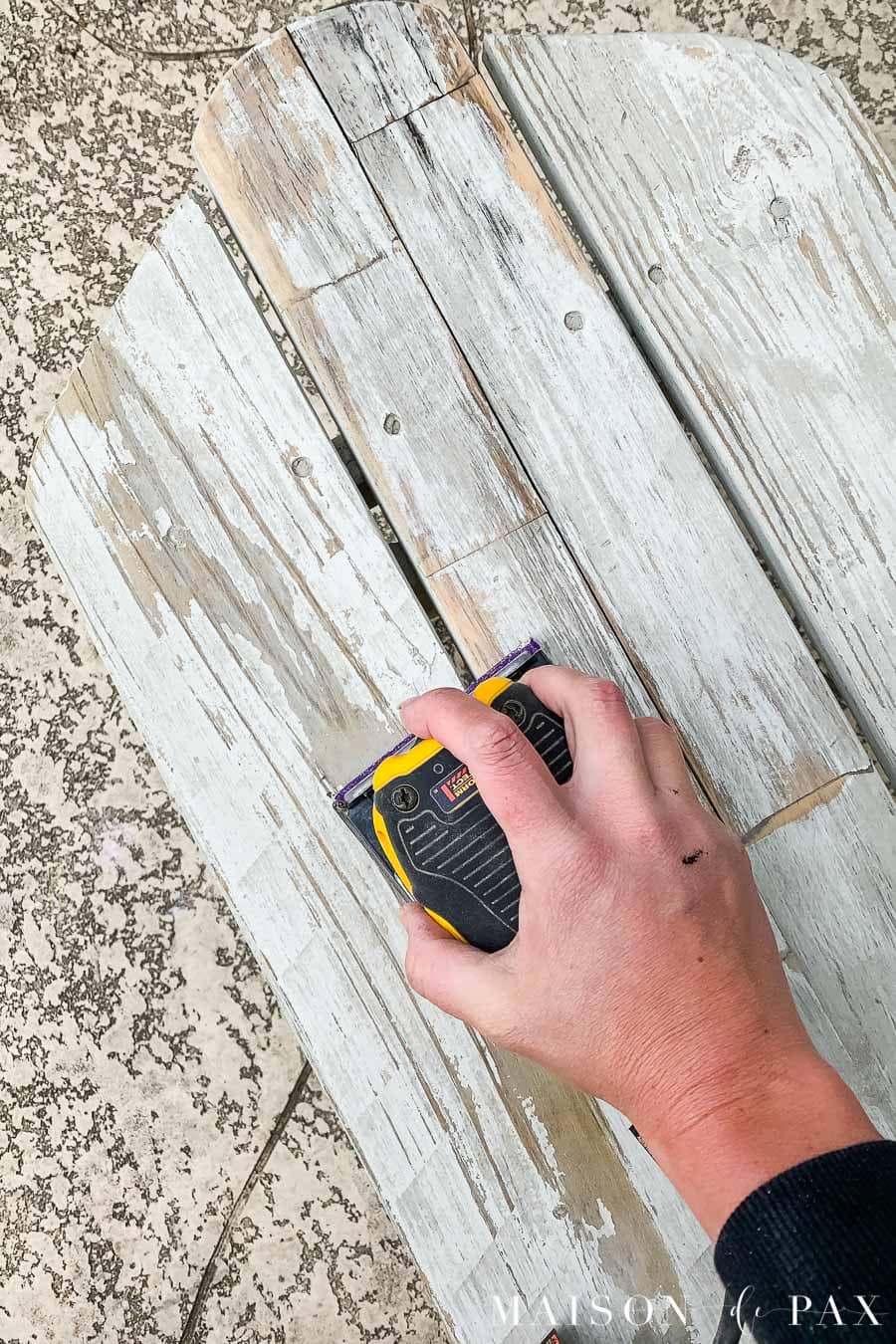
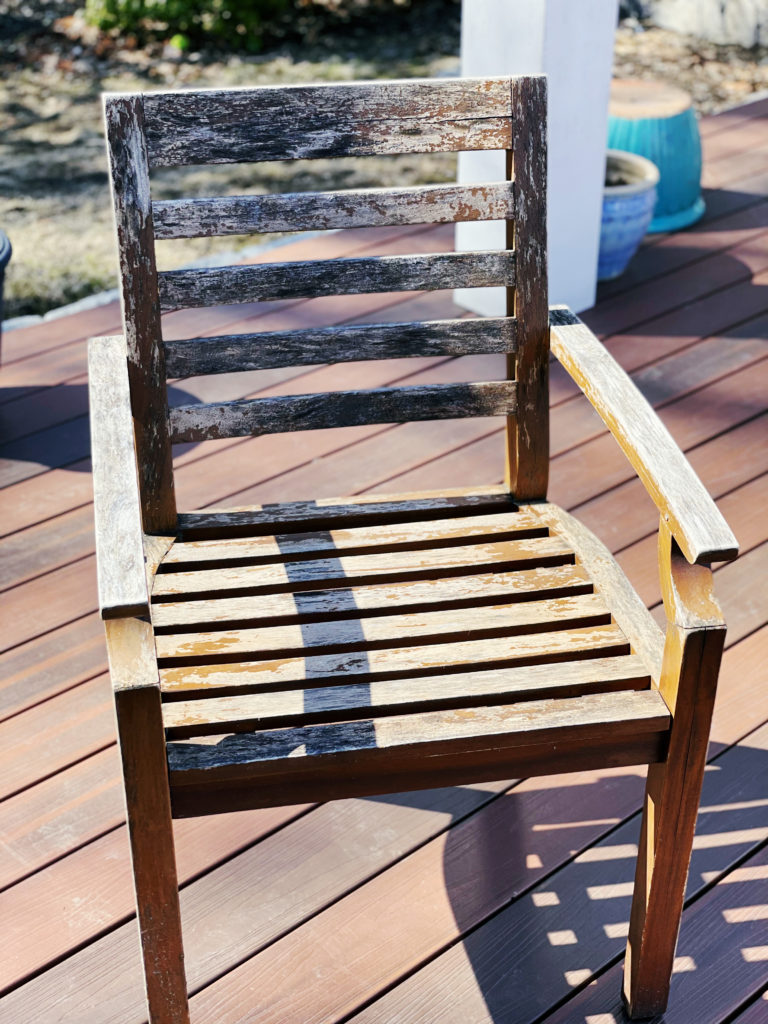
Start by cleaning dirt, dust, and old paint flakes. Use a mild soap and water solution. Scrub gently with a brush. Let the wood dry completely before sanding. Sand the surface to remove rough spots and smooth the wood. Use medium-grit sandpaper for best results. Sanding opens wood pores for better paint grip.
Priming The Surface
Apply a primer to seal the wood and block stains. Primer helps paint last longer and look even. Choose a primer made for outdoor wood. Use a brush or roller to spread primer evenly. Allow it to dry fully before painting. Priming prevents moisture from damaging the wood.
Repairing Imperfections
Check for cracks, holes, or dents in the wood. Fill small gaps with wood filler or putty. Press filler into cracks and smooth with a putty knife. Let it dry and then sand the area smooth. Repairing imperfections creates a clean, flat surface. This step improves the furniture’s final look and durability.
Credit: whitneysowles.com
Choosing The Right Paint Finish
Choosing the right paint finish for outdoor wood furniture affects both look and durability. The finish changes how the paint feels and shines. It also protects wood from weather damage. Picking the best finish depends on the style you want and how much wear the furniture will face.
Matte And Flat Finishes
Matte and flat finishes show no shine. They hide wood flaws well. These finishes give a smooth, natural look. They are good for rustic or vintage furniture styles. Matte finishes can be harder to clean. Dirt and stains may stay longer on the surface.
Satin And Eggshell Finishes
Satin and eggshell finishes have a soft shine. They reflect some light without being too glossy. These finishes offer a balance of beauty and protection. They resist dirt and are easier to clean than matte. Satin and eggshell work well on most outdoor wood pieces.
Glossy And Semi-gloss Finishes
Glossy and semi-gloss finishes shine brightly. They highlight the wood’s texture and color. These finishes provide strong protection against moisture and scratches. Glossy paint cleans easily and lasts longer outdoors. Use these finishes for modern or polished looks.
Application Tips For Best Results
Applying paint to outdoor wood furniture needs care for long-lasting results. Proper application protects wood from weather and wear. Follow simple tips to make your paint job smooth and durable.
Tools And Techniques
Use quality brushes or rollers for even coverage. A brush works best for detailed areas and edges. Rollers cover flat surfaces quickly and smoothly. Stir paint well before use to mix pigments evenly. Apply paint in thin, steady layers to avoid drips. Light sanding between coats helps paint stick better.
Number Of Coats
Two or three coats give the best protection. The first coat seals the wood and primes the surface. The second coat builds color and coverage. A third coat may be needed for dark or bright colors. Let each coat dry before adding the next one.
Drying And Curing Times
Drying time depends on paint type and weather. Usually, paint feels dry within a few hours. Curing takes longer and strengthens the paint film. Avoid heavy use of furniture until paint fully cures. Check manufacturer instructions for exact drying times.
Credit: www.maisondepax.com
Maintaining Painted Outdoor Wood
Maintaining painted outdoor wood furniture keeps it looking fresh and protects it from damage. Proper care extends the life of the paint and the wood underneath. Small efforts can prevent costly repairs and keep your furniture inviting. Follow simple steps to care for your painted wood outdoors.
Regular Cleaning
Clean your furniture often to remove dirt and grime. Use a soft brush or cloth with mild soap and water. Avoid harsh chemicals that can damage the paint. Rinse well and let the furniture dry completely in the sun. Regular cleaning stops buildup that can cause paint to peel.
Touch-ups And Repainting
Check your furniture for chips and cracks in the paint. Fix small damaged areas quickly to stop moisture from seeping in. Lightly sand the area before applying new paint. For larger wear, consider repainting the whole piece. Use the same paint type to match the original finish.
Protecting Against Weather
Sun, rain, and cold can harm painted wood furniture. Move furniture to a covered spot during harsh weather. Use waterproof covers to shield it from moisture. Apply a clear sealant over the paint for extra protection. Proper weather protection keeps paint vibrant and wood strong.
Common Mistakes To Avoid
Choosing the right paint for outdoor wood furniture is important. Many people make simple mistakes that cause problems later. These mistakes can shorten the life of your paint job.
Knowing what to avoid helps you get a smooth, long-lasting finish. Avoiding common errors saves time and effort. Here are some mistakes to watch out for.
Skipping Primer
Primer helps paint stick to wood better. Without primer, paint can peel or chip quickly. It also seals the wood, protecting it from moisture. Skipping primer can lead to uneven color and rough texture.
Use a primer made for outdoor wood. This step ensures your paint lasts longer and looks better.
Painting In Poor Weather
Weather affects how paint dries and bonds to wood. Painting in rain or high humidity causes paint to bubble or peel. Cold weather slows drying time and can ruin the finish.
Choose a dry day with mild temperatures. This helps paint dry evenly and stick well.
Using The Wrong Paint Type
Not all paints work well on outdoor wood. Interior paints do not resist weather and fade fast. Use paint designed for outdoor use. These paints handle sun, rain, and temperature changes better.
Look for acrylic or oil-based outdoor paints. They protect wood and keep color vibrant longer.
Frequently Asked Questions
What Type Of Paint Is Best For Outdoor Wood Furniture?
Acrylic latex paint is best for outdoor wood furniture. It offers durability, water resistance, and UV protection. This paint type adheres well and withstands weather changes effectively. It keeps furniture looking fresh longer with minimal maintenance.
Can I Use Oil-based Paint On Outdoor Wood Furniture?
Yes, oil-based paint works well for outdoor wood furniture. It provides a hard, durable finish that resists moisture and wear. However, it takes longer to dry and emits stronger fumes than latex paint.
How Should I Prepare Wood Before Painting Outdoors?
Clean the wood thoroughly and remove old paint or dirt. Sand the surface smooth to help paint adhere better. Apply a suitable primer to protect wood and improve paint durability outdoors.
Is Exterior Paint Different From Interior Paint For Wood?
Yes, exterior paint has additives to resist UV rays, moisture, and temperature changes. Interior paint lacks these protections and will not last long on outdoor wood furniture.
Conclusion
Choosing the right paint protects your outdoor wood furniture well. Acrylic and oil-based paints work best for durability. Always prepare the wood by cleaning and sanding before painting. Apply a primer to help paint stick and last longer. Regular maintenance keeps furniture looking fresh and strong.
Paint shields wood from sun, rain, and insects. This simple step extends furniture life and beauty. Now, your outdoor wood can stay vibrant season after season. Ready to enjoy your painted furniture outdoors?