Is your small living room feeling cramped and cluttered? You’re not alone.
Arranging furniture in a limited space can feel like a puzzle, but with the right approach, you can create a cozy, stylish area that feels much larger than it is. Imagine walking into your living room and instantly feeling relaxed, with everything perfectly placed for comfort and flow.
You’ll discover simple yet powerful tips to arrange your furniture that make the most of every inch. Ready to transform your small living room into a welcoming haven? Let’s dive in and unlock the secrets to smart furniture arrangement that works for you.
Choose A Focal Point
Choosing a focal point is the first step to arrange furniture in a small living room. It creates a center that draws attention and organizes the space. A strong focal point helps make the room feel balanced and inviting. It guides where to place furniture and keeps the layout clear.
Select A Functional Anchor
Pick a focal point that fits your living room’s use. It can be a fireplace, a large window, or a TV. The anchor should be practical and attractive. It acts as the main feature around which you arrange furniture. This helps maximize space and comfort.
Arrange Seating Around It
Place sofas and chairs facing or near the focal point. Keep enough space for easy movement. Group seating tightly to make the room cozy. Use small tables or ottomans close by for convenience. This setup encourages conversation and relaxation while highlighting the focal point.
Maximize Floor Space
Maximizing floor space is key in a small living room. It makes the room feel bigger and more open. Proper furniture arrangement helps create a comfortable and functional space. Smart choices can free up walking areas and improve flow.
Float Furniture Away From Walls
Pull furniture slightly away from the walls. This adds depth and creates a sense of space. Floating furniture allows light to flow around pieces. It also opens up pathways for easy movement. Avoid pushing everything flat against walls.
Place a sofa or chairs a few inches from the wall. Use a rug to anchor the seating area. This technique makes the room feel less cramped. It encourages better conversation and interaction in the space.
Use Multi-functional Pieces
Choose furniture that serves more than one purpose. Ottomans with storage keep clutter out of sight. A sofa bed offers seating and a guest bed. Tables with shelves hold books and decor.
Multi-functional pieces save floor space and reduce extra furniture. They keep the room tidy and organized. Select items that fit your lifestyle and needs. This approach maximizes every inch of your small living room.
Pick The Right Furniture
Choosing the right furniture is key for a small living room. The furniture must fit the space well. It should feel comfortable without crowding the room. Selecting pieces that match the room’s size and style helps keep the area open and inviting. This section explains how to pick furniture that works perfectly in smaller spaces.
Downsize For Scale
Pick smaller furniture to match the room’s size. Large sofas or bulky chairs can make the space feel cramped. Look for compact sofas and slim chairs that save space. Smaller pieces still offer comfort without overwhelming the room. This helps keep the area balanced and easy to move around.
Opt For Lightweight Designs
Choose furniture with light frames and open designs. Pieces with thin legs or open arms look less heavy. Lightweight furniture is easier to move and rearrange. This flexibility lets you change the layout to suit different needs. It also keeps the room feeling airy and uncluttered.

Credit: www.thelivinghouse.co.uk
Use Rugs To Define Areas
Rugs play an important role in arranging furniture in a small living room. They help to create clear boundaries between different areas. This makes the room look organized and cozy. Rugs also add texture and color, making the space feel more inviting.
Using rugs correctly helps to define functional zones. Each zone can serve a different purpose, such as seating, reading, or dining. This approach improves the flow and usability of the room without crowding it with extra furniture.
Choose Proper Rug Size
Select a rug that fits the size of your seating area. The rug should be large enough to hold the front legs of all chairs and sofas. A too-small rug breaks the space and makes the furniture feel disconnected. Avoid rugs that are too big, as they can overwhelm the room and cover the floor too much.
Measure your furniture before buying a rug. This ensures the rug fits well under the pieces. A well-sized rug balances the room and ties the furniture together as one group.
Create Visual Zones
Use rugs to separate different parts of your living room visually. Place a rug under the main seating area to mark it clearly. Another small rug can highlight a reading nook or a workspace. This helps guests understand the purpose of each area instantly.
Choose rug colors and patterns that complement each zone’s function. Soft, calm colors suit relaxing areas. Bright or bold rugs work well in active spaces. This method makes your small living room feel larger and more organized.
Improve Lighting
Good lighting makes a small living room feel bright and open. It changes the mood and shows off your furniture well. Proper lighting avoids dark corners that make spaces look smaller. Use different types of lights to create a warm and inviting room.
Layer Ambient And Task Lighting
Start with ambient light to fill the room evenly. Ceiling lights or wall sconces work well here. Add task lighting for activities like reading or working. Use adjustable lights so you can focus light where needed. This mix keeps the room functional and cozy.
Use Floor And Table Lamps
Floor lamps save space and brighten dark spots. Place them near seating areas to add light and style. Table lamps fit on side tables or shelves. They offer soft light and create a welcoming feel. Choose lamps that match your room’s style and size.
Utilize Vertical Space
Using vertical space in a small living room helps keep the floor clear and the room feeling open. It draws the eyes upward, creating a sense of height and roominess. Vertical storage and decor can make a big difference in how spacious your living area feels.
Walls offer great opportunities for storage and style without taking up valuable floor space. Clever use of vertical space lets you store items, display decorations, and keep the room tidy.
Add Wall Shelves
Wall shelves provide extra storage without crowding the room. Install floating shelves to hold books, plants, or small decor. Open shelves keep the room airy and add personality.
Stacking shelves vertically uses the height of your walls efficiently. Choose slim shelves to avoid heavy, bulky looks. Use baskets or boxes on shelves to hide clutter and keep things neat.
Hang Artwork Strategically
Artwork draws attention up and fills empty wall space with color and style. Hang pieces at eye level or slightly above to enhance the room’s height. Group smaller frames vertically to create a tall visual effect.
Use tall, narrow art to emphasize wall height. Avoid placing art too low, which can make the room feel cramped. Strategic hanging creates a balanced and inviting atmosphere.
Consider Traffic Flow
Considering traffic flow is vital when arranging furniture in a small living room. Good traffic flow means people can move easily without bumping into furniture. This makes the room feel more open and comfortable. Planning pathways lets you use the space well and keeps the room functional.
Maintain Clear Walkways
Clear walkways help people move smoothly through the room. Leave at least 24 inches of space for walking paths. Avoid placing furniture in the middle of these paths. Use smaller or multi-purpose pieces to keep walkways open. This prevents clutter and makes the room feel larger.
Avoid Blocking Entry Points
Keep doors and windows free from obstructions. Furniture should never block the entrance to the room. This allows easy access and prevents accidents. Arrange seating and tables away from doorways. Clear entry points make the space welcoming and easy to use.
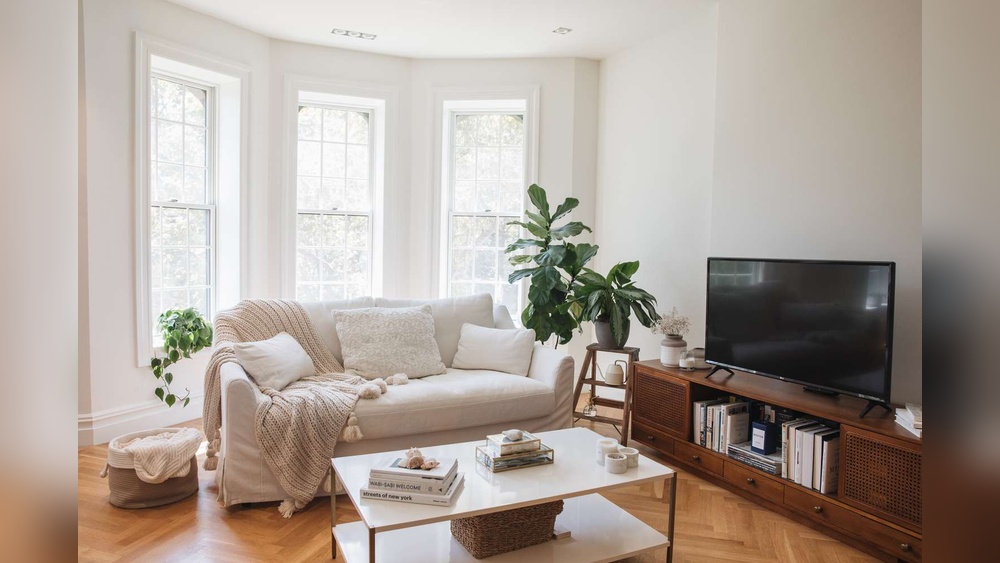
:strip_icc()/renovated-neutral-colored-living-room-2f194807-235cf8f650594de5859d48b9f550db0c.jpg)
Credit: www.bhg.com
Incorporate Mirrors
Incorporating mirrors in a small living room is a smart way to enhance both style and function. Mirrors can brighten the space and make it feel larger without taking up any floor space. Their reflective surfaces work wonders in compact rooms.
Enhance Light Reflection
Mirrors bounce natural and artificial light around the room. This reflection brightens dark corners and opens up the space visually. Position mirrors opposite windows or lamps to maximize light. A well-placed mirror can reduce the need for extra lighting.
Create Illusion Of Space
Mirrors create a sense of depth in small rooms. They make walls appear to extend beyond their actual boundaries. Large mirrors or mirrored furniture can trick the eye into seeing more space. Use vertical mirrors to draw the eye upward, adding height to the room.
Use Color And Patterns
Using color and patterns smartly enhances a small living room’s feel. These elements create depth and interest without crowding the space. Choosing the right shades and designs helps the room look larger and inviting. Focus on light hues and subtle patterns to keep the room airy and open.
Select Light, Neutral Tones
Light colors reflect more natural light, brightening the room. Shades like beige, pale gray, and soft white work well. These tones make walls and furniture seem to recede. This effect opens up the space visually. Avoid dark colors that can make the room feel smaller and closed in. Neutral tones provide a calm backdrop for other decor.
Add Subtle Accents
Use small pops of color to add personality without clutter. Soft patterns on cushions, rugs, or curtains bring life to the space. Choose geometric or floral designs that are not too busy. Keep accent colors limited to two or three shades. This balance prevents overwhelming the room. Subtle accents highlight key furniture pieces and create harmony.
Optimize Storage Options
Optimizing storage in a small living room helps keep the space tidy and functional. Smart storage choices reduce clutter and make the room feel larger. Use every inch wisely to store items without crowding the area.
Choose Furniture With Built-in Storage
Select sofas or ottomans that have hidden compartments. These pieces store blankets, magazines, or toys out of sight. Coffee tables with drawers or shelves add extra space for books or remotes. Beds with storage drawers underneath also save space. Furniture that serves dual purposes makes the room more organized and open.
Use Baskets And Organizers
Baskets offer quick storage for small items and look neat. Place them under tables or in corners for easy access. Use organizers inside cabinets to separate and store things properly. Clear containers help find items without opening each one. Stylish baskets and bins also add texture and warmth to the room.
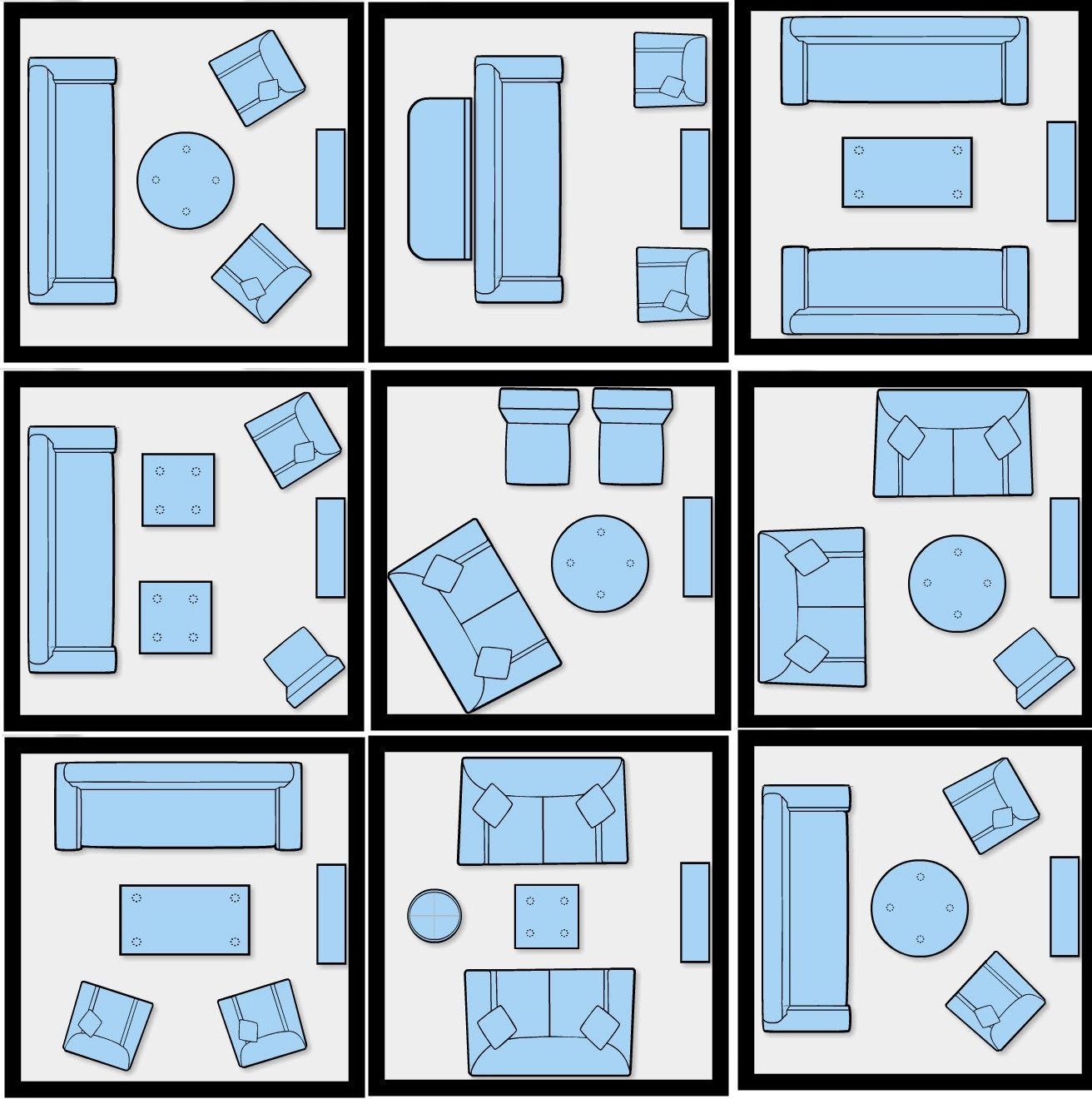
Credit: www.prohomebuyer.com
Frequently Asked Questions
How To Layout Furniture In A Small Living Room?
Start by choosing a focal point like a fireplace or TV. Use a suitably sized rug to anchor seating. Select compact furniture and arrange it to maintain clear pathways. Utilize corners and vertical space to maximize room. Keep layout simple for better flow and openness.
What Is The 3-5-7 Rule In Decorating?
The 3-5-7 rule in decorating means using items in groups of 3, 5, or 7 to create balance and visual interest. It helps avoid clutter and enhances room harmony.
What Is The Biggest Mistake In Placement Of Furniture?
The biggest mistake in furniture placement is blocking natural pathways, which disrupts flow and makes spaces feel cramped.
What Is The 2 3 Rule For Living Rooms?
The 2-3 rule for living rooms suggests arranging two to three seating pieces together. This creates a balanced, comfortable space for conversation and flow. It helps avoid overcrowding while maximizing functionality and style.
Conclusion
Arranging furniture in a small living room takes planning and creativity. Focus on creating a clear focal point that suits your needs. Use smaller pieces that fit well without crowding the space. Leave enough room to move around comfortably. Light colors and good lighting make the room feel bigger.
Don’t forget to use vertical space for storage and decoration. With these simple tips, your small living room can feel cozy and open. Enjoy making your space both functional and inviting.