
Winter is coming, and you might be wondering: does your outdoor furniture need to be covered when the cold sets in? You’ve invested in pieces that make your backyard cozy and inviting.
But harsh weather can quickly damage them if you’re not careful. Covering your outdoor furniture could be the simple step that saves you money and keeps your favorite spot looking great year after year. Keep reading to find out exactly why covering matters, what types of covers work best, and how to protect your furniture through the winter months.
Your outdoor space deserves the best care—even when the temperature drops.
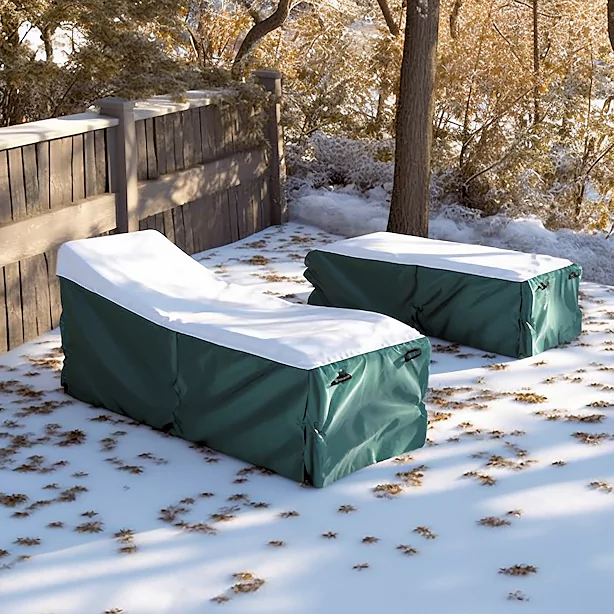
Credit: www.alcocovers.com
Why Cover Outdoor Furniture?
Covering outdoor furniture during winter is a smart choice for many homeowners. Winter brings cold, snow, rain, and wind that can harm your furniture. Covering helps keep your furniture safe and ready for use when warmer months return.
Understanding why to cover outdoor furniture helps you protect your investment. It reduces damage and keeps furniture looking new longer.
Protection From Weather Elements
Winter weather can be harsh on outdoor furniture. Snow and rain cause moisture build-up. This moisture can lead to mold and mildew growth. Strong winds can blow dirt and debris onto your furniture. Covering creates a shield against rain, snow, and wind. It keeps your furniture dry and clean all winter long.
Preventing Material Damage
Different furniture materials react badly to winter conditions. Wood can crack or warp from moisture and cold. Metal can rust or corrode without protection. Fabric cushions can fade or tear due to wetness and cold air. Covers provide a barrier to stop these issues. They help keep materials intact and looking good.
Maintaining Furniture Longevity
Furniture lasts longer with regular care. Covering during winter reduces wear and tear. It lowers the chance of costly repairs or replacements. When spring arrives, your furniture stays in better shape. Covering is a simple step that saves money over time. It keeps your outdoor space inviting year after year.
Types Of Outdoor Furniture And Their Needs
Outdoor furniture comes in many materials. Each type needs different care during winter. Covering them helps protect from rain, snow, and cold. Let’s explore how to care for common outdoor furniture types.
Wooden Furniture Care
Wooden furniture is strong but can crack or rot if wet. Cover wooden pieces with waterproof covers. Apply wood sealant before winter to protect from moisture. Store cushions inside to avoid mold and mildew. Check wood for splinters or damage after winter.
Metal Furniture Protection
Metal furniture resists wind and snow but can rust. Cover with breathable, waterproof covers to stop rust. Clean and dry metal surfaces before covering. Apply rust-resistant paint or spray for extra protection. Remove covers occasionally to prevent moisture buildup.
Plastic And Resin Furniture Tips
Plastic and resin furniture is lightweight and weather-resistant. Covering is optional but can prevent dirt and fading. Store small pieces indoors if possible. Clean furniture before winter to avoid stains. Avoid heavy snow buildup that can cause cracks.
Wicker And Rattan Considerations
Wicker and rattan furniture looks nice but is fragile. Cover tightly with waterproof covers to keep dry. Avoid direct contact with wet ground to stop rot. Bring cushions indoors to keep them dry. Check for broken strands and fix before winter ends.
Choosing The Right Cover
Choosing the right cover for your outdoor furniture protects it from harsh winter weather. A good cover blocks snow, rain, and dirt, keeping your furniture safe. It also helps extend the life of your outdoor pieces by preventing damage. Selecting the proper cover means considering material, size, and breathability. These factors keep your furniture dry and in good shape.
Material Options For Covers
Covers come in many materials. Polyester is strong and water-resistant. Vinyl offers excellent waterproof protection but may trap moisture inside. Canvas is durable and breathable but not fully waterproof. Choose a material based on your climate and furniture type. A tough, waterproof fabric works best in snowy or rainy areas.
Size And Fit Importance
The cover must fit your furniture well. Too small covers leave parts exposed to weather. Too large covers can blow off in strong winds. A snug fit stops moisture and dirt from getting inside. Measure your furniture before buying a cover. Look for adjustable straps or elastic hems for a secure fit.
Breathability And Moisture Control
Breathable covers let air circulate under the fabric. This stops mold and mildew from forming. Moisture trapped inside can cause wood to rot and metal to rust. Choose covers with ventilation panels or breathable materials. Proper airflow keeps your furniture dry and fresh all winter long.
Preparing Furniture For Winter
Preparing outdoor furniture for winter protects it from damage. Cold, moisture, and dirt can harm your pieces. Taking simple steps helps your furniture last longer and look better. Start early to avoid last-minute rushes.
Cleaning Before Covering
Remove dirt and debris using a soft brush or cloth. Wash furniture with mild soap and water. Rinse well to remove all soap. Let it dry completely to prevent mold and mildew. Clean furniture stays in good shape during winter.
Applying Protective Treatments
Use sealants or oils suited for your furniture type. Wood needs waterproof sealant to stop cracking. Metal benefits from rust-resistant sprays. Plastic or resin furniture may need UV protectant. These treatments add a strong shield against weather.
Proper Storage Techniques
Store furniture in a dry, covered place if possible. Use breathable covers to avoid moisture buildup. Avoid plastic wraps that trap water and cause mold. Elevate furniture off the ground to prevent water damage. Good storage keeps furniture safe and ready for spring.
Common Mistakes To Avoid
Protecting outdoor furniture in winter is important. Many make mistakes that damage their furniture instead of protecting it. Avoiding these common errors helps keep furniture safe and durable through cold months.
Using Inappropriate Covers
Some covers trap moisture or cause mold. Avoid plastic covers that do not breathe. Choose covers made for outdoor furniture. These allow air to flow and keep water out.
Ignoring Ventilation Needs
Furniture needs air to prevent mold and mildew. Covers should not fit too tightly. Leave space for air to move under the cover. This helps furniture stay dry and fresh.
Leaving Furniture Exposed
Leaving furniture uncovered exposes it to snow and ice. Water can soak into cushions and wood. Covering furniture prevents damage from cold and wet weather. Even quick storms can cause harm.
Alternative Winter Protection Methods
Protecting outdoor furniture during winter is essential to keep it in good shape. Besides covering, there are other ways to protect your furniture. These methods can help avoid damage from snow, ice, and cold temperatures. Here are some practical alternatives to consider.
Storing Furniture Indoors
Moving your furniture indoors is the best way to protect it. A garage, shed, or basement works well. Store cushions separately in a dry place. This keeps them safe from moisture and mildew. Indoor storage prevents exposure to harsh weather. It also helps extend the furniture’s life.
Using Furniture Covers Vs. Tarps
Furniture covers are designed specifically for outdoor pieces. They fit snugly and allow airflow. This prevents mold and rust. Tarps can cover furniture but often trap moisture. They may cause damage over time. Choose breathable covers made from waterproof materials. Secure them tightly to avoid wind damage.
Regular Maintenance During Winter
Check your furniture often during winter months. Remove snow and ice buildup quickly. Clean dirt and debris to avoid stains. Apply protective oils or sealants if needed. Small repairs prevent bigger problems later. Regular care keeps your furniture looking fresh and strong.
Expert Recommendations And Tips
Experts share clear advice on protecting outdoor furniture during winter. Proper care can extend furniture life and keep it looking good. Follow these tips to avoid damage from cold, moisture, and wind.
Seasonal Timing For Covering
Cover furniture before the first frost arrives. Don’t wait until snow or heavy rain starts. Early covering prevents moisture from seeping into cushions and wood. Remove covers in spring once temperatures rise and rain decreases. Timely covering helps avoid mold and fading.
Monitoring And Adjusting Covers
Check covers regularly to ensure they fit well and stay secure. Tighten straps or fasteners if wind loosens them. Remove snow buildup to prevent pressure damage. Air out furniture occasionally to stop moisture from trapping. Small adjustments protect furniture better.
Additional Protective Accessories
Use waterproof pads under covers to block ground moisture. Place furniture on raised platforms to avoid direct contact with wet soil. Consider breathable covers to allow air flow and reduce mold risk. Add furniture gloves or corner protectors for extra defense against scratches and dents.
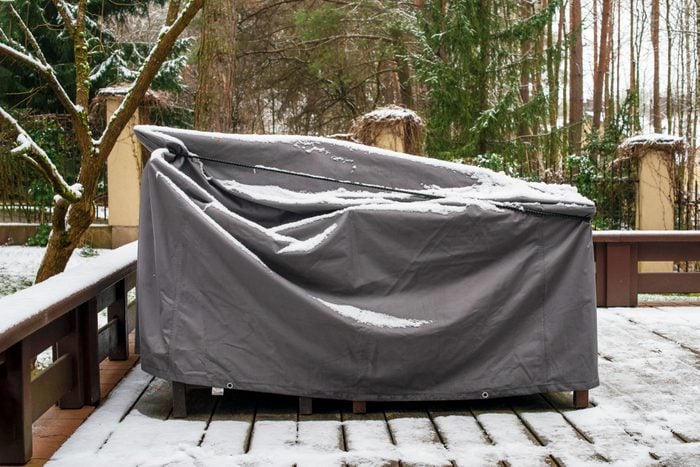
Credit: www.familyhandyman.com
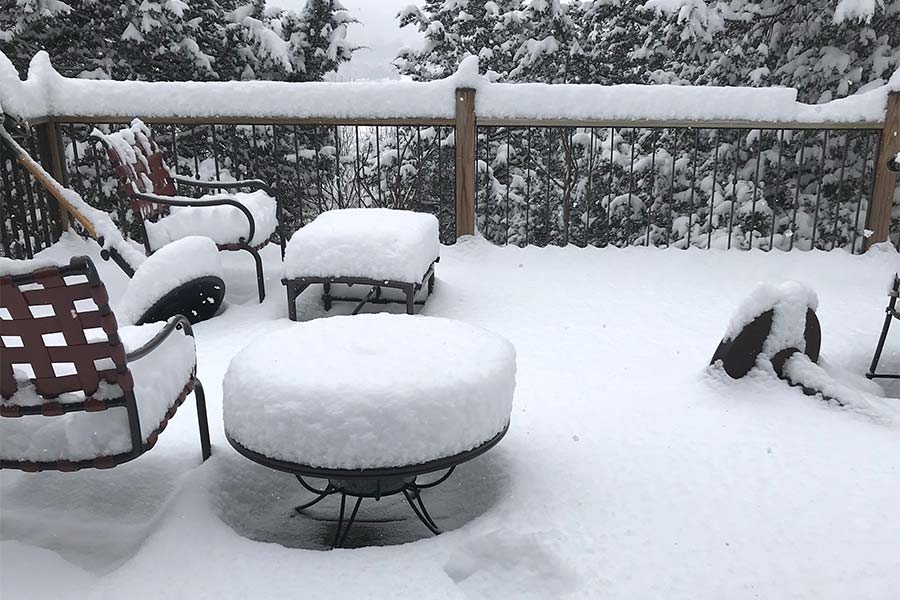
Credit: criterionrepair.com
Frequently Asked Questions
Does Outdoor Furniture Need Winter Covers?
Yes, covering outdoor furniture in winter protects it from moisture, snow, and frost. Covers prevent damage and extend furniture life.
What Materials Work Best For Winter Furniture Covers?
Waterproof, breathable fabrics like polyester or vinyl are ideal. They keep moisture out while allowing air circulation to avoid mold.
Can I Leave Outdoor Cushions Uncovered In Winter?
It’s best to store cushions indoors. If not, use waterproof covers to protect them from dampness and mildew growth.
How Does Covering Furniture Prevent Winter Damage?
Covers shield furniture from snow, ice, and harsh winds. This reduces cracking, rust, and fading caused by cold weather exposure.
Conclusion
Covering outdoor furniture in winter helps protect it from harsh weather. Snow, rain, and cold can cause damage over time. A good cover keeps moisture and dirt away. It also prevents fading from sun exposure. Not all furniture needs the same care, so check material types.
Some covers allow air to pass, stopping mold growth. Taking simple steps can extend your furniture’s life. Keep your outdoor space ready for spring. Protecting your furniture saves money and effort later. Small actions now bring big benefits later.


