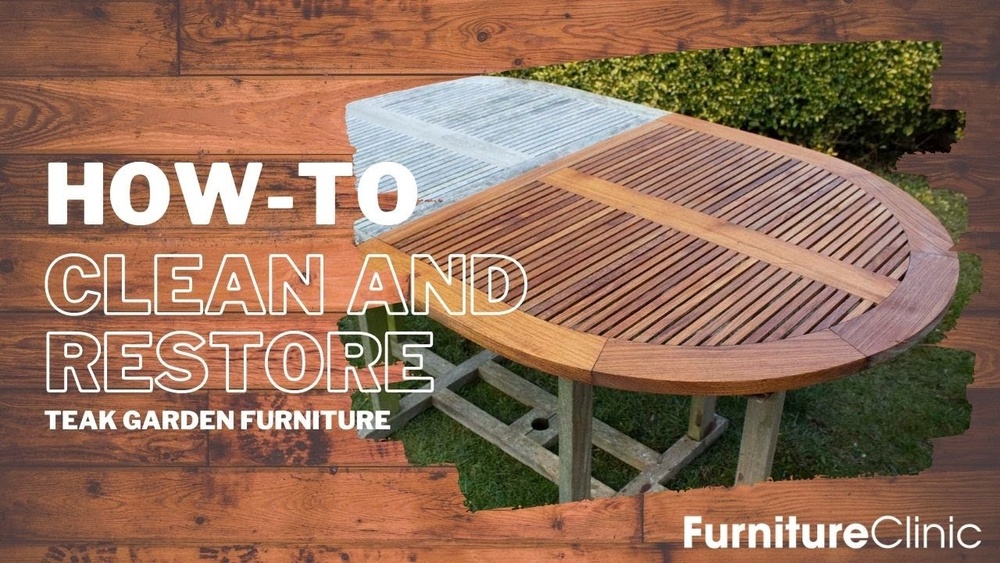
Are you wondering whether you really need to cover your outdoor furniture? You’ve invested in pieces that make your patio cozy and inviting.
But what about when the weather turns—rain, sun, or snow? Leaving your furniture exposed could mean faster wear and tear, but covering it might feel like a hassle. In this post, you’ll discover the smart reasons why protecting your outdoor furniture can save you time, money, and frustration in the long run.
Keep reading to learn how a simple cover can keep your favorite spots looking great season after season.
Benefits Of Covering Outdoor Furniture
Covering outdoor furniture offers many important benefits. It keeps your furniture looking good and working well for years. Simple covers protect against many problems caused by outdoor elements. This section explains the main advantages of using covers.
Shielding From Weather Damage
Covers protect furniture from rain, snow, and sun. Water can cause wood to swell and metal to rust. Sunlight can fade colors and weaken materials. A good cover blocks these harmful effects. It keeps your furniture safe and dry all year.
Preventing Dirt And Debris Build-up
Outdoor furniture often collects dust, leaves, and bird droppings. Dirt can scratch surfaces and make cleaning hard. Covers stop debris from settling on your furniture. They save time by reducing how often you need to clean.
Extending Furniture Lifespan
Furniture lasts longer when protected from damage. Covers reduce wear and tear caused by weather and dirt. They keep cushions dry and frames strong. Using covers means you replace furniture less often. This saves money and effort over time.

Credit: www.reddit.com
Types Of Outdoor Furniture Covers
Outdoor furniture covers protect your furniture from dust, rain, and sun damage. Different covers suit different furniture types and weather conditions. Knowing the types of outdoor furniture covers helps you choose the best one.
These covers vary in materials, sizes, and features. Picking the right cover extends your furniture’s life and keeps it looking good.
Materials Used
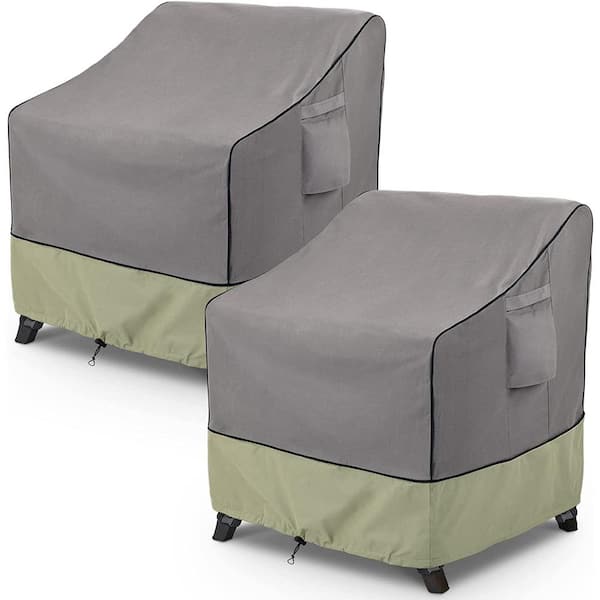
Outdoor furniture covers use various materials like polyester, vinyl, and canvas. Polyester is lightweight and dries quickly. Vinyl is heavy and offers strong water resistance. Canvas is thick and durable but can be heavier. Each material has benefits for protection and longevity.
Size And Fit Options
Covers come in standard sizes or custom fits. Standard covers work for most furniture but may not fit perfectly. Custom covers match your furniture’s shape and size exactly. A good fit prevents wind from blowing the cover off. It also keeps water and dirt out better.
Waterproof Vs. Breathable Covers
Waterproof covers block rain and moisture completely. They keep furniture dry but can trap heat and condensation inside. Breathable covers let air pass through to avoid moisture build-up. They protect from rain but reduce mold and mildew risks. Choose based on your climate and furniture type.
When To Use Furniture Covers
Knowing when to use furniture covers helps protect your outdoor furniture. Covers keep furniture safe from damage and dirt. Using them at the right time extends the life of your pieces. Covers also keep furniture looking new and fresh for longer.
Seasonal Considerations
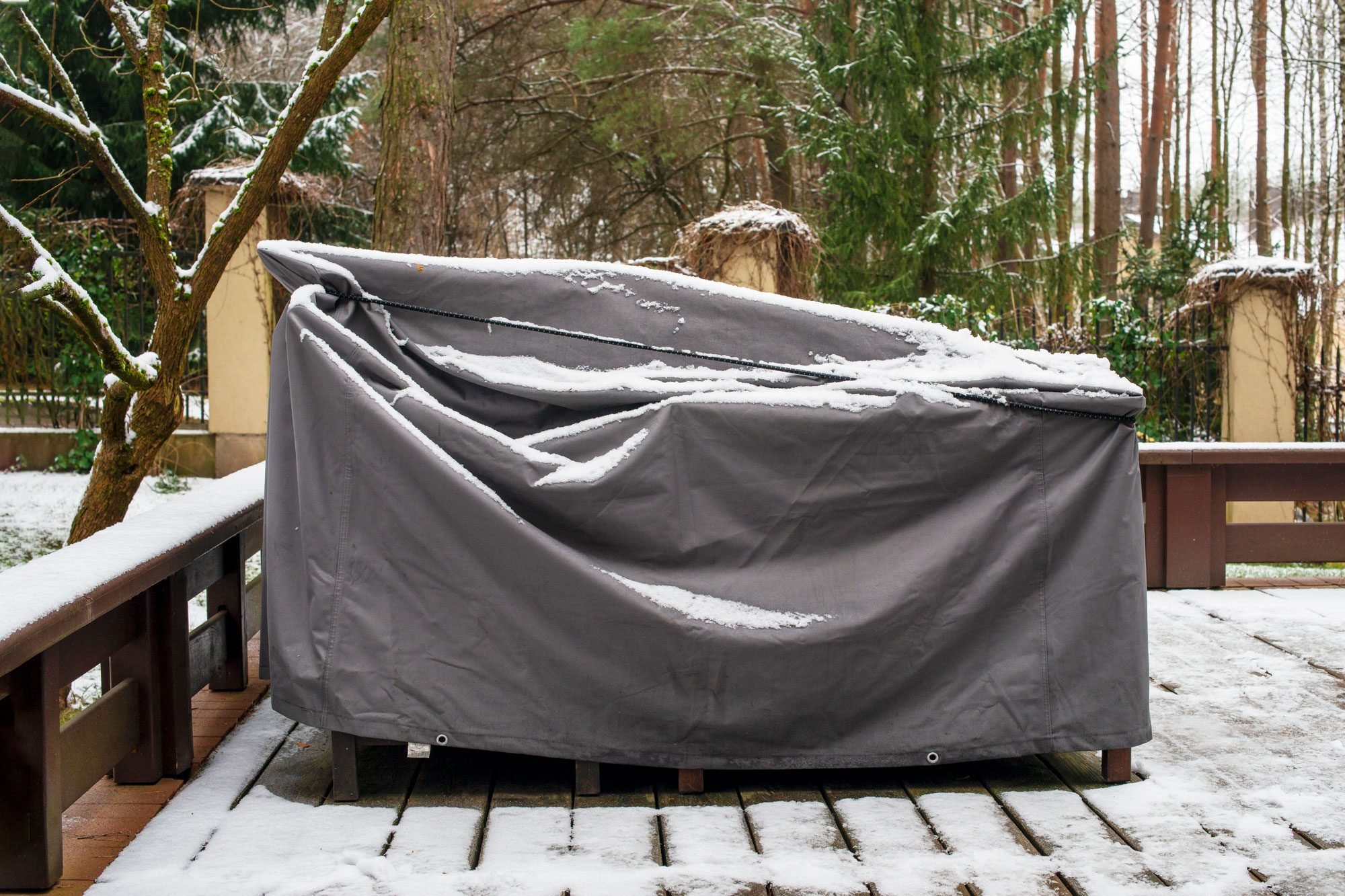
Cover outdoor furniture during winter months. Snow and frost can cause wear and tear. Covers protect against moisture and cold damage. In summer, covers block harsh sun rays. This prevents fading and cracking of materials.
During Harsh Weather Conditions
Use covers when storms or heavy rain are expected. Wind can blow dust and debris onto furniture. Covers act as a shield from dirt and scratches. They also stop water from soaking into cushions and wood.
Extended Periods Of Non-use
Cover furniture if you won’t use it for weeks or months. Dust and insects can settle on uncovered items. Covers keep surfaces clean and dry during storage. This helps avoid stains and mold growth over time.
Credit: www.familyhandyman.com
Tips For Choosing The Right Cover
Choosing the right cover for outdoor furniture protects it from damage and keeps it looking new. A good cover fits well and lasts through different weather conditions. Pay attention to key points before buying a cover to ensure the best protection for your furniture.
Assessing Furniture Material
Different materials need different types of covers. Wood absorbs water and can rot if not protected. A waterproof cover is best for wooden furniture. Metal can rust, so choose a cover that blocks moisture. Plastic and resin furniture often need less protection but still benefit from dust-proof covers. Check your furniture’s material before selecting a cover.
Considering Climate Factors
Climate affects how strong your cover should be. Rainy areas need covers that keep water out completely. Sunny places require covers with UV protection to stop fading and cracking. Windy locations demand covers with secure straps or ties. Think about your local weather before picking a cover.
Budget And Durability
Covers come in many price ranges. More expensive covers often last longer and offer better protection. Look for durable materials like heavy-duty polyester or vinyl. Cheap covers may wear out quickly and tear easily. Balance your budget with the need for a long-lasting cover.
Proper Use And Maintenance Of Covers
Proper use and maintenance of outdoor furniture covers extend the life of both the covers and the furniture. Using covers correctly protects furniture from dirt, sun damage, and rain. Regular care keeps covers strong and effective.
Cleaning And Storage Of Covers
Clean covers regularly to prevent mold and stains. Use mild soap and water for washing. Avoid harsh chemicals that can damage fabric. Let covers dry completely before storing. Store covers in a dry, cool place away from sunlight. Folding covers neatly helps keep them in good shape.
Securing Covers Against Wind
Wind can blow covers off or cause tears. Use straps, ties, or elastic hems to secure covers tightly. Check for loose parts and adjust them often. Heavy-duty covers offer better wind resistance. Properly secured covers stay in place during storms.
Avoiding Moisture Traps
Moisture trapped under covers causes mold and rust. Choose breathable covers that allow air circulation. Avoid wrapping furniture when wet. Lift edges of covers slightly to let air flow. Check furniture regularly for dampness under the cover.
Credit: www.homedepot.com
Alternatives To Covering Furniture
Covering outdoor furniture is common, but not the only choice. Many ways keep furniture safe without plastic or fabric covers. These options protect your furniture and keep it looking good all year.
Using Outdoor Furniture Oils And Sealants
Oils and sealants protect wood and metal from weather damage. They block water and stop rust and rot. Apply these products regularly for best results. They keep your furniture natural and fresh without extra coverings.
Storing Furniture Indoors
Moving furniture inside during harsh weather extends its life. A garage, shed, or basement works well. This avoids sun, rain, and snow damage. Store cushions in dry, cool places to prevent mold and fading.
Selecting Weather-resistant Furniture
Choose furniture made from weather-resistant materials like teak, aluminum, or synthetic wicker. These materials resist rain, sun, and wind better. They need less maintenance and often last longer outdoors. This reduces the need for covers or extra care.
Frequently Asked Questions
Do I Really Need To Cover Outdoor Furniture?
Yes, covering outdoor furniture protects it from weather damage, dirt, and UV rays. Covers extend furniture life and reduce cleaning frequency, keeping your outdoor space neat and inviting.
What Type Of Cover Is Best For Outdoor Furniture?
Choose waterproof, breathable covers made from durable materials like polyester or vinyl. These covers prevent moisture buildup, resist mildew, and shield furniture from sun damage effectively.
How Often Should I Cover Outdoor Furniture?
Cover your furniture whenever it’s not in use, especially during rain, snow, or extreme sun. Regular covering prevents wear and tear, maintaining your furniture’s appearance and durability.
Can I Leave Outdoor Furniture Uncovered In Summer?
Leaving furniture uncovered in summer exposes it to UV rays and dirt, causing fading and damage. It’s best to cover or store furniture to preserve its quality and color.
Conclusion
Covering outdoor furniture helps protect it from sun, rain, and dust. It keeps your furniture looking new longer. Covers save time on cleaning and repairs. Choosing the right cover depends on your climate and furniture type. Regular use of covers prevents damage and wear.
This small step can extend your furniture’s life. Protecting your outdoor space is worth the effort. Keep your furniture ready for use anytime. Simple care makes a big difference outdoors.