
Struggling to make the most of your L-shaped living room? You’re not alone.
Arranging furniture in this unique space can feel tricky, but with the right approach, you can turn it into a cozy, functional haven. Imagine walking into a room that flows perfectly, where every piece of furniture fits just right, and you feel instantly at ease.
You’ll discover simple, practical tips to arrange your furniture so your L-shaped living room looks spacious, inviting, and stylish. Ready to transform your space? Let’s dive in.
Assessing Your Space
Assessing your space is the first step in arranging furniture in an L-shaped living room. Understanding the room’s size and shape helps create a balanced layout. It also ensures the room feels open and comfortable. Start by studying the room carefully before placing any furniture.
Measuring Dimensions
Measure the length and width of each wall in the L-shaped area. Note the size of any doors and windows. Include the height of the room if possible. Write down these numbers to guide your furniture choices. Accurate measurements prevent buying pieces that do not fit.
Identifying Focal Points
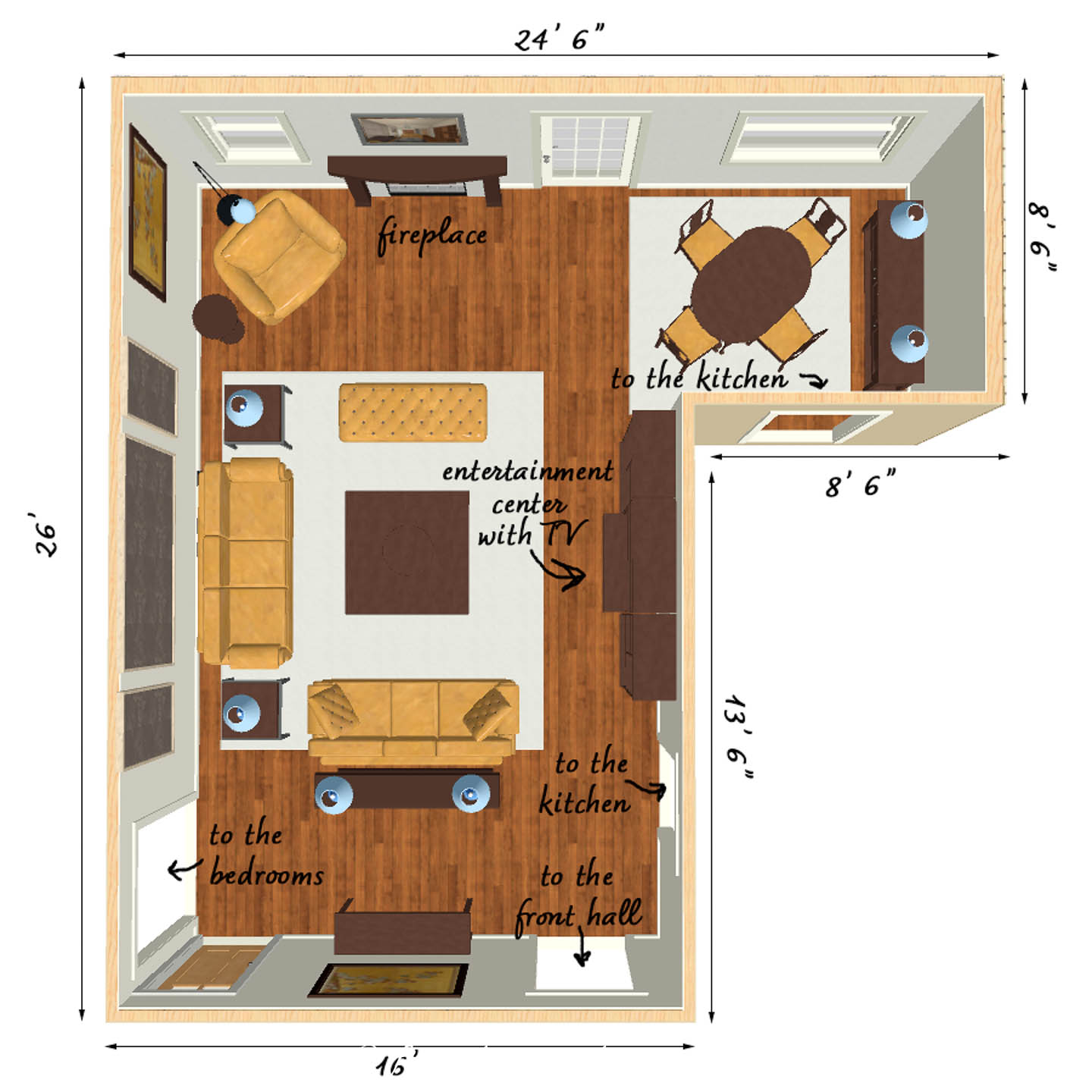
Look for natural focal points like a fireplace or large window. These spots often become the main seating area. Electronics such as a TV also create a focus. Arrange furniture around these points to create harmony. This makes the room inviting and organized.
Considering Traffic Flow
Plan clear paths for walking through the room. Avoid blocking doorways or windows with furniture. Leave space between pieces for easy movement. Proper traffic flow makes the room functional and safe. It also helps the space feel less crowded.
Credit: www.fromhousetohome.com
Choosing The Right Furniture
Choosing the right furniture is key to making an L-shaped living room both functional and inviting. The furniture must fit well within the space. It should create a flow that invites movement without crowding the room.
Consider the size, style, and purpose of each piece. This helps keep the room balanced and comfortable. Smart choices make the most of the unique shape of the room.
Selecting Scaled Pieces
Pick furniture that fits the room’s scale. Large, bulky pieces can overwhelm an L-shaped space. Smaller, streamlined furniture keeps the room open and airy.
Measure the room before buying. Choose sofas and chairs that don’t block pathways. Scaled pieces help maintain a smooth flow around corners and angles.
Incorporating Multifunctional Items
Use furniture that serves more than one purpose. A storage ottoman can double as seating and a place to keep blankets. A sofa bed offers extra sleeping space for guests.
Multifunctional pieces save space and add value. They keep the room tidy and practical without extra clutter.
Balancing Comfort And Style
Comfort matters as much as looks. Choose soft cushions and supportive seating. The furniture should invite relaxation after a long day.
Match colors and textures to the room’s vibe. Stylish furniture that feels good creates a welcoming atmosphere. Balance both to enjoy a cozy, beautiful living space.
Layout Strategies
Arranging furniture in an L-shaped living room requires smart layout strategies. The unique shape offers chances to create separate zones for different activities. Thoughtful placement of furniture helps organize the space effectively. It also makes the room feel larger and more inviting.
Zoning Different Areas
Divide the room into distinct zones for various uses. Create a seating area for relaxation and conversation. Use another corner for a small workspace or reading nook. This separation makes the room more functional. It also helps each area feel cozy and purposeful.
Using Furniture To Define Space
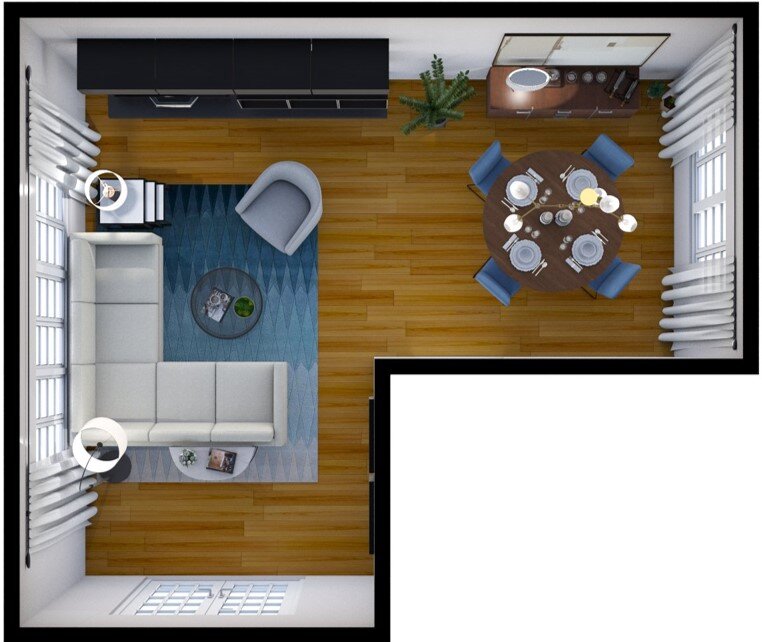
Arrange sofas and chairs to form natural boundaries. A sofa can act as a divider between the living and dining areas. Rugs also help mark each zone clearly. Choose furniture with backs or sides to visually separate spaces. This guides movement and improves flow within the room.
Maximizing Corner Usage
The corner of an L-shaped room is valuable. Place a corner sofa or sectional to use this space well. Add corner shelves or a small table to enhance utility. Avoid leaving corners empty as they waste space. Proper corner use balances the room and adds comfort.
Credit: michaelhelwiginteriors.com
Creating Conversation Areas
Creating conversation areas in an L-shaped living room helps bring people together. It makes the space feel warm and welcoming. Thoughtful furniture placement encourages easy talking and sharing. The goal is to set up spots where friends and family can chat comfortably.
Arranging Seating For Interaction
Place sofas and chairs to face each other. Avoid lining furniture all against the walls. Use the corner of the L-shape to create a cozy nook. Keep seats close enough for easy talking but with enough space to move.
Arrange seats in a semi-circle or square. This layout invites conversation and eye contact. Use smaller sofas or loveseats if the room is tight. Leave walkways clear to avoid crowding the area.
Adding Accent Chairs And Ottomans
Accent chairs add style and extra seating. Place them angled towards the sofa group. Ottomans work as footrests or extra seats. Moveable ottomans offer flexible seating options.
Choose lightweight pieces to keep the room open. Accent furniture fills gaps and balances the layout. Use different shapes and colors to add interest. Make sure all seats face inward for easy chatting.
Utilizing Rugs To Anchor Spaces
Rugs define the conversation zone clearly. Pick a rug that fits under all main seating. It should be large enough to hold the front legs of sofas and chairs.
Rugs add warmth and texture to the room. They help separate the sitting area from other zones. Choose colors and patterns that blend with the furniture. This anchors the space and pulls the look together.
Optimizing Lighting
Lighting shapes the mood and feel of your L-shaped living room. It makes the space inviting and functional. Good lighting also highlights your furniture layout and décor. Use the right mix of lights to brighten corners and cozy spots.
Layering Light Sources
Start with ambient lighting to light the whole room. Use ceiling lights or recessed lights for even brightness. Add task lighting like floor lamps near reading chairs or sofas. Use table lamps on side tables to create warm spots. Layering different lights adds depth and comfort.
Highlighting Key Features
Spotlight art, plants, or architectural details with accent lights. Use small LED spotlights or wall sconces to draw eyes. Highlighting features adds character to your living room. It also breaks the space into interesting zones.
Incorporating Natural Light
Maximize sunlight by keeping windows clear and open. Use light curtains to soften harsh sunlight without blocking it. Arrange furniture to face windows for natural warmth. Natural light makes the room feel larger and fresher.
Credit: www.fromhousetohome.com
Adding Decorative Touches
Adding decorative touches can transform your L-shaped living room. These details create a warm and inviting space. They also show your style and personality. Small elements make a big difference in how the room feels. Choose decorations that fit the shape and size of the room. Keep the look balanced and comfortable. This section guides you through simple ways to add charm and character.
Choosing Art And Accessories
Pick art that matches your room’s mood. Large pieces work well on long walls. Smaller artworks suit corners or narrow spaces. Use frames that match your furniture colors. Accessories like vases, books, and candles add interest. Place them on shelves or side tables. Avoid cluttering the space. Keep the arrangement neat and purposeful.
Incorporating Plants
Plants bring life and freshness to the room. Use tall plants in empty corners to fill space. Small plants look good on shelves or tables. Choose easy-care plants if you are new to gardening. Greenery softens hard lines and adds color. Group plants of different heights for visual appeal. Natural elements make the room feel calm and cozy.
Balancing Color And Texture
Mix colors that complement your furniture and walls. Use soft pillows, rugs, and throws to add texture. Textured fabrics create comfort and depth. Avoid too many bright colors that overwhelm the space. Stick to a simple palette with a few accent colors. Balance smooth and rough surfaces for a rich look. This makes your living room inviting and stylish.
Frequently Asked Questions
How To Maximize Space In An L-shaped Living Room?
Maximize space by using multi-functional furniture and placing larger pieces against the longer walls. Use rugs to define zones and keep pathways clear for easy movement.
What Furniture Layout Suits An L-shaped Living Room?
Arrange seating along the two walls forming the L-shape, creating a cozy conversation area. Add a coffee table in the center for functionality and balance.
How To Create Zones In An L-shaped Living Room?
Use furniture placement and rugs to separate zones. For example, position a sofa in one section and a reading nook or workspace in the other.
Which Colors Work Best In L-shaped Living Rooms?
Opt for light, neutral colors to enhance openness. Use accent colors on cushions or art to add interest without overwhelming the space.
Conclusion
Arranging furniture in an L-shaped living room can be simple and fun. Start by dividing the space into zones for different activities. Choose pieces that fit well without crowding. Use rugs and lighting to define each area clearly. Keep walkways open for easy movement.
Small changes make a big difference in how the room feels. Try different layouts until it feels just right. Your living room can be cozy, stylish, and practical all at once. Enjoy creating a space that suits your daily life perfectly.
