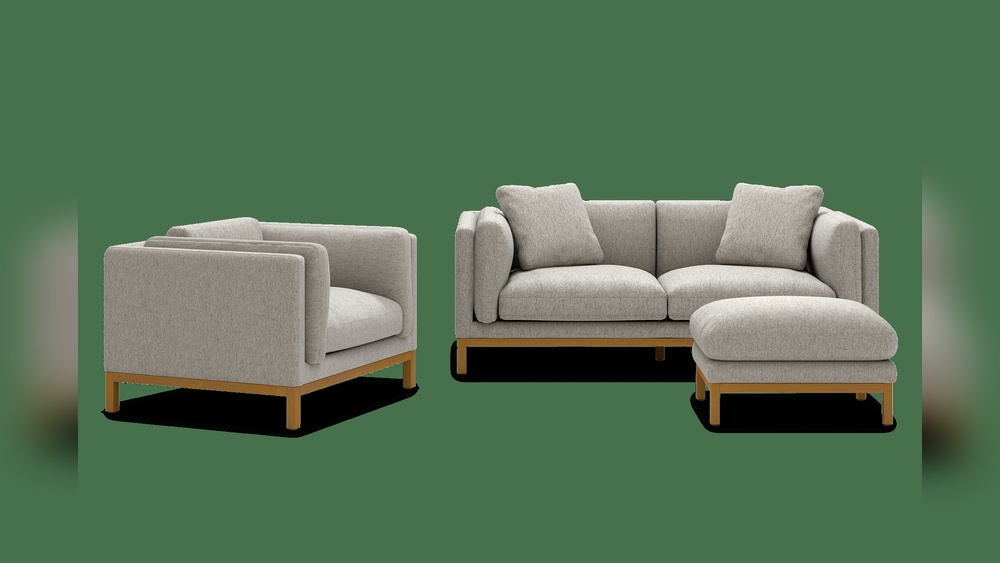
Are you tired of searching for the perfect living room furniture that fits your style and budget? What if you could create your own pieces, made exactly how you want them?
Making your own living room furniture is easier than you think. Not only do you get unique items, but you also enjoy the pride of crafting something with your own hands. In this guide, you’ll discover simple steps and tips to build furniture that truly reflects your personality.
Ready to transform your space and impress everyone who visits? Let’s get started!

Credit: thea2zfurniture.com
Choosing Materials
Choosing the right materials is the first step to make your own living room furniture. The materials affect how your furniture looks and lasts. Good choices help create strong, beautiful pieces. Think about the style you want and how you will use the furniture. Materials must fit your needs and skills.
Wood Types For Furniture
Wood is a popular choice for furniture. It is strong and easy to work with. Softwoods like pine are light and affordable. Hardwoods like oak and maple are very durable. Each wood has a different color and grain. Choose wood that matches your style and budget. Always select dry wood to avoid warping.
Recycled And Upcycled Options
Using recycled wood saves money and helps the environment. Old pallets, doors, or furniture can become new pieces. Upcycling adds character and charm to your furniture. Check for nails or damage before using old wood. Sand and clean it well. This choice is perfect for unique and eco-friendly designs.
Tools You’ll Need
Having the right tools makes building easier. Essential tools include a saw, hammer, screwdriver, and measuring tape. A drill helps with fast and precise holes. Sandpaper smooths rough edges. Safety gear like gloves and goggles protect you. Start with basic tools, then add more as needed.
Simple Sofa Projects
Simple sofa projects are a great way to create cozy and unique furniture. These ideas suit beginners and those with basic tools. You can make a comfortable sofa without spending much money. Building your own sofa allows you to customize size, style, and color. It also brings a sense of pride and accomplishment.
Building A Pallet Sofa
Start with wooden pallets from a local store or warehouse. Sand them well to avoid splinters. Stack pallets to your desired height and secure with screws. Add cushions on top for comfort. Choose weatherproof paint if your sofa stays outside. Pallet sofas have a rustic look and are very sturdy.
Diy Futon Frame
Use simple wood planks to build a futon frame. Cut wood to fit your space. Assemble with screws and wood glue for strength. Sand edges smooth for safety. Paint or stain the frame to match your room. Add a futon mattress for seating and sleeping. This project is practical and saves money.
Cushion And Upholstery Tips
Choose thick foam cushions for better comfort. Cover cushions with durable fabric that is easy to clean. Use a staple gun to attach fabric tightly to wooden frames. Sew removable covers for easy washing. Pick colors and patterns that match your living room. Well-made cushions improve sofa look and feel.
Crafting Coffee Tables
Creating your own coffee table adds a personal touch to your living room. It lets you control style, size, and materials. Crafting a coffee table can be simple and fun. This section covers ideas and tips to build unique tables that fit your space perfectly.
Rustic Wooden Table Ideas
Rustic tables bring warmth and charm to any room. Use reclaimed wood for an eco-friendly option. Rough edges and natural wood grain create a cozy look. Combine wood with metal legs for a modern rustic feel. Simple designs work best for beginners. Sand the wood lightly to keep its natural texture. Rustic tables are sturdy and full of character.
Using Crates And Boxes
Crates and boxes make easy coffee tables. Stack wooden crates or large boxes for a customizable shape. They offer extra storage inside for books or magazines. Paint or stain crates to match your decor. Secure crates together with screws or brackets. Add wheels for mobility. This idea is budget-friendly and practical.
Finishing And Painting Techniques
A good finish protects your table and enhances its look. Use sanding to smooth surfaces before painting or staining. Apply primer for better paint adhesion. Choose matte or glossy paint based on your style. Stain wood to highlight its natural grain. Seal the table with clear varnish for durability. Let each coat dry fully for best results.
Making Shelving Units
Making your own shelving units adds personality to your living room. Shelves help keep your space neat and show off your favorite items. Building shelves is simple and fun. You can fit them to any room size or style.
Choose the right wood and tools. Measure your space carefully. Then follow easy steps to create shelves that last long.
Floating Shelves Diy
Floating shelves look modern and clean. They do not have visible brackets. Start with sturdy wood boards. Sand the edges for a smooth finish. Use strong wall anchors to hold the shelves tight. Paint or stain the wood for a fresh look. Mount the shelves at eye level for best display.
Corner Shelf Designs
Corner shelves use space many ignore. They fit perfectly in room corners. Cut wood to fit the angle of your wall. Use triangular brackets for support. Stack several shelves vertically to save floor space. Corner shelves are perfect for plants, books, and small decor.
Customizing With Paint And Decor
Paint your shelves to match your room colors. Use bright colors to make shelves pop. Add wallpaper or stencils on shelf backs for style. Decorate with baskets, vases, or framed photos. Changing decor often keeps your shelves fresh and fun.
Creating Accent Chairs
Creating accent chairs is a great way to add style and comfort to your living room. These chairs can stand out and match your room’s design. Making your own lets you choose the size, shape, and color. It saves money and gives a personal touch.
Start with a strong and simple frame. Then add soft cushions and fabric covers. Finish with details that show your style. Each step helps make a chair you will enjoy for years.
Simple Frame Construction
Build the frame using sturdy wood like pine or oak. Cut pieces for the seat, back, and legs. Use screws or nails to join parts tightly. Sand edges smooth to avoid splinters. Keep the design basic for easy assembly. A simple frame is strong and lasts long.
Adding Cushions And Covers
Choose foam cushions that fit the seat and back. Cut foam to the right size and thickness. Cover cushions with fabric that feels soft and looks nice. Use a sewing machine or glue to attach covers. Pick colors that match your room’s palette. Cushions make the chair comfortable and inviting.
Decorative Details
Add personality with details like buttons, trims, or nail heads. Paint or stain the wood to match your decor. Use patterns or textures to make the chair unique. Small touches bring charm and style. These details turn a simple chair into a statement piece.
Credit: www.stickley.com
Storage Solutions
Storage solutions help keep your living room neat and organized. They save space and make your room look clean. Building your own furniture with smart storage ideas is a great way to use every corner. You can hide clutter and store items within easy reach.
Built-in Cabinets
Built-in cabinets fit perfectly in your living room walls. They provide lots of storage without taking extra space. You can customize shelves and drawers to match your needs. Use cabinets to store books, electronics, or decorative items. Paint them the same color as your walls for a smooth look.
Under-sofa Storage Ideas
Use the space under your sofa for hidden storage. Build shallow drawers or pull-out boxes under the sofa base. Store blankets, magazines, or toys in these spaces. It keeps things out of sight but easy to access. This idea works well in small living rooms.
Multi-functional Furniture
Multi-functional furniture helps save space and adds storage options. Build a coffee table with storage inside for games or remote controls. Choose ottomans that open to hold extra pillows or books. These pieces serve two purposes and reduce clutter. This makes your living room tidy and comfortable.
Finishing Touches
Finishing touches make your living room furniture look complete and polished. This stage brings out the beauty and protects your hard work. Focus on smooth surfaces, vibrant colors, and fitting details. These steps ensure your furniture lasts and fits your style perfectly.
Sanding And Sealing
Start by sanding your furniture to smooth rough edges. Use fine-grit sandpaper for a gentle finish. Wipe away dust with a clean cloth after sanding. Sealing protects the wood from moisture and dirt. Apply a clear sealant with a brush for even coverage. Let it dry fully before moving on to paint or stain.
Painting And Staining Tips
Choose paint or stain based on your desired look. Use a brush or roller to apply paint evenly. Thin coats dry faster and reduce drips. For staining, apply with a cloth to enhance wood grain. Wipe off excess stain to avoid dark spots. Allow each coat to dry well before adding another. This creates a smooth and lasting finish.
Adding Hardware And Accessories
Hardware adds function and style to your furniture. Pick knobs, handles, or hinges that match your design. Measure carefully before drilling holes for hardware. Attach pieces securely with screws or nails. Accessories like cushions or covers add comfort and color. These small details complete your handmade furniture’s look.

Credit: www.castlery.com
Frequently Asked Questions
What Materials Are Best For Diy Living Room Furniture?
Wood, plywood, and MDF are popular choices for DIY furniture. These materials are durable, easy to work with, and affordable. Choose hardwood for strength and softwood for easier shaping. Use quality screws and glue for sturdy assembly.
How Much Time Does Making Living Room Furniture Take?
Time depends on the furniture type and your skill level. Simple pieces like stools take a few hours. Complex items like sofas may require days. Planning and preparation can speed up the process. Patience ensures better results.
What Tools Do I Need To Build Living Room Furniture?
Basic tools include a saw, drill, measuring tape, and screwdriver. Sandpaper, clamps, and wood glue are also essential. For upholstery, you’ll need fabric, foam, and a staple gun. Safety gear like goggles and gloves is important.
How Can I Ensure My Diy Furniture Is Sturdy?
Use quality materials and follow precise measurements. Secure joints with screws and wood glue. Reinforce corners with brackets if needed. Sand surfaces smooth to avoid splinters. Test stability before use to ensure safety.
Conclusion
Creating your own living room furniture brings joy and pride. You choose the style and colors that fit your space. It saves money and lets you build exactly what you want. Simple tools and materials can make a big difference.
Take your time and enjoy each step of the process. Your home will feel more personal and unique. Crafting furniture yourself is a great way to add warmth and character. Start small, learn, and grow your skills with each project.
Your living room will reflect your creativity and hard work.