Arranging furniture in an oblong living room can feel like a tricky puzzle. You want your space to look balanced and inviting, but the long shape can make it hard to decide where everything should go.
What if your furniture feels cramped at one end or too spread out at the other? Don’t worry—you’re not alone. With the right tips, you can turn your oblong living room into a cozy, stylish space that works perfectly for you.
Keep reading, and you’ll discover simple ways to create flow, maximize comfort, and make your room feel just right.
Assessing The Space
Assessing the space is the first step in arranging furniture in an oblong living room. Understanding the room’s shape and size helps make smart choices. It creates a comfortable and balanced setup. Focus on the room’s dimensions and main features. This sets the foundation for the entire design.
Measuring Dimensions
Measure the length and width of the room carefully. Write down these numbers for easy reference. Also, check the height of the walls. Knowing the exact size helps pick furniture that fits well. Avoid furniture that blocks walkways or feels too large. Space between pieces matters for smooth movement.
Identifying Focal Points
Find the natural focal points in the room. This could be a fireplace, window, or TV wall. Arrange furniture around these spots to create a cozy feel. A clear focus draws attention and adds balance. It guides how you place sofas, chairs, and tables. This makes the room inviting and organized.
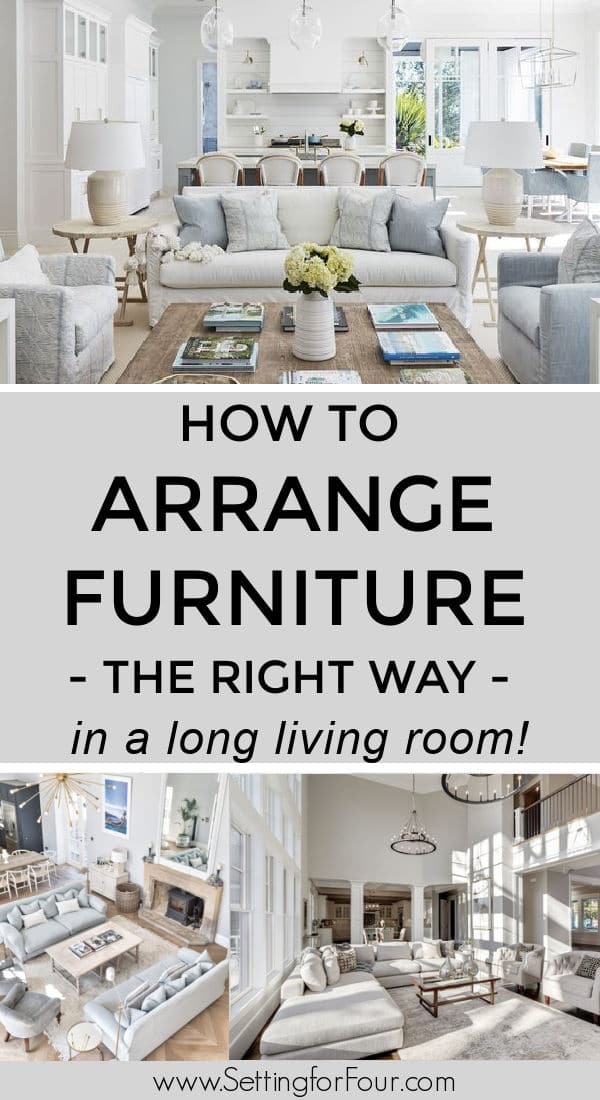
Credit: www.settingforfour.com
Choosing The Right Furniture
Choosing the right furniture is key to making an oblong living room feel balanced and cozy. Large or bulky pieces can make the space feel cramped. Small or awkward furniture may look lost in the room. The goal is to pick pieces that fit the shape and size of the room. Also, furniture should allow easy movement and create a welcoming atmosphere.
Selecting Scaled Pieces
Choose furniture that matches the room’s size. Large sofas can block walkways or dominate the space. Smaller sofas, loveseats, or chairs work better in narrow rooms. Low-profile furniture helps keep the room open and airy. Avoid heavy, bulky tables that crowd the floor. Pick pieces with slim legs or open designs to add lightness. This balance prevents the room from feeling too long or tight.
Multi-functional Furniture Options
Multi-functional furniture saves space and adds value. A storage ottoman can hold blankets and serve as extra seating. Sofa beds offer a place to relax and sleep. Nesting tables provide surface area without taking much room. Choose pieces that do double duty to keep the room organized. This strategy works well in oblong rooms with limited space. It helps maintain comfort and utility without clutter.
Creating Balanced Layouts
Creating balanced layouts in an oblong living room helps the space feel inviting and organized. A well-planned arrangement brings harmony and flow to a long, narrow room. It prevents the room from feeling cluttered or empty. Balance can be achieved in different ways depending on your style and needs.
Symmetry Vs Asymmetry
Symmetry means placing furniture in a mirrored way. For example, two sofas facing each other or matching chairs on both sides of a coffee table. This creates a calm and formal look. It works well in oblong rooms by giving equal weight to both sides.
Asymmetry uses different furniture pieces, but still feels balanced. One side may have a large sofa, the other a mix of smaller chairs and tables. This style feels more casual and dynamic. It adds interest and avoids the room looking too stiff.
Zoning Different Areas
Dividing the room into zones helps use the space better. For example, create a seating area at one end and a reading nook or workspace at the other. Rugs, furniture arrangement, and lighting help define these zones clearly.
Zoning makes the room feel purposeful and cozy. It stops the space from feeling like a long hallway. Each zone should have enough room to move around comfortably.
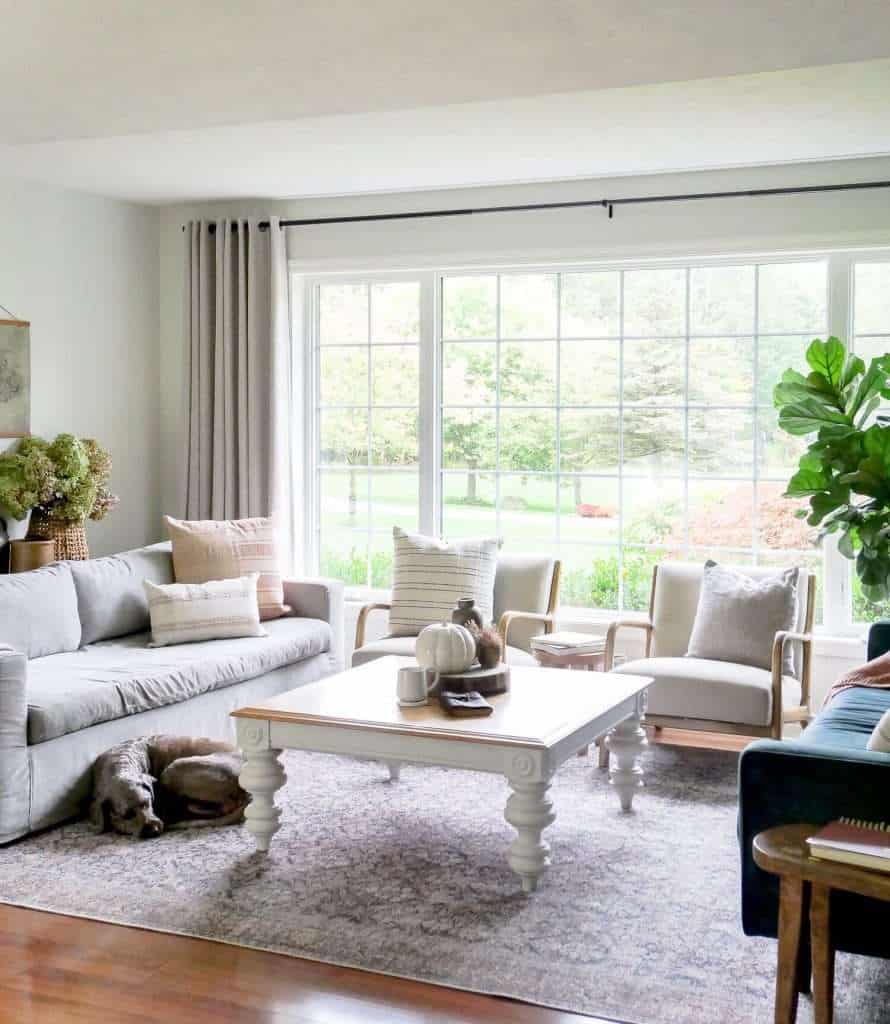
Credit: graceinmyspace.com
Optimizing Traffic Flow
Optimizing traffic flow in an oblong living room makes the space feel open and inviting. Good traffic flow helps people move easily without bumping into furniture. This creates a comfortable and functional room for everyone.
Clear Pathways
Keep pathways wide and straight. Leave at least two feet of space for walking. Arrange furniture along the walls or in small groups. Avoid blocking doors and windows. This keeps the room easy to navigate and bright.
Avoiding Clutter
Choose only essential furniture pieces to prevent crowding. Use storage options like shelves or baskets to hide items. Keep surfaces clean and clear. This makes the room look tidy and spacious.
Using Rugs And Lighting
Using rugs and lighting can change the look and feel of an oblong living room. Rugs help separate areas and make the room cozy. Lighting adds warmth and highlights important spots. Together, they create a balanced and inviting space.
Defining Spaces With Rugs
Rugs can mark different zones in a long living room. Use one large rug under the main seating area. This ties the furniture together and makes it feel like one space. Place smaller rugs near reading corners or near the TV area. Rugs also add color and texture to the room. Choose rugs that fit the size of each area well. Avoid rugs that are too small or too big for the furniture.
Layering Light Sources
Good lighting has layers. Start with ceiling lights for general brightness. Add floor lamps or table lamps near seating areas. These give soft light for reading or relaxing. Use wall sconces or accent lights to highlight art or shelves. Different light levels make the room feel cozy and spacious. Choose warm light bulbs to create a welcoming mood.
Incorporating Vertical Elements
In an oblong living room, using vertical elements helps balance the long space. Vertical pieces draw the eye upward. This creates a feeling of height and openness. It stops the room from feeling narrow or cramped. Choose tall furniture and decorations to add interest and style. Vertical elements break the horizontal stretch and make the space cozy.
Tall Shelving Units
Tall shelving units fit perfectly in oblong rooms. They use vertical space efficiently. Shelves hold books, plants, and decor items. This keeps the floor clear and the room tidy. Place shelving against a long wall to create a visual anchor. Choose slim, tall units to avoid crowding. Open shelves add airiness, while closed cabinets hide clutter. Mixing both styles works well for function and style.
Wall-mounted Decor
Wall-mounted decor lifts the eye and saves floor space. Hang art, mirrors, or vertical panels at different heights. This adds layers and depth to the walls. Mirrors reflect light and make the room feel bigger. Vertical art strips or tall picture frames emphasize height. Avoid hanging all items at the same level. Stagger pieces to create movement and interest. Wall-mounted lights also add vertical lines and improve lighting.
Personalizing Your Space
Personalizing your oblong living room makes it feel like home. It shows your style and creates a warm, inviting space. Small details bring life and comfort to the room. These touches make the long shape feel balanced and cozy.
Adding Art And Accessories
Art adds personality and color to your walls. Choose pieces that speak to you and fit the room’s shape. Use a mix of large and small frames to create interest. Accessories like vases, candles, and books add layers of charm. Place them on shelves or tables to draw the eye.
Mixing Textures And Colors
Different textures make the room feel rich and welcoming. Soft rugs, cozy cushions, and smooth curtains add variety. Mix colors that complement each other but keep the space calm. Use light and dark shades to break the long room’s stretch. These choices create a balanced and friendly atmosphere.
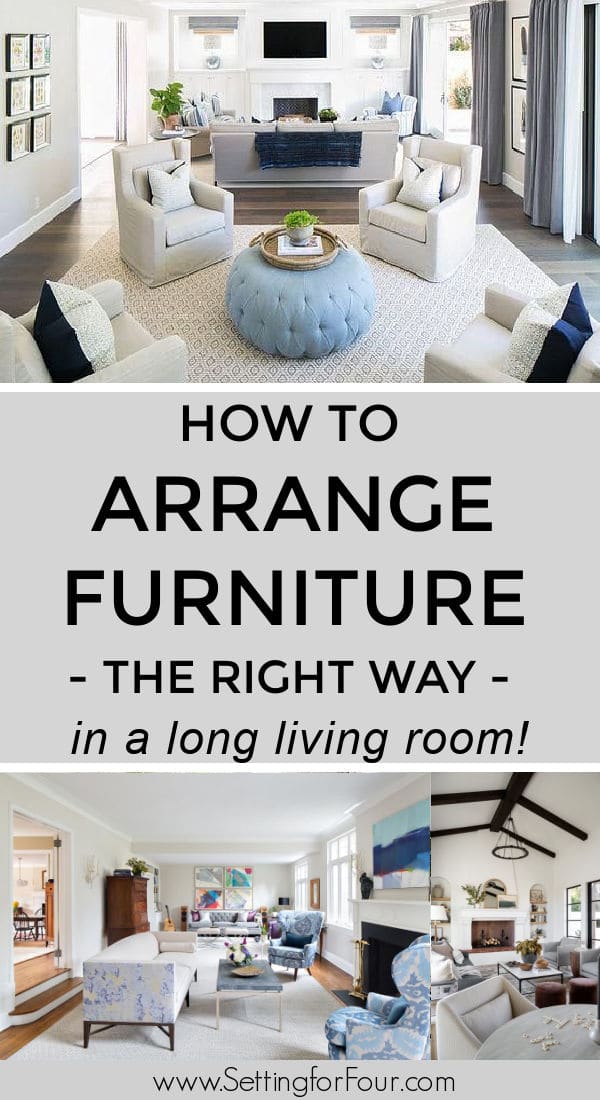
Credit: www.settingforfour.com
Frequently Asked Questions
How To Maximize Space In An Oblong Living Room?
Use multi-functional furniture and arrange pieces along the walls. Create zones with rugs and lighting to define spaces. Keep pathways clear to maintain flow and openness.
What Is The Best Furniture Layout For Oblong Rooms?
Place larger furniture against longer walls and smaller pieces opposite. Use a central focal point like a coffee table or rug. Avoid blocking windows to keep the room bright.
How To Create Balance In An Oblong Living Room?
Distribute furniture evenly on both sides of the room. Mix heights and textures to add visual interest. Use symmetrical decor elements like matching lamps or artwork.
Which Furniture Shapes Suit Oblong Living Rooms Best?
Opt for rectangular or oval-shaped furniture to complement room proportions. Avoid bulky, square pieces that can overcrowd the space. Choose streamlined designs to enhance flow.
Conclusion
Arranging furniture in an oblong living room can feel tricky. Start by defining zones for different activities. Use rugs or lighting to separate spaces. Keep pathways clear to allow easy movement. Choose furniture that fits the shape without crowding. Mirrors and light colors help open the room visually.
Small touches, like plants or cushions, add warmth. With some planning, your living room will feel balanced and inviting. Enjoy creating a space that suits your lifestyle and looks great.