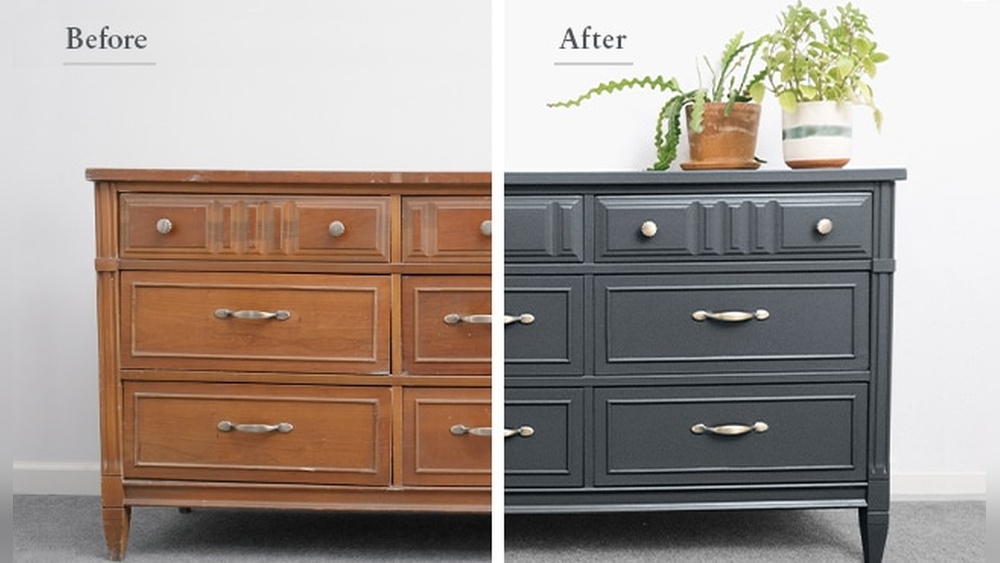
Have you ever looked at your bedroom furniture and wished it had a fresh, new look? Maybe your pieces aren’t made of real wood, and you wonder if painting them is even possible.
You’re not alone. Many people face the same question: can you paint bedroom furniture that isn’t real wood? The good news is, you absolutely can—and doing it right can completely transform your space. You’ll discover simple tips and tricks to help your furniture look stunning, no matter what it’s made of.
Ready to give your bedroom a makeover? Let’s dive in!
Types Of Non-wood Bedroom Furniture
Not all bedroom furniture is made from real wood. Many pieces use other materials to cut costs or add durability. These non-wood options come in different styles and finishes. Knowing their types helps you decide how to paint or refinish them. Understanding the materials and surfaces is key to a good result.
Common Materials Used
Particleboard is popular in budget furniture. It is made from wood chips and glue. MDF, or medium-density fiberboard, is smoother and denser. It holds paint well but can swell with water. Plastic and metal furniture also appear in bedrooms. Plastic is light and easy to clean. Metal frames offer strength but need special paint. Laminate and veneer are thin layers on particleboard. They mimic wood but feel different to touch.
Surface Characteristics
Particleboard feels rough without a finish. It absorbs moisture quickly if not sealed. MDF has a smooth, flat surface but soft edges. It must be primed before painting. Plastic is slick and smooth, so paint may peel. It often requires special primers. Metal is hard and non-porous. It needs rust protection and metal paint. Laminate and veneer surfaces are very smooth and shiny. Paint may not stick without sanding or special primer.
Preparing Furniture For Painting
Preparing furniture for painting is an important step, especially for pieces that are not real wood. Proper preparation helps the paint stick better and last longer. It also prevents peeling and chipping. Taking time to prepare the surface makes your painted furniture look smooth and professional.
Cleaning And Degreasing
Start by cleaning the furniture well. Use a mild soap and water to remove dirt and dust. Grease and oils can stop paint from sticking. Use a degreaser or a mixture of vinegar and water to wipe the surface. Make sure to dry the furniture completely before moving to the next step.
Sanding Techniques
Sanding helps the paint hold on better. Use fine-grit sandpaper to gently roughen the surface. Avoid sanding too hard, especially on veneer or laminate. Sand just enough to remove shine and smooth out any rough spots. Wipe off dust with a damp cloth after sanding.
Priming Options
Priming creates a good base for the paint. Use a primer made for laminate or non-wood surfaces. Apply a thin, even coat with a brush or roller. Let the primer dry fully before painting. This step improves paint adhesion and helps the color look even.
Choosing The Right Paint
Choosing the right paint makes a big difference in your bedroom furniture project. Not all paints work well on furniture that is not real wood. The right paint helps the furniture look great and last longer. It also prevents peeling and cracking.
Paint Types Suitable For Non-wood
Look for paints made for laminate, MDF, or plastic surfaces. Acrylic latex paint works well on many non-wood materials. It dries fast and cleans up easily with water. Chalk paint is another option. It sticks well and gives a matte finish. Spray paint made for plastic can cover tricky spots evenly. Always check the label to ensure the paint fits your furniture material.
Color Selection Tips
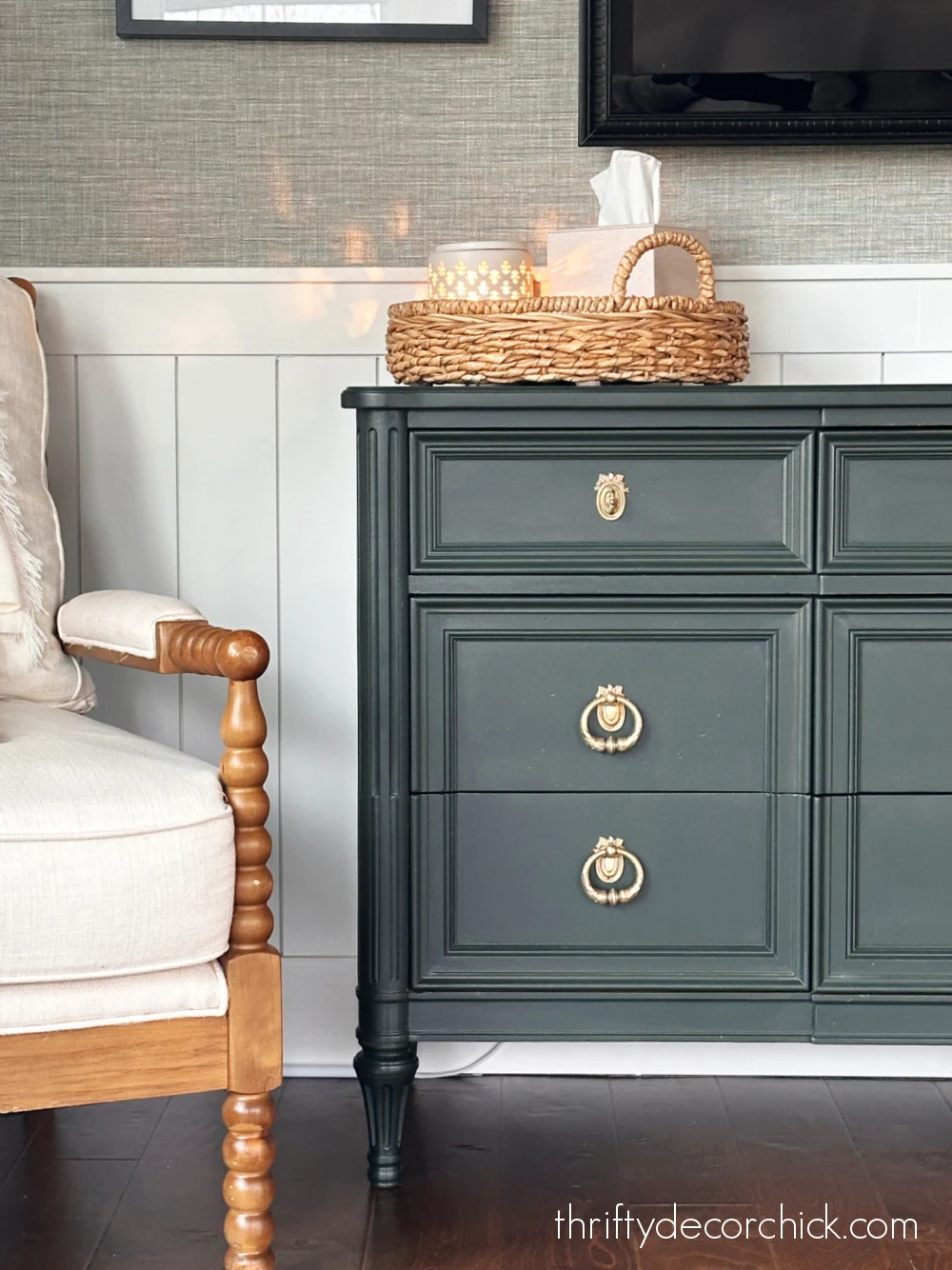
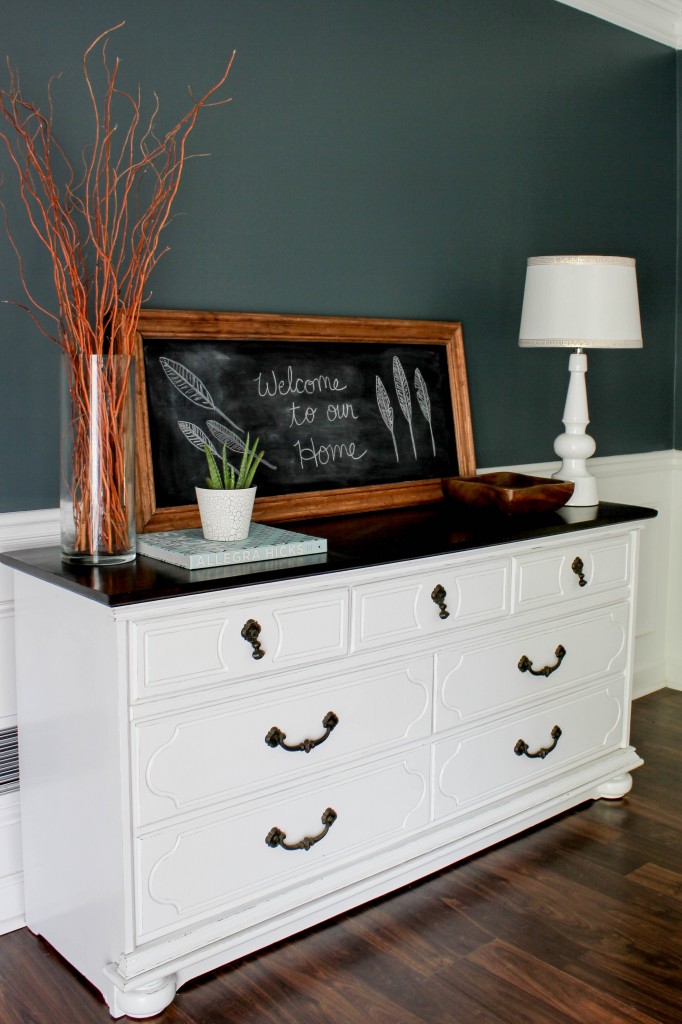
Choose colors that match your room’s style. Light colors make small rooms feel bigger. Dark colors add warmth and a cozy feel. Think about the furniture’s use. Bright colors work well for kids’ rooms or fun spaces. Neutral shades suit classic or calm bedrooms. Test a small area first to see the color under your room’s light.
Finishes And Textures
The finish changes how the paint looks and feels. Matte finishes hide imperfections but can be less durable. Satin or eggshell finishes shine softly and clean easily. Glossy finishes are shiny and strong but show scratches more. Textured paints add a unique look and hide flaws well. Pick a finish that fits your style and how much wear the furniture gets.
Credit: www.thriftydecorchick.com
Painting Techniques For Durable Results
Painting bedroom furniture that is not real wood can refresh its look and style. Achieving a durable finish means using the right techniques. Careful preparation and proper painting methods help the paint last longer. This section explains how to get strong, lasting results on non-wood furniture.
Brush Vs. Spray Methods
Choosing between brush and spray painting affects the final look and durability. Brushes allow detailed work and control on edges. They work well for small areas and intricate designs. Sprayers cover large surfaces quickly and evenly. They give a smooth, professional finish without brush marks. Spraying needs more preparation to avoid mess and overspray. Pick the method that suits your furniture size and your skill level.
Layering And Drying
Applying paint in thin layers improves strength and appearance. Thick coats can drip and crack over time. Let each layer dry fully before adding the next. This prevents smudges and uneven surfaces. Light sanding between layers makes the paint stick better. Multiple layers build a tough, even surface that resists chips and scratches.
Avoiding Common Mistakes
Skipping primer causes poor paint adhesion and peeling later. Always use a primer made for non-wood surfaces. Paint in a dust-free, well-ventilated space to avoid dirt settling on wet paint. Don’t rush drying times; patience prevents damage. Use painter’s tape to protect areas you don’t want painted. Clean your brushes or sprayers right after use to keep them in good shape.
Sealing And Protecting Painted Furniture
Sealing and protecting painted furniture is a key step for lasting beauty and durability. This step shields the paint from scratches, moisture, and daily wear. It also enhances the furniture’s look with a smooth, polished finish.
Choosing the right sealant depends on the furniture’s use and where it will be placed. A good topcoat keeps the paint strong and vibrant. It also makes cleaning easier and protects against stains.
Topcoat Options
Polyurethane is a popular topcoat for durability. It creates a hard, protective layer that resists scratches and water. Water-based polyurethane dries fast and has low odor. Oil-based versions last longer but take more time to dry.
Polycrylic offers a clear, non-yellowing finish. It works well on light colors and is easy to clean. It is less durable than polyurethane but still protects well against daily wear.
Wax can give furniture a soft, matte look. It is easy to apply but needs reapplication over time. Wax works best on pieces that won’t see heavy use.
Maintenance Tips
Dust painted furniture regularly with a soft cloth. Avoid harsh chemicals that can damage the finish. Use mild soap and water for cleaning. Dry the surface immediately after cleaning to prevent moisture damage.
Check the furniture for chips or scratches. Touch up paint and reseal spots as needed. Avoid placing furniture in direct sunlight to prevent fading. Use coasters or pads to protect surfaces from heat and spills.
Credit: www.erinspain.com
Creative Ideas To Enhance Bedroom Furniture
Painting bedroom furniture that is not real wood opens up many creative possibilities. You can change the look of old pieces without much effort. Simple techniques make furniture unique and stylish. These ideas help refresh your bedroom on a budget. They add personality and charm to plain surfaces.
Stenciling And Patterns
Stenciling adds beautiful designs to flat furniture surfaces. Choose shapes like flowers, stars, or geometric patterns. Use painter’s tape to hold the stencil in place. Lightly dab paint over the stencil for a clean design. Repeat the pattern across drawers or cabinet doors. Patterns create a playful or elegant look. They work well on dressers, nightstands, and headboards.
Distressing And Antiquing
Distressing gives furniture a worn, vintage appearance. Sand edges and corners gently after painting. This reveals the base color or material underneath. Antiquing uses a glaze or dark wax over paint. Wipe off excess to highlight details and texture. These techniques add character and warmth. Perfect for shabby chic or rustic bedroom styles.
Troubleshooting Painting Challenges
Painting bedroom furniture that is not real wood can bring fresh style to your room. Yet, this task often comes with some challenges. Problems like peeling paint and uneven surfaces can spoil your work. Knowing how to handle these issues helps you get a smooth and lasting finish. Here are simple fixes for common painting problems.
Peeling And Chipping Fixes
Peeling paint happens when the surface is dirty or not prepped well. Start by cleaning the furniture with soap and water. Let it dry completely. Next, lightly sand the areas where paint peels or chips. This helps the new paint stick better.
Use a primer made for non-wood surfaces. It creates a strong base for the paint. Apply thin coats of paint instead of one thick layer. Thin layers dry faster and peel less. Let each coat dry fully before adding another.
Dealing With Uneven Surfaces
Uneven surfaces make paint look rough and patchy. Sand the furniture gently to smooth bumps and scratches. Fill deep dents or holes with wood filler or putty. After the filler dries, sand again until smooth.
Use a high-quality primer to cover imperfections. Primer helps paint cover better and hides flaws. Apply paint in even strokes. Use a small roller or brush for best results. Patience during prep leads to a flawless finish.

Credit: realitydaydream.com
Frequently Asked Questions
Can You Paint Bedroom Furniture Without Real Wood?
Yes, you can paint bedroom furniture made from MDF, laminate, or veneer. Proper surface preparation and primer ensure good paint adhesion and durability.
What Primer Works Best For Non-wood Furniture?
Use a bonding primer or shellac-based primer. These primers stick well to slick surfaces like laminate and veneer, preventing paint peeling.
How Do You Prep Non-wood Furniture For Painting?
Clean the surface thoroughly, sand lightly for better grip, and apply a suitable primer before painting. This ensures smooth, long-lasting results.
Is Painting Non-wood Furniture Durable?
When properly prepped and sealed, painted non-wood furniture can be durable. Use quality paint and a protective topcoat to extend its life.
Conclusion
Painting bedroom furniture that is not real wood can refresh your space. Choose the right paint and prep the surface well. This helps the paint stick and last longer. Small steps make a big difference in the final look. Try different colors to match your style.
Even old furniture can look new again. Painting is affordable and fun to do yourself. Enjoy the change and make your room feel cozy.

