Are you wondering if polyurethane is the right choice to protect your outdoor furniture? You want your patio pieces to stay beautiful and last through sun, rain, and all kinds of weather.
But is polyurethane tough enough for the job? You’ll discover how polyurethane works on outdoor furniture, what benefits it offers, and important tips to get the best results. Keep reading to find out how to keep your outdoor furniture looking great season after season.
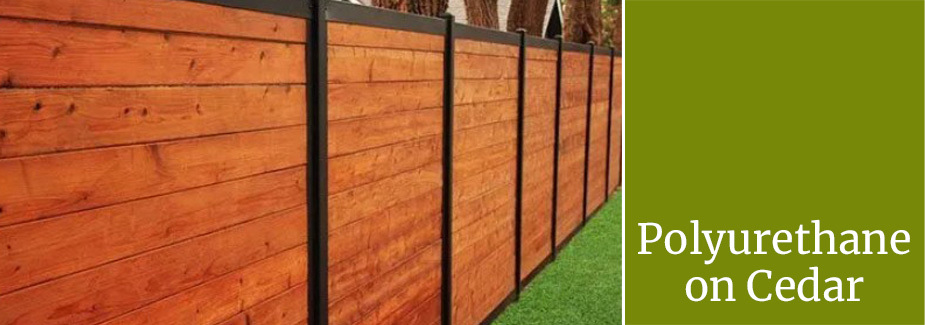
Credit: outdoorfurnitureplus.com
Benefits Of Polyurethane For Outdoor Furniture
Polyurethane offers many benefits for outdoor furniture. It creates a strong, protective layer that helps furniture last longer. This coating keeps wood and other materials safe from damage. Using polyurethane improves the furniture’s look and strength.
This section explains the key benefits of polyurethane for outdoor use. These include protection from weather, UV rays, and water.
Durability Against Weather
Polyurethane forms a tough shield on furniture surfaces. It guards against rain, wind, and temperature changes. This protection prevents cracking, warping, and splitting. Outdoor furniture stays in better shape for years.
Resistance To Uv Rays
Sunlight can fade and weaken outdoor furniture. Polyurethane blocks harmful UV rays. This keeps colors bright and wood strong. Furniture looks fresh and new despite long sun exposure.
Waterproof Qualities
Water can cause rotting and swelling in wood. Polyurethane creates a waterproof barrier. It stops moisture from soaking into the material. This keeps furniture dry and avoids water damage.

Credit: www.dutchcrafters.com
Types Of Polyurethane Suitable For Outdoors
Choosing the right polyurethane is key for protecting outdoor furniture. Polyurethane shields wood from sun, rain, and wear. Not all types work well outside. Some handle moisture and sunlight better than others. Understanding each type helps pick the best one for your furniture.
Oil-based Polyurethane
Oil-based polyurethane offers strong protection. It creates a thick, durable layer on wood. This type resists water and scratches well. It gives wood a warm, amber tone. Drying time is slower, but the finish lasts long. Great for heavy-use outdoor furniture.
Water-based Polyurethane
Water-based polyurethane dries fast and has low odor. It keeps wood’s natural color without yellowing. This type is less toxic and easier to clean. It protects against moisture and sunlight effectively. Ideal for light to medium outdoor use.
Spar Urethane For Flexibility
Spar urethane is made for outdoor wood. It stays flexible as wood expands and shrinks. This prevents cracking and peeling over time. Spar urethane also blocks UV rays to avoid fading. Perfect for furniture exposed to sun and rain.
Preparing Outdoor Furniture For Polyurethane
Preparing outdoor furniture for polyurethane is a key step to ensure long-lasting protection. Proper preparation helps the finish stick well and prevents peeling or cracking. Clean, smooth, and dry surfaces allow polyurethane to form a strong barrier against weather damage. Taking time to prepare your furniture correctly makes the final result look better and last longer.
Cleaning And Sanding Surfaces
Start by cleaning the furniture thoroughly. Remove dirt, dust, and old finishes using mild soap and water. Use a soft brush or cloth to avoid scratching the wood. Let the furniture dry completely before moving to sanding.
Sanding smooths the surface and removes rough spots. Use fine-grit sandpaper, around 220 grit, to avoid deep scratches. Sand along the wood grain for the best results. Wipe away dust with a tack cloth or damp rag after sanding.
Choosing The Right Environment
Apply polyurethane in a well-ventilated area to avoid fumes buildup. Avoid windy or dusty places that can spoil the finish. Choose a dry day with temperatures between 65°F and 75°F (18°C to 24°C). High humidity or cold weather slows drying and affects adhesion.
Selecting Proper Tools
Use a high-quality brush or foam applicator for smooth application. Synthetic brushes work well with oil-based and water-based polyurethane. Avoid cheap brushes that leave streaks or bristles behind. Have clean rags handy for wiping off excess or spills.
Application Techniques For Best Results
Applying polyurethane on outdoor furniture needs care and the right methods. Proper techniques help the finish last longer and protect the wood well. Use these tips to get the best results and keep your furniture looking great.
Applying Thin, Even Coats
Use a brush or foam applicator for smooth application. Apply thin coats to avoid drips and bubbles. Spread the polyurethane evenly across the surface. Thin layers dry faster and protect better. Take your time to cover all areas without overloading the brush.
Drying And Curing Times
Let each coat dry completely before the next one. Drying can take several hours depending on weather and product. Avoid touching or using the furniture during this time. Curing may take days for full hardness. Patience improves the finish’s durability and shine.
Sanding Between Coats
Lightly sand the surface after each coat dries. Use fine-grit sandpaper to smooth out rough spots. This step helps the next coat stick better. Clean off dust before applying the next layer. Sanding ensures a smooth, professional-looking finish on your furniture.
Maintenance Tips For Polyurethane-coated Furniture
Maintaining polyurethane-coated outdoor furniture keeps it looking fresh and strong. Proper care protects the finish and extends the life of the wood. Follow simple steps to avoid damage from dirt, moisture, and sun exposure. Regular upkeep also helps prevent costly repairs later.
Regular Cleaning Methods
Use a soft cloth or sponge with mild soap and water. Gently wipe the surface to remove dust and dirt. Avoid harsh chemicals or abrasive scrubbers that can damage the finish. Rinse with clean water and dry with a soft towel. Clean your furniture weekly during heavy use seasons.
Touch-up Procedures
Inspect your furniture for small scratches or worn areas often. Lightly sand the damaged spot with fine-grit sandpaper. Apply a thin layer of polyurethane with a brush or cloth. Let it dry completely before using the furniture again. Repeat as needed to keep the finish smooth and even.
Seasonal Care Advice
Move furniture indoors or cover it during harsh weather. Use breathable furniture covers to prevent moisture buildup. Apply a fresh coat of polyurethane before winter for extra protection. Check for cracks or peeling in spring and repair right away. Store cushions separately to avoid mildew and stains.
Common Mistakes To Avoid
Using polyurethane on outdoor furniture can protect it well. But some mistakes reduce its effectiveness. Avoid these common errors to keep your furniture safe and looking good longer.
Simple steps make a big difference in the finish and durability of your outdoor pieces.
Applying Too Thick Layers
Thick coats of polyurethane may look like they protect better. Thick layers take longer to dry and can peel or crack. Thin, even coats dry faster and last longer. Apply several thin layers instead of one thick coat.
Ignoring Weather Conditions
Weather affects how polyurethane dries and sticks. High humidity or cold temperatures slow drying and cause a sticky finish. Work on dry, warm days for the best results. Avoid using polyurethane before rain or strong wind.
Using The Wrong Polyurethane Type
Not all polyurethane works well outside. Oil-based types last longer but take more time to dry. Water-based types dry fast but may not protect as well. Choose a polyurethane made for outdoor use to ensure durability and protection.
Alternative Finishes For Outdoor Furniture
Outdoor furniture needs special care to last long. Polyurethane is a choice, but not the only one. Many alternative finishes provide strong protection and keep furniture looking great.
These finishes protect wood from sun, rain, and wear. They also help keep the natural beauty of the wood. Understanding these options helps you pick the best finish for your furniture.
Exterior Varnish Options
Exterior varnishes are made for outdoor use. They form a hard, clear coat that protects wood from moisture and UV rays. These varnishes last longer than indoor types. Some have a slight tint to enhance wood color. They resist cracking and peeling in harsh weather. Reapplying every few years keeps furniture well-protected.
Teak Oil And Other Oils
Teak oil and other natural oils soak into wood deeply. They nourish the wood and prevent drying out. These oils help maintain wood’s rich color and grain. They do not create a hard surface like varnish. Oils need more frequent application, about every six months. They offer a warm, natural look many people prefer.
Paints And Stains
Paints cover wood fully and come in many colors. They provide strong protection against sun and water. Paint hides wood grain but lasts long outdoors. Stains soak into wood and add color without hiding grain. Stains protect while showing wood’s natural texture. Both need regular touch-ups to maintain their look and protection.
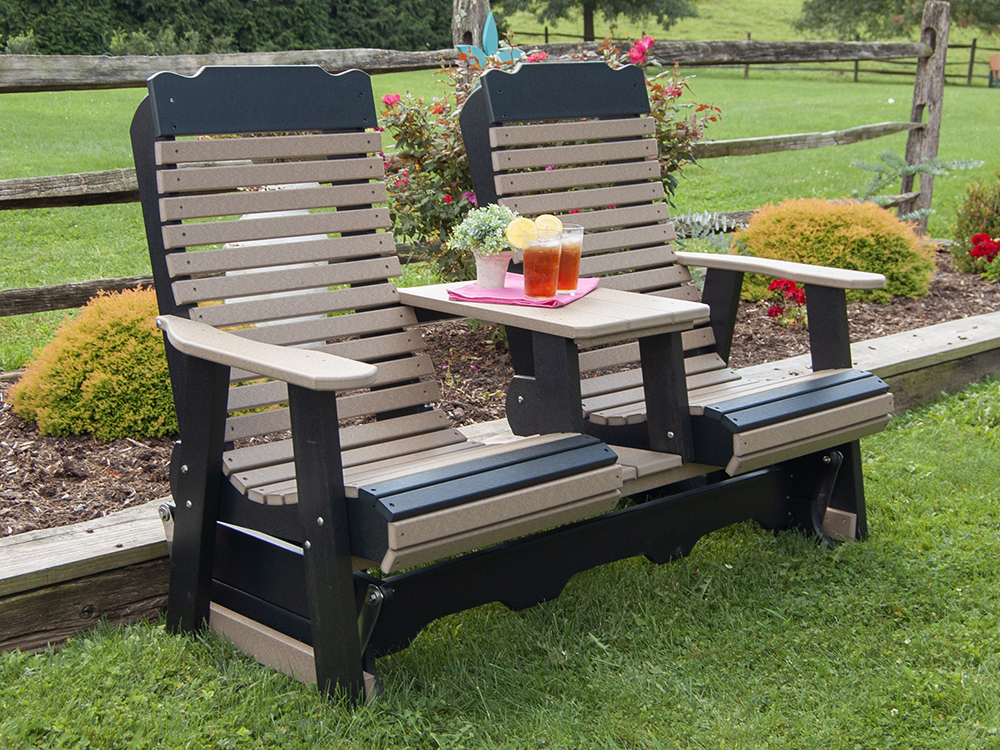
Credit: www.pinecreekstructures.com
Frequently Asked Questions
Can Polyurethane Protect Outdoor Furniture From Weather?
Yes, polyurethane provides a durable, waterproof layer that shields outdoor furniture from rain, sun, and humidity damage effectively.
Is Oil-based Or Water-based Polyurethane Better Outdoors?
Oil-based polyurethane offers stronger protection and durability for outdoor furniture compared to water-based versions, which dry faster but wear quicker.
How Often Should Polyurethane Be Reapplied Outdoors?
Reapply polyurethane every 1-2 years, depending on exposure and wear, to maintain optimal protection and appearance on outdoor furniture.
Can Polyurethane Cause Outdoor Furniture To Yellow?
Oil-based polyurethane may yellow over time, especially in sunlight, while water-based versions stay clear but may be less durable outdoors.
Conclusion
Using polyurethane on outdoor furniture protects it from weather damage. It creates a strong, clear finish that lasts long. Apply it carefully and let each coat dry well. This helps keep your furniture looking good and sturdy. Choose the right type of polyurethane for outdoor use.
Regular maintenance will extend the life of your pieces. This simple step saves money on repairs or replacements later. Your furniture stays beautiful through sun, rain, and wind. A small effort brings big benefits to your outdoor space.