Are you tired of your old outdoor plastic furniture looking dull and faded? You might be wondering, “Can I paint outdoor plastic furniture to give it a fresh, new look?”
The good news is, yes—you can! But there are some important tips and tricks you need to know to make sure the paint sticks well and lasts through weather changes. Keep reading, and you’ll discover how to transform your plastic furniture into something vibrant and inviting, saving money and boosting your outdoor space’s style.
Don’t miss out on these simple steps that can make a big difference!
Credit: fusionmineralpaint.com
Choosing The Right Paint
Choosing the right paint is key for a good finish on outdoor plastic furniture. The paint must stick well and resist weather changes. Picking the correct type of paint extends the life of your furniture and keeps it looking fresh.
Not all paints work on plastic. Some peel or chip quickly outdoors. Knowing the types of paint and finishes helps you make the best choice.
Types Of Paint For Plastic
Spray paint designed for plastic works best. It bonds tightly and covers evenly. Acrylic paint is another good option. It is water-based and safe for plastic surfaces.
Oil-based paints can also work but may take longer to dry. Look for paints labeled for plastic or outdoor use. These paints handle sun, rain, and temperature changes.
Best Brands To Use
Several brands offer reliable paint for plastic furniture. Krylon and Rust-Oleum are popular for spray paints. They create a smooth, durable finish on plastic surfaces.
FolkArt and Apple Barrel make good acrylic paints. These brands provide vibrant colors and lasting coverage. Check user reviews to find paints that resist fading and peeling.
Paint Finishes Explained
Paint finishes affect the look and durability of your furniture. Matte finish gives a smooth, non-shiny look. It hides surface flaws well but may show dirt.
Satin finish has a soft sheen. It balances shine and durability. Glossy finish is very shiny and easy to clean. It shows scratches more but stands up well to weather.
Choose a finish that fits your style and outdoor needs. A satin finish often works best for outdoor plastic furniture.
Preparing Plastic Furniture
Preparing plastic furniture for painting is a key step. It helps paint stick well and last longer outdoors. Proper preparation stops peeling and fading caused by weather.
Start with cleaning, then sanding, and finally priming. Each step makes the surface ready to hold paint firmly.
Cleaning And Drying
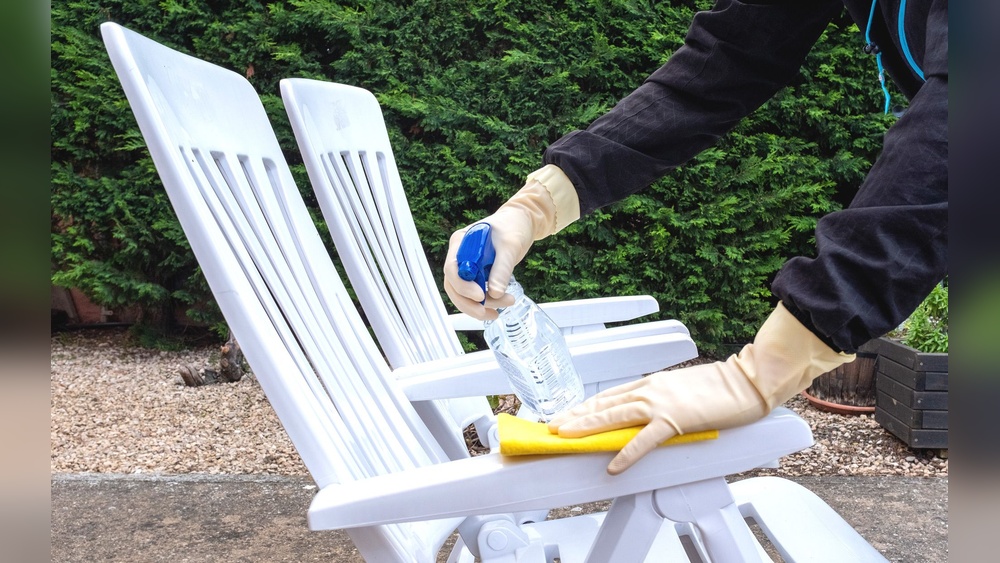
Clean the furniture thoroughly to remove dirt and grease. Use mild soap and warm water. Scrub gently with a soft brush or cloth.
Rinse well to remove soap residue. Let the furniture dry completely. Drying prevents paint from bubbling or peeling later.
Sanding Techniques
Sanding roughens the smooth plastic surface. Use fine-grit sandpaper, around 220 grit.
Sand all areas evenly. This helps paint grip better. Wipe off dust with a damp cloth after sanding.
Priming The Surface
Apply a primer made for plastic surfaces. It improves paint adhesion and durability.
Use a brush or spray primer for even coverage. Let the primer dry as per instructions before painting.
Painting Techniques
Painting outdoor plastic furniture can give it a fresh, new look. The right painting techniques make a big difference. Proper methods help the paint stick well and last longer. This section explains key painting techniques for plastic furniture.
Spray Vs. Brush Painting
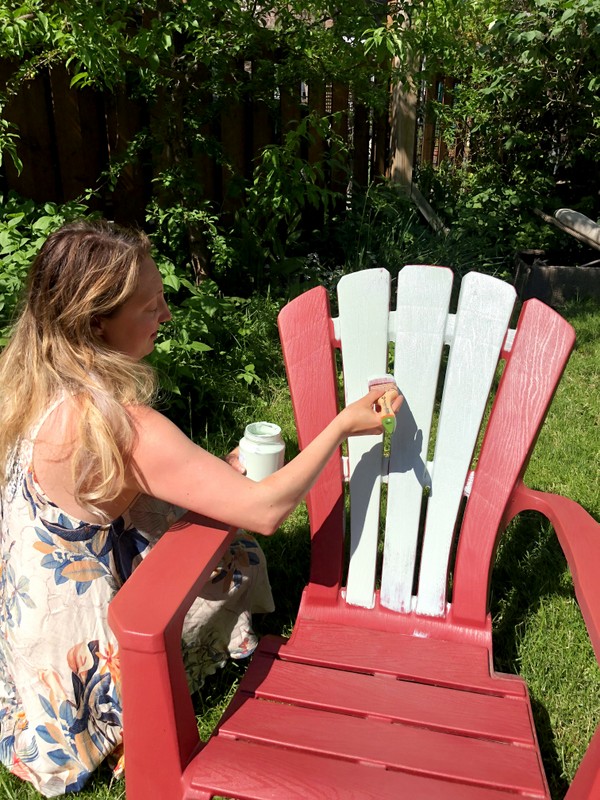
Spray painting covers large areas quickly. It gives a smooth, even finish without brush marks. Spray paint works best for curved or detailed furniture parts. Brush painting allows more control on small areas or edges. It is good for touch-ups and hard-to-reach spots. Choose spray paint for speed and coverage. Use a brush for precision and detail.
Applying Even Coats
Apply thin, even coats of paint. Thick layers can drip or peel. Hold the spray can or brush about 8-12 inches from the surface. Use steady, sweeping motions. Let each coat dry before applying the next. Multiple thin coats build a strong, smooth finish. Avoid heavy paint buildup for a clean look.
Drying And Curing Time
Allow paint to dry fully between coats. Drying time depends on paint type and weather conditions. Usually, it takes 15-30 minutes for each coat to dry. Curing is the process where paint hardens completely. Curing can take up to 24-48 hours. Avoid using the furniture until curing finishes. Proper curing ensures paint stays durable outdoors.

Credit: www.tastefullyeclectic.com
Maintaining Painted Furniture
Painting outdoor plastic furniture is a great way to refresh its look. Maintaining the paint helps keep the furniture looking good for longer. Proper care protects the paint from fading and peeling. It also keeps the furniture safe from weather damage. Follow simple steps to maintain your painted plastic furniture easily.
Protective Sealants
Sealants add a strong layer over the paint. They protect against water, sun, and scratches. Use a clear outdoor sealant made for plastic surfaces. Apply it evenly with a brush or spray. Let the sealant dry fully before using the furniture. Reapply every year to keep the protection strong.
Cleaning Painted Surfaces
Clean painted furniture gently to avoid damage. Use a soft cloth or sponge with mild soap and water. Avoid harsh chemicals or scrubbing pads that can remove paint. Rinse with clean water and dry with a soft towel. Regular cleaning prevents dirt buildup and keeps colors bright.
Touch-up Tips
Small chips or scratches can be fixed easily. Keep extra paint from the original job for touch-ups. Lightly sand the damaged area before applying paint. Use a small brush to cover the spot carefully. Let it dry completely to blend with the rest of the surface.
Common Mistakes To Avoid
Painting outdoor plastic furniture can refresh its look and extend its life. Avoid mistakes that ruin your work or cause paint to peel. Learn common errors to keep your project smooth and lasting.
Skipping Preparation
Preparation is key for paint to stick well on plastic. Do not paint without cleaning dirt and grease first. Lightly sanding the surface helps paint grip better. Skipping these steps leads to peeling and flaking paint.
Using The Wrong Paint
Not all paints work on plastic furniture. Use paint made for plastic or outdoor use. Regular paint may crack or fade quickly. Choosing the right paint ensures durability and good finish.
Painting In Poor Conditions
Paint dries best in mild, dry weather. Avoid painting in rain, high humidity, or very cold temperatures. Poor conditions cause uneven drying and bubbles. Pick a calm, warm day for the best results.

Credit: thevanderveenhouse.com
Creative Ideas For Outdoor Plastic Furniture
Outdoor plastic furniture can look fresh and new with a little creativity. Painting gives a chance to personalize and brighten up dull pieces. Simple ideas can change the whole look and feel of your outdoor space.
Different colors, patterns, and themes make plastic furniture stand out. These creative touches make your furniture unique and inviting. Let’s explore some easy ideas to make your outdoor plastic furniture shine.
Color Combinations
Choose colors that match your garden or patio style. Bright colors like teal, yellow, or red add energy. Soft pastels create a calm, cozy space. Pair two or three colors for a balanced look. Use contrasting colors for a bold style. Test small areas first to see how colors look in sunlight.
Adding Patterns And Designs
Patterns bring personality to plain plastic furniture. Stripes, polka dots, or geometric shapes are simple to paint. Use painter’s tape for clean lines and sharp edges. Stencils help add detailed designs without effort. Try nature-inspired patterns like leaves or flowers. Mix patterns carefully to avoid a cluttered look.
Seasonal Themes
Change your furniture’s look with the seasons. Spring themes can include soft greens and floral patterns. Summer styles might use bright blues and tropical motifs. Fall colors like orange, brown, and red add warmth. Winter themes can include cool blues and snowflake designs. Seasonal paint lets you refresh your outdoor space often.
Frequently Asked Questions
Can I Paint Outdoor Plastic Furniture Myself?
Yes, you can paint outdoor plastic furniture yourself. Use plastic primer and spray paint designed for plastic. Proper surface cleaning and drying are essential for good adhesion and durability.
What Type Of Paint Works On Plastic Outdoor Furniture?
Spray paints labeled for plastic surfaces work best. Look for UV-resistant and weatherproof formulas to withstand outdoor conditions. Avoid regular paint, as it won’t adhere well or last long.
How Do I Prepare Plastic Furniture Before Painting?
Clean furniture with soap and water, then dry thoroughly. Lightly sand the surface to help paint stick better. Remove dust and debris before applying primer and paint.
How Long Does Outdoor Plastic Furniture Paint Last?
Paint on plastic furniture lasts about 1 to 3 years outdoors. Longevity depends on paint quality, surface prep, and exposure to weather. Reapply paint as needed to maintain appearance.
Conclusion
Painting outdoor plastic furniture can refresh its look and protect it. Proper cleaning and using the right paint matter a lot. Choose paint made for plastic and outdoor use. Let each coat dry well before adding another. This simple process can give old furniture new life.
A fresh coat brightens your space and lasts longer. Try it yourself and enjoy a stylish outdoor area. Painting plastic furniture is easy and cost-effective. Your outdoor space will look neat and inviting again.