Are you wondering when your little one is ready to make the big switch from a crib to a toddler bed? It’s a big step for both you and your baby, filled with excitement and a few questions.
Knowing the right age can help you keep your child safe, comfortable, and happy during this transition. You’ll discover the signs to watch for, the ideal age range, and helpful tips to make the change smooth and stress-free. Keep reading to find out exactly when your baby can start sleeping in a toddler bed—and how to make it the best move for your family.
Signs Your Baby Is Ready
Knowing when your baby is ready for a toddler bed helps make the transition smooth. Babies show clear signs that they are prepared for this change. These signs come from how they move, behave, and their safety needs. Watch for these clues to know the right time.
Physical Milestones
Babies who climb out of their cribs often need a toddler bed. Standing or walking well shows growing strength and balance. They may also want more space to move. These physical changes mean they can handle a bigger bed safely.
Behavioral Changes
When your baby asks to sleep in a “big bed,” it shows readiness. They may resist the crib or try to escape it. Some toddlers want more independence at bedtime. These behaviors suggest they are ready for a new sleeping space.
Safety Concerns
Climbing out of the crib is a safety risk. Falling can cause injuries. A toddler bed with low sides reduces this danger. Make sure the new bed has guardrails to prevent falls. Safety is the main reason to move your baby to a toddler bed.
Credit: health.clevelandclinic.org
Ideal Age Range
Choosing the right time for your baby to sleep in a toddler bed matters. The ideal age range helps ensure safety and comfort. Most children make this move between certain ages. Understanding these ages helps parents plan better. It also eases the transition for the child.
General Guidelines
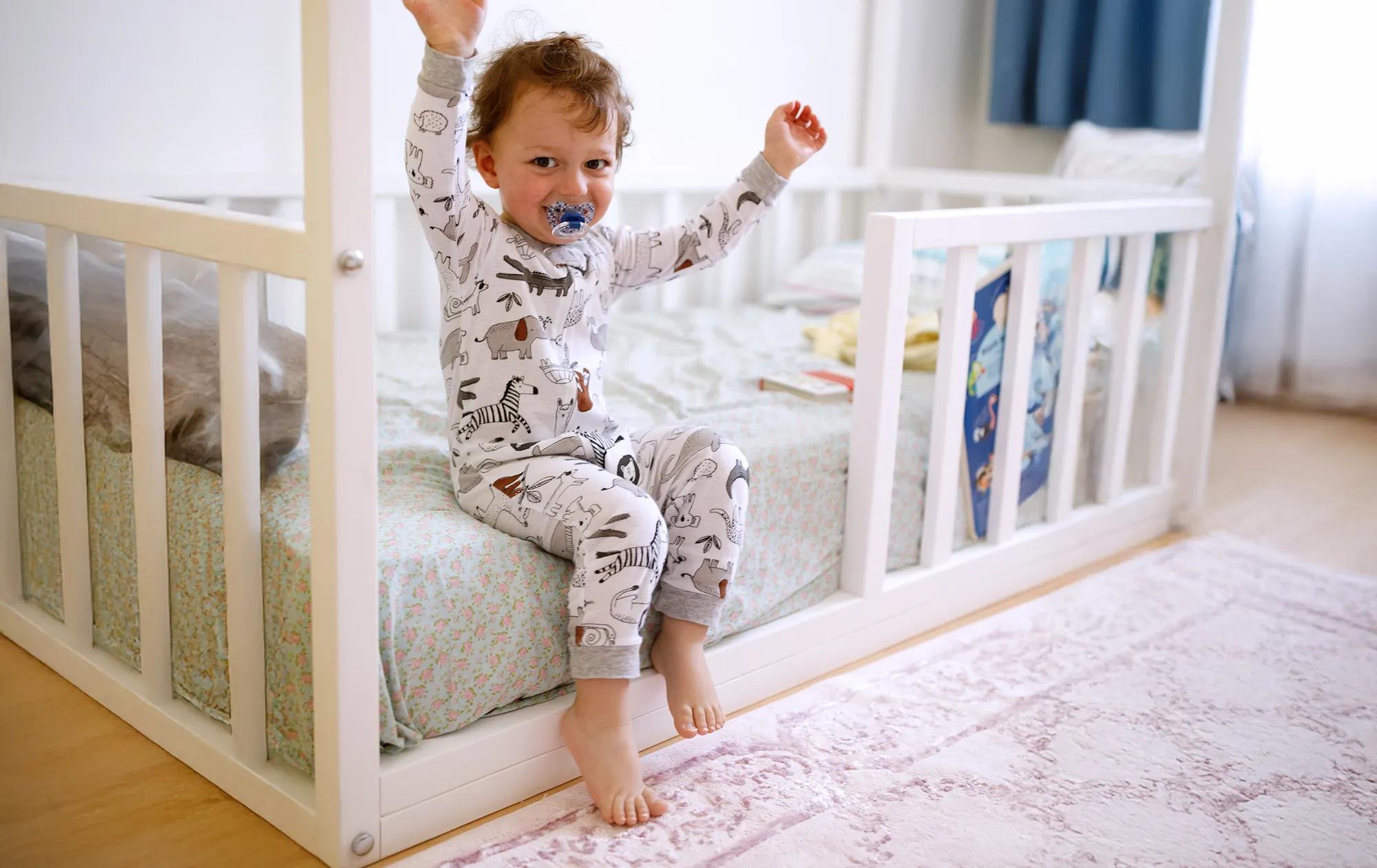
Most toddlers switch to a toddler bed between 18 months and 3 years. This range fits many children’s growth and development stages. Parents often look for signs like climbing out of the crib. Another sign is when a toddler shows interest in a bigger bed. Safety is key. The bed should have side rails to prevent falls. A toddler bed usually fits a crib mattress, making the change easier.
Variations By Child Development
Every child grows differently. Some may be ready before 18 months, while others need more time. Physical skills, like climbing and walking, affect readiness. Emotional readiness is also important. Some children may feel scared or unsure about the new bed. Comfort with the new environment helps. Watch your child’s cues and adjust the timing. Your child’s safety and comfort come first.
Choosing The Right Toddler Bed
Choosing the right toddler bed is an important step in your child’s growth. It helps them feel safe and comfortable. A good bed supports healthy sleep habits. It also fits well in your home space. Parents should think about several key factors. These include size, safety, and design. Each plays a role in finding the perfect bed for your toddler.
Size And Comfort
The bed should fit your toddler’s size well. Too big or too small can cause discomfort. A toddler bed is usually smaller than a regular bed. It is low to the ground for easy access. The mattress should be soft but firm enough to support your child. Proper bedding helps your toddler sleep soundly through the night.
Safety Features
Safety is the top priority for any toddler bed. Look for beds with guardrails to prevent falls. Check that the bed frame is sturdy and stable. Avoid beds with sharp edges or loose parts. The materials should be non-toxic and child-friendly. A bed that meets safety standards reduces risks during sleep.
Material And Design
Choose materials that are durable and easy to clean. Wood and metal are common and long-lasting options. The design should appeal to your toddler’s tastes. Fun themes or bright colors can make bedtime more exciting. Keep the design simple enough to fit your room’s decor. A well-designed bed encourages your child to love their new sleeping space.

Credit: www.healthline.com
Transition Tips
Transitioning your baby to a toddler bed is a big step. It needs care and patience. The right approach helps your child feel safe and happy. Follow these tips to ease the change.
Preparing Your Child
Talk about the new bed a few days ahead. Show pictures or read books about toddler beds. Let your child touch and explore the bed. This builds excitement and lowers fear.
Keep the new bed in the same room at first. This creates a familiar space. Place favorite toys and blankets nearby. Comfort items help your child settle in.
Making Bedtime Routine Smooth
Keep the bedtime routine steady. Bath, story, and cuddles work well. Do these in the same order every night. Predictability makes your child feel safe.
Set a clear bedtime and stick to it. Avoid extra play or screen time before sleep. Calm activities help your child relax and fall asleep faster.
Dealing With Resistance
Expect some hesitation or fear. Stay calm and patient. Offer gentle reassurance and praise bravery. Avoid forcing your child to stay in the bed.
Use a night light if needed. It can reduce fear of the dark. If your child gets up, calmly guide them back. Repeat softly until they stay in bed.
Safety Precautions
Moving your baby to a toddler bed brings new challenges. These changes can affect your child’s sleep and mood. Understanding these common issues can help you support your child better.
Night Wakings
Night wakings may increase after the switch to a toddler bed. Toddlers feel more freedom and may get out of bed. They might explore or seek comfort from parents. Staying calm and consistent helps your child settle down faster.
Bedtime Anxiety
Bedtime anxiety is common in toddlers adjusting to a new bed. They may fear the dark or feel unsafe. Creating a calm bedtime routine soothes their worries. Using a night light or favorite toy can provide comfort.
Adjusting To New Sleep Space
The new bed and room layout take time to get used to. Toddlers might resist sleeping alone or in a bigger bed. Patience and gentle reassurance ease this transition. Let your child explore the bed during the day to build familiarity.

Credit: www.whattoexpect.com
Common Challenges
Deciding the right time for your baby to sleep in a toddler bed can be tricky. Some children adjust quickly, while others may face challenges. Knowing when to seek expert advice helps ensure your child’s safety and comfort during this change. Experts can provide guidance tailored to your child’s unique needs.
Sleep Issues Beyond Transition
Persistent sleep problems may need expert attention. Night waking, trouble falling asleep, or frequent nightmares can signal deeper issues. Experts can identify causes and suggest solutions. Early help can improve your child’s sleep quality and overall well-being.
Behavioral Concerns
Changes in behavior after moving to a toddler bed may worry parents. Signs like increased anxiety, aggression, or refusal to sleep deserve care. Experts can assess if these behaviors relate to the transition or other factors. Timely support helps your child feel secure and calm.
Medical Advice
Some medical conditions affect sleep quality and safety. Issues like sleep apnea, allergies, or developmental delays require professional input. Doctors or sleep specialists offer advice to manage these conditions. Consulting experts ensures your toddler’s health is protected during the sleep change.
Frequently Asked Questions
When Is The Right Age For A Toddler Bed?
Most children transition to a toddler bed between 18 months and 3 years. This varies based on the child’s size, mobility, and readiness to climb in and out safely.
How Do I Know If My Baby Is Ready For A Toddler Bed?
Signs include climbing out of the crib, showing interest in a big bed, and being able to follow simple instructions. Safety and comfort are key indicators.
What Are Toddler Bed Safety Tips For Parents?
Use guardrails to prevent falls, ensure the bed is low to the ground, and keep the room free of hazards. Always supervise during the initial transition period.
Can My Baby Nap In A Toddler Bed?
Yes, toddlers can nap safely in their toddler bed once they are comfortable with the new sleeping arrangement. It helps establish a consistent sleep routine.
Conclusion
Choosing the right time for a toddler bed depends on your child’s readiness. Watch for signs like climbing out of the crib or showing interest in a bigger bed. Safety matters most, so make sure the room is child-proofed. A toddler bed gives your child more freedom and comfort.
Every child grows at their own pace. Trust your instincts and keep your little one safe and happy. The move can be smooth with patience and care. Your child will enjoy their new sleeping space soon.