Are you running out of space in your RV but still want to bring everyone along for the trip? Building a bunk bed inside your RV could be the perfect solution.
Imagine having extra sleeping spots without sacrificing precious room. In this guide, you’ll discover simple, step-by-step tips to create a safe, sturdy bunk bed that fits your RV perfectly. Whether you’re a DIY beginner or just want smart ideas, this article will help you make the most of your space and enjoy every adventure comfortably.
Ready to transform your RV? Let’s get started!
Choosing The Right Materials
Choosing the right materials is key to building a safe and sturdy bunk bed in your RV. The materials affect the bed’s strength and how well it fits in the space. Picking good materials also helps the bed last longer on the road. Focus on wood quality and the right hardware for strong support.
Selecting Durable Wood
Start with wood that is strong but not too heavy. Pine and cedar are good choices. These woods offer strength and are light enough for RV use. Avoid soft woods that can bend or break easily. Look for smooth, knot-free wood to prevent splinters. Cut the wood to fit your RV space perfectly. This ensures the bed stays secure and stable.
Essential Hardware And Tools
Use strong screws and bolts to hold the bed frame together. Metal brackets add extra support at corners and joints. Choose hardware that resists rust and corrosion. This keeps the bunk bed safe over time. Basic tools like a drill, screwdriver, and measuring tape make the building process easier. A level helps keep the bed even and balanced. Having the right tools and hardware makes your bunk bed safe and reliable.
Measuring And Planning
Building a bunk bed in an RV needs careful measuring and planning. This step helps make sure the bed fits well and is safe. Good planning saves time and avoids mistakes during building. Think about space, safety, and comfort before starting construction.
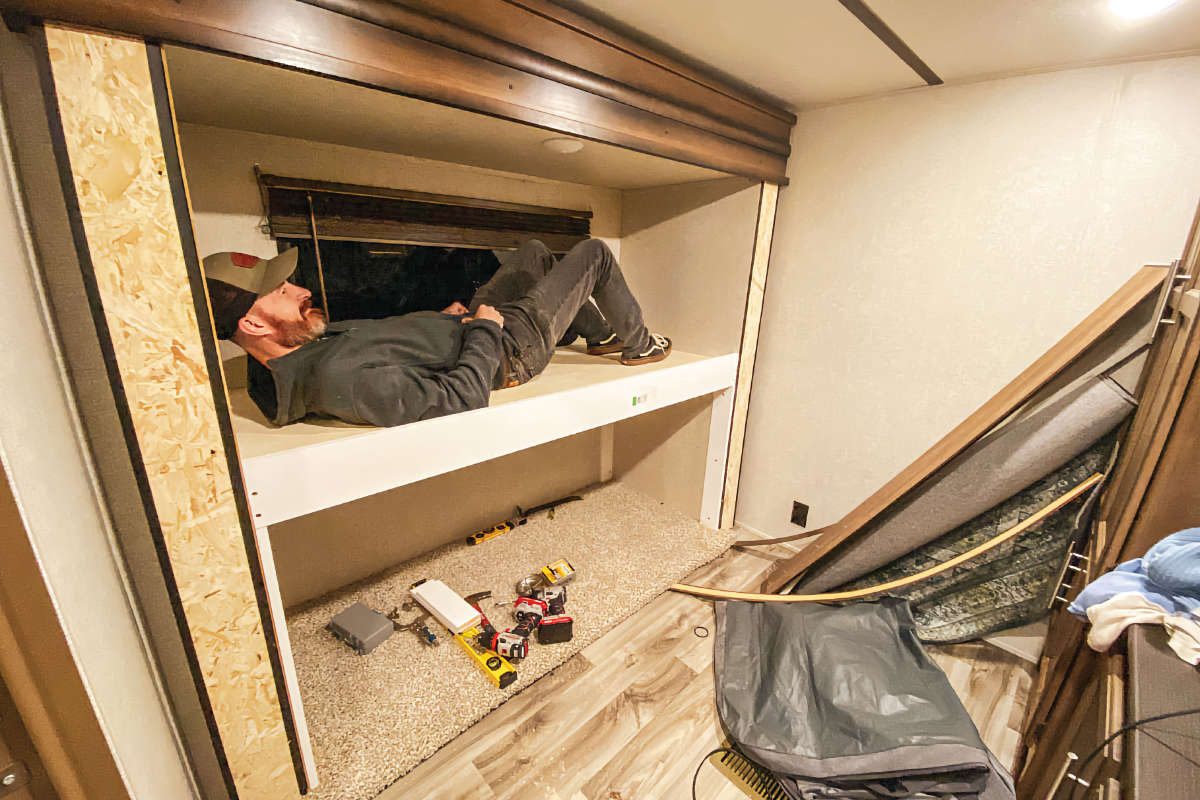
Assessing Available Space
Measure the width, length, and height of the area for the bunk bed. Check for doors, windows, or vents that might block space. Use a tape measure and write down every number. Leave extra room for moving around and storage. Small spaces need smart solutions to fit a bunk bed.
Designing For Safety And Comfort
Plan the bed height to avoid head bumps. Make sure the top bunk has a strong guardrail. Choose sturdy materials that hold weight well. Think about mattress size and thickness for comfort. Leave enough space between bunks for sitting up. Proper design keeps the bed safe and cozy for everyone.
Cutting And Preparing Wood
Cutting and preparing wood is a key step in building a bunk bed for your RV. It ensures the wood fits perfectly and is safe to use. Taking time to measure, cut, and smooth the wood will make assembly easier. It also helps the bed last longer and look great inside your RV. Follow these simple steps carefully.
Marking Measurements
Start by measuring the space where the bunk bed will go. Use a tape measure to get exact lengths and widths. Mark these measurements clearly on the wood with a pencil. Double-check each mark before cutting. Precise marks help avoid mistakes and wood waste. Take your time to be accurate.
Sanding And Smoothing Edges
After cutting, the wood edges may be rough or splintered. Use sandpaper or a sanding block to smooth all edges. Sand down corners to prevent injuries. Smooth surfaces also help paint or stain stick better. Check every piece carefully and sand until smooth to the touch. This step improves safety and the bed’s finish.
Credit: www.rv.com
Assembling The Frame
Assembling the frame of your RV bunk bed is the first step to a sturdy and safe structure. This process creates the foundation that holds everything together. Strong materials and careful measurements ensure the bed lasts long and supports weight well.
Start with a clear plan and all your tools ready. Take your time. Precision matters. The frame needs to be solid and fit perfectly in your RV space.
Building The Base
Begin with the base, the part that holds the mattress. Use sturdy wood like pine or plywood for strength. Cut the wood pieces to the exact size of your bunk bed’s footprint.
Lay the pieces flat and connect them using screws or bolts. Make sure the corners form perfect right angles. This keeps the bed frame square and stable.
Reinforce the base with extra slats across the width. Space the slats evenly to support the mattress well. This prevents sagging and adds durability.
Constructing Side Rails And Supports
Next, build the side rails. These keep the mattress in place and add strength to the frame. Cut the rails to match the length of the base.
Attach the rails vertically to the base using strong metal brackets or wood screws. Check that the rails stand straight and firm. This avoids any wobbling later.
Add vertical supports between the base and the top bunk area. These supports hold up the upper bed safely. Space them evenly and secure tightly to the frame.
Double-check all connections and tighten screws. A solid frame resists movement and keeps sleepers safe.
Adding Safety Features
Adding safety features to your RV bunk bed is very important. Safety keeps everyone secure during travel and sleep. Small safety steps prevent accidents and give peace of mind.
Focus on two key parts: guardrails and the ladder. Both help stop falls and injuries. Let’s explore how to add them properly.
Installing Guardrails
Guardrails stop sleepers from rolling off the bed. Use strong wood or metal rails that fit the bed frame. Attach rails on all sides of the top bunk, except the ladder side. Make sure the rails are at least five inches above the mattress. Check that gaps between rails are small enough so kids can’t slip through. Secure the rails tightly with screws or bolts. Test the rails by pushing gently to confirm they hold well.
Securing The Ladder
The ladder must stay firm and safe. Attach the ladder firmly to the bunk bed frame. Use bolts or screws that won’t loosen with use. Place the ladder at a slight angle for easier climbing. Add non-slip pads to the ladder steps. This helps prevent slipping, especially during night climbs. Check the ladder’s stability before every trip. A secure ladder ensures safe and easy access to the top bunk.

Credit: thetouringcamper.com
Finishing Touches
Finishing touches make your RV bunk bed look complete and cozy. These final steps protect the wood and add comfort. They help your bunk bed last longer and feel welcoming.
Small details improve both style and function. A good finish keeps the wood safe from scratches and moisture. Comfortable bedding makes the space inviting and restful.
Painting Or Staining
Choose paint or stain that suits your RV’s interior style. Paint offers many color options and a smooth finish. Stain shows the wood grain and gives a natural look.
Use a brush or small roller for even coverage. Let each coat dry fully before applying the next. Protect corners and edges well to avoid peeling or chipping.
Seal with a clear varnish or polyurethane for extra durability. This step protects against moisture and daily wear. A well-finished surface is easier to clean and maintain.
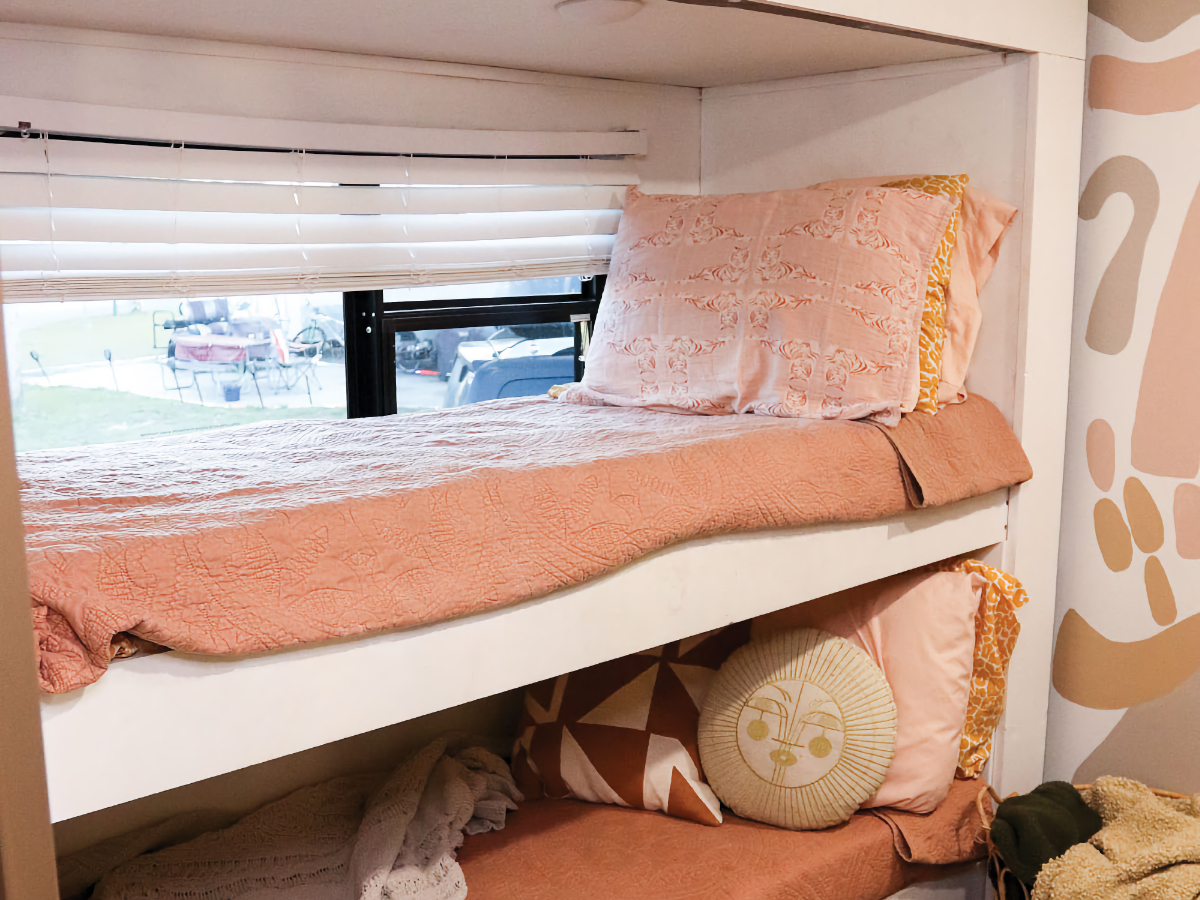
Adding Mattresses And Bedding
Select mattresses that fit your bunk bed’s size perfectly. Foam mattresses are lightweight and easy to handle in an RV. Choose bedding that is soft but easy to wash.
Use fitted sheets to keep bedding neat and in place. Add pillows and blankets for extra comfort and warmth. Consider storage options for bedding when not in use.
Keep the sleeping area tidy to make the RV feel spacious. Comfortable bedding invites restful sleep on the road. Simple, clean bedding styles match many RV interiors.
Maintenance Tips
Maintaining a bunk bed in your RV keeps it safe and lasts longer. Small checks and care help avoid problems. A clean, sturdy bunk bed makes travel more comfortable. Follow simple steps to keep it in top shape.
Regular Safety Checks
Inspect all screws and bolts every month. Tighten any loose parts to prevent accidents. Check the ladder for stability before use. Look for cracks or damage in the wood or metal. Replace broken parts immediately to ensure safety. Make sure guardrails are secure and strong.
Cleaning And Care
Dust the bunk bed regularly to prevent buildup. Use a soft cloth and mild cleaner for surfaces. Avoid harsh chemicals that can damage finishes. Clean mattresses and bedding often to keep them fresh. Let mattresses air out to prevent mold. Keep the area dry to avoid wood warping or rust.
Credit: www.rv.com
Frequently Asked Questions
How Do I Start Building A Bunk Bed In An Rv?
Begin by measuring your RV space carefully. Choose lightweight materials and design for safety. Plan storage and access before construction to optimize space.
What Materials Are Best For Rv Bunk Beds?
Use lightweight plywood or aluminum for strength and weight savings. Avoid heavy hardwoods to keep the bed light and secure during travel.
How To Ensure Safety In Rv Bunk Bed Design?
Install guardrails on upper bunks and secure the bed frame firmly. Use non-slip ladders and check all fastenings regularly to prevent accidents.
Can I Customize Bunk Beds For Rv Storage?
Yes, incorporate drawers or cubbies under the lower bunk. Use vertical space wisely to add shelves or hooks for extra storage.
Conclusion
Building a bunk bed in your RV saves space and adds comfort. Follow steps carefully for a safe and sturdy bed. Use the right tools and materials for best results. Take your time and measure twice to avoid mistakes. A well-built bunk bed makes your RV trips better.
Enjoy extra sleeping space for family or friends. Simple plans can make a big difference inside your RV. Now, your RV feels more like home on the road.