Have you ever wondered what makes a hanging coat rack truly practical and stylish? The secret often lies in its traditional hook.
You might think a hook is just a simple piece of metal, but a traditional hook on a hanging coat rack is much more than that. It combines design, function, and durability to keep your space organized and your coats within easy reach.
You’ll discover what sets a traditional hook apart and why it might be the perfect choice for your home or office. Keep reading to find out how this small detail can make a big difference in your everyday life.
Traditional Hook Basics
A traditional hook on a hanging coat rack is a simple and effective way to keep coats, hats, and bags organized. It has been used for many years in homes and public places. These hooks offer both function and style. Understanding their basics helps in choosing the right one for your space.
Traditional hooks come in various shapes and materials. They fit well in many décor styles. Their design focuses on holding items securely without taking much space.
Design Features
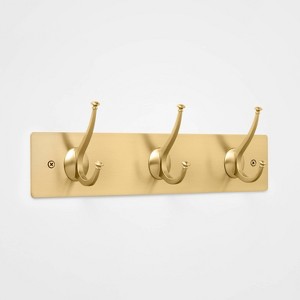
Traditional hooks usually have a curved shape. This curve helps hang coats and hats without slipping. Most hooks have a smooth finish to avoid damaging clothes.
They often include a double or single prong. The double prong allows hanging multiple items. Many hooks have a rounded end to protect fabrics from tears.
Common Materials
Metal is the most common material for traditional hooks. It is strong and can hold heavy coats. Brass, iron, and steel are popular metal choices.
Wood is another material used. Wooden hooks add a warm, natural look. Sometimes hooks combine metal and wood for strength and style.
Typical Uses
These hooks are perfect for entryways and mudrooms. They keep coats and hats off the floor. Offices and schools also use them for bag and coat storage.
Traditional hooks work well in kitchens for aprons or towels. They help keep spaces tidy and organized everywhere.

Credit: www.lowes.com
Types Of Hanging Coat Racks
Hanging coat racks come in different styles. Each type serves a unique purpose and fits various spaces. Choosing the right one helps keep your area tidy and organized.
Wall-mounted Racks
Wall-mounted racks attach directly to a wall. They save floor space and keep coats within reach. These racks often have multiple hooks for hats, bags, and jackets. They work well in hallways and small rooms.
Freestanding Racks
Freestanding racks stand on their own without wall support. They usually have a sturdy base and tall hooks. These racks are easy to move around the house. Ideal for entryways or living rooms with enough space.
Over-the-door Racks
Over-the-door racks hang on top of doors. They require no drilling or permanent installation. Great for renters or temporary use. These racks hold coats and accessories without taking extra room.
Choosing The Right Hook
Choosing the right hook for a traditional hanging coat rack is important. The right hook holds your coats safely and looks good. Picking a hook involves thinking about its strength, style, and how you will install it. These points help you find the best hook for your needs.
Weight Capacity
Check how much weight the hook can hold. Some hooks carry heavy coats or bags. Others are for light items only. A strong hook keeps your items safe. Avoid hooks that bend or break easily.
Style Compatibility
Choose a hook that fits the rack’s style. Traditional hooks often have simple, classic designs. Match the hook’s color and shape with your rack. This keeps the look neat and pleasant. A well-matched hook adds charm to your space.
Installation Requirements
Look at how the hook attaches to the rack. Some hooks need screws, others use nails or glue. Pick a hook that fits your wall or rack material. Easy installation saves time and effort. Make sure the hook stays firm after mounting.
Credit: www.target.com
Installation Tips
Installing a traditional hook on a hanging coat rack is simple with the right approach. Proper installation ensures the hook stays secure and can hold weight safely. Follow these tips to make the process smooth and effective.
Tools Needed
Gather basic tools before starting. You need a drill, screwdriver, measuring tape, and pencil. A level helps to keep the hook straight. Wall anchors may be required for extra support.
Mounting Techniques
Mark the spot where you want the hook. Use a level to keep it even. Drill pilot holes to avoid splitting the wood. Insert wall anchors if you attach to drywall. Screw the hook firmly into place.
Safety Considerations
Wear safety goggles during drilling. Keep fingers clear of the drill and screws. Check the hook’s weight limit to avoid damage. Test the hook by hanging a light item first. Make sure it feels stable before use.
Maintenance And Care
A traditional hook on a hanging coat rack needs care to last long. Regular upkeep keeps it strong and looking good. Simple steps help avoid damage and keep the hook clean.
Proper care saves money and effort later. It also keeps your space neat and organized.
Cleaning Methods
Use a soft cloth to wipe dust from the hook. A damp cloth can remove sticky dirt. Avoid harsh chemicals that may harm the finish. Dry the hook after cleaning to stop rust or stains. Clean the hook weekly to keep it shiny.
Preventing Damage
Do not hang very heavy items on the hook. Check the screws or nails regularly to keep the hook tight. Avoid hitting the hook with hard objects. Keep the rack away from moist areas to stop rust. Use hooks gently to prevent bending or breaking.
Repair Options
Loose hooks can be fixed by tightening screws. Small scratches can be covered with matching paint. Rust spots should be sanded off and treated. Bent hooks may be gently straightened with pliers. Replace broken hooks to keep the rack safe and useful.

Credit: www.amazon.com
Frequently Asked Questions
What Is A Traditional Hook On A Hanging Coat Rack?
A traditional hook is a simple, curved metal or wooden piece attached to a rack. It holds coats, hats, or bags securely. Its classic design suits various interior styles and provides practical, space-saving storage.
How Does A Traditional Hook Differ From Modern Hooks?
Traditional hooks have a curved, simple design, often made of metal or wood. Modern hooks may feature sleek, minimalist shapes or multifunctional elements. Traditional hooks focus on durability and classic aesthetics, while modern hooks prioritize contemporary style and innovation.
What Materials Are Used For Traditional Coat Rack Hooks?
Traditional hooks are commonly made from metal, wood, or brass. Metal offers strength and durability, while wood adds warmth and a rustic feel. Brass hooks provide a vintage, elegant look, enhancing the coat rack’s classic style.
Why Choose A Traditional Hook For A Hanging Coat Rack?
Traditional hooks offer reliable strength and timeless appeal. They fit well in classic or rustic décor. Their simple design ensures easy hanging and removal of coats, making them a practical and stylish choice.
Conclusion
A traditional hook on a hanging coat rack offers simple, reliable use. It holds coats, hats, and bags with ease. Its classic design fits many home styles. Easy to install and strong, it keeps items organized. Choosing this hook helps keep your space tidy.
Small but useful. A smart addition for everyday convenience.