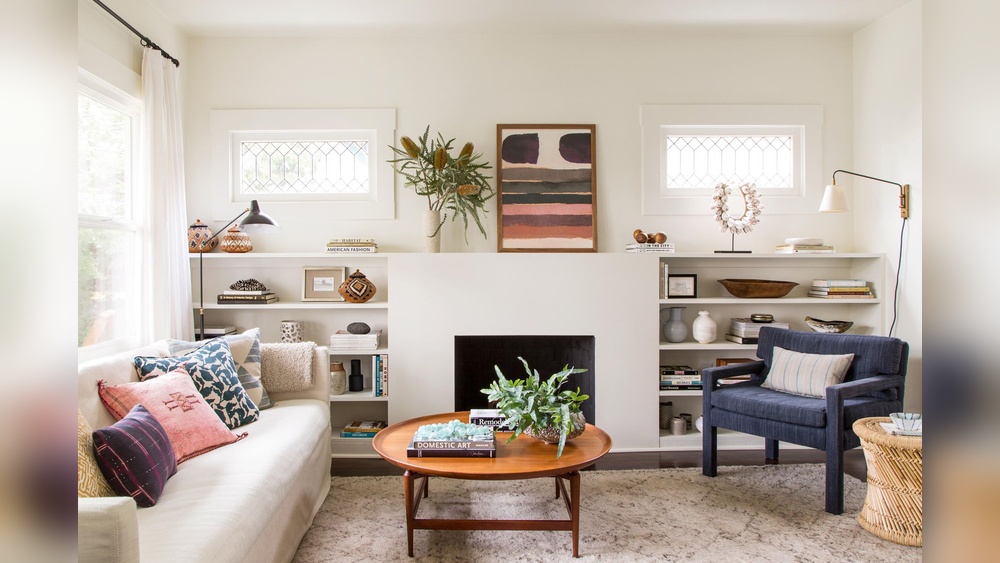
Struggling to make your small living room feel cozy and spacious at the same time? You’re not alone.
When space is tight, arranging furniture can feel like a puzzle with no clear solution. But what if you could turn your tiny room into a stylish, comfortable haven without sacrificing comfort or style? You’ll discover simple, smart tricks to organize your furniture so your living room looks bigger and works better for you.
Ready to transform your space? Let’s dive in.
Maximize Space With Smart Layouts
Maximizing space in a very small living room requires smart layouts. Every piece of furniture and every inch counts. Thoughtful arrangement helps create a roomy feel. It makes the space more useful and comfortable.
Choose Multi-functional Pieces
Select furniture that serves more than one purpose. A sofa bed offers seating and a sleeping area. Storage ottomans keep things tidy and provide extra seats. Tables with shelves can hold books or magazines. This reduces clutter and frees up floor space.
Create Defined Zones
Divide the room into small areas for different tasks. A reading corner with a chair and lamp feels cozy. A small desk area can work as an office spot. Use rugs or furniture placement to mark each zone. This helps keep the room organized and purposeful.
Use Vertical Space
Go up, not out. Wall shelves hold books and decorations. Tall cabinets store items without taking much floor space. Hooks on walls keep bags or coats off the floor. Using height draws the eye upward and opens the room.

Credit: www.thelivinghouse.co.uk
Select The Right Furniture
Selecting the right furniture is key to making a small living room feel spacious and comfortable. Choose pieces that fit the room without crowding it. Keep the design simple to avoid a cluttered look. Pick furniture that serves multiple purposes to save space.
Opt For Slim And Compact Designs
Choose furniture with slim profiles and compact sizes. Narrow sofas and chairs save floor space. Low-back furniture helps create an open feel. Avoid bulky items that block sightlines or movement.
Consider Foldable And Stackable Options
Foldable tables and chairs are easy to store. Stackable stools can be tucked away when unused. These flexible options provide seating without permanent clutter. Perfect for small rooms that need occasional extra seating.
Prioritize Essential Items
Focus on furniture you use every day. A comfortable sofa, a small coffee table, and storage units are enough. Skip extra pieces that crowd the space. Prioritizing essentials keeps the room tidy and functional.
Enhance Flow And Accessibility
Enhancing flow and accessibility in a small living room makes the space feel open and comfortable. Good flow helps people move easily without bumping into furniture. Accessibility means all areas are easy to reach and use. This balance creates a pleasant and practical room.
Keep Pathways Clear
Clear pathways prevent trips and make the room feel larger. Leave at least 2 feet of space for walking routes. Avoid placing furniture in front of doorways or windows. Use slim or low-profile pieces to keep sight lines open. This keeps the room airy and easy to navigate.
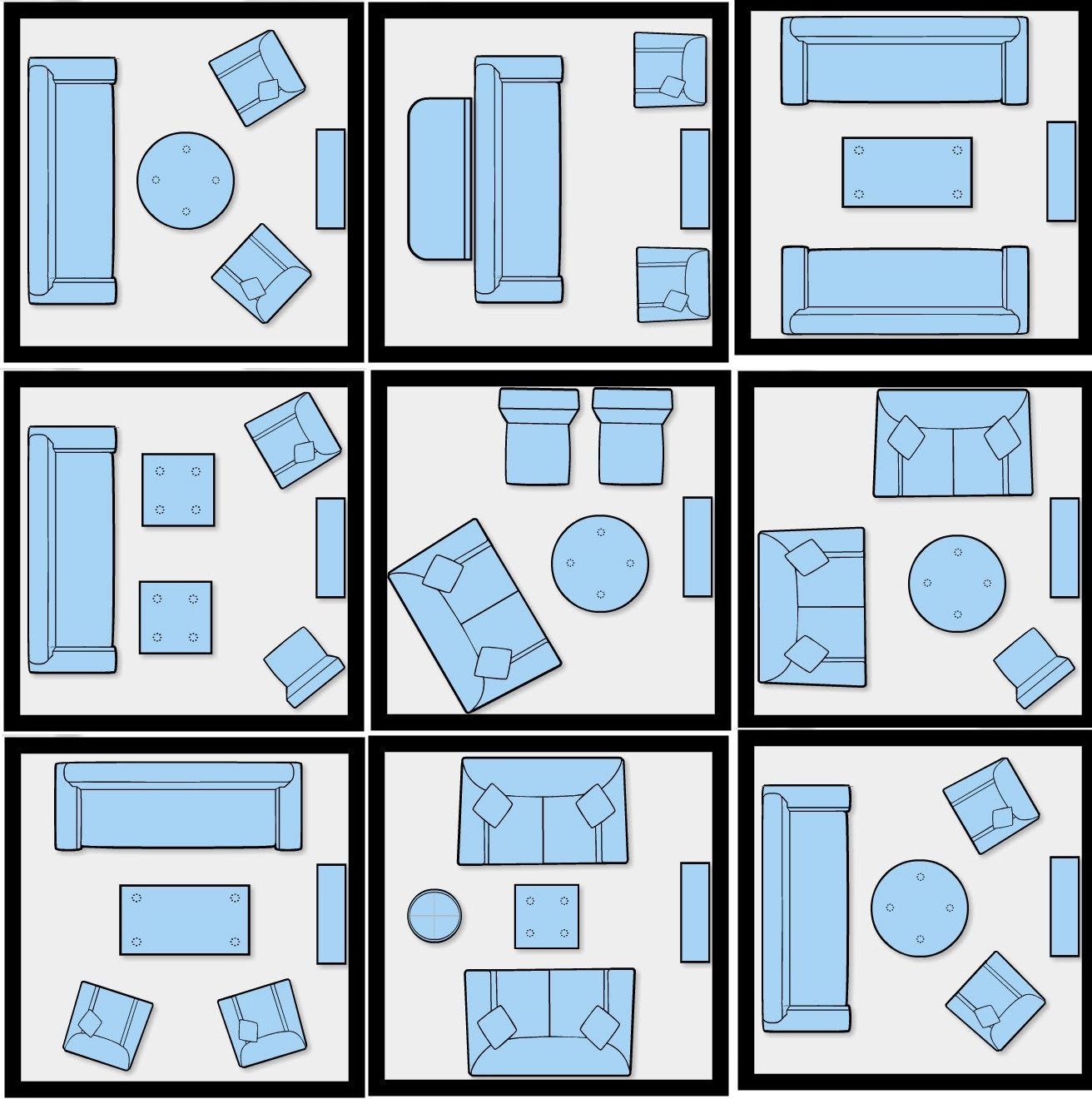
Arrange For Easy Movement
Place furniture so people can move freely around it. Angled or L-shaped layouts work well in tight spaces. Position sofas and chairs away from walls to create natural walkways. Avoid blocking access to key areas like shelves or TV units. Easy movement improves comfort and daily use.
Avoid Overcrowding
Too many pieces make the room feel cramped and cluttered. Choose only essential furniture that fits the space well. Use multi-functional items like storage ottomans or foldable tables. Leave empty spaces to give the eyes a rest. Less furniture means more room to breathe and move.
Credit: www.prohomebuyer.com
Use Color And Light To Expand Space
Using color and light effectively can make a small living room feel much bigger. These elements create a sense of openness and airiness. Bright colors and good lighting trick the eye into seeing more space than actually exists. This section explains how to use these tools well.
Choose Light And Neutral Tones
Light colors open up a room. White, beige, soft gray, and pastel shades reflect more light. They make walls and floors look less heavy. Dark colors can close in a space and make it feel smaller. Keep furniture and accessories in light tones to blend smoothly with the room. This creates a calm and spacious atmosphere.
Incorporate Mirrors Strategically
Mirrors double the visual space by reflecting light and views. Place a large mirror across from a window to bounce natural light around. Small mirrors grouped together can also add depth. Avoid cluttering walls with too many mirrors. One or two well-placed mirrors work best to open up the room.
Maximize Natural Light
Natural light makes any room feel fresh and larger. Use sheer curtains or none at all to let in sunlight. Keep windows clean and clear of heavy decorations. Arrange furniture to avoid blocking light sources. Bright daylight reduces shadows and highlights the room’s true size.
Add Personal Touches Without Clutter
Adding personal touches to a small living room makes it feel warm and inviting. But too many items create clutter and make the space look smaller. Choose decorations carefully. Keep things simple and meaningful. This helps maintain a clean, open feel while showing your style.
Display Art And Decor Wisely
Pick a few favorite art pieces or photos to display. Use one or two walls for hanging items. Keep frames and colors simple. Avoid crowding the walls with too many objects. A single statement piece can add character without overwhelming the room.
Use Minimalist Accessories
Select accessories that serve a purpose or add subtle charm. Small plants, a few books, or a simple vase work well. Avoid large or many decorative items that take up space. Minimalist accessories keep the room neat and stylish.
Incorporate Hidden Storage
Choose furniture with built-in storage to hide clutter. Ottomans or benches with compartments are perfect. Use shelves with baskets to organize items neatly. Hidden storage keeps personal items out of sight and the room tidy.
Credit: www.settingforfour.com
Frequently Asked Questions
How To Maximize Space In A Small Living Room?
Use multi-functional furniture and avoid bulky pieces. Place items against walls and keep pathways clear. Utilize vertical space with shelves and choose light colors to create an open feel.
What Furniture Layout Works Best For Small Rooms?
Opt for an open layout with minimal furniture. Arrange seating in an L-shape or along walls. Avoid overcrowding and keep the center area free for movement.
How To Choose Furniture Size For Small Living Rooms?
Select compact, scaled-down furniture that fits the room’s dimensions. Avoid oversized sofas or tables. Choose pieces with exposed legs to create a sense of airiness.
Can Mirrors Improve Small Living Room Design?
Yes, mirrors reflect light and create an illusion of space. Place large mirrors opposite windows for maximum effect. They also add depth and brighten the room naturally.
Conclusion
Small living rooms can feel cozy and stylish with smart furniture choices. Pick pieces that fit well without crowding your space. Use light colors to keep the room bright and open. Arrange seating to allow easy movement and conversation. Keep clutter low to make the room feel larger.
Adding mirrors or multi-use furniture helps save space too. With simple steps, your small living room can look inviting and comfortable. Try different layouts until you find one that feels right. Enjoy your space, no matter the size.
