
Are you wondering if you can sand your teak outdoor furniture to make it look fresh and new again? Maybe your teak has started to look dull or rough, and you want to restore its natural beauty without causing damage.
Sanding teak can be a simple and effective way to bring back its smooth finish—but only if you do it right. Keep reading to discover exactly how sanding works on teak, what tools you’ll need, and the best tips to protect your furniture while you renew it.
Your teak pieces deserve the best care, and this guide will help you achieve just that.

Credit: www.luxushomeandgarden.com
Why Sand Teak Furniture
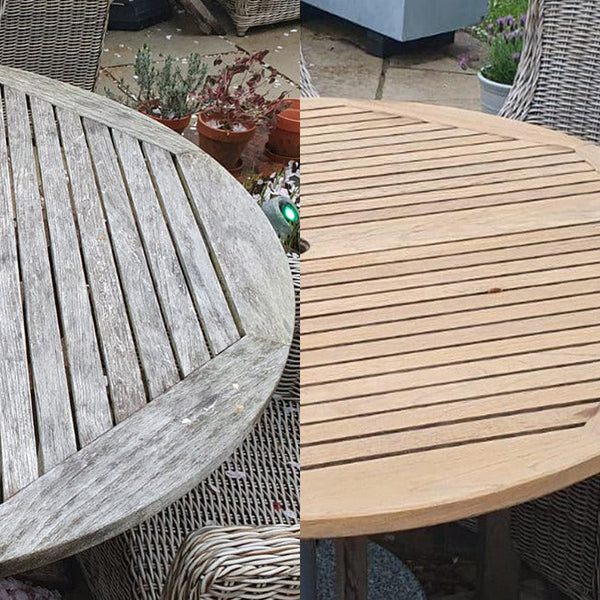
Teak furniture is popular for outdoor use due to its strength and natural beauty. Over time, weather and dirt can dull its surface. Sanding teak furniture helps restore its smooth, fresh look. It removes old finishes, stains, and rough spots. Sanding also prepares the wood for oiling or sealing. This simple step keeps teak furniture looking great for many years.
Sanding is a gentle way to bring back the wood’s natural color. It also helps prevent cracks and splinters. Regular sanding maintains the furniture’s durability and comfort. Many teak owners find sanding an easy and effective way to care for their pieces.
Benefits Of Sanding Teak
Sanding teak improves its appearance by removing dirt and stains. It smooths rough surfaces and removes weather damage. Sanding also allows oils or sealants to soak in better. This protects the wood from moisture and sun damage. The process extends the furniture’s life and keeps it strong. Well-sanded teak feels nicer to touch and looks brand new.
Common Issues With Outdoor Teak
Outdoor teak furniture faces fading from sun exposure. It can develop grayish patches and lose color. Dirt and mold may build up in cracks and grain. The wood surface might become rough or splintered. These issues reduce comfort and beauty. Sanding helps fix these problems by cleaning and smoothing the wood. It restores teak’s original warm glow and texture.
Credit: www.luxushomeandgarden.com
Tools And Materials Needed
Sanding teak outdoor furniture requires the right tools and materials. Using proper supplies helps protect the wood and achieve a smooth finish. Prepare everything before starting the sanding process. This saves time and makes the job easier.
Types Of Sandpaper
Start with coarse sandpaper, like 80 or 100 grit, to remove old finishes. Then, use medium grit sandpaper, around 150 grit, to smooth rough spots. Finish with fine sandpaper, 220 grit or higher, for a polished surface. Choose sandpaper made for wood to avoid damage.
Protective Gear
Wear safety goggles to protect your eyes from dust. Use a dust mask to avoid breathing in wood particles. Gloves protect your hands from splinters and irritation. Dress in old clothes that cover your skin well.
Additional Supplies
Have a sanding block or electric sander for easier sanding. Keep a clean cloth or tack cloth nearby to wipe dust off the furniture. Use a vacuum cleaner to remove dust from the work area. Keep wood oil or sealant ready for finishing after sanding.
Preparing Your Teak Furniture
Preparing your teak furniture is a key step before sanding. It ensures a smooth process and better results. Cleaning and removing old finishes help the wood breathe and look fresh. Setting up your workspace keeps the job safe and neat. Each part matters to keep your teak strong and beautiful.
Cleaning The Surface
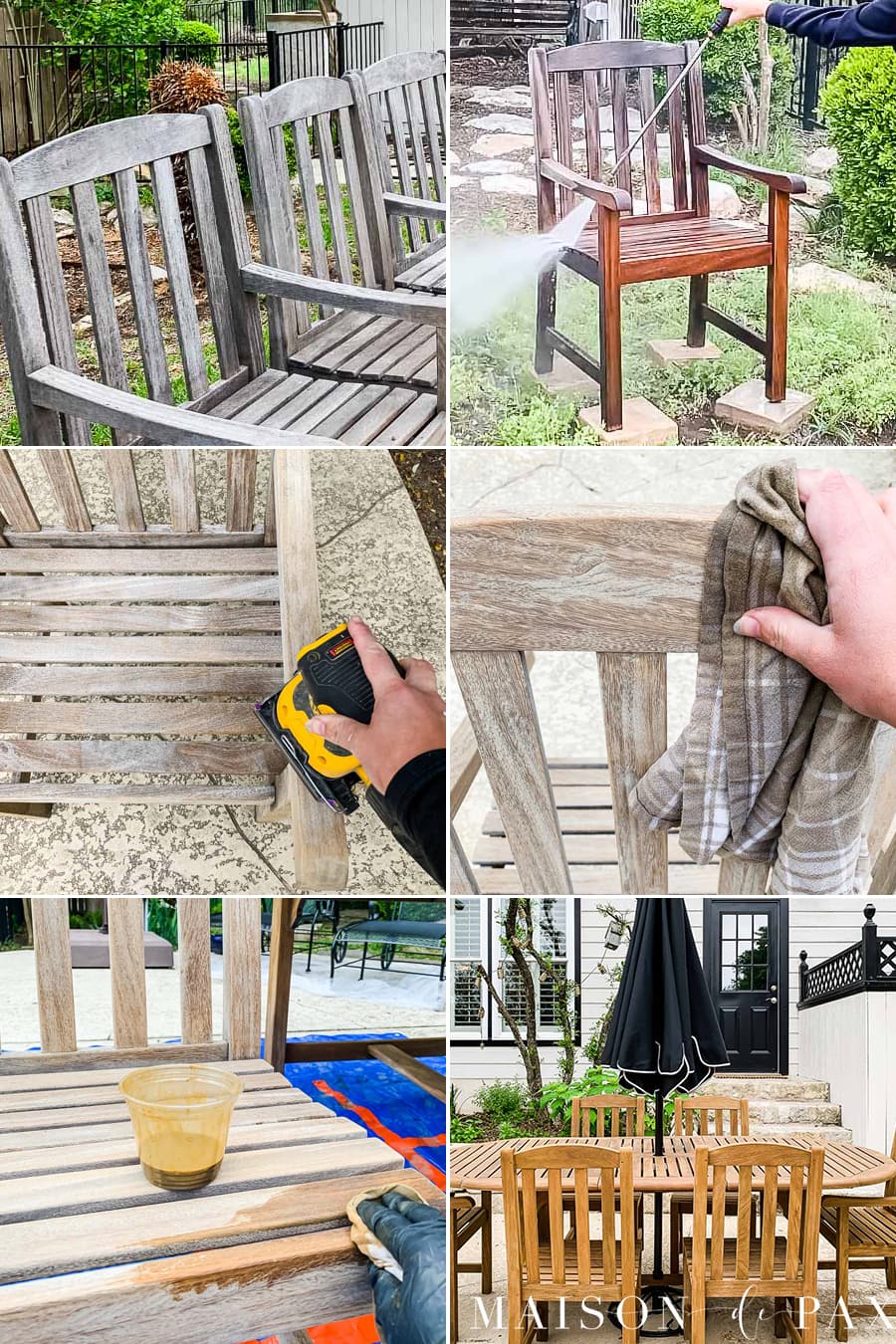
Start by wiping the furniture with a soft brush or cloth. Remove dirt, dust, and debris from every corner. Use mild soap mixed with water for stubborn stains. Rinse with clean water and let it dry fully. A clean surface helps the sanding paper work well.
Removing Old Finishes
Old finishes prevent new layers from sticking. Use a chemical stripper or sandpaper to take off varnish or paint. Work gently to avoid damaging the teak wood. Test a small area first to see how the finish reacts. Remove all residues before moving to sanding.
Setting Up Your Workspace
Choose a dry, shaded area with good air flow. Lay down drop cloths to catch dust and debris. Wear a mask and gloves for safety. Keep all sanding tools nearby and ready. A tidy space helps you focus and work faster.
Step-by-step Sanding Process
Sanding teak outdoor furniture restores its natural beauty. It removes old finish, dirt, and rough spots. Follow a clear process to get smooth, clean wood ready for oil or sealant. This step-by-step guide explains how to sand teak properly and safely.
Choosing The Right Grit
Start with coarse grit sandpaper, like 80 grit. It removes old finish and rough areas quickly. Then use medium grit, around 120 grit, to smooth the surface. Finish with fine grit, 220 grit or higher, for a soft touch. Changing grits this way prevents deep scratches and keeps teak smooth.
Sanding Techniques
Sand along the grain of the wood, never across it. Use even pressure to avoid uneven spots. For flat surfaces, a sanding block or orbital sander works best. For curves and corners, sand by hand carefully. Clean dust off between grit changes to see progress clearly.
Avoiding Common Mistakes
Do not sand too hard or too long in one spot. This can damage the wood or create uneven areas. Avoid skipping grit steps to prevent scratches. Do not sand against the grain; it leaves marks. Take breaks to check your work and keep the surface consistent.
After Sanding Care
After sanding teak outdoor furniture, proper care is important. This care keeps the wood smooth and beautiful. It also protects the teak from weather damage. The following steps help your furniture last longer and look great.
Cleaning Dust And Debris
Remove all dust and debris from the sanding process. Use a soft brush or cloth to wipe the surface. Make sure the wood is clean before applying any treatment. Dust left on the wood can cause uneven finishes.
Applying Teak Oil Or Sealant
Apply teak oil or sealant to protect the wood. Use a clean cloth to spread the oil evenly. Let it soak into the wood for the best results. This step helps keep the teak rich and prevents drying or cracking.
Maintenance Tips For Longevity
Keep your furniture clean by wiping it regularly. Reapply teak oil every few months or as needed. Store furniture under cover during harsh weather. These simple steps extend the life of your teak pieces.
When Not To Sand Teak
Sanding teak outdoor furniture can refresh its look and remove surface damage. Yet, it is not always the best choice. Certain conditions make sanding harmful, risking the wood’s quality and appearance. Knowing when not to sand helps protect your teak investment.
Signs Sanding Could Harm Furniture
Deep cracks or splits show the wood is weak. Sanding may worsen these problems. Very thin or worn-out areas can disappear with sanding. If the teak has a rough, natural texture, sanding can remove this charm. Old finishes with chemical damage might not respond well. Sanding in these cases can ruin the surface.
Alternative Restoration Methods
Cleaning with mild soap and water can brighten teak without sanding. Using teak cleaner and brightener restores color safely. Applying teak oil nourishes and protects the wood. Covering cracks with wood filler keeps moisture out. Regular maintenance stops deep damage, reducing the need for sanding.
Credit: www.maisondepax.com
Frequently Asked Questions
Can You Sand Teak Outdoor Furniture Safely?
Yes, you can sand teak outdoor furniture safely. Use fine-grit sandpaper to avoid damage. Sand lightly along the grain for a smooth finish. Always wear protective gear and work in a well-ventilated area to ensure safety.
What Grit Sandpaper Is Best For Teak Furniture?
Start with 120-grit sandpaper for removing old finishes. Finish with 220-grit to smooth the surface. Using the right grit prevents scratches and prepares the wood for sealing or oiling effectively.
How Often Should Teak Outdoor Furniture Be Sanded?
Sanding teak furniture once every 1-2 years is ideal. This removes dirt and weathered layers. Regular sanding keeps the wood smooth and helps maintain its natural beauty and durability.
Does Sanding Teak Remove Its Natural Oils?
Sanding removes the surface layer but not all natural oils. Teak’s oils are deep within the wood, protecting it from moisture. After sanding, applying teak oil replenishes surface oils and enhances durability.
Conclusion
Sanding teak outdoor furniture helps restore its smooth, natural look. It removes old stains and rough spots. Use fine sandpaper and gentle pressure for best results. Avoid sanding too deep to keep the wood strong. After sanding, apply teak oil to protect the surface.
This keeps your furniture looking good longer. Regular care extends its life and beauty. Sanding is a simple step anyone can do. Your teak furniture will thank you with lasting charm.


