You want your outdoor patio to be a place where you can relax, entertain, and enjoy the fresh air. But arranging your patio furniture just right can make all the difference.
How do you create a cozy, functional space without it feeling cramped or empty? You’ll discover simple, smart tips to arrange your outdoor furniture in a way that feels inviting and suits your lifestyle. By the end, you’ll have the confidence to transform your patio into your favorite spot to unwind or host friends.
Ready to make your outdoor space work for you? Let’s get started.
Choosing The Right Furniture
Choosing the right furniture sets the foundation for a comfortable patio. It shapes the look and feel of your outdoor area. The right pieces invite relaxation and social time. Focus on durability, style, and size to create a balanced space. Each choice matters for a functional and beautiful patio.
Materials For Durability
Outdoor furniture faces sun, rain, and wind daily. Materials must resist wear and tear. Aluminum is light, strong, and rust-resistant. Teak wood offers natural beauty and lasts long. Wicker adds texture but needs weather protection. Plastic is affordable and easy to clean. Choose materials that suit your climate and usage.
Styles That Match Your Space
Select furniture that fits your patio’s style. Modern pieces offer clean lines and simplicity. Rustic furniture brings warmth with natural wood. Classic styles add elegance and charm. Consider the house design and garden theme. Matching styles create a seamless outdoor look.
Size And Scale Considerations
Measure your patio before buying furniture. Large pieces can crowd small spaces. Small items may look lost on big patios. Leave enough room for walking and movement. Plan seating for guests and family comfortably. Proper scale keeps your patio inviting and practical.
Planning Your Layout
Planning your outdoor patio furniture layout is the first step to create a comfortable and inviting space. Thoughtful arrangement makes your patio functional and enjoyable. It helps to use every inch wisely while keeping the area open and welcoming.
This section covers key points to help you plan your layout effectively. Focus on maximizing space, creating spots for conversation, and ensuring smooth movement.
Maximizing Space Efficiency
Start by measuring your patio area. Knowing the exact size helps you choose the right furniture pieces. Use compact furniture for smaller spaces to avoid crowding.
Arrange furniture close to walls or corners to open the center. Stackable or foldable chairs save space when not in use. Keep the layout simple with fewer, larger pieces rather than many small items.
Creating Conversation Areas
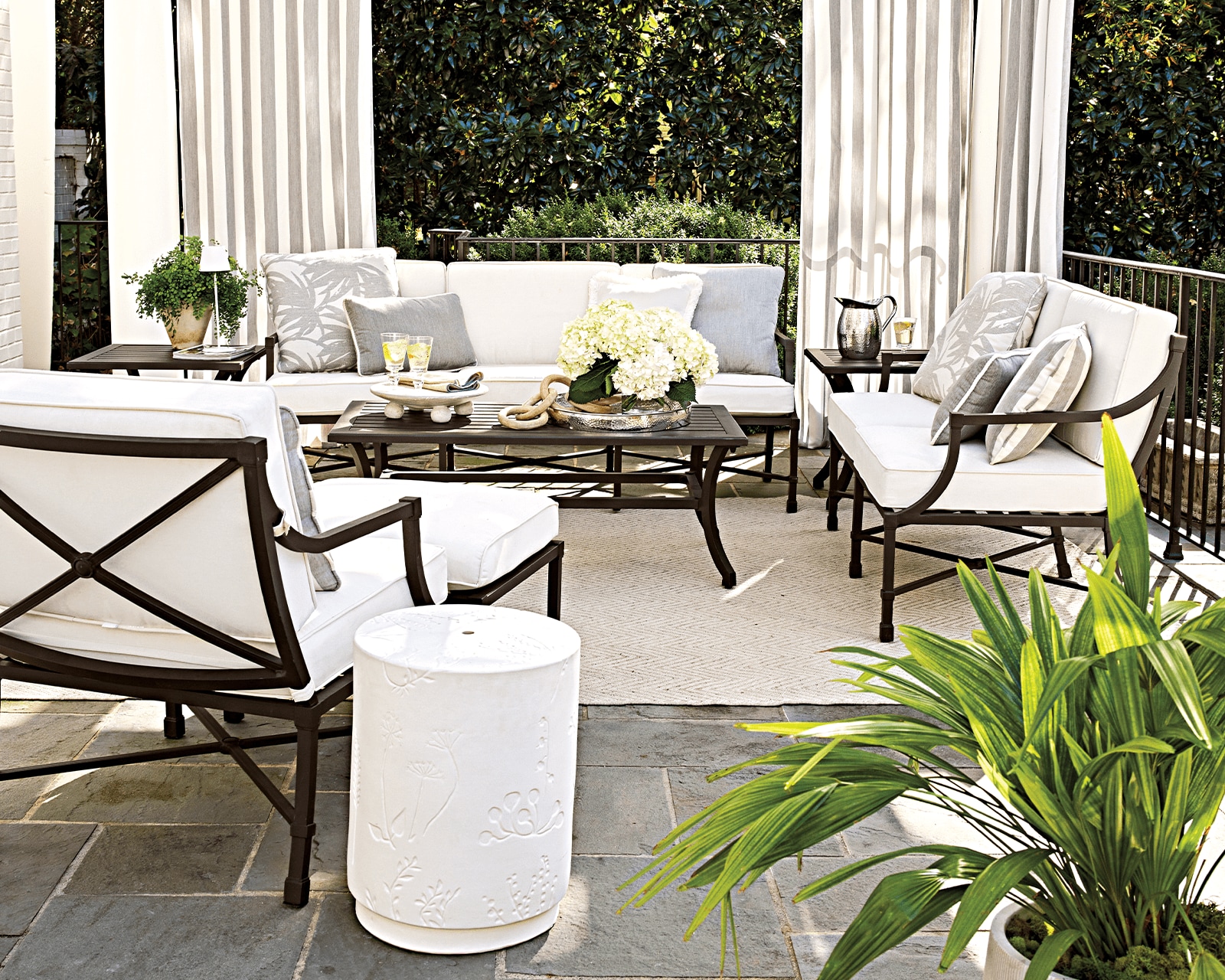
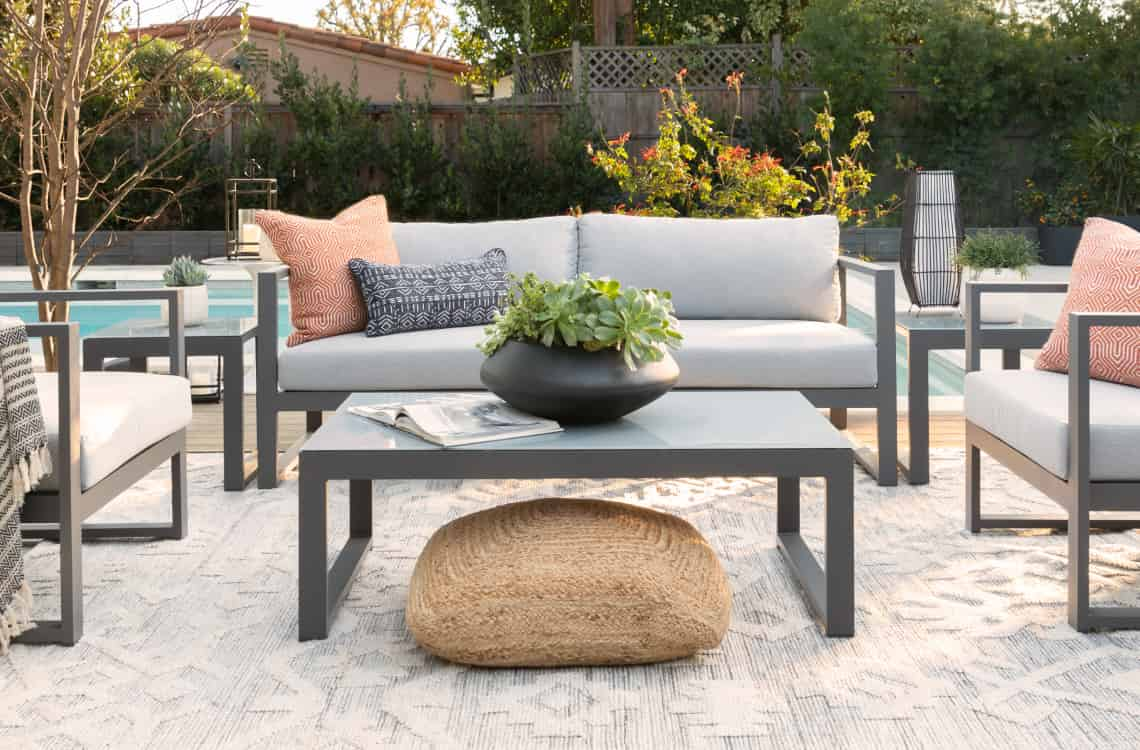
Group seating to encourage chatting and socializing. Place chairs and sofas facing each other with a small table in the middle. This setup invites guests to relax and talk comfortably.
Use rugs or planters to define the conversation zone. Keep the space cozy but not tight. Leave enough room for elbows and movement.
Traffic Flow And Accessibility
Allow clear paths for easy walking through your patio. Avoid blocking doorways or garden entrances. Leave at least two feet of space between furniture for smooth flow.
Make sure all seating is easy to reach. Avoid sharp corners or obstacles in walkways. Plan furniture placement to suit how people naturally move around the space.
Adding Comfort Elements
Adding comfort elements makes your outdoor patio more inviting. It turns a simple space into a cozy retreat. Small touches can create a big impact. Comfort encourages people to sit and stay longer. It blends style with relaxation.
Selecting Cushions And Fabrics
Choose cushions that match your furniture size and shape. Soft cushions add extra comfort for long sitting. Pick fabrics that resist water and sun damage. Bright colors or patterns can brighten your patio. Look for materials that are easy to clean.
Incorporating Shade Options
Shade helps protect from harsh sunlight. Use umbrellas, pergolas, or shade sails. These options create cool spots to relax. Adjustable shades allow you to control sunlight. Shade adds comfort and extends outdoor time.
Using Rugs And Throws
Outdoor rugs add warmth and define seating areas. Choose rugs made for outdoor use to resist weather. Throws provide extra warmth on cool evenings. They add texture and color to your patio. Soft rugs and throws make the space feel like home.
Credit: www.ballarddesigns.com
Enhancing Ambiance
Creating the right mood in your outdoor patio makes it a favorite place. Enhancing ambiance is key to enjoy every moment outside. Small touches can change the whole feeling. Use soft lighting, natural elements, and cozy features to create a relaxing space. This helps your patio feel warm and inviting.
Lighting Ideas For Evenings
Soft lights make your patio glow gently after dark. String lights are simple and create a magical look. Solar garden lights are eco-friendly and easy to place around seating areas. Lanterns with candles add a cozy and charming touch. Avoid bright overhead lights that can feel harsh. Instead, use dimmable or warm bulbs to keep the mood calm.
Decorative Accents And Greenery
Plants bring life and color to your patio. Use potted flowers and small shrubs to decorate corners. Hanging plants add interest without taking up floor space. Choose colorful cushions and rugs to brighten the seating area. Decorative items like stones, vases, or outdoor art give personality. Keep the style simple and natural for a peaceful vibe.
Incorporating Fire Features
Fire features add warmth and a focal point to your patio. A fire pit invites friends to gather around. Portable fire bowls work well for small spaces. Flames create a soothing sound and soft light. Always follow safety rules and place fire features away from furniture. Fire adds comfort and charm to cool evenings outside.
Maintaining Your Patio Furniture
Maintaining your patio furniture keeps it looking great and lasting longer. Regular care protects it from dirt, weather, and wear. Proper upkeep saves money by avoiding costly repairs or replacements.
Follow simple steps to keep your outdoor furniture fresh and strong. Clean, cover, and store your pieces carefully. Adjust care for each season to handle changing weather.
Cleaning Tips For Longevity
Dust and dirt can damage your furniture over time. Use a soft brush or cloth to remove loose debris. Mix mild soap with water for gentle cleaning. Avoid harsh chemicals that harm materials.
Rinse well and dry completely to stop mold and rust. Clean cushions by spot washing or using removable covers. Regular cleaning keeps your furniture looking new.
Protective Covers And Storage
Covers shield your furniture from sun, rain, and dust. Choose covers made from waterproof and breathable fabric. Make sure covers fit tightly to prevent moisture inside.
Store furniture indoors or in a shed during heavy rain or snow. Move cushions and pillows to a dry place. Proper storage prevents damage and extends furniture life.
Seasonal Care Advice
In spring, check for damage and clean thoroughly. Tighten loose screws and oil moving parts. Summer needs frequent cleaning to remove pollen and dust.
During fall, clear leaves and dirt to avoid stains. Winter requires extra protection like covers or moving furniture inside. Seasonal care keeps your patio furniture ready year-round.
Credit: www.ballarddesigns.com
Credit: www.livingspaces.com
Frequently Asked Questions
How Do I Choose The Right Patio Furniture Layout?
Start by measuring your outdoor space accurately. Consider the flow of movement and focal points. Arrange furniture to encourage conversation and relaxation. Use different zones for dining and lounging. Ensure enough space for comfort and accessibility.
What Materials Work Best For Outdoor Patio Furniture?
Opt for weather-resistant materials like teak, aluminum, or synthetic wicker. These materials resist moisture, sun damage, and pests. They require minimal maintenance and last longer. Choose cushions with waterproof, fade-resistant fabric for added comfort.
How Can I Maximize Space With Patio Furniture?
Use multi-functional pieces like storage benches or foldable chairs. Arrange furniture along the edges to open central areas. Avoid overcrowding by selecting appropriately sized furniture. Incorporate vertical elements like shelves to save floor space.
What Accessories Enhance Outdoor Patio Furniture Arrangement?
Add outdoor rugs to define seating areas. Use cushions and throws for color and comfort. Install umbrellas or pergolas for shade. Incorporate lighting like string lights or lanterns to create ambiance.
Conclusion
Arranging outdoor patio furniture can change your space a lot. Start with a clear plan and think about how you will use the area. Leave enough room for walking and relaxing. Group furniture to invite conversations and comfort. Use the right pieces for your space size and style.
Add cushions and decorations to make it cozy. A well-arranged patio invites friends and family to enjoy. Take time, try different layouts, and see what feels best. Your outdoor space can become a favorite spot to relax and have fun.