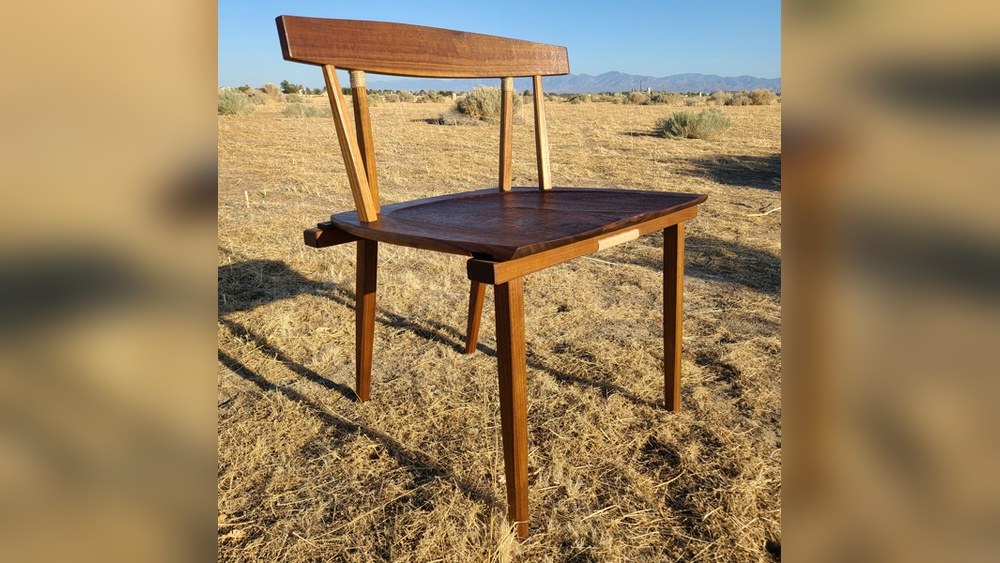
Are you wondering if tongue oil is the right choice to protect and enhance your outdoor wood furniture? You want your furniture to look great and last through all weather conditions, but choosing the wrong finish can lead to damage or fading.
You’ll discover what tongue oil does, whether it’s suitable for outdoor use, and how to apply it properly. Keep reading to make the best decision for your wood and keep your outdoor space beautiful year-round.
Benefits Of Tongue Oil
Tongue oil offers many benefits for outdoor wood furniture. It protects the wood while keeping its natural look. This oil is easy to apply and helps wood last longer outside. Using tongue oil keeps wood strong and beautiful without harsh chemicals.
Natural Protection For Wood
Tongue oil creates a thin layer on wood surfaces. This layer shields the wood from dirt and dust. It also stops cracking and drying caused by sun and wind. The oil soaks into the wood, making it less likely to break or peel. This natural protection helps wood stay healthy outdoors.
Enhancing Wood Grain
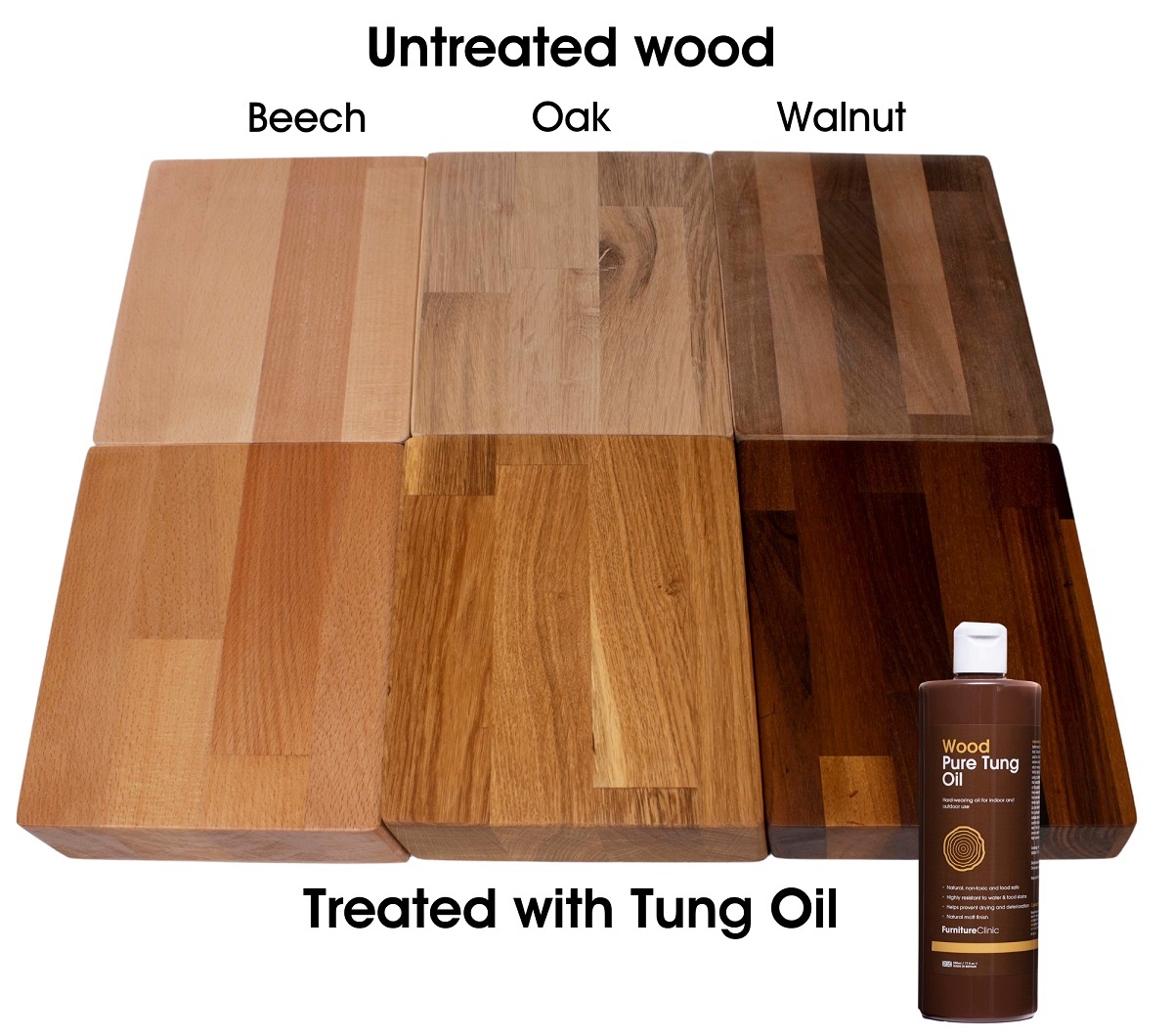
Applying tongue oil brings out the wood’s natural grain. It deepens the color and adds a soft shine. This makes furniture look richer and more attractive. The oil highlights the unique patterns in the wood. It gives old furniture a fresh, renewed appearance.
Water Resistance Properties
Tongue oil helps wood resist water damage. It forms a barrier that slows water absorption. This prevents swelling, warping, and rotting. The oil works well on outdoor furniture exposed to rain or moisture. Water resistance means furniture lasts longer and stays strong.

Credit: www.thisoldhouse.com
Suitability For Outdoor Furniture
Using tongue oil on outdoor wood furniture has both benefits and drawbacks. Tongue oil can protect wood, but its suitability depends on weather exposure and the type of wood. Understanding how it performs outside helps you make the right choice for your furniture.
Durability Under Weather Conditions
Tongue oil forms a thin, protective layer on wood surfaces. It repels water and prevents minor damage from rain and moisture. It works well in dry and mild weather. Strong sun, heavy rain, and snow can break down the oil faster. You may need to reapply it more often outdoors.
The oil does not create a hard surface. It soaks into the wood and keeps it nourished. This helps prevent cracking and drying out. Tongue oil alone is not enough for long-lasting protection in harsh climates.
Comparison With Other Oils
Tongue oil is lighter and absorbs quickly compared to oils like teak or linseed oil. It gives wood a natural, low-gloss finish. Teak oil and tung oil create a thicker, more water-resistant coat. These oils last longer outside and protect better against UV rays.
Tongue oil is easier to apply and dries faster. It suits wood that needs gentle care. For heavy-duty outdoor furniture, stronger oils offer better defense against weather damage.
Limitations To Consider
Tongue oil does not protect well against sun damage. It can fade and wear off in bright sunlight. It also offers limited resistance to mold and mildew. Regular maintenance is needed to keep wood safe outdoors.
It is not ideal for furniture exposed to rain or snow all the time. Tongue oil may need reapplication every few months. Combining it with other finishes can improve durability. Always test on a small area before full use.
Application Tips
Applying tongue oil to outdoor wood furniture needs care and attention. Proper steps help protect the wood and make the finish last longer. Follow these tips to get the best results from tongue oil on your furniture.
Preparing Wood Surface
Start by cleaning the wood surface. Remove dirt, dust, and old finishes. Use a soft brush or cloth for cleaning. Sand the wood lightly with fine-grit sandpaper. This opens the wood pores for better oil absorption. Wipe off sanding dust with a damp cloth. Let the wood dry completely before applying oil.
Proper Application Techniques
Use a clean, lint-free cloth or brush to apply tongue oil. Work in small sections for even coverage. Apply a thin layer, rubbing the oil into the wood grain. Avoid thick coats to prevent sticky surfaces. Let the oil soak in for 15 to 20 minutes. Wipe off any excess oil with a dry cloth to avoid sticky spots.
Drying And Curing Time
Allow the oil to dry in a well-ventilated area. Drying usually takes 24 to 48 hours. Avoid touching the surface during this time. For best results, apply 2 to 3 coats. Wait 24 hours between coats for proper curing. Full curing may take up to a week. After curing, the wood will have a smooth, water-resistant finish.
Credit: www.furnitureclinic.com
Maintenance And Reapplication
Maintaining outdoor wood furniture treated with tongue oil is key for lasting beauty. Regular care keeps the wood protected from weather damage. Reapplying tongue oil at the right time restores its natural look and strength. Understanding when and how to maintain the finish makes a big difference.
Signs It Needs Reapplying
Look for dull or dry spots on the wood surface. Fading color shows the oil has worn off. Water may no longer bead on the furniture. Wood feels rough or looks cracked. These signs mean it’s time to reapply tongue oil.
Cleaning Treated Furniture
Use a soft brush or cloth to remove dirt and dust. Avoid harsh chemicals that can strip the oil finish. Mild soap and water work well for cleaning. Let the furniture dry completely before applying more oil. Clean surfaces help the oil soak in evenly.
Extending Lifespan Of Finish
Apply tongue oil once or twice a year to keep wood healthy. Wipe off extra oil to avoid sticky buildup. Store furniture under cover during heavy rain or winter. Covering furniture prevents damage and reduces how often you oil. Proper care extends the wood’s life and beauty.
Safety Precautions
Using tongue oil on outdoor wood furniture requires care. Safety is very important to protect yourself and your surroundings. Following simple rules helps you avoid accidents and damage.
Handling And Storage
Always wear gloves when applying tongue oil. Keep the oil in a tightly closed container. Store it in a cool, dry place away from children and pets. Avoid spilling the oil on your skin or clothes.
Fire Hazards
Tongue oil is flammable. Do not use it near open flames or sparks. Rags soaked with tongue oil can catch fire easily. Lay them flat to dry outside or store them in a metal container with a lid.
Environmental Impact
Do not pour tongue oil into drains or soil. It can harm plants and water life. Use only the needed amount to reduce waste. Dispose of oil and rags properly at a hazardous waste center.
Credit: www.furnitureclinic.com
Frequently Asked Questions
Can Tongue Oil Protect Outdoor Wood Furniture?
Yes, tongue oil can protect outdoor wood furniture by penetrating the wood. It enhances water resistance and prevents drying and cracking. However, it may need frequent reapplication in harsh outdoor conditions for continued protection.
Is Tongue Oil Safe For All Types Of Outdoor Wood?
Tongue oil is generally safe for most outdoor woods like teak, cedar, and oak. Always test on a small area first. Some woods may absorb oil differently, affecting appearance and protection.
How Often Should I Apply Tongue Oil Outdoors?
Apply tongue oil to outdoor furniture every 6 to 12 months. More frequent application may be needed in extreme weather. Regular maintenance keeps wood nourished and protected from moisture damage.
Does Tongue Oil Improve Wood’s Natural Color Outside?
Yes, tongue oil enhances the natural color and grain of wood. It gives outdoor furniture a rich, warm finish while preserving its natural look. The oil deepens the wood’s appearance without adding gloss.
Conclusion
Tongue oil can protect and enhance outdoor wood furniture well. It soaks into the wood and helps keep moisture out. This oil also brings out the natural color and grain of the wood. Use it regularly to keep furniture looking fresh and strong.
Remember to clean the furniture before applying tongue oil. Avoid using it on furniture exposed to heavy rain or direct sunlight all day. Simple care with tongue oil can extend the life of your outdoor wood pieces. Try it and see the difference yourself.


