
You’ve invested in outdoor furniture to enjoy your patio, deck, or garden. But when winter arrives, you might wonder: can you leave your outdoor furniture outside through the cold months?
The truth is, winter weather can be tough on your favorite pieces. Snow, ice, and freezing temperatures can cause damage if you’re not careful. Yet, with the right steps, you can protect your furniture without moving it indoors. You’ll discover which types of furniture can brave the winter, what simple precautions you should take, and how to keep your outdoor setup looking great year after year.
Keep reading to find out how to make your outdoor furniture last through the winter season.
Winter Risks For Outdoor Furniture
Outdoor furniture faces many risks during winter months. Cold weather, moisture, and snow can cause serious damage. Understanding these risks helps protect your investment and maintain its appearance. Below are the main winter threats to outdoor furniture.
Effects Of Moisture And Snow
Snow and rain soak into furniture surfaces. Moisture can cause wood to swell and crack. Metal parts may rust or corrode. Wet cushions and fabrics develop mold and mildew. Water trapped in crevices creates lasting damage. Moisture also speeds up material wear and tear.
Impact Of Freezing Temperatures
Freezing cold causes materials to contract and expand. This cycle weakens joints and fasteners. Water inside cracks freezes and expands, causing splits. Plastic furniture may become brittle and crack easily. Cold also fades colors and finishes. Extended exposure shortens furniture lifespan.
Damage To Different Materials
Wood warps, cracks, and loses finish without protection. Metal rusts if coatings wear off. Plastic becomes brittle and breaks under cold. Wicker may become dry and brittle too. Fabric cushions soak moisture and freeze. Each material needs specific care to survive winter.

Credit: www.patioline.ca
Furniture Materials And Winter Suitability
Choosing the right furniture material affects how well outdoor pieces hold up in winter. Some materials handle cold, moisture, and ice better than others. Knowing which furniture suits winter weather helps protect your investment and keeps your patio inviting year-round.
Different materials need different care and protection during winter months. Understanding these differences guides you on whether to leave furniture outside or store it away.
Wooden Furniture Care
Wood absorbs water, causing swelling and cracking in freezing temperatures. Treat wooden furniture with sealant or waterproof oil every year. Cover wooden pieces with breathable fabric to prevent mold and rot. Avoid placing wood directly on the ground to reduce moisture damage. Regular sanding and refinishing can extend the life of wooden outdoor furniture.
Metal And Aluminum Durability
Metal furniture resists cold well but may rust if exposed to moisture. Aluminum is rust-resistant and lighter, making it good for winter use. Check metal joints and screws for rust and tighten them before winter. Use covers to protect metal furniture from snow and ice buildup. Applying a rust-proof spray can help prevent corrosion.
Plastic And Resin Challenges
Plastic furniture can crack in freezing temperatures due to brittleness. Resin is more durable but still vulnerable to UV and cold damage. Store plastic furniture indoors or in a dry place during winter. Use furniture covers designed to protect against cold and moisture. Clean plastic and resin surfaces regularly to prevent dirt buildup.
Teak And Other Weather-resistant Woods
Teak wood contains natural oils that resist water and insects. This makes teak ideal for winter use without much maintenance. Other weather-resistant woods like cedar and eucalyptus also hold up well. Still, applying teak oil yearly maintains its color and durability. Cover these woods during heavy snow to extend their lifespan.
Preparing Furniture For Winter
Preparing your outdoor furniture for winter helps protect it from cold weather damage. Taking simple steps before the first frost can extend your furniture’s life. Proper care keeps materials from cracking, rusting, or warping during the cold months. This guide covers key actions to get your furniture ready for winter.
Cleaning And Drying
Start by cleaning all dirt and debris off your furniture. Use mild soap and water for most materials. Avoid harsh chemicals that can strip finishes. Rinse well and dry every piece thoroughly. Moisture left on furniture invites mold and rust. Make sure cushions and fabrics are dry before storing or covering.
Applying Protective Treatments
Wood furniture benefits from a coat of sealant or oil. This prevents water from soaking into the wood. Metal pieces may need a rust-resistant spray or paint touch-up. Plastic furniture can use UV protectant sprays to reduce sun damage. Always follow product instructions carefully for the best results.
Elevating Furniture Off Ground
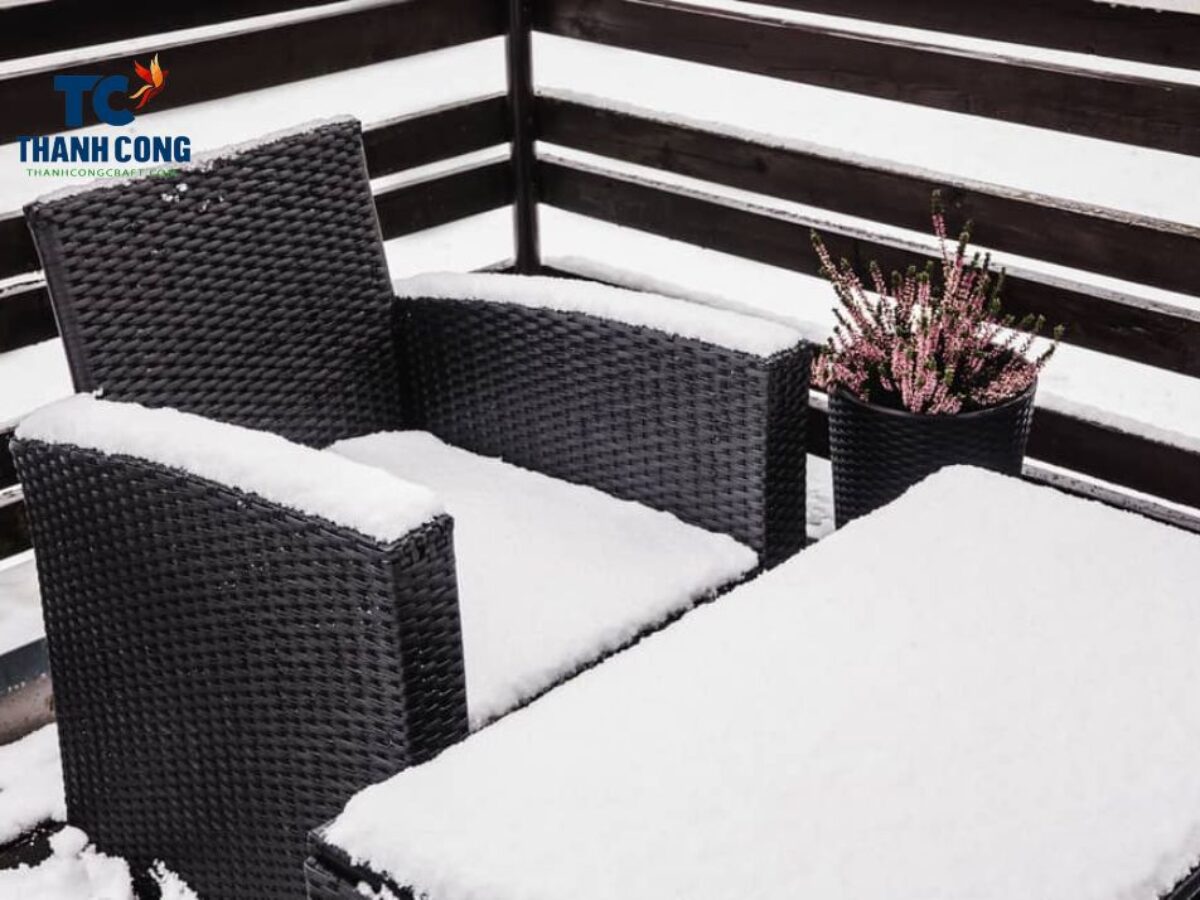
Keep furniture off the cold, wet ground to avoid moisture damage. Use blocks, bricks, or furniture risers under legs. Elevation improves air circulation and prevents water pooling. This simple step helps stop wood rot and metal corrosion. It also keeps your furniture cleaner and easier to access in winter.
Credit: thanhcongcraft.com
Covering Outdoor Furniture
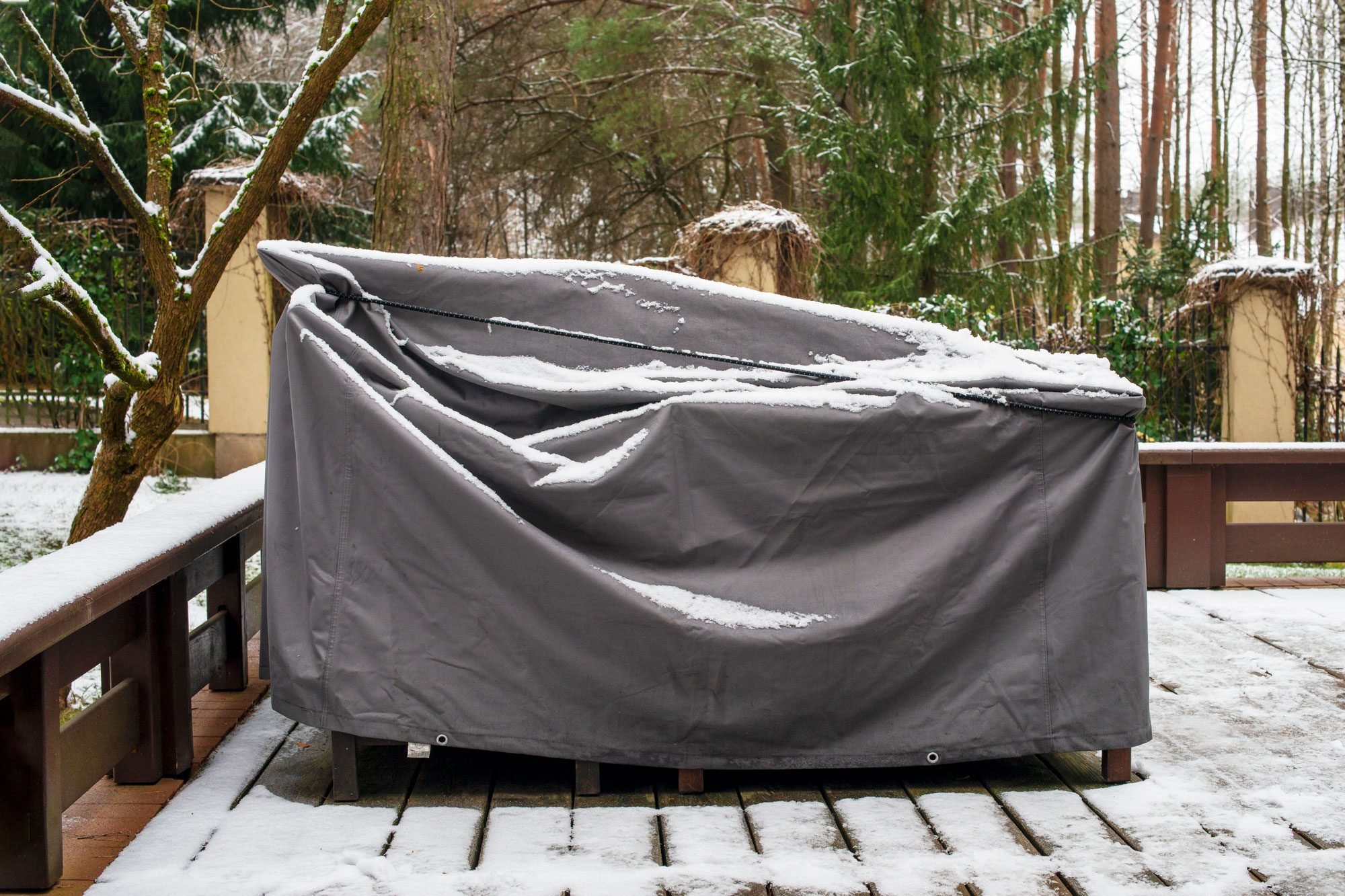
Covering outdoor furniture is a key step to protect it during winter. Proper covers shield your furniture from snow, ice, and harsh winds. They help keep dirt and debris away, reducing damage and wear. Using the right cover and applying it correctly can extend your furniture’s life significantly.
Choosing The Right Covers
Select covers made from durable, waterproof materials. Look for breathable fabrics that let moisture escape. Avoid plastic tarps that trap condensation. Fit covers should be snug but allow some air flow. Covers with secure ties prevent them from blowing away in strong winds. Match cover size to your furniture for full protection.
Proper Covering Techniques
Clean furniture before covering to avoid trapping dirt. Remove cushions and store them indoors if possible. Place covers over dry furniture to prevent mold growth. Secure covers tightly to keep out snow and rain. Check covers regularly for tears or loose spots. Re-adjust covers after storms to maintain protection.
Avoiding Moisture Traps
Moisture buildup causes rust, mildew, and wood rot. Use covers with ventilation openings to reduce trapped moisture. Elevate furniture slightly off the ground to improve air circulation. Avoid sealing covers too tightly against the furniture surface. Remove snow accumulation quickly to prevent water seepage. Keep furniture dry to ensure it stays in good shape.
Storage Options For Winter
Proper storage protects outdoor furniture from harsh winter weather. Choosing the right storage option helps prevent damage like rust, mold, and warping. Different materials need different care during cold months. This section explores smart storage solutions for your patio furniture.
Indoor Storage Solutions
Storing furniture indoors is the best way to protect it. Places like basements, spare rooms, or closets work well. Keep items clean and dry before storing. Use furniture covers or blankets to avoid dust buildup. Indoor storage keeps your furniture safe from moisture and freezing temperatures.
Using Sheds And Garages
Sheds and garages provide good shelter for outdoor furniture. They keep snow and rain off your items. Ensure good ventilation to prevent mold and mildew. Raise furniture off the floor with pallets or boards. This setup reduces direct contact with cold ground and moisture.
When Outdoor Storage Is Necessary
Sometimes indoor space is limited, so outdoor storage is needed. Use sturdy, waterproof furniture covers for protection. Choose breathable covers to avoid trapped moisture. Place furniture on raised platforms or blocks to keep it off wet ground. Secure covers tightly to prevent wind damage. These steps help reduce wear during winter.
Maintenance During Winter Months
Winter can be tough on outdoor furniture. Cold temperatures, moisture, and ice all cause wear and tear. Proper maintenance helps keep your furniture in good shape through the season. Taking small steps during winter months prevents costly damage later.
Check your furniture often. Clean off snow and ice. Fix small problems quickly. These actions protect your investment and extend the life of your outdoor pieces.
Regular Inspections
Look over your furniture every week. Check for cracks, rust, or loose parts. Early signs of damage are easier to fix. Pay attention to joints and surfaces. Catching problems early stops bigger issues.
Removing Snow And Ice
Clear snow from furniture after every snowfall. Use a soft broom or brush. Avoid sharp tools that can scratch surfaces. Ice can cause wood to crack and metal to rust. Removing ice gently helps prevent damage.
Spot Repairs To Prevent Damage
Fix small chips and scratches as soon as you see them. Use weatherproof paint or sealant for wood. Tighten screws and bolts that come loose. Repairing small issues stops moisture from getting inside. This keeps your furniture strong all winter.
Tips For Different Climates
Different climates require different care for outdoor furniture during winter. Knowing your region’s weather helps protect your investment. Follow practical tips to keep furniture safe and lasting longer. These guidelines fit mild winters, harsh cold, and wet conditions.
Mild Winter Regions
Mild winters have little or no freezing temperatures. Outdoor furniture can stay outside with minimal protection. Clean furniture before winter to remove dirt and dust. Use breathable covers to shield from dust and light rain. Avoid plastic covers that trap moisture and cause mold. Elevate furniture slightly to prevent ground moisture damage. Check furniture periodically for any signs of wear or dampness.
Harsh Winter Areas
Harsh winters bring snow, ice, and freezing temperatures. It is best to store furniture indoors in these regions. If indoor storage is impossible, cover furniture with heavy-duty, waterproof covers. Remove cushions and store them inside to prevent mildew. Apply protective sealants on wood or metal to reduce damage. Keep furniture off the ground using pallets or blocks. Shake off snow regularly to avoid weight damage and moisture buildup.
Dealing With Humidity And Rain
High humidity and frequent rain can cause rust and mold. Use waterproof covers that allow air circulation to avoid trapped moisture. Treat wooden furniture with water-resistant sealants yearly. For metal furniture, apply rust protectant sprays before winter. Store cushions in waterproof bins or indoors to keep dry. Position furniture under covered patios or awnings when possible. Always dry furniture quickly after heavy rain or storms.
Credit: www.familyhandyman.com
Frequently Asked Questions
Can You Leave Patio Furniture Outside In Winter If It Is Covered?
Yes, covering patio furniture helps protect it from snow and moisture, but placing it off the ground is crucial to prevent damage.
Will Snow Damage Patio Furniture?
Snow can damage patio furniture by causing rust, warping, or mold, especially on wood, metal, and porous materials. Cover or store it.
Where To Store Outdoor Furniture In The Winter?
Store outdoor furniture in a dry, sheltered place like a garage, shed, or covered patio. Use protective covers if indoor storage isn’t available. Elevate items off the ground to prevent moisture damage. This preserves furniture quality and extends its lifespan during winter months.
Can Wooden Furniture Be Left Outside In Winter?
Wooden furniture can suffer damage from snow, ice, and moisture in winter. Treat and cover it well or store indoors to protect longevity.
Conclusion
Leaving outdoor furniture outside in winter needs careful thought. Some materials handle cold weather better than others. Covering furniture helps keep snow and moisture away. Raising furniture off the ground reduces damage risk. Storing items indoors is the safest choice when possible.
Taking simple steps extends your furniture’s life and beauty. Protect your investment with proper winter care. This way, your patio looks great next spring.


