Are you wondering if your outdoor furniture needs to be pressure treated to last longer? You’ve probably seen wooden benches, tables, and chairs outside and asked yourself how they stand up to sun, rain, and changing seasons.
The truth is, not all outdoor furniture is built the same, and knowing whether pressure treatment is necessary can save you time, money, and frustration. Keep reading to discover what pressure treatment really means for your furniture and how it can protect your investment year after year.
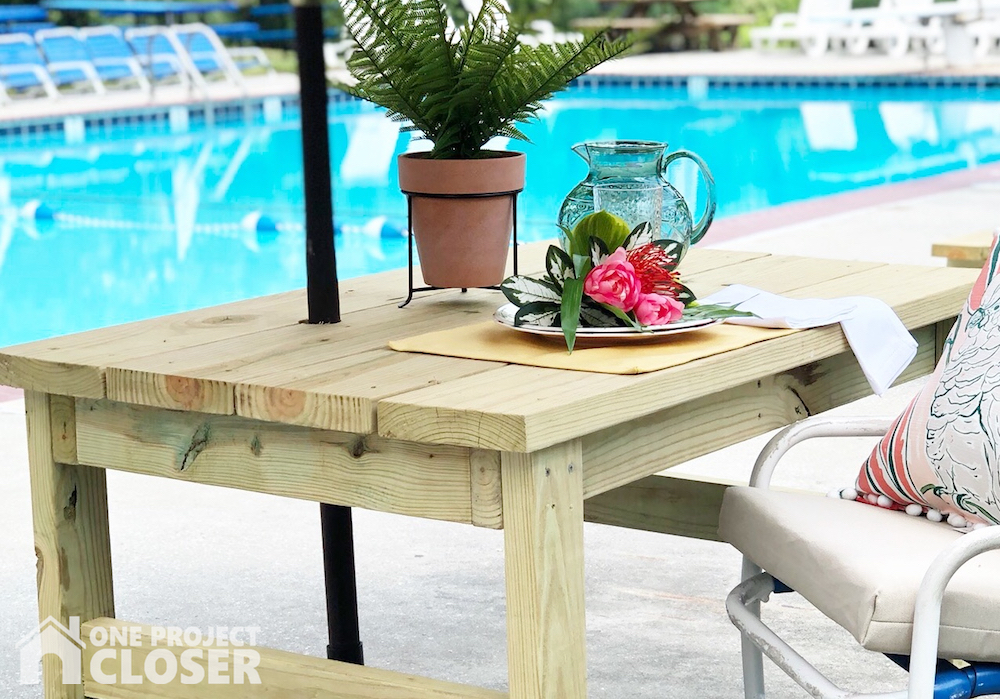
Credit: www.oneprojectcloser.com
Pressure Treatment Basics
Understanding pressure treatment is key for choosing outdoor furniture. It helps wood resist weather damage, insects, and rot. This process extends the life of your wood pieces outdoors. Knowing the basics will guide you in picking the right furniture that lasts.
What Is Pressure Treatment
Pressure treatment is a method to protect wood. It uses strong pressure to push preservatives deep into the wood. These chemicals stop decay caused by moisture and bugs. The process makes wood safer for outdoor use. It also helps the wood keep its strength over time.
Types Of Pressure-treated Wood
There are several types of pressure-treated wood. Each type uses different preservatives for specific needs. Some common types include ACQ, CA, and MCQ. ACQ is popular for outdoor furniture due to its strong protection. CA-treated wood is good for dry areas. MCQ is often used for decks and fences.
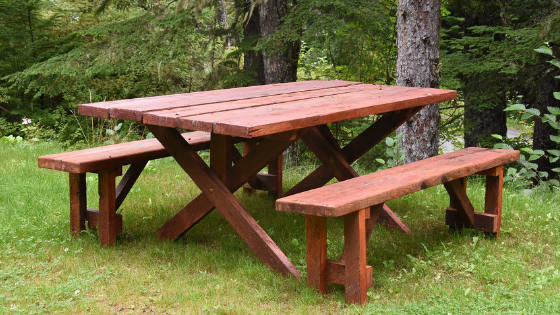
Credit: www.fouroakscrafts.com
Benefits Of Pressure-treated Outdoor Furniture
Pressure-treated outdoor furniture offers many advantages. It lasts longer and keeps its look better. The treatment protects wood from common outdoor problems. It makes furniture a smart choice for gardens and patios.
Below are key benefits of pressure-treated outdoor furniture. These benefits help furniture stay strong and attractive.
Resistance To Rot And Decay
Pressure treatment helps wood resist rot. It slows down decay caused by moisture. This means furniture stays solid and safe. Wet weather won’t quickly damage the wood. Your furniture will keep its shape and strength for years.
Protection Against Insects
Wood pests like termites can ruin furniture fast. Pressure-treated wood repels these insects. The chemicals used make the wood less tasty to bugs. This protection keeps your furniture intact. You avoid costly repairs or replacements.
Durability In Harsh Weather
Outdoor furniture faces sun, rain, and wind. Pressure treatment adds a shield against these elements. It stops warping, cracking, and splitting. The wood handles temperature changes better. Your furniture stays useful and good-looking through all seasons.
Alternatives To Pressure-treated Wood
Pressure-treated wood is common for outdoor furniture. It helps resist rot and insects. Still, some people want other choices. These alternatives can last long and need less care. They also avoid chemicals used in treatment. Explore these options to find the best fit for your outdoor space.
Naturally Durable Woods
Cedar and redwood last well outside. These woods resist insects and moisture naturally. Teak is another strong choice. It ages beautifully and stays sturdy. These woods cost more but last for years. They need less maintenance than untreated softwoods.
Composite Materials
Composite wood mixes wood fibers with plastic. It looks like wood but is stronger. This material resists rot, insects, and fading. You do not need to paint or seal it. Composite furniture stays good through all seasons. It is easy to clean and maintain.
Metal And Plastic Options
Aluminum and steel furniture are very durable. They do not rot or attract bugs. Powder coating protects metal from rust. Plastic furniture is lightweight and easy to move. Both materials require little upkeep. They work well in many outdoor settings.
Maintenance Tips For Outdoor Furniture
Outdoor furniture faces many challenges from weather and daily use. Regular care keeps it strong and attractive. Proper maintenance helps furniture last longer and stay safe for use.
Sealing And Staining
Sealing protects wood from moisture and sun damage. Use a water-resistant sealant for best results. Staining adds color and extra protection. Apply stain with a brush or cloth evenly. Let each coat dry fully before adding another. Repeat every year for lasting defense.
Cleaning Techniques
Clean furniture regularly to prevent dirt buildup. Use mild soap and warm water for most materials. Avoid harsh chemicals that can damage surfaces. Soft brushes or cloths work well for scrubbing. Rinse thoroughly and dry with a towel. Clean cushions separately and air them often.
Storage Recommendations
Store furniture in a dry, covered place during harsh seasons. Use furniture covers to block dust and moisture. Elevate wood pieces off the ground to stop rot. Remove cushions and store them indoors to prevent mold. Regular storage care reduces wear and keeps furniture fresh.
Health And Environmental Considerations
Choosing outdoor furniture involves more than style and comfort. Health and environmental factors matter too. Pressure treating wood can protect furniture, but it also raises safety questions. Understanding these concerns helps you make safer choices for your home and nature.
Chemical Safety
Pressure-treated wood often contains chemicals to prevent decay. Some chemicals can be harmful to humans and pets. Contact with treated wood may cause skin irritation or allergic reactions. Dust from sanding or cutting treated wood can be toxic if inhaled. Avoid burning pressure-treated wood because it releases dangerous fumes.
Use gloves and masks when handling treated wood. Wash hands after touching the furniture. Keep children and pets away from freshly treated surfaces. Knowing chemical risks protects your family’s health.
Eco-friendly Treatment Options
There are safer alternatives to traditional pressure treatment. Some use natural oils or non-toxic preservatives. These options reduce harm to people and the environment. Look for furniture labeled as eco-friendly or made from sustainably sourced wood.
Eco-friendly treatments protect wood without heavy chemicals. They also break down faster in nature. Choosing these options supports a healthier planet while keeping your furniture strong.

Credit: cardinalhomecenter.com
When To Choose Pressure-treated Furniture
Choosing pressure-treated outdoor furniture depends on several important factors. Understanding these can help you pick the right material for your space. Pressure-treated wood offers extra protection against damage. It is useful in certain climates and for specific uses. Consider these key points to decide if pressure-treated furniture suits your needs.
Climate Factors
Pressure-treated wood resists moisture and insects better than untreated wood. It works well in wet or humid areas. Rain, snow, and salty air can cause wood to rot quickly. In dry, mild climates, untreated wood might last longer. Harsh weather calls for stronger protection. Pressure treatment helps outdoor furniture survive tough weather.
Usage Frequency
Furniture used daily needs to be more durable. Pressure-treated wood handles frequent use and wear well. It can withstand heavy weight and movement. For furniture used only occasionally, untreated wood may be enough. Constant exposure to people and items calls for tougher material. Pressure treatment extends the furniture’s life in busy settings.
Budget Considerations
Pressure-treated furniture usually costs more upfront. It saves money over time by lasting longer. Untreated wood is cheaper but may need repairs or replacement. Think about how long you want the furniture to last. Investing in pressure-treated wood can reduce future costs. Balance your budget with the need for durability and maintenance.
Frequently Asked Questions
Does Outdoor Furniture Need Pressure Treatment?
Pressure treatment is recommended for wooden outdoor furniture. It protects against rot, insects, and weather damage. Untreated wood can deteriorate faster outdoors. Using pressure-treated wood extends the furniture’s lifespan and maintains its appearance. However, other materials like metal or plastic do not require pressure treatment.
What Types Of Wood Benefit From Pressure Treatment?
Softwoods like pine and fir benefit most from pressure treatment. These woods are more prone to moisture damage and insect attack. Hardwoods like teak and cedar naturally resist decay and may not need treatment. Pressure-treated wood ensures durability and protection in harsh outdoor environments.
How Long Does Pressure-treated Furniture Last Outdoors?
Pressure-treated furniture typically lasts 10 to 15 years outdoors. Lifespan depends on maintenance, climate, and usage. Regular sealing and cleaning can extend its durability. Untreated wood usually lasts less than 5 years outside. Pressure treatment significantly improves resistance to weather and pests.
Can Pressure Treatment Affect Furniture Appearance?
Pressure treatment may give wood a greenish or brown tint initially. This color fades over time with exposure to sunlight. You can also paint or stain pressure-treated furniture for a desired look. Proper finishing enhances both protection and aesthetics of the furniture.
Conclusion
Outdoor furniture often faces weather and wear. Pressure treatment helps protect wood from damage. It stops moisture and insects from causing harm. This treatment extends the life of your furniture. Yet, some woods naturally resist weather well. Choosing the right material matters too.
Regular care and cleaning keep furniture looking good. Consider pressure treatment as a smart step. It adds strength and durability to your pieces. Protect your outdoor space with proper furniture care. Lasting comfort and beauty come from good choices.