Are you planning to add a floor-to-ceiling bookshelf but unsure about the perfect depth? Choosing the right depth is key to making your bookshelf both functional and stylish.
If it’s too shallow, your books might stick out or fall; too deep, and it could take up unnecessary space. You’ll discover exactly how deep your bookshelf should be to hold your favorite books securely while fitting seamlessly into your room.
Keep reading to find the simple, practical tips that will help you build or buy the ideal bookshelf for your space.
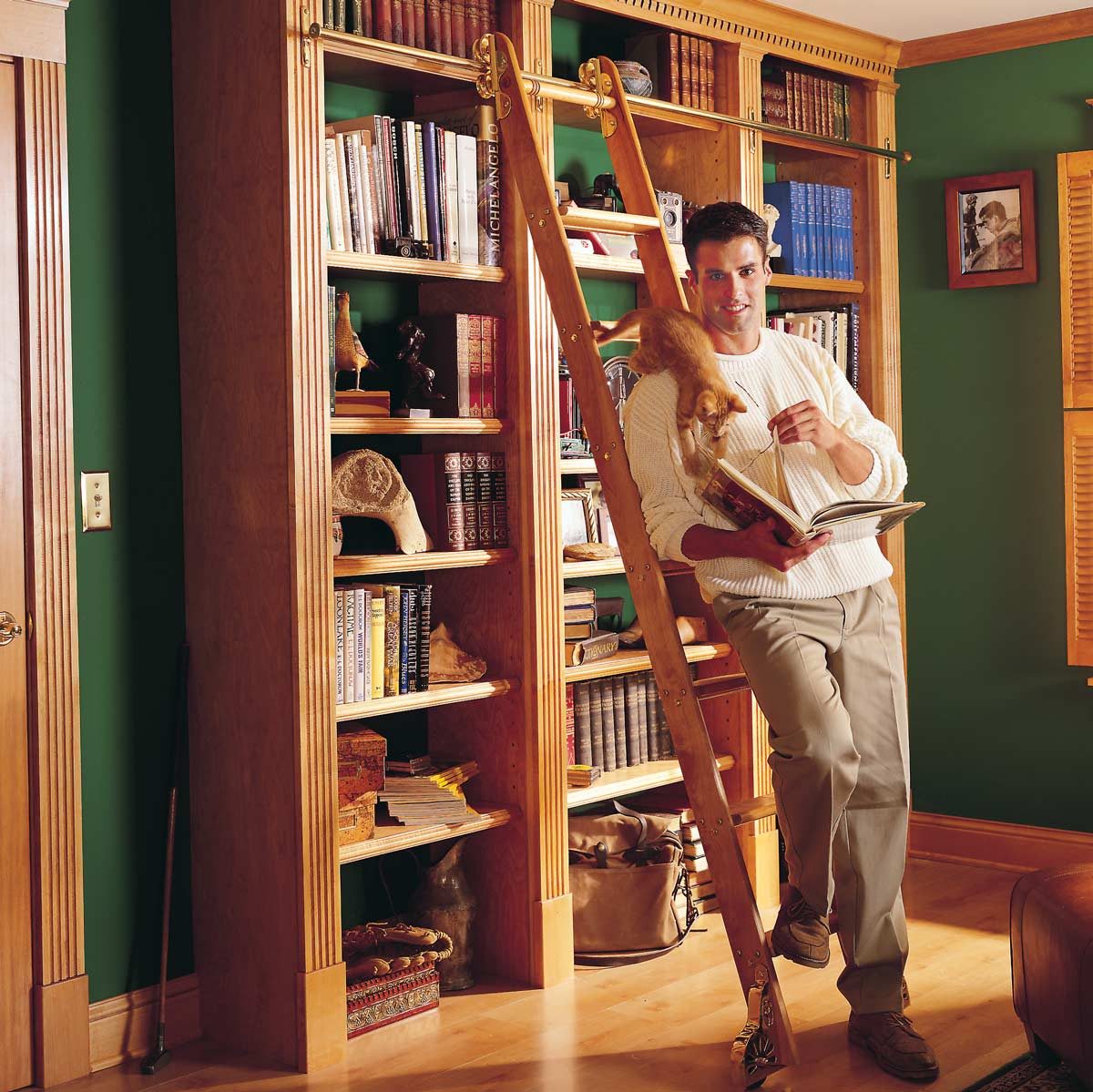
Credit: www.familyhandyman.com
Ideal Depth For Bookshelves
Books come in many shapes and sizes. This variety affects how deep a bookshelf should be. Understanding the common dimensions of books helps plan the perfect shelf depth. Some books are tall and thick. Others are small and thin. Some are oversized and need special space.
Common Book Dimensions
Most novels and paperbacks measure about 5 to 6 inches wide. Their height usually ranges from 7 to 9 inches. Textbooks and larger books often reach 8 to 10 inches wide. Their height can be 10 to 12 inches or more. Standard shelves should allow at least 10 to 12 inches depth. This space fits most everyday books comfortably.
Handling Oversized Books
Oversized books like art, photography, or coffee table books need more room. Their width can exceed 12 inches. Heights can reach 14 inches or taller. Shelves for these books require at least 14 to 16 inches depth. This space prevents books from sticking out or bending. Adjustable shelves also help manage these larger volumes better.
Types Of Books And Their Sizes
Balancing function and aesthetics is key when choosing the depth of a floor to ceiling bookshelf. The right depth helps store items well without crowding the room. It also keeps the bookshelf looking nice and fitting the space. Finding the perfect balance creates a bookshelf that works and looks good.
Maximizing Storage Space
Bookshelves need enough depth to hold books safely. Most books fit well on shelves 10 to 12 inches deep. Deeper shelves can store large books or decorative items. Choosing the right depth avoids wasted space behind items. It also stops books from sticking out too far. Proper depth helps keep everything neat and easy to reach.
Maintaining Room Flow
Too deep bookshelves can block walking paths and make rooms feel tight. Slimmer shelves keep spaces open and easy to move through. They also help light flow better in the room. The right depth fits the room size and style. This balance keeps the room feeling comfortable and welcoming.
Balancing Function And Aesthetics
Choosing the right material affects the depth of a floor-to-ceiling bookshelf. Different materials need different thicknesses for strength. This changes how deep the shelf should be to hold your books safely. The material also impacts the shelf’s look and feel.
Understanding these factors helps you pick a shelf that fits your space and style. Let’s explore how wood and other materials influence the shelf depth.
Wood Thickness Considerations
Wood is a common choice for bookshelves. Its thickness affects shelf depth and strength. Thicker wood supports heavier books without bending.
Standard wood shelves are usually 3/4 inch thick. Thicker wood means stronger shelves but takes more space. Thin wood may need extra support, affecting depth.
Hardwoods like oak or maple are stronger than softwoods. They can hold weight with thinner shelves. This allows for a shallower depth without losing durability.
Alternative Materials
Other materials can change shelf depth needs. Metal shelves are thin but very strong. They allow for slim, deep shelves that hold heavy books.
Engineered wood like MDF is cheaper but less strong. It often requires thicker shelves for support. This increases the bookshelf depth.
Glass shelves look modern but need more thickness for safety. They add depth but offer a sleek design option.
Material Choices And Impact On Depth
Installing floor to ceiling bookshelves requires careful planning and precise work. Proper installation ensures safety and durability. It also maximizes storage space and keeps the shelves stable. This section offers practical tips to help you set up your shelves correctly. Follow these steps to create a secure and flexible bookshelf.
Securing To Walls
Attach the bookshelf firmly to the wall. Use strong brackets or wall anchors for support. Find wall studs with a stud finder for the best hold. Secure the shelf with screws that fit the wall type. Avoid using only nails or weak fasteners. This step prevents the shelf from tipping over. It keeps heavy books safe and stable.
Adjustable Shelving Options
Choose shelves that you can move up or down. Adjustable shelves let you store books of different sizes. Use metal tracks or peg holes for easy adjustment. This flexibility helps organize your collection neatly. It also allows future changes without extra tools. Adjustable shelves save space and improve usability.
Installation Tips For Floor To Ceiling Shelves
Customizing a floor-to-ceiling bookshelf allows you to fit it perfectly into your unique space. Every room has its own shape and size. Adjusting the shelf depth makes it more useful and stylish. It also helps you use your space wisely.
Narrow Or Small Rooms
In narrow or small rooms, deep shelves can feel bulky. Choose a depth between 8 to 10 inches to keep the room open. This size holds most books and small decor items. Slim shelves create more walking space and less crowding. You can also use open shelves to keep the area light and airy.
Incorporating Other Functions
Bookshelves can do more than hold books. Add a desk or seating area within your shelves. Use shallower shelves for display and deeper ones for storage. This mix makes the shelf a multi-use piece. It saves space and adds style to your room. Think about your needs and design accordingly.
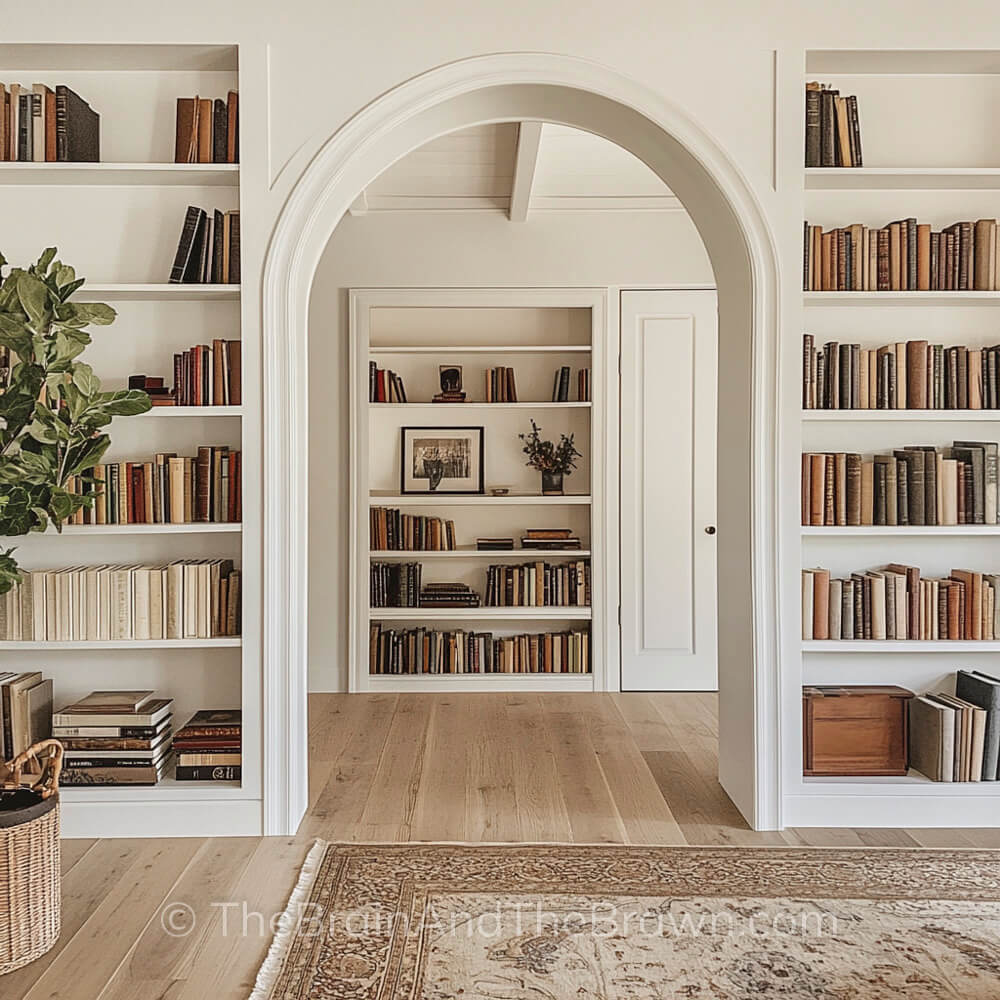
Credit: thebrainandthebrawn.com

Credit: www.modernshelving.com
Frequently Asked Questions
How Deep Should A Floor To Ceiling Bookshelf Be?
A floor to ceiling bookshelf should typically be 10 to 12 inches deep. This depth comfortably fits most book sizes and allows easy access. Deeper shelves may waste space, while shallower ones might not hold larger books securely.
What Is The Ideal Shelf Depth For Large Books?
For large books like art or coffee table books, shelves should be 12 to 15 inches deep. This extra depth accommodates oversized books without overhanging, keeping your bookshelf neat and functional.
Can Bookshelf Depth Affect Room Space?
Yes, deeper bookshelves can make a room feel crowded. Choosing a depth of 10 to 12 inches balances storage needs with maintaining open space, especially in smaller rooms.
How Does Shelf Depth Impact Book Organization?
Shelf depth influences how books are displayed and organized. Proper depth ensures books stand upright without tipping, making it easier to find and access them quickly.
Conclusion
Choosing the right depth for a floor-to-ceiling bookshelf matters. Too shallow, and books may fall or look cramped. Too deep, and the shelf takes up too much space. A depth between 10 to 12 inches usually works best for most books.
This size holds books securely and fits well in many rooms. Think about what you want to store and how much space you have. A well-sized bookshelf keeps your space neat and your books easy to reach. Simple choices make a big difference in your room’s look and feel.