Are your outdoor furniture pieces starting to look worn out or damaged? Termites might be the hidden culprits eating away at your favorite chairs and tables.
You don’t have to watch your outdoor space fall apart. Imagine enjoying your patio without worrying about tiny invaders destroying your investment. You’ll discover simple and effective ways to get rid of termites in your outdoor furniture. Keep reading to protect your outdoor haven and save your furniture before it’s too late.

Credit: www.youtube.com
Identifying Termite Damage
Termites can cause serious harm to outdoor furniture. Early identification of termite damage is key to protecting your wood pieces. Knowing what signs to watch for helps you act quickly. This section explains how to spot termite damage and introduces common termite species found outdoors.
Signs On Wooden Furniture
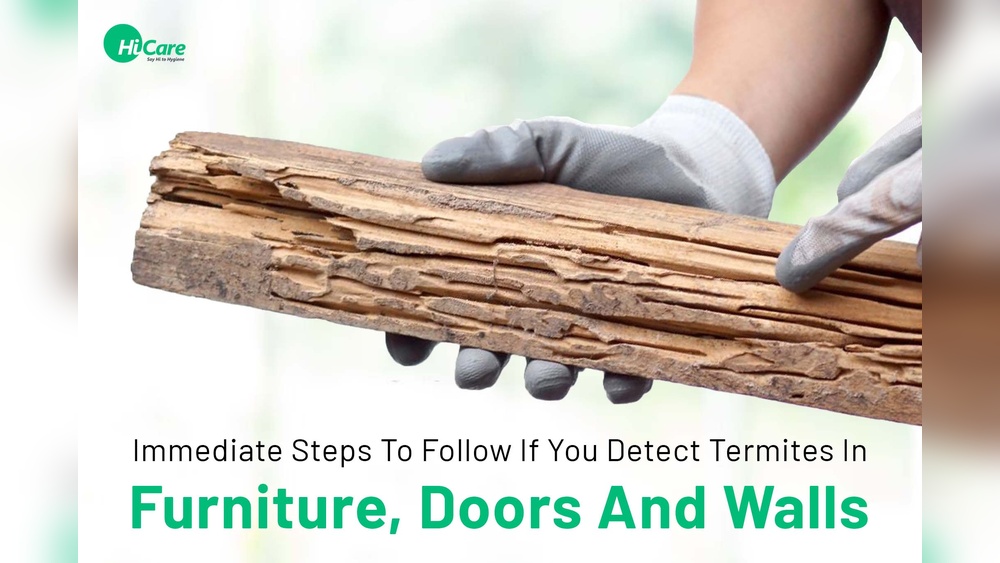
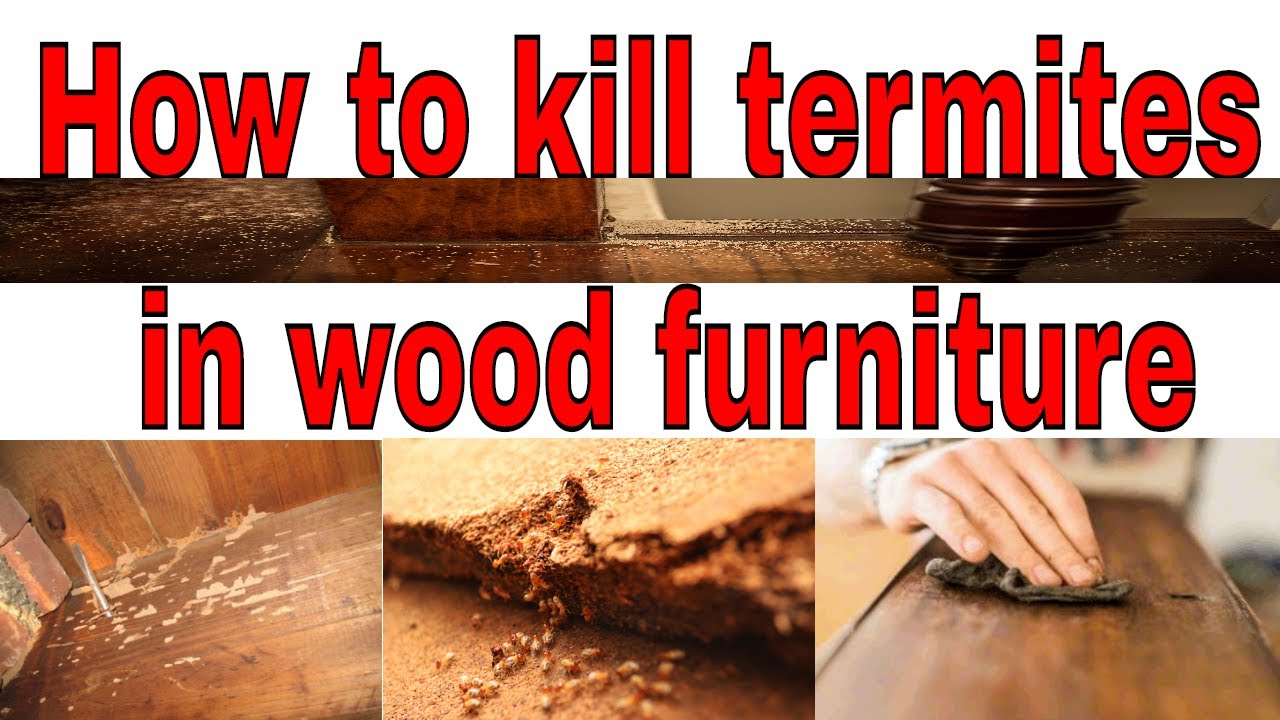
Look closely at the wood surface. Termites create small holes and tunnels. Wood may look blistered or hollow when tapped. You might see mud tubes on legs or undersides. These tubes protect termites from the sun and predators. Loose or peeling paint can also signal termite activity. Check for tiny wings shed near the furniture. They fall off after termites swarm. Damaged wood often feels soft or crumbly. These signs show termites may be inside your furniture.
Common Termite Species Outdoors
Subterranean termites are the most common outdoor pests. They build mud tubes and live underground. Drywood termites live inside dry wood, causing surface damage. Dampwood termites prefer moist wood and can be found near water. Each species leaves different damage patterns. Knowing the species helps choose the right control method. Outdoor furniture often faces threats from subterranean termites. Protecting your wood requires quick action after spotting signs.
Preventive Measures
Preventive measures are the best way to protect outdoor furniture from termites. These insects can cause serious damage, but you can stop them before they start. Taking simple steps helps keep your furniture safe and lasts longer. Focus on the materials, placement, and maintenance to reduce risks.
Choosing Termite-resistant Materials
Select furniture made from termite-resistant wood like teak or cedar. These woods naturally repel termites and last longer outside. Synthetic materials such as metal, plastic, or resin also avoid termite damage. Avoid softwoods that termites easily eat. Using treated wood with protective chemicals can block termite attacks too.
Proper Furniture Placement
Place furniture away from soil and wooden structures. Termites travel from the ground, so avoid direct contact. Use concrete or stone bases to lift furniture off dirt. Keep furniture away from mulch or wood piles, which attract termites. Good airflow around furniture helps keep wood dry and less tempting to termites.
Regular Maintenance Tips
Inspect furniture often for signs of termites or damage. Look for tiny holes, wood dust, or hollow sounds. Clean furniture regularly to remove dirt and moisture. Apply sealants or protective coatings yearly to block termite entry. Fix any cracks or damage immediately to stop termites from entering.
Natural Remedies
Natural remedies offer safe and effective ways to fight termites in outdoor furniture. These methods avoid harsh chemicals and protect the environment. Using natural treatments can keep your furniture termite-free without harming plants or pets.
Using Nematodes
Nematodes are tiny worms that eat termites. They live in soil and find termites easily. You can buy nematodes online or at garden stores. Spray them on the infested wood or soil around your furniture. Nematodes enter termite bodies and kill them quickly. This method is safe and eco-friendly.
Essential Oils That Repel Termites
Some essential oils repel termites naturally. Orange oil and neem oil work well. Mix a few drops of oil with water and spray it on the wood. These oils disrupt termite behavior and keep them away. Regular application helps protect your furniture over time.
Borate Treatments
Borate is a natural mineral that kills termites. It penetrates wood and stops termite growth. Mix borate powder with water and apply it to your furniture. Borate keeps working for months after treatment. It is safe for humans and pets when used correctly.
Chemical Treatments
Chemical treatments offer effective ways to remove termites from outdoor furniture. These treatments target termites directly and stop their damage quickly. Different chemical options exist, each working in unique ways to protect wood and stop infestations.
Liquid Termiticides
Liquid termiticides create a barrier around furniture or soil. Termites that cross this barrier absorb the chemical and die. Applying liquid termiticides carefully protects the wood without harming the furniture’s look. These chemicals often last for several years, providing long-term protection. Proper application is key to making sure termites do not return.
Bait Systems
Bait systems use small stations placed near the furniture. Termites find the bait, eat it, and carry poison back to their colony. This method targets the entire termite group, not just the ones on the furniture. Bait systems need regular checks to replace bait and confirm termite activity. They are less messy than liquid treatments and work well for ongoing termite control.
Safety Precautions
Always wear gloves and masks when handling chemicals. Keep children and pets away from treated areas. Follow all label instructions carefully to avoid accidents. Store chemicals in a safe, locked place. Dispose of empty containers properly to protect the environment. Taking these steps keeps you and your family safe while treating termites.
Professional Pest Control
Professional pest control offers a reliable way to handle termites in outdoor furniture. Experts use safe methods and tools to stop termite damage. They identify the type of termite and the extent of infestation. This approach ensures your furniture gets the right treatment and protection.
When To Call Experts
Call pest control when you see signs of termite damage. These signs include tiny holes, wood dust, or weakened wood. If termites return after DIY treatments, get professional help. Large infestations need expert care to stop spreading. Early action prevents costly repairs and furniture loss.
What To Expect From Services
Experts inspect furniture and surrounding areas carefully. They use treatments like liquid pesticides or bait systems. Professionals may recommend removing badly damaged wood. They also provide advice on preventing future termite problems. Regular follow-ups ensure termites stay away long term.

Credit: www.wikihow.com
Repairing Termite-damaged Furniture
Repairing termite-damaged furniture can save your outdoor pieces and restore their beauty. Termites often eat through wood, leaving weak spots and holes. Acting fast helps prevent more damage and keeps your furniture safe to use. Understanding how to fix these problems is important for every homeowner.
Assessing The Extent Of Damage
First, check the furniture carefully for signs of termites. Look for small holes, tunnels, or soft spots in the wood. Tap the wood gently with a tool to hear if it sounds hollow. The more damage you find, the harder the repair will be. Mark all damaged areas to focus your work.
Diy Repair Techniques
Start by cleaning the damaged wood with a brush to remove dirt and loose particles. Use wood hardener to strengthen soft wood areas. Fill holes and cracks with wood filler or epoxy putty. Sand the surface smooth after the filler dries. Finish by painting or sealing the wood to protect it from future damage.
When To Replace Furniture
Replace the furniture if damage is deep and widespread. If the wood crumbles or breaks easily, repairs may not hold. Also replace if structural parts like legs or joints are weak. Safety matters most. Sometimes new furniture saves time and effort over repairs.
Credit: www.youtube.com
Frequently Asked Questions
How Can I Identify Termites In Outdoor Furniture?
Look for mud tubes, hollow wood, and small holes on furniture. Termites cause wood to sound hollow when tapped. Watch for discarded wings near furniture.
What Natural Remedies Eliminate Termites From Outdoor Furniture?
Apply orange oil, neem oil, or vinegar to affected areas. These natural substances repel or kill termites safely without harsh chemicals.
Are Chemical Treatments Safe For Outdoor Furniture Termites?
Yes, targeted chemical treatments like termiticides are safe when applied properly. Always follow label instructions and avoid contact with skin or pets.
How Often Should I Inspect Outdoor Furniture For Termites?
Inspect furniture at least twice a year, especially in warm, humid climates. Early detection prevents severe damage and costly repairs.
Conclusion
Termites can quickly damage outdoor furniture if left unchecked. Acting fast helps stop the problem early. Regularly check your furniture for signs of termites. Using safe treatments and natural remedies works well. Keep wood dry and clean to avoid attracting pests.
Taking simple steps protects your outdoor space. Stay alert, and your furniture will last longer.