Are you thinking about adding a bunk bed to your home but don’t know where to start? Making a bunk bed might seem tricky, but with the right steps, you can build a strong and safe bed that saves space and looks great.
In this guide, you’ll learn exactly how to make a bunk bed from scratch, using simple tools and clear instructions. By the end, you’ll have the confidence to create a cozy sleeping spot for your kids or guests. Ready to turn your space into something special?
Let’s dive in and make your bunk bed project a success!
Choosing The Right Materials
Choosing the right materials is the first step to build a strong bunk bed. Good materials make the bed safe and last longer. It also helps the bed look nice in the room. Focus on wood type and tools needed.
Selecting Wood Types
Choose wood that is strong and easy to work with. Pine is soft, cheap, and simple to cut. Oak is harder, very strong, and lasts long. Avoid wood with cracks or knots. Check for smooth surfaces to prevent splinters. Wood should be thick enough to hold weight safely.
Gathering Tools And Hardware
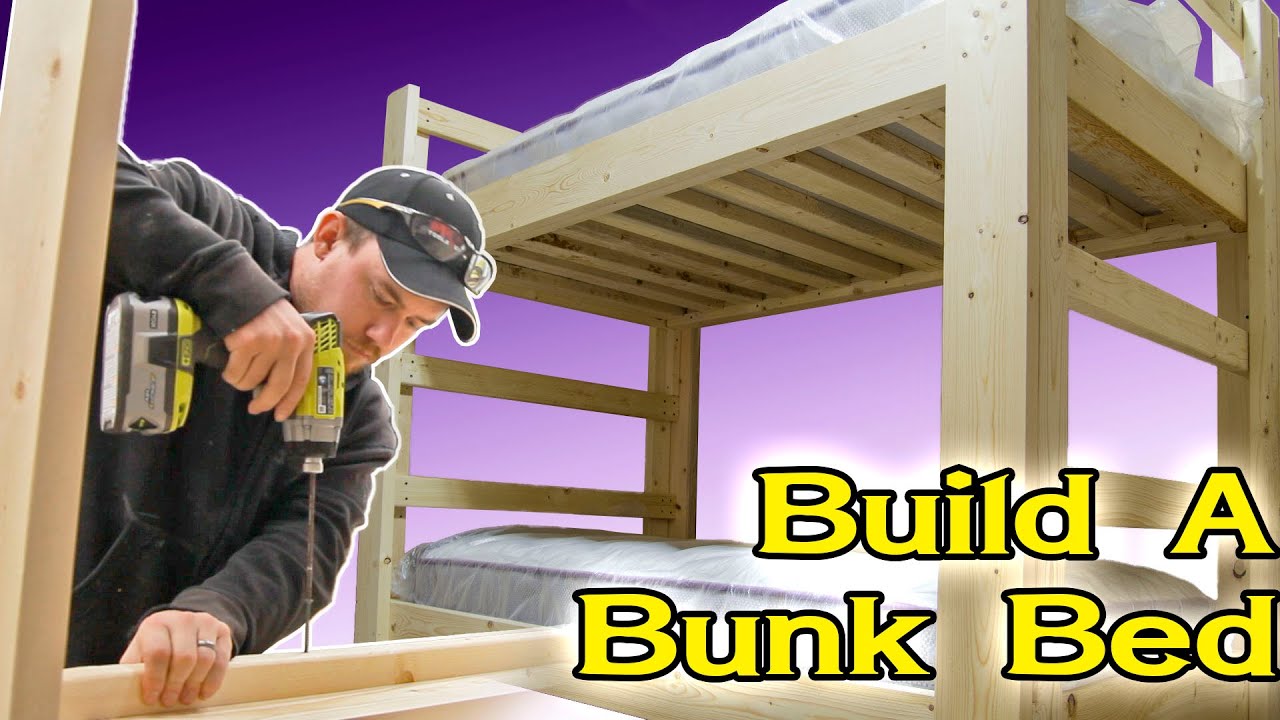
Prepare all tools before starting the project. You need a saw to cut wood pieces. A drill helps to make holes for screws. Use screws and bolts, not nails, for better strength. Sandpaper smooths rough edges for safety. Measure twice to cut once. Safety gear like gloves and goggles protects your hands and eyes.
Credit: www.youtube.com
Planning Your Bunk Bed Design
Planning is the first step in making a bunk bed. It helps avoid mistakes and saves time.
Good planning ensures the bed fits well in your room and is safe to use. Think about who will use the bed and how much space you have.
Measuring Space And Dimensions
Start by measuring the room where the bunk bed will go. Measure the length, width, and height of the space.
Check for any obstacles like windows, doors, or heaters. Leave extra space for moving around the bed.
Measure the size of the mattresses you want to use. Standard sizes help find the right frame size.
Sketching The Layout
Draw a simple plan of the bunk bed on paper. Show the top and side views.
Include dimensions and where each part will go. Mark the ladder, guardrails, and supports.
Sketching helps see if the design fits the space and looks right. Change the plan until you are happy with it.
Cutting And Preparing Wood Pieces
Cutting and preparing wood pieces is a key step in making a bunk bed. It ensures all parts fit perfectly and the bed is strong. Careful work here saves time later. Accurate cuts and smooth surfaces make assembly easier and safer. Follow each step closely for the best results.
Marking Measurements
Start by measuring each wood piece carefully. Use a tape measure and pencil to mark exact lengths. Double-check measurements before marking. Clear, straight lines help guide your cuts. Mark each piece clearly to avoid mistakes during cutting.
Making Accurate Cuts
Use a saw suited for your wood type. Follow the marked lines slowly and steadily. Keep your hands steady and eyes on the line. Accurate cuts prevent gaps and weak joints. Cut all pieces before moving to the next step.
Sanding And Smoothing
After cutting, smooth all edges with sandpaper. Sanding removes splinters and rough spots. Use fine-grit sandpaper for a clean finish. Smooth wood feels safer and looks better. Take your time to ensure every piece is smooth.
Credit: kelseybang.com
Assembling The Frame
Assembling the frame is the first step in making a sturdy bunk bed. It creates the bed’s basic shape and holds everything together. Careful work here ensures safety and durability.
Follow clear steps to put the frame parts together. Use the right tools and check each piece fits well. This makes the bed strong and reliable.
Building The Bed Posts
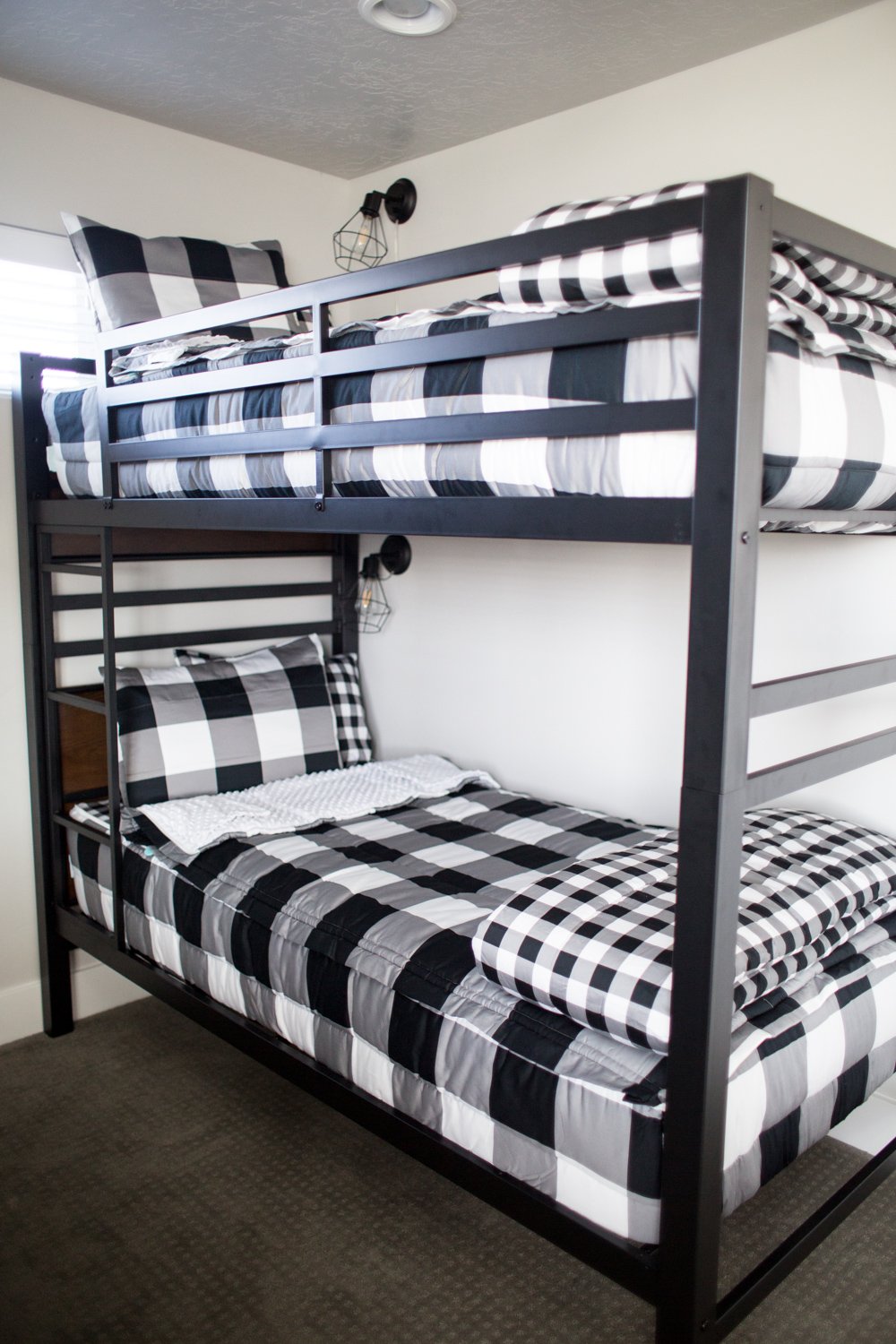
Start by preparing the four bed posts. They support the whole bunk bed. Use strong wood or metal for these posts.
Measure and cut the posts to the right height. Sand any rough edges to avoid splinters. Attach brackets or hardware for added strength.
Constructing The Side Rails
Next, work on the side rails. These connect the bed posts and hold the mattress in place. Choose thick wood for better support.
Cut the rails to the bed’s length. Attach them securely to the posts using screws or bolts. Check that the rails are level and tight.
Attaching Support Slats
Finally, add the support slats across the side rails. Slats hold the mattress and provide extra strength. Space them evenly for good mattress support.
Fix the slats with screws or nails. Make sure they do not move or bend. Properly attached slats keep the bed safe and comfortable.
Adding Safety Features
Adding safety features is key to building a secure bunk bed. Safety keeps kids safe during sleep and play. Simple steps can prevent falls and injuries. Focus on strong guardrails and a steady ladder.
Installing Guardrails
Guardrails stop sleepers from rolling off the top bunk. Use solid wood or metal rails for strength. Attach rails on both sides of the bed. Make sure rails are high enough to cover the mattress edge. Check that no gaps allow a child to slip through. Secure the rails tightly with screws or bolts. Test the rails by pushing them to ensure they don’t move.
Securing The Ladder
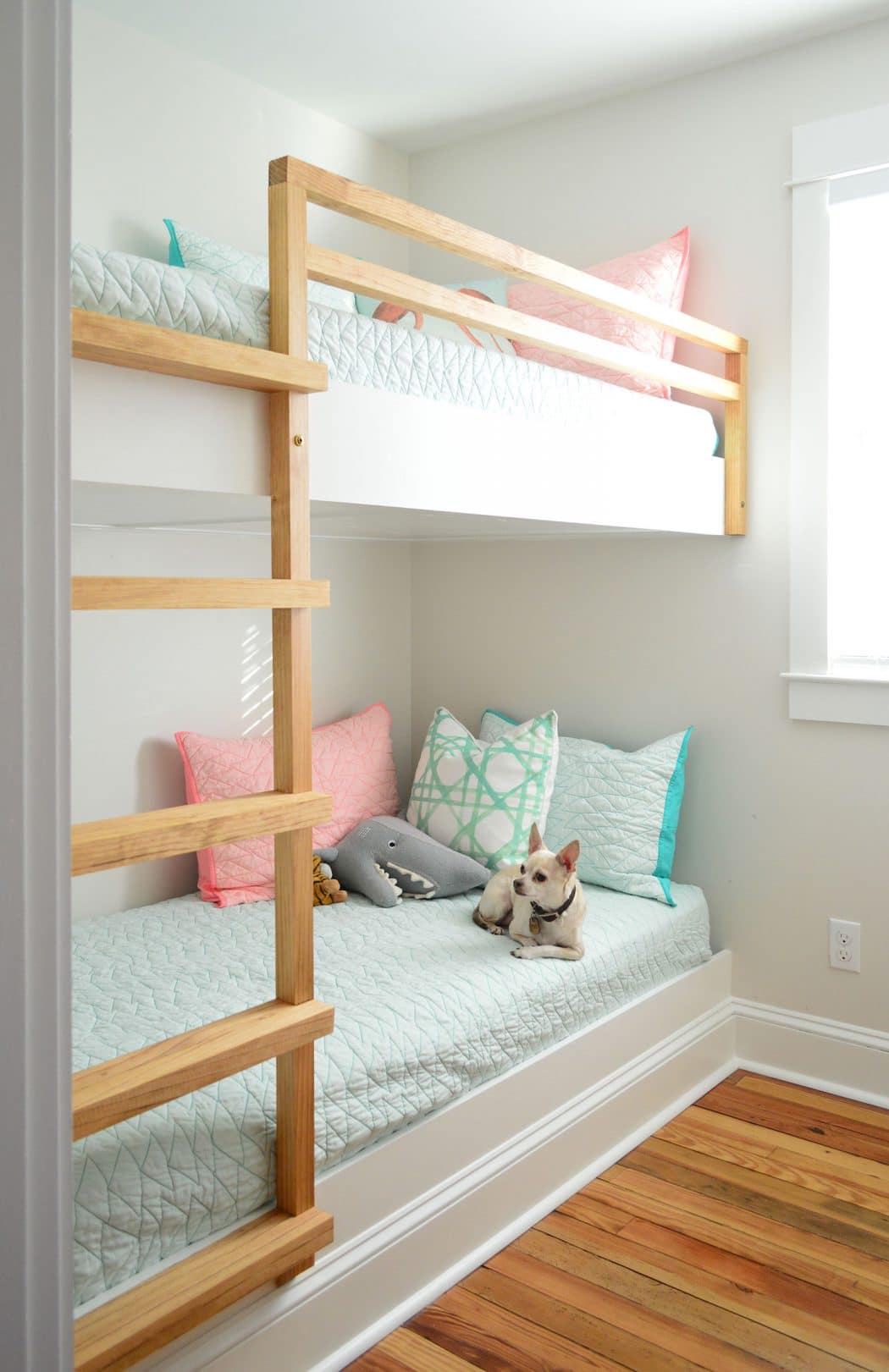
The ladder must stay firm and stable. Attach the ladder to the bunk bed frame with bolts. Avoid ladders that wobble or move when climbed. Use non-slip steps or add grip tape for safety. Place the ladder at a comfortable angle for easy climbing. Regularly check ladder connections to keep it safe. A secure ladder makes climbing up and down easier and safer.
Finishing Touches
Finishing touches make your bunk bed look great and last longer. These final steps add style and comfort. They also protect the wood from damage. Focus on details like color and bedding to complete your project.
Painting Or Staining
Choose paint or stain to match your room’s style. Paint gives bright colors and hides imperfections. Stain shows wood’s natural beauty and grain. Use a brush or spray for even coverage.
Apply a primer before painting for better finish. For stain, wipe off extra with a clean cloth. Let each coat dry fully before adding another. Seal with a clear topcoat to protect the surface.
Adding Mattresses And Bedding
Select firm mattresses that fit the bunk bed frame well. Use mattresses made for bunk beds for safety. Add soft bedding and pillows for comfort.
Choose colors and patterns that match the room. Use washable covers to keep things clean. Secure bedding to avoid slipping or bunching while sleeping.
Maintenance And Safety Tips
Keeping a bunk bed safe and in good shape needs regular care. Safety and maintenance go hand in hand to protect users. Simple steps help avoid accidents and extend the bed’s life.
Regular Inspections
Check the bunk bed often for loose screws or bolts. Tighten any parts that feel weak or shaky. Look for cracks in the wood or metal frame. Watch for worn-out ladders or guardrails. Fix problems quickly to keep the bed sturdy and safe.
Weight Limits And Usage Guidelines
Follow the weight limits set by the bed manufacturer. Do not let more weight than allowed stay on the bed. Teach children to use the bed properly. No jumping or rough play on top bunk. Use guardrails to prevent falls during sleep.
Credit: www.younghouselove.com
Frequently Asked Questions
What Materials Are Needed To Make A Bunk Bed?
To make a bunk bed, you need wood, screws, bolts, a drill, a saw, sandpaper, and safety gear. Choose strong, durable wood like pine or oak for stability. Proper materials ensure safety and long-lasting use.
How Long Does It Take To Build A Bunk Bed?
Building a bunk bed typically takes 6 to 10 hours depending on skill level. Preparation, cutting, assembling, and finishing require patience. Following clear instructions speeds up the process and ensures safety.
What Safety Features Should A Bunk Bed Have?
A bunk bed should have guardrails on the top bunk, sturdy ladders, and secure joints. Ensure the bed is stable and meets safety standards to prevent falls and accidents, especially for children.
Can I Customize The Size Of My Bunk Bed?
Yes, you can customize the bunk bed size to fit your room. Adjust length, width, and height based on mattress size and ceiling clearance. Customizing maximizes space and comfort.
Conclusion
Building a bunk bed can be simple and fun with the right steps. Always measure carefully and choose strong materials. Take your time to follow each step safely. A well-made bunk bed saves space and looks great. Enjoy the process and the result will be worth it.
Now, your room has more space and a cool new bed!
