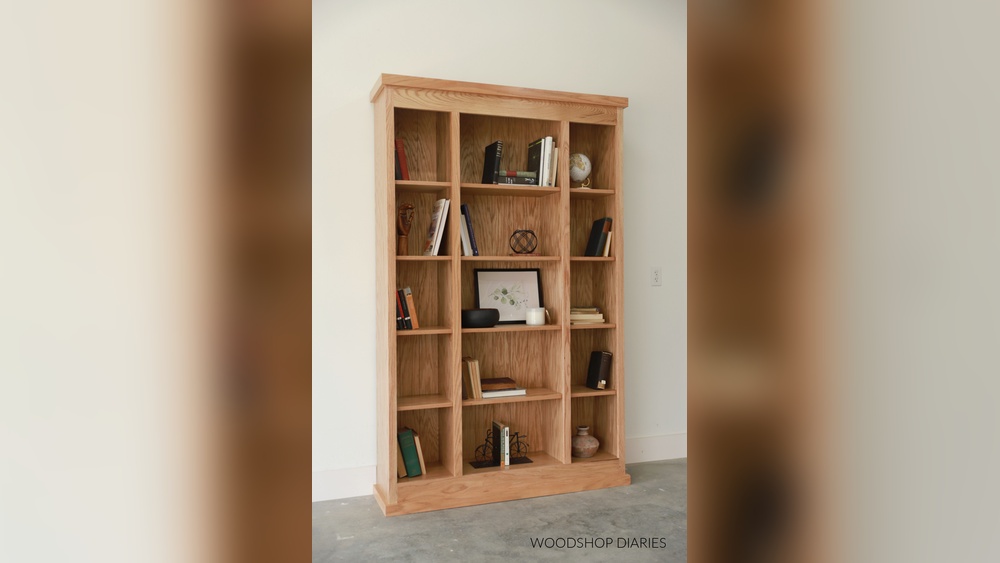
Have you ever wondered how heavy a bookshelf really is? Whether you’re moving into a new home, redecorating your space, or just curious about your furniture, knowing the weight of your bookshelf can save you from unexpected strain or damage.
You might think it’s just a piece of wood with shelves, but the weight can vary a lot depending on size, material, and design. You’ll discover exactly what affects a bookshelf’s weight and how to handle it safely. Keep reading—you’ll find tips that make your next move or setup much easier and stress-free.

Credit: www.amazon.com
Bookshelf Weight Factors
Several factors affect the weight of a bookshelf. Understanding these helps in choosing the right one for your space. The weight depends on what the bookshelf is made of, its size, design, and how much it can hold. Each factor plays a key role in the total weight.
Knowing these details can prevent problems with moving or installing the shelf. It also helps in planning the room layout and ensuring safety.
Material Impact
Bookshelves come in many materials like wood, metal, or plastic. Solid wood shelves weigh more than particleboard or MDF shelves. Metal shelves may be heavy but usually have thinner frames. Plastic shelves are the lightest but less strong. The choice of material directly changes the shelf’s weight and strength.
Size And Dimensions
Bigger shelves weigh more due to more material used. Height, width, and depth all add to the total weight. A tall, wide shelf holds more books but also is heavier. Smaller shelves are easier to move but hold less. Always check the size before buying to estimate the weight.
Design And Structure
The design affects the weight beyond size and material. Shelves with thick panels and extra supports weigh more. Open designs with fewer parts are lighter. Complex designs with drawers or cabinets add weight. How a shelf is built changes how heavy it feels.
Load Capacity
Load capacity means how much weight a shelf can hold safely. Shelves made to hold heavy books use stronger, heavier materials. Lighter shelves have lower load limits. The load capacity guides you on how heavy the shelf will be when full. Always match the shelf to your storage needs.
Common Bookshelf Materials
Bookshelves come in many materials. Each material affects weight and style. Choosing the right one helps match your space and needs. Materials also influence how much a bookshelf weighs. This section explains common bookshelf materials and their weight features.
Wood Types
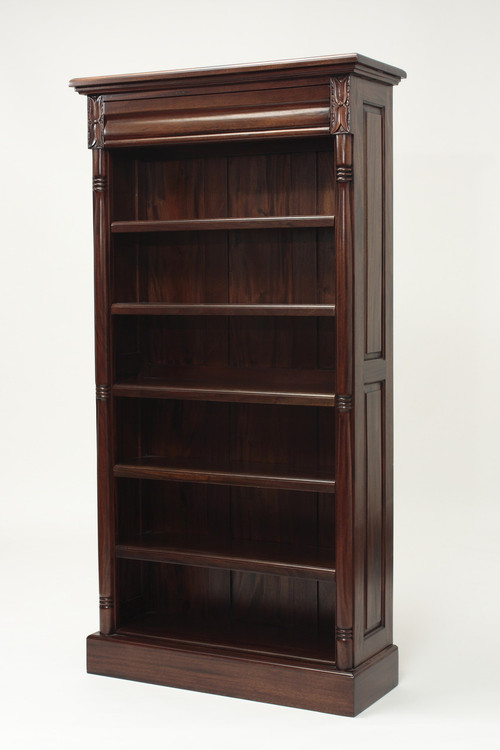
Wood is the most popular bookshelf material. Solid wood feels strong and looks classic. Oak and maple are heavy and last long. Pine is lighter but still sturdy. Engineered wood, like MDF, is cheaper and lighter. Wood shelves can hold many books without bending.
Metal Frames
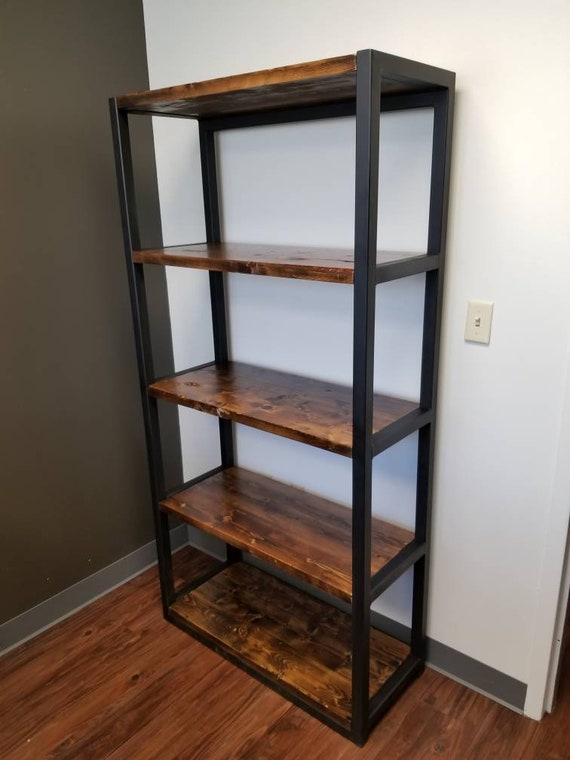
Metal bookshelves are very strong and durable. Steel frames can hold heavy loads easily. Metal shelves are usually lighter than solid wood. They often have a modern or industrial style. Metal resists damage from moisture better than wood.
Plastic And Composite
Plastic shelves are light and easy to move. They do not hold as much weight as wood or metal. Composite materials mix plastic with wood fibers. These shelves are affordable and resist moisture well. They suit small spaces or light storage.
Glass Shelves
Glass shelves look stylish and modern. They are often used for decoration or light books. Glass is heavy but fragile. Tempered glass is stronger and safer than regular glass. Glass shelves need careful handling and support.
Typical Bookshelf Sizes
Bookshelves come in many sizes to fit different spaces and needs. Knowing typical sizes helps you choose the right one. Size affects not only how many books it holds but also its weight and stability. This section breaks down common dimensions to guide your choice.
Standard Heights
Bookshelf heights usually range from 3 to 7 feet tall. Shorter shelves, around 3 to 4 feet, fit well under windows or in small rooms. Taller shelves, 6 to 7 feet, offer more storage for large collections. Height influences the shelf’s weight and how much it can hold safely.
Width Variations
Widths vary widely, often between 24 and 48 inches. Narrow shelves, around 24 inches wide, work well in tight spaces. Wider shelves, up to 48 inches, provide more room for books and decor. The width affects the shelf’s overall footprint and how heavy it will be once loaded.
Depth Considerations
Depth usually ranges from 10 to 16 inches. Shallower shelves, about 10 to 12 inches deep, fit smaller books and save space. Deeper shelves, 14 to 16 inches, hold larger books and boxes comfortably. Depth also impacts the shelf’s weight and stability when filled.
Credit: www.etsy.com
Estimating Bookshelf Weight
Estimating the weight of a bookshelf helps you plan for moving or installing it safely. The weight depends on several factors. These include the material, size, and how many books or items it holds.
Knowing the weight can prevent accidents and damage. It also helps choose the right wall anchors or supports.
Calculating Based On Material
Different materials have different weights. Solid wood shelves are heavier than particleboard or metal ones. For example, oak wood is denser and heavier than pine. MDF shelves weigh more than plywood. To estimate, check the material type and thickness. Multiply by the shelf’s size to find the approximate weight.
Weight Of Empty Vs Loaded
An empty bookshelf weighs less than a loaded one. Books and decorations add significant weight. A full bookshelf can weigh two to three times more than empty. Consider the weight of average books when loaded. This helps avoid overloading shelves or damaging walls.
Average Weight Examples
Small wooden shelves usually weigh 20 to 40 pounds empty. Larger wooden bookshelves can reach 100 pounds or more. A metal bookshelf might weigh 30 to 50 pounds empty. Loaded, a medium bookshelf can weigh between 100 and 200 pounds. Keep these numbers in mind for safe handling and installation.
Impact Of Books On Weight
Books add significant weight to any bookshelf. This weight impacts the shelf’s strength and stability. Understanding how books affect weight helps in choosing the right bookshelf and arranging books properly.
Average Book Weight
Most paperback books weigh between 300 to 500 grams. Hardcovers usually weigh more, about 500 to 900 grams. Large coffee table books can weigh over 2 kilograms. The weight depends on size, page count, and paper quality.
Weight Distribution On Shelves
Evenly spread books prevent shelves from bending or breaking. Place heavier books at the bottom for better balance. Avoid stacking too many books in one spot. This helps maintain shelf shape and safety over time.
Safety And Stability Tips
Use wall anchors for tall or heavy bookshelves. Check shelf brackets and screws regularly for tightness. Avoid overloading shelves beyond their weight limits. Keep heavy items low and near the shelf supports for stability.
Moving And Handling Tips
Moving a bookshelf can be tough. These tips help make it safer and easier. Use the right methods to avoid injury and damage. Protect your home and your back during the move.
Lifting Techniques
Bend your knees before lifting. Keep your back straight. Hold the bookshelf close to your body. Lift with your legs, not your back. Avoid twisting while carrying the shelf. Take small steps and move slowly.
Protecting Floors And Walls
Place soft cloths or blankets under the bookshelf feet. Use corner protectors on walls. Move the shelf carefully around corners. Avoid dragging the bookshelf across the floor. This stops scratches and dents. Check the path for obstacles.
Disassembly Advice
Remove all books and items first. Take apart shelves if possible. Keep screws and small parts in labeled bags. Use simple tools like screwdrivers. Disassemble heavy parts to make lifting easier. Follow the instructions for your bookshelf model.
Choosing The Right Bookshelf
Choosing the right bookshelf is more than picking a design. The weight of the bookshelf affects where you place it and what it can hold. A heavy bookshelf may offer strength but needs strong floors and walls. A light one is easier to move but might hold fewer books. Consider weight carefully for the best fit in your space.
Matching Weight To Space
Measure the area before buying a bookshelf. Large, heavy shelves suit big rooms with strong floors. Small spaces need lighter, compact shelves. Check floor type too. Wood or concrete floors hold more weight than thin carpets. Match shelf weight to your room’s size and floor strength.
Material Durability
Bookshelf weight depends on material choice. Solid wood is heavy but lasts long. Particleboard is lighter but less durable. Metal shelves vary in weight and strength. Choose materials that balance weight and durability. Strong materials protect books and keep shelves steady.
Style And Function
Style affects bookshelf weight and use. Open shelves weigh less and look light. Closed cabinets add weight but protect books from dust. Floating shelves save space but hold less weight. Pick a style that fits your room and holds your books well.
Credit: www.laurelcrown.com
Frequently Asked Questions
How Much Does An Average Bookshelf Weigh?
An average wooden bookshelf weighs between 30 to 70 pounds. Weight depends on size, material, and design. Larger shelves or those made from solid wood weigh more. Lighter materials like MDF or particleboard reduce the overall weight significantly.
What Factors Affect A Bookshelf’s Weight?
Material type, size, thickness, and design influence a bookshelf’s weight. Solid wood is heavier than MDF or metal. Larger dimensions and thicker shelves add weight. Decorative elements or added storage compartments can also increase the total weight.
How Heavy Is A Fully Loaded Bookshelf?
A loaded bookshelf can weigh 100 to 300 pounds or more. Books and decorative items add significant weight. Weight depends on the number and size of books. Heavy objects like encyclopedias or large novels increase the load.
Can A Bookshelf’s Weight Impact Wall Mounting?
Yes, heavier bookshelves require stronger wall anchors and studs. Incorrect mounting risks shelf damage or falling hazards. Always check weight limits and use appropriate hardware. Secure installation ensures safety and stability.
Conclusion
Bookshelf weight depends on size, material, and contents. Wood shelves weigh more than metal or plastic ones. A small bookshelf might weigh around 20 pounds. Large, full shelves can weigh over 100 pounds. Knowing the weight helps with moving and placement.
Always check the weight limit of your space. Choose the right shelf for your needs and safety. Keep your room organized and sturdy with the right bookshelf.