Are you wondering how long your child should sleep in a toddler bed? You’re not alone.
Finding the perfect sleep routine can be tricky, and knowing the right amount of sleep for your little one is key to their growth and happiness. You’ll discover simple, clear answers to help your child get the rest they need — without stress or confusion.
Keep reading to unlock the secrets to better sleep and a happier bedtime for your toddler.
Toddler Bed Transition Timeline
Moving your child to a toddler bed is an important step. It marks growing independence and new sleep habits. The timeline for this transition varies. It depends on the child’s readiness and comfort. Understanding when to make this change helps ensure safety and smooth nights.
Knowing the right time to switch prevents stress. It also creates a positive sleep environment. Below are key points to guide you through the toddler bed transition timeline.
Signs Your Child Is Ready
Your child may climb out of their crib often. They might express interest in a “big kid” bed. Nighttime movements can increase, showing a need for more space. If your child can follow simple rules, it’s a good sign. They should understand not to leave the bed at night.
Typical Age Range
Most toddlers transition between 18 months and 3 years old. Some children may switch earlier or later. Every child grows at their own pace. Watch for physical growth and behavior changes. These often signal the right time for a bed change.
Balancing Safety And Comfort
Choose a toddler bed with guardrails to prevent falls. Place the bed away from windows and sharp objects. Use soft bedding that is breathable and snug. Keep the room calm and dark to help your child sleep. Comfort and safety together support a good night’s rest.
Recommended Sleep Duration
Understanding the right amount of sleep for your toddler in a toddler bed is important. Sleep helps their growth, mood, and learning. Each child has different sleep needs. Knowing how much sleep your child requires can guide you in setting a good bedtime routine.
Sleep Needs By Age
Toddlers aged 1 to 2 years usually need 11 to 14 hours of sleep daily. This total includes both night sleep and naps. At 3 years old, most children need about 10 to 13 hours of sleep. These hours help their bodies and brains develop properly. Too little sleep can cause fussiness and trouble learning.
Naps Vs Night Sleep
Naps are important for toddlers to recharge during the day. Toddlers often take one or two naps daily, lasting 1 to 3 hours. Night sleep should be longer, usually 10 to 12 hours. Together, naps and night sleep add up to the total sleep need. Skipping naps can make night sleep harder.
Adjusting Sleep Schedules
Toddlers’ sleep patterns change as they grow. Watch your child’s behavior to know if they need more or less sleep. Gradually shift bedtime or nap times by 15 to 30 minutes if needed. Keep sleep times consistent to help your child’s body clock. A calm routine before bed helps children fall asleep faster.
Creating A Sleep Routine
Creating a sleep routine helps toddlers feel safe and ready for bed. A regular routine sets clear expectations. It makes bedtime smoother and helps your child sleep longer. Toddlers thrive on predictability. A calm routine reduces stress for both kids and parents.
Consistent Bedtimes
Set the same bedtime every night. Consistency helps your child’s body clock. A steady sleep schedule makes falling asleep easier. Try to keep weekends and weekdays similar. This stability supports better sleep quality.
Calming Pre-sleep Activities
Choose quiet, relaxing activities before bed. Reading a story or gentle music works well. Avoid screens and loud play. These activities signal it’s time to wind down. They help your toddler relax and feel sleepy.
Handling Night Wakings
Night wakings are normal for toddlers. Stay calm and quiet when your child wakes. Use a soft voice and gentle touch. Avoid turning on bright lights or playing. Help your toddler return to sleep quickly. Consistent responses teach your child to self-soothe.

Credit: www.flyawaydesigns.com
Safety Tips For Toddler Beds
Ensuring your toddler’s safety in their new bed is very important. Toddler beds are smaller and closer to the ground, but risks still exist. Taking the right safety steps helps prevent injuries and gives parents peace of mind. A safe sleep space supports healthy rest and growth for your child.
Choosing The Right Bed
Select a toddler bed with sturdy rails on both sides. Rails help stop your child from rolling out. The bed should be low to the floor for easy climbing and less injury risk. Avoid beds with sharp edges or loose parts. Check the mattress fits snugly to avoid gaps where your child could get stuck.
Preventing Falls
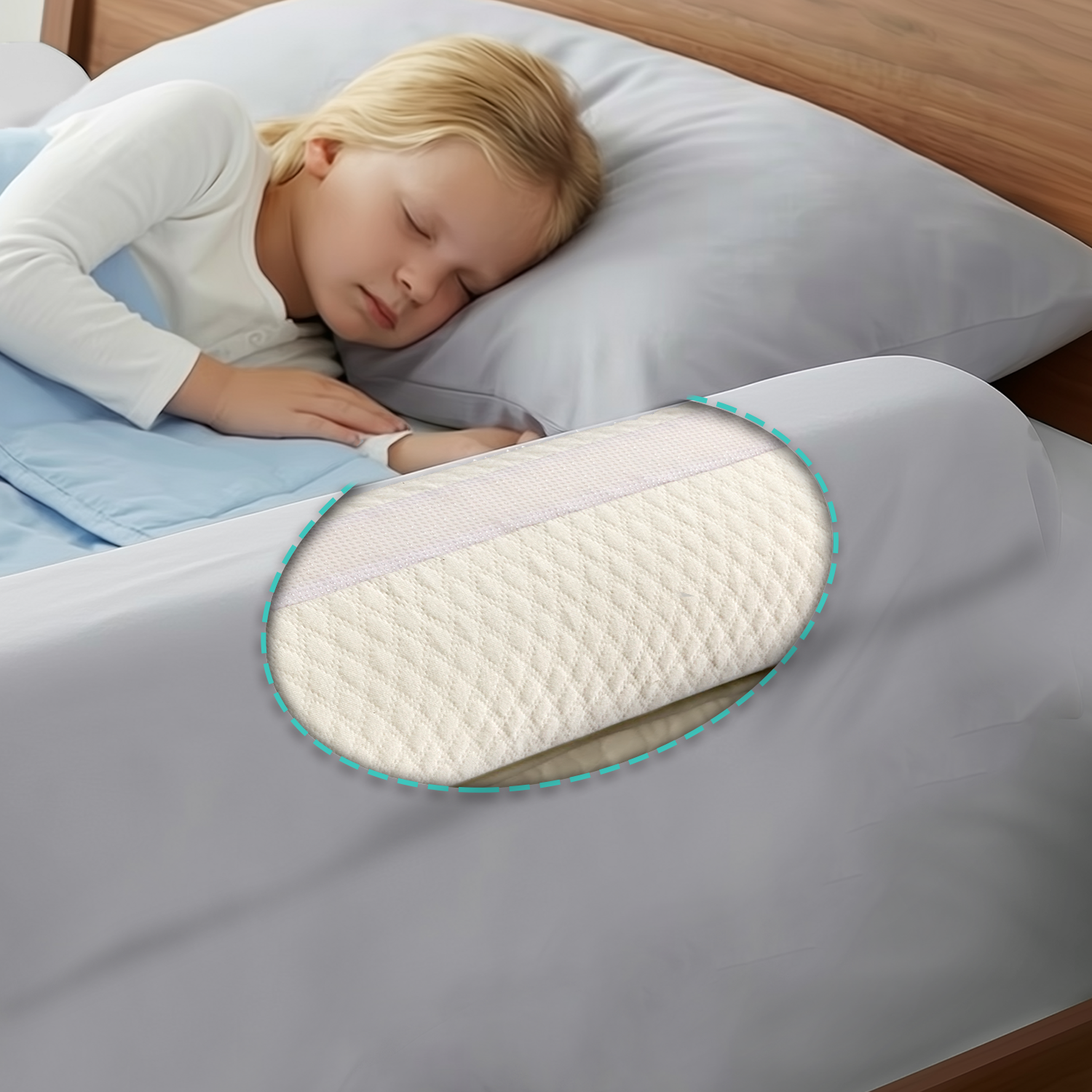
Use guardrails that are securely attached. Place the bed away from windows or furniture your child could climb. Consider a soft rug or carpet next to the bed. This cushions any accidental falls. Teach your toddler to get in and out carefully. Regularly check the bed for wear or damage.
Room Childproofing
Remove small toys and objects near the bed to prevent choking hazards. Secure cords from blinds or curtains out of reach. Cover electrical outlets with safety plugs. Keep heavy furniture anchored to the wall. Maintain a clear pathway around the bed to avoid trips. These steps create a safer sleep environment.
Common Sleep Challenges
Transitioning to a toddler bed is a big step for your child. This change can bring some common sleep challenges. Knowing these issues helps parents handle them calmly. Understanding what your child faces at bedtime makes nights smoother.
Resistance To Bedtime
Many toddlers resist going to bed. They may want to play more or stay close to parents. Saying no and crying are usual signs. Establishing a bedtime routine helps reduce this resistance. Calm and consistent rules make children feel safe.
Nighttime Fears
Darkness and new surroundings can cause fear. Toddlers might imagine monsters or feel lonely. Night lights and comfort objects can ease their worries. Listening and comforting your child builds trust. Reassurance helps children feel secure and sleep better.
Adjusting After Disruptions
Travel, illness, or changes at home can disrupt sleep. Toddlers need time to adjust back to routines. Patience is key during these periods. Keep bedtime rituals steady to restore good sleep habits. Small steps help children settle into their beds again.

Credit: myfirstnursery.co.uk
When To Consult A Pediatrician
Knowing when to consult a pediatrician about your toddler’s sleep is important. Sleep issues can affect your child’s health and development. Early help can prevent bigger problems later. Watch your child closely and trust your instincts. Talk to a doctor if you notice anything unusual.
Sleep Disorders Signs
Frequent night waking or difficulty falling asleep can signal sleep disorders. Loud snoring or gasping for air during sleep is a red flag. Excessive daytime sleepiness or trouble staying awake may also indicate a problem. If your child shows these signs, seek medical advice promptly.
Behavioral Concerns
Changes in mood or behavior may relate to poor sleep. Irritability, hyperactivity, or trouble concentrating can stem from sleep problems. If your toddler acts very different or struggles at daycare, consider a pediatric visit. A doctor can help find the cause and suggest solutions.
Growth And Development Issues
Poor sleep can slow your child’s growth and development. Noticeable delays in physical skills or speech might need evaluation. Lack of energy or weak immune response also deserves attention. Pediatricians can assess these issues and guide proper care.
Credit: www.hiccapop.com
Frequently Asked Questions
How Many Hours Should Toddlers Sleep In A Bed?
Toddlers typically need 11-14 hours of sleep daily. This includes naps and night sleep. Proper sleep supports growth and development.
When To Transition My Child To A Toddler Bed?
Transition usually occurs between 18 months and 3 years. Watch for safety concerns in cribs or readiness signs from your child.
How Long Do Toddlers Usually Stay In Toddler Beds?
Most children use toddler beds for 1-3 years. Transition to a regular bed often happens around ages 3 to 5.
What Are Signs My Child Is Ready To Leave A Toddler Bed?
Signs include climbing out of the crib or toddler bed and showing interest in a bigger bed.
Conclusion
Choosing the right sleep time in a toddler bed helps your child grow well. Toddlers need about 11 to 14 hours of sleep every day. This includes naps and night sleep. Watch for signs your child is ready to move from a crib.
Safety and comfort matter most during this change. Keep routines steady to help your child feel secure. Good sleep builds a strong body and mind. Trust your instincts and adjust as needed. Sweet dreams start with the right sleep schedule.