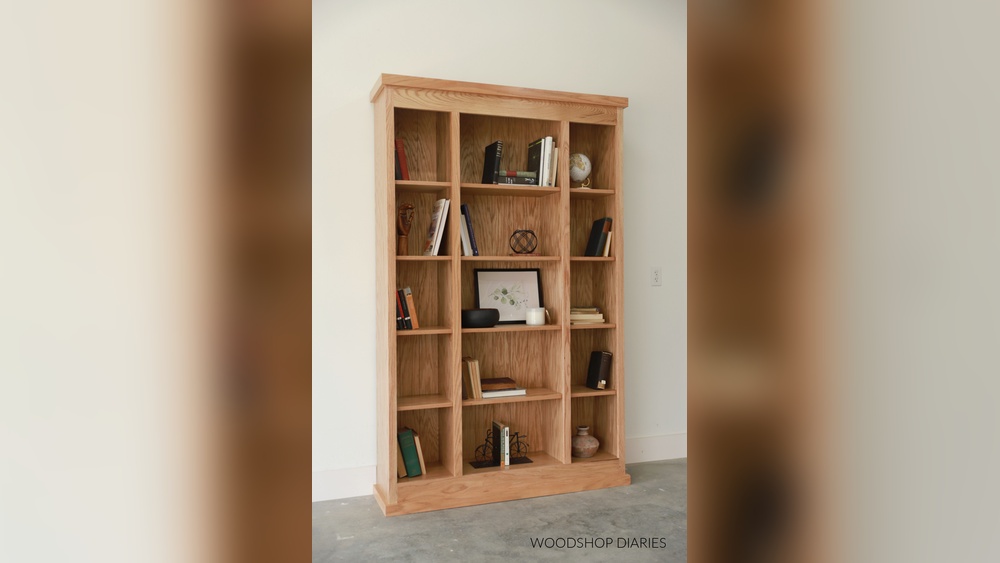
Have you ever paused to think about the words you use every day, like “bookshelf”? It seems simple, but understanding how many syllables are in a word can change the way you read, write, and even speak.
If you’ve ever wondered how to break down “bookshelf” or why syllables matter, you’re in the right place. Keep reading, and you’ll discover something surprising about this common word—and learn a quick tip that makes mastering syllables easier than you think.
Your language skills are about to get a boost!
Bookshelf Syllable Count
The word “bookshelf” is common in English. Understanding its syllable count helps with pronunciation and writing. Knowing syllables improves reading fluency and poetry skills. Let’s explore how many syllables are in “bookshelf” and how to say it clearly.
Breaking Down The Word
“Bookshelf” is made of two parts: “book” and “shelf.” Each part is one syllable. When joined, they form a two-syllable word. So, “bookshelf” has two syllables in total. You say it as “book-shelf,” with a slight pause between the sounds.
Syllable Pronunciation Tips
Focus on saying each part slowly at first. Say “book” clearly, then “shelf.” Practice saying “bookshelf” smoothly by joining the two parts. Stress the first syllable “book” a little more than “shelf.” This helps make the word sound natural in speech.

Credit: businessinrhyme.com
Why Syllable Count Matters
Syllable count matters because it shapes how we speak and write. It helps us understand the rhythm and flow of words. Knowing syllables makes language clearer and more pleasant to hear. It also guides the structure of poems and stories. Counting syllables can improve reading and writing skills. For learners, it builds better pronunciation and comprehension.
Importance In Poetry And Writing
Poetry depends on syllable count for rhythm and beat. Poems like haikus have strict syllable rules. Writers use syllables to create a smooth, musical flow. This makes poems easy to read and enjoy. Syllable awareness helps writers choose the right words. It adds balance and harmony to their work.
Role In Language Learning
Counting syllables aids language learners in speaking clearly. It breaks words into smaller, easy parts. Learners practice each syllable to improve pronunciation. This builds confidence in speaking and reading. Syllables also help with spelling and listening skills. Knowing syllables speeds up language learning progress.
Methods To Count Syllables
Counting syllables can be simple with the right methods. Syllables are the beats or sounds in words. Knowing how to count them helps with reading and writing. Here are three easy ways to count syllables in the word “bookshelf” or any other word.
Clapping Technique
Say the word slowly out loud. Clap your hands each time you hear a sound or beat. For “bookshelf,” clap twice: “books” and “helf.” This method helps feel the rhythm of the word. It works well for all ages and can be done anywhere.
Using Online Tools
Many websites and apps count syllables for you. Just type the word into the search box. The tool shows the number of syllables quickly. This is helpful for tricky words or fast checks. It saves time and is easy to use.
Phonetic Approach
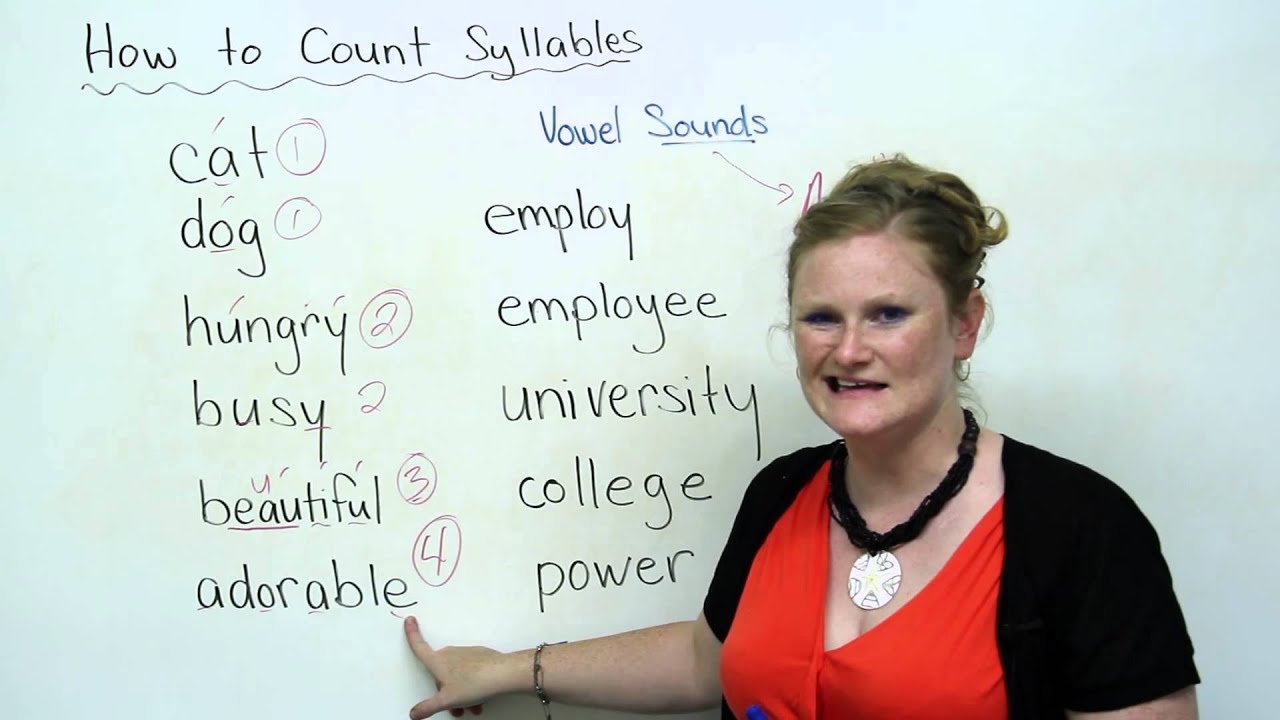
Look at the sounds in the word, not just the letters. Break it down into vowel sounds. Each vowel sound usually means one syllable. For “bookshelf,” there are two vowel sounds: “book” and “shelf.” This method helps understand word pronunciation better.

Credit: www.youtube.com
Common Mistakes In Syllable Counting
Syllable counting seems simple but often causes mistakes. Many struggle to count syllables correctly in words like “bookshelf.” Errors happen due to how people say words or differences in accents. Knowing common mistakes helps improve accuracy.
Mispronunciation Issues
Mispronouncing a word can change its syllable count. Some say “bookshelf” too quickly, blending sounds. This makes it feel like one syllable instead of two. Clear speech helps count syllables right. Focus on how each part sounds. Break the word into small pieces when you say it.
Regional Accent Variations
Accents change how people say words. In some places, “bookshelf” sounds like two syllables. Elsewhere, it might sound like one or three. These differences cause confusion in counting syllables. Understanding your accent helps. Listening to others can show how syllables vary. Practice with different voices to learn true counts.
Fun Exercises With ‘bookshelf’
Playing with the word “bookshelf” can make learning fun. It helps children understand syllables and sounds. These simple exercises improve language skills and make words easier to remember.
Try these activities to explore the syllables in “bookshelf.” They are easy and enjoyable for all ages.
Syllable Clapping Games
Clap your hands for each syllable in “bookshelf.” Say the word slowly and clap twice. This shows “bookshelf” has two syllables.
Use other words and clap to count their syllables. This helps with rhythm and pronunciation. Make it a group activity to boost learning.
Rhyming Word Challenges
Think of words that rhyme with “bookshelf.” Examples include “self” and “delph.” This game improves listening skills and vocabulary.
Challenge friends or family to find more rhyming words. It makes learning words exciting and interactive. Use simple words to keep it easy and fun.
Credit: www.youtube.com
Frequently Asked Questions
How Many Syllables Are In The Word Bookshelf?
The word “bookshelf” has two syllables. It is divided as “book” and “shelf. ” This makes it easy to pronounce and count.
Why Count Syllables In Words Like Bookshelf?
Counting syllables helps with pronunciation, poetry, and language learning. It improves reading and speaking skills effectively.
Is Bookshelf A Compound Word With Syllables?
Yes, bookshelf is a compound word made of “book” and “shelf. ” Each part contributes one syllable.
How To Break Bookshelf Into Syllables Easily?
Say the word slowly and listen for vowel sounds. Break it into “book” and “shelf” for two syllables.
Conclusion
Bookshelf has two syllables: “book” and “shelf. ” Knowing syllable counts helps with reading and speaking clearly. It also aids in poetry and language learning. Words with fewer syllables are easier to say and remember. Practice by breaking words into parts.
This simple skill improves your English step by step. Keep exploring new words and their sounds. Understanding syllables makes language fun and easier to use.