Are you thinking about adding a bunk bed to your home but wondering how much headroom you really need? Getting the right space between the mattress and the ceiling can make all the difference.
Too little headroom, and you or your kids might constantly bump your heads. Too much, and you could be wasting valuable space. You’ll discover exactly how much headroom a bunk bed should have to keep things safe, comfortable, and practical.
Keep reading to find the perfect balance for your room!
Ideal Headroom For Bunk Beds
Headroom is the space between the top of the mattress and the ceiling or the bottom of the upper bunk. It affects comfort and safety for the person using the bed. Enough headroom helps avoid bumps and makes it easier to sit up or move around.
Choosing the right headroom depends on many things. This section explains the standard measurements and factors that influence the ideal headroom for bunk beds.
Standard Measurements
Most bunk beds offer between 30 to 36 inches of headroom. This space allows an average adult or child to sit up comfortably. Some beds designed for smaller rooms may have less space, around 28 inches. Taller people need more headroom to avoid hitting their heads.
Building codes often suggest a minimum of 33 to 36 inches for safety. This range works well for most users and helps prevent accidents. Measuring your room height and mattress thickness is important to ensure proper headroom.
Factors Influencing Headroom
Ceiling height in the room is a key factor. Lower ceilings limit headroom, so choose beds with shorter frames. Mattress thickness also affects headroom. Thicker mattresses reduce space above the sleeper’s head.
The age and height of the sleeper matter too. Kids need less space than adults. Bunk beds for children can have slightly less headroom but still need enough room to move safely.
Design elements such as guardrails and ladder placement can reduce usable headroom. Check these details before buying or building. Proper headroom makes bunk beds more comfortable and safer for everyone.
Measuring Space Between Beds
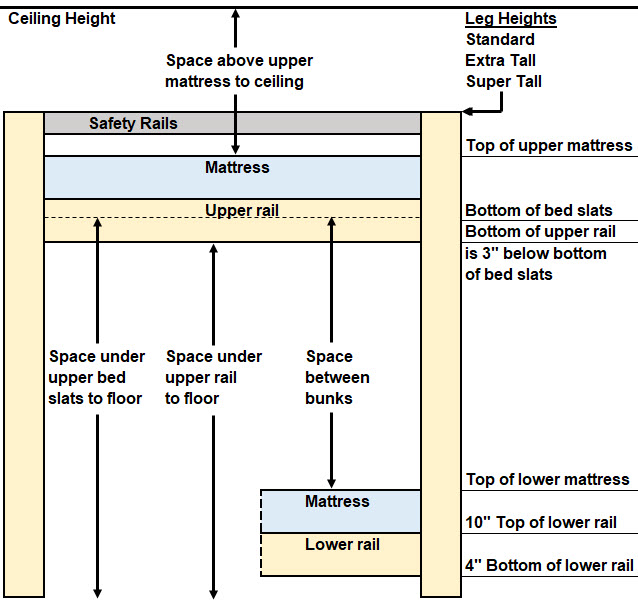
Measuring the space between beds is important for safety and comfort. It helps to decide the right height for each bunk. Proper space prevents bumping heads and allows easy movement. Keep in mind the height of the mattress and the thickness of bedding. These affect the total space available between the top and bottom bunks.
Top And Bottom Bunk Clearance
The space between the top and bottom bunk is called clearance. Aim for at least 30 inches of clearance. This space lets the person on the bottom sit up comfortably. It also gives enough room for the person on top to sleep without hitting the ceiling. Too little clearance can cause discomfort and accidents.
Ceiling Height Considerations
Measure the total ceiling height in the room. Subtract the height of the bunk bed from the ceiling height. This shows how much space is left above the top bunk. A minimum of 36 inches between the top bunk and ceiling is ideal. This space helps prevent head bumps and improves air circulation. Keep the room’s ceiling height in mind before choosing a bunk bed.
Safety And Comfort Standards
Safety and comfort are the top priorities for bunk beds. Proper headroom helps prevent accidents and ensures a good night’s sleep. It also makes the bed feel less cramped and more inviting. Meeting safety standards protects children and adults alike from injuries. Comfort standards improve the overall experience of using a bunk bed daily.
Understanding the right amount of headroom is key to creating a safe and cozy sleeping space. This section covers essential guidelines to keep your bunk bed safe and comfortable.
Minimum Clearance Guidelines
The recommended minimum headroom between the top mattress and the ceiling is 33 to 36 inches. This space allows enough room to sit up without hitting the head. Building codes often require at least 30 inches of clearance. Less space can cause discomfort and increase the risk of injury. Always measure carefully before installing a bunk bed. Follow these guidelines to ensure safe and comfortable use.
Preventing Head Injuries
Head injuries are common with low-clearance bunk beds. A soft, padded guardrail can reduce bumps during sleep. Teach children to sit up slowly and be careful when climbing down. Avoid sharp or hard objects near the bed edges. Proper lighting near the bed helps prevent accidental hits. Taking these steps lowers the chance of painful head injuries.

Credit: www.maxtrixkids.com
Maximizing Space Efficiency
Maximizing space efficiency in a room with bunk beds is key. Proper headroom ensures comfort and safety. It also allows room for extra furniture or activities underneath. Balancing headroom and space helps create a practical living area. Smart choices in bed design can make a big difference in small rooms.
Adjustable Bunk Bed Designs
Adjustable bunk beds help save space by changing height. You can raise or lower the top bunk as needed. This flexibility fits different ceiling heights and room sizes. It also lets you adapt the space for different uses. Adjustable beds offer both comfort and space-saving benefits.
Using Loft Beds For Extra Room
Loft beds free up floor space by raising the bed high. This creates room underneath for desks, seating, or storage. Loft beds work well in small rooms with limited space. They provide a cozy sleeping area without crowding the room. Using loft beds is a smart way to add usable space.
Customizing Headroom For Different Users
Customizing headroom in a bunk bed is important for comfort and safety. Different users need different amounts of space. This helps avoid bumps and makes the bed pleasant to use. Adjusting headroom depends on age, height, and daily activities. Here’s how to customize headroom for kids and adults.
Kids Vs. Adults
Kids need less headroom than adults. Young children are smaller and sit or lie down more. Around 33 to 36 inches of headroom is usually enough for kids’ bunk beds. This space allows them to move safely without feeling cramped. Adults need more room to sit up and move comfortably. For adults, aim for 38 to 42 inches of headroom. This prevents hitting their heads and makes the bed more usable.
Accommodating Taller Individuals
Taller people need extra headroom to avoid discomfort. Their height requires more vertical space to sit up straight. Add 4 to 6 inches above the average headroom for tall users. This adjustment keeps the bunk bed practical for reading or relaxing. Consider ceiling height and bed design to fit taller individuals. Proper headroom makes the bunk bed safe and enjoyable for everyone.
Credit: www.collegebedlofts.com
Common Mistakes To Avoid
Choosing the right headroom for a bunk bed is important for safety and comfort. Many people make mistakes that cause problems later. Understanding these common errors helps you avoid issues and enjoy your bunk bed more.
Too Little Clearance
Too little space between the top bunk and the ceiling causes discomfort. It makes sitting up hard and increases the risk of bumping your head. Always allow enough room to sit up easily without hitting the ceiling.
Experts suggest at least 30 inches of clearance. This space helps with movement and air circulation. Avoid tight spaces that feel cramped or unsafe.
Ignoring Room Layout
Ignoring the room’s size and shape leads to poor bunk bed placement. Placing the bed too close to walls or other furniture limits headroom. It also makes the room feel crowded and harder to move around.
Measure your room carefully. Plan where the bunk bed fits best with enough clearance on all sides. Think about doors, windows, and lighting to create a safe, open space.
Tips For Measuring Headroom Accurately
Measuring headroom for a bunk bed is important for safety and comfort. You need to get the height right to avoid bumps and ensure enough space to sit or move. Accurate measurement helps you decide how much space is needed between the top bunk and the ceiling.
Taking correct measurements prevents problems later. Follow simple steps to measure headroom carefully. Use the right tools and methods for the best results.
Tools Needed
Use a tape measure or a laser distance measurer. Both tools give quick and accurate results. A step stool or ladder helps reach higher areas safely. A pencil and paper help note down measurements clearly. Have a helper to hold the tape for better accuracy.
Best Practices
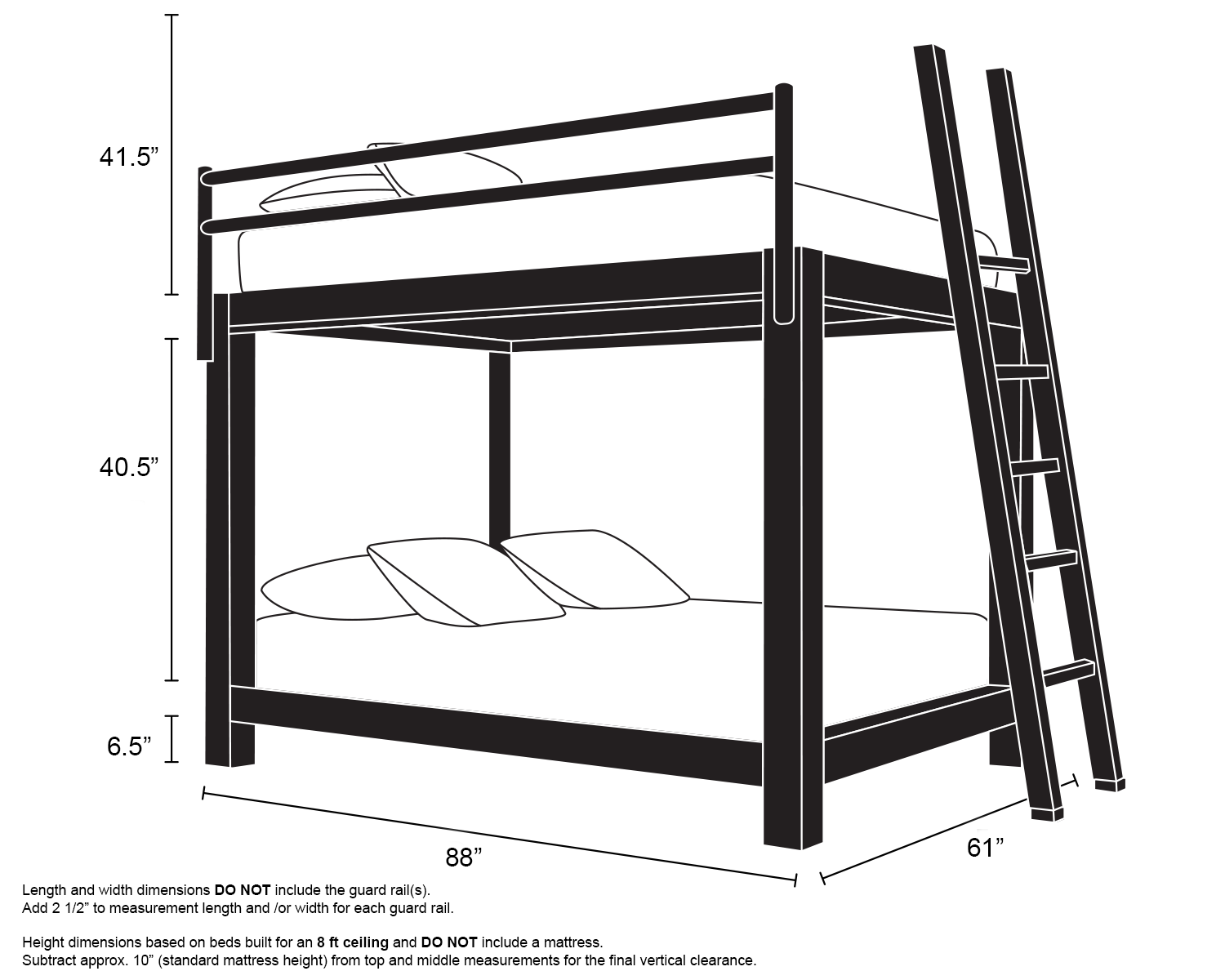
Measure from the top of the mattress to the ceiling. Do not measure from the bed frame alone. Check the lowest point of the ceiling, especially if it slopes. Measure in several spots to find the smallest headroom. Keep measurements in inches or centimeters for accuracy. Write down all numbers to avoid confusion later. Measure twice to confirm the numbers. Use a level surface for placing your tape measure.
Credit: adultbunkbeds.com
Frequently Asked Questions
How Much Headroom Is Ideal For A Bunk Bed?
Ideal headroom for a bunk bed is about 33 to 36 inches. This allows comfortable sitting and movement without hitting the ceiling. Proper headroom ensures safety and comfort, especially for the upper bunk sleeper.
Why Is Bunk Bed Headroom Important?
Headroom prevents injury and improves comfort while using the bunk bed. It allows kids to sit up and move freely. Adequate space also promotes good ventilation and reduces a cramped feeling.
How To Measure Headroom For A Bunk Bed?
Measure from the top of the mattress to the ceiling or bottom of the upper bunk. Subtract mattress thickness to get accurate headroom. This helps ensure enough space for sitting and safe movement.
Can Too Little Headroom Cause Safety Issues?
Yes, limited headroom increases the risk of head bumps and discomfort. It can also make climbing or sitting unsafe. Ensuring proper clearance reduces accidents and improves user experience.
Conclusion
Choosing the right headroom for a bunk bed keeps safety and comfort in mind. Enough space stops bumps and makes climbing easier. Usually, six feet is a good height between beds. This allows sitting up without hitting your head. Always measure your room and check bed sizes before buying.
Remember, a little extra space feels better and safer. A bunk bed with proper headroom helps everyone sleep and play happily.