Are you thinking about getting a twin bunk bed but worried about how much weight it can hold? You’re not alone.
Knowing the weight limit is crucial to keep you and your loved ones safe and comfortable. Whether it’s for kids, teens, or even adults, understanding the strength of your bunk bed can save you from unexpected accidents. You’ll discover everything you need to know about twin bunk bed weight limits and how to choose the right one for your home.
Keep reading to make the best decision for your space and peace of mind.
Twin Bunk Bed Basics
Twin bunk beds save space and provide two sleeping spots. They are popular in kids’ rooms and small spaces. Understanding their basics helps in choosing the right one. Weight capacity depends on design and materials.
Types Of Twin Bunk Beds
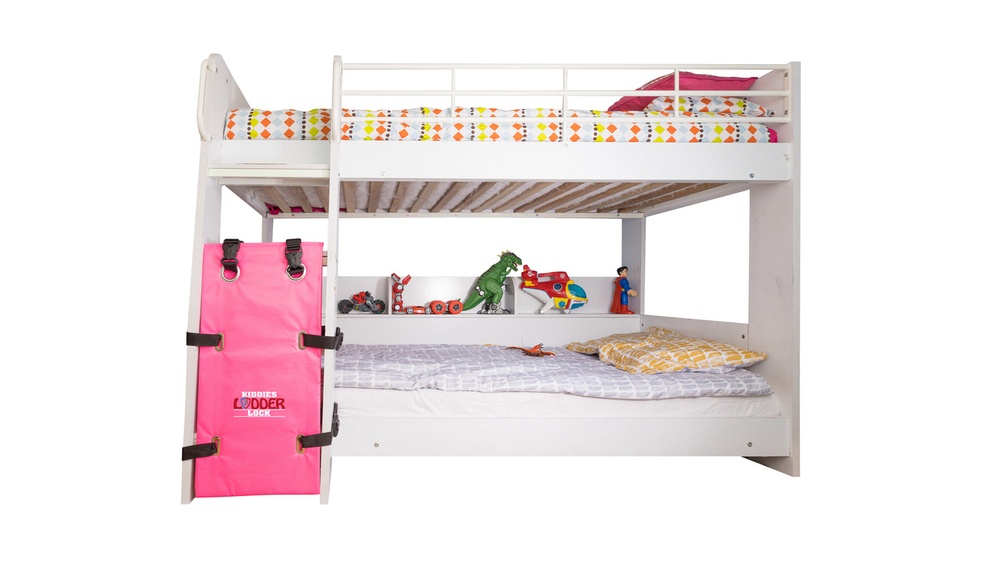
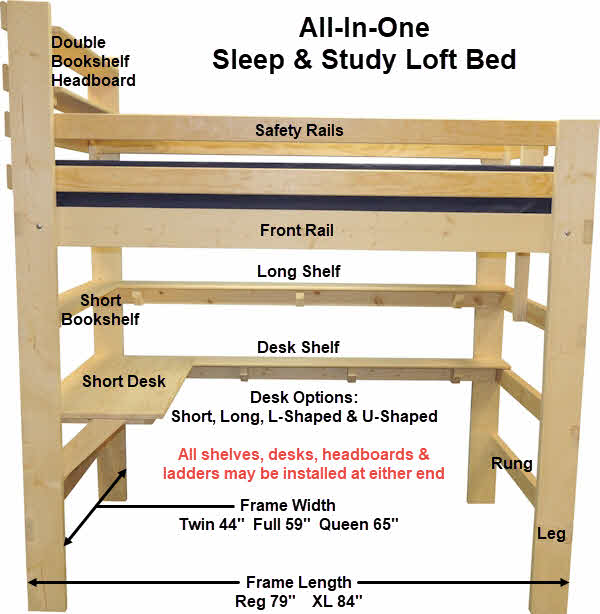
There are several types of twin bunk beds. Traditional bunk beds stack one bed on top of another. Loft beds raise the top bed higher, leaving space below for a desk or play area. Some have trundle beds, which slide out for extra sleeping space. Each type suits different room sizes and needs.
Common Materials Used
Twin bunk beds come in wood, metal, or a mix of both. Wood offers a classic look and strong support. Metal beds are lighter and often more affordable. Quality materials increase the bed’s durability and weight capacity. Check the frame and slats for sturdy construction.

Credit: www.justbunkbeds.com
Weight Capacity Factors
Understanding weight capacity factors helps you choose a safe twin bunk bed. Each part of the bed affects how much weight it can hold. Knowing these factors protects users and extends the bed’s life.
Frame Construction
The frame’s material is key to strength. Metal frames usually hold more weight than wood. Solid wood is stronger than particleboard. Thick beams add extra support. The way parts connect also matters. Strong joints prevent wobbling and breaking.
Slat Support
Slats carry the mattress and weight above. Closer slats provide better support. Thin or widely spaced slats reduce weight capacity. Slats made from strong wood or metal last longer. A sturdy center support beam improves stability. Weak slats can cause sagging or damage.
Mattress Influence
The mattress type affects the overall support. Heavy mattresses put more pressure on the frame. Thick memory foam or pillow tops add weight. Lightweight mattresses like innerspring add less stress. Choose a mattress that fits the bed frame size. Proper mattress fit prevents uneven weight distribution.
Standard Weight Limits
Twin bunk beds are popular choices for small rooms and shared spaces. Knowing their weight limits helps ensure safety and durability. Standard weight limits show how much each bed can hold safely. These limits vary based on design and materials. Understanding these limits helps you pick the right bunk bed for your needs.
Average Weight Capacity
Most twin bunk beds hold between 150 to 200 pounds per bed. The bottom bunk often supports slightly more weight. Many beds support up to 250 pounds on the bottom. Weight limits include the sleeper and mattress combined. This range fits children and most adults comfortably. Exceeding these limits can cause damage or accidents. Always check the bed’s weight guidelines before use.
Variations By Brand And Model
Weight limits differ among brands and models. Some use stronger wood or metal for better support. Heavy-duty models can hold up to 400 pounds per bed. Budget models may have lower limits, around 150 pounds. Design also matters—loft styles may have different capacities. Reading manufacturer details ensures the bed meets your needs. Choose a model with weight capacity that fits your household.
Safety Considerations
Safety is very important when using a twin bunk bed. These beds hold a lot of weight, but only up to a certain limit. Knowing how to keep the bed safe helps avoid accidents. Always check the bed’s weight limit and follow safety rules. Proper care keeps everyone safe and the bed strong.
Preventing Overloading
Do not put too much weight on the bunk bed. Each bed has a maximum weight limit. This includes the mattress, blankets, and people on the bed. Overloading can cause the bed to break or fall. Teach children not to jump or stand on the top bunk. Spread weight evenly on the bed to keep it stable.
Proper Assembly Tips
Follow the instructions carefully when building the bed. Use all the screws and parts included in the package. Tighten bolts and screws regularly to keep the bed steady. Make sure the bed is on a flat floor. Check the safety rails and ladder for strong attachment. A well-built bed lasts longer and stays safer.
Enhancing Load Capacity
Enhancing the load capacity of a twin bunk bed ensures safety and durability. Strong beds hold weight better and last longer. Many methods help improve the bed’s strength. These methods focus on structure and materials.
Careful upgrades make a big difference. They support more weight without risking damage. This is key for families with growing kids or guests.
Reinforcement Techniques
Adding extra support beams helps spread the weight. Metal brackets at joints make the frame firmer. Tightening screws and bolts prevents wobbling. Using slats closer together gives better mattress support. Corner braces stop the bed from shaking. Each small change adds strength and stability.
Choosing Stronger Materials
Wood types like oak or maple hold weight well. Solid wood beats particle board for durability. Metal frames, especially steel, carry heavier loads safely. High-quality plywood also adds good support. Avoid cheap materials that break easily. Picking strong materials means the bed stays safe longer.
Credit: www.collegebedlofts.com
Special Use Cases
Twin bunk beds serve many needs beyond children’s rooms. Special use cases require attention to weight limits and design. Understanding these helps choose the right bed for unique situations. Two common cases include beds for adults and heavy-duty models.
Bunk Beds For Adults
Bunk beds built for adults must support more weight than kids’ beds. Standard twin bunk beds usually hold 150 to 200 pounds per bed. Adult beds often support 250 pounds or more. These beds use stronger materials and thicker frames. Designs also focus on comfort and durability. Adult bunk beds suit guest rooms, small apartments, or shared spaces. They provide extra sleeping spots without taking much space.
Heavy-duty Bunk Beds
Heavy-duty bunk beds handle extra weight safely. They are perfect for heavy sleepers or multiple users. Made with metal or reinforced wood, these beds offer high stability. Weight limits can reach 400 pounds per bed or higher. Heavy-duty models include strong ladders and guardrails. These beds last longer and resist wear well. Ideal for hostels, dorms, or busy homes with active sleepers.
Maintenance And Inspection
Maintaining and inspecting your twin bunk bed is important for safety and durability. Regular care helps the bed hold weight properly over time. It prevents accidents and keeps the structure strong. Simple routines can extend the life of the bed and protect users.
Regular Checks
Check all screws and bolts often. Tighten any loose parts to keep the bed stable. Look at the frame for any bending or warping. Make sure the ladder and guardrails are secure. Inspect the mattress support slats for cracks or breaks. Keep the bed clean to avoid dust buildup in joints.
Signs Of Wear And Tear
Watch for cracks in the wood or metal. Look for rust spots on metal frames. Notice any squeaking or wobbling sounds. Check if guardrails are loose or damaged. See if the mattress support is sagging or bent. These signs mean the bed needs fixing or parts replaced.

Credit: maxandlily.com
Frequently Asked Questions
How Much Weight Can A Typical Twin Bunk Bed Hold?
A typical twin bunk bed supports between 200 to 400 pounds per bed. Weight limits depend on materials and design.
Does The Material Affect A Twin Bunk Bed’s Weight Capacity?
Yes, metal frames usually hold more weight than wooden ones. Solid wood offers good support but varies by quality.
Can Children And Adults Safely Use Twin Bunk Beds?
Most twin bunk beds are designed for children but can support adults if within weight limits. Check manufacturer guidelines.
How To Increase A Twin Bunk Bed’s Weight Capacity?
Reinforce the frame with extra support beams or brackets. Use stronger slats and ensure proper assembly.
Conclusion
Twin bunk beds hold weight safely when used as intended. Check the bed’s weight limit before buying or using. Most twin bunk beds support between 200 to 400 pounds per bed. Strong frames and good materials increase weight capacity. Avoid jumping or putting extra pressure on the bed.
Regularly inspect the bed for any loose parts or damage. Following these tips keeps users safe and the bed sturdy. Choose a bunk bed that fits your needs and supports the right weight. Safety and comfort always come first.