Are you struggling to get your toddler to sleep in their own bed instead of co-sleeping with you? You’re not alone.
Moving your little one to their own space can feel like a big challenge, but it’s an important step for both your child’s independence and your family’s rest. You’ll discover simple, practical tips that make the transition smoother and more comfortable for your toddler—and for you.
Keep reading to find out how to create a bedtime routine that your child will love and how to handle those tricky moments with confidence. Your peaceful nights are closer than you think!
Credit: health.clevelandclinic.org
Benefits Of Toddler Sleeping Alone
Getting your toddler to sleep alone can bring many benefits. It helps your child grow and develop in healthy ways. Toddlers gain confidence and better rest. Parents also find it easier to maintain routines. Understanding these benefits makes the transition smoother for everyone.
Promotes Independence
Sleeping alone teaches toddlers to be more independent. They learn to feel safe without needing a parent nearby. This builds their confidence and self-reliance. It also prepares them for future milestones. Independence at bedtime helps children handle other challenges better.
Improves Sleep Quality
Sleeping in their own bed often leads to better rest. Toddlers can sleep without disruptions from parents’ movements. Parents also get more restful sleep without interruptions. Good sleep helps toddlers grow and stay healthy. It supports better mood and energy during the day.
Enhances Safety
Having a toddler sleep alone can reduce risks at night. Sharing a bed may increase chances of accidental injury. A separate bed gives toddlers a safe space to move freely. It lowers the risk of suffocation or overheating. Safe sleep habits protect your child’s health and well-being.
Signs Your Toddler Is Ready
Moving a toddler from co-sleeping to their own bed can be a big step. Knowing the right time to start helps the process go smoothly. Watch for signs that your child feels ready. These signs come from their age, feelings, and sleep habits. Understanding these clues makes bedtime easier for both of you.
Age And Development
Most toddlers start to sleep in their own bed between 18 months and 3 years. This varies by child. Some reach milestones faster. Walking, talking, and playing alone show growth. When toddlers can follow simple instructions, they may be ready. Age is a good guide but not the only one.
Emotional Readiness
Your toddler should feel safe and calm about sleeping alone. Watch for less fear of the dark or separation. If they ask to sleep in their own bed, that is a strong sign. Avoid forcing the change if your child shows anxiety or stress. Emotional comfort is key for a smooth transition.
Sleep Patterns
Look at your toddler’s sleep habits. If they wake often at night and come to your bed, they may not be ready. Toddlers who sleep for longer stretches alone show better readiness. Consistent nap and bedtime routines help signal readiness. Healthy sleep patterns support moving to their own bed.
Preparing The New Sleep Space
Preparing a new sleep space helps toddlers feel safe and ready to sleep alone. It makes the change easier for both parents and children. A well-prepared room invites your toddler to enjoy their own bed. This step is important for a smooth transition from cosleeping.
Choosing The Right Bed
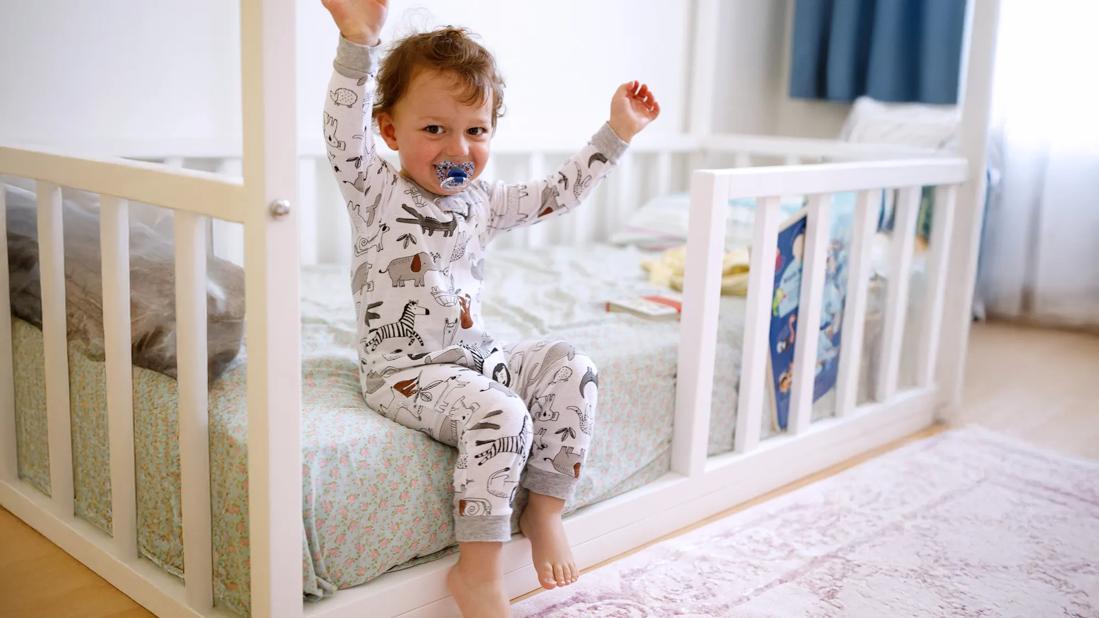
Pick a bed that fits your toddler’s size and age. Toddler beds or small twin beds work well. Look for beds with guardrails to prevent falls. Let the bed be low to the ground for easy access. Comfort and safety matter most.
Creating A Cozy Environment
Make the room warm and inviting. Soft blankets, favorite pillows, and stuffed animals add comfort. Use gentle night lights to ease any fear of darkness. Keep the room quiet and cool for better sleep. A calm space helps your toddler relax.
Involving Your Toddler
Let your toddler help choose bedding or decorations. This builds excitement and ownership. Talk about the new bed as a fun place. Read bedtime stories in the new space together. Involvement boosts your child’s confidence and willingness to sleep alone.

Credit: sleeplady.com
Gradual Transition Techniques
Moving a toddler from co-sleeping to their own bed takes patience and care. Gradual transition techniques help children feel safe and calm. These methods reduce stress for both parents and toddlers. Step-by-step changes make the new sleeping space familiar and inviting. This approach builds trust and encourages independence.
Start With Naps
Begin the transition during daytime naps. Let your toddler nap in their own bed first. This helps them get used to the new place without the pressure of nighttime. Keep naps short and comfortable. Praise your child for sleeping in their own bed. Naps become a positive step toward full nights.
Use Comfort Objects
Introduce a favorite toy or blanket in the new bed. Comfort objects bring security and familiarity. Let your toddler hold or cuddle them at bedtime. These items make the new bed feel like home. Avoid adding new toys all at once. Keep comfort objects consistent to ease the change.
Stay Consistent With Routine
Keep bedtime routines the same as before. Follow the same steps each night. Brush teeth, read a story, and say goodnight in order. Routines give toddlers signals it is time to sleep. Consistency builds a sense of safety and order. Stick to the schedule even if your child resists.
Handling Nighttime Challenges
Moving a toddler from co-sleeping to their own bed can bring many nighttime challenges. The transition takes time and patience. Toddlers may feel scared, confused, or upset at night. Understanding these challenges helps parents support their child better. The key is to stay calm and consistent. Here are some ways to handle common nighttime issues.
Managing Separation Anxiety
Separation anxiety is normal for toddlers during this change. They might cry or call for you often. Comfort them with soft words and gentle hugs. Leave a favorite toy or blanket in their bed. This gives a sense of safety. Avoid rushing back to their bed immediately. Instead, reassure them from a short distance. Gradually increase time spent apart at night.
Addressing Night Wakings
Toddlers may wake up several times at night. They might feel lonely or scared. Keep night wakings quiet and calm. Use a soft voice to soothe them. Avoid turning on bright lights or playing games. Guide them back to their bed gently. Stick to the same routine each time. This helps toddlers learn that their bed is safe.
Positive Reinforcement
Praise your toddler for every small success. Celebrate nights spent in their own bed. Use stickers or small rewards to motivate them. Positive words boost their confidence. Avoid punishing or scolding for setbacks. Encourage with love and patience. This builds a positive bedtime habit over time.
Tips For Staying Patient And Consistent
Moving your toddler from co-sleeping to their own bed takes time and effort. Staying patient and consistent helps your child feel safe and secure. It also makes the transition smoother for both of you. Here are some tips to keep calm and steady during this change.
Setting Realistic Expectations
Understand that change does not happen overnight. Toddlers may test limits and need time to adjust. Expect some nights to be harder than others. Small steps forward are still progress. Be ready for setbacks without losing hope.
Celebrating Small Wins
Every night your toddler stays in their bed counts as success. Praise them gently for trying. Celebrate even short periods of sleeping alone. This builds their confidence and motivation. Positive feedback encourages good habits to grow.
Adjusting Strategies As Needed
Watch how your toddler reacts to each step. If one method causes stress, try a different approach. Flexibility helps find what works best for your child. Keep routines simple and consistent. Patience and openness make the journey easier.

Credit: www.todaysparent.com
Frequently Asked Questions
How To Transition Toddler From Co-sleeping To Own Bed?
Start by creating a cozy, safe bedroom for your toddler. Use positive reinforcement and consistent bedtime routines. Gradually increase time spent in their bed. Patience and consistency are key for a smooth transition.
When Is The Best Age To Stop Co-sleeping?
Most experts suggest transitioning toddlers around 18 months to 3 years. This age range supports healthy sleep independence and development. Consider your child’s readiness and family preferences when deciding the timing.
What Are Effective Bedtime Routines For Toddlers?
Effective routines include calming activities like reading, bathing, or gentle music. Keep the routine consistent every night. Predictability helps toddlers feel secure and eases the transition to sleeping alone.
How To Handle Toddler’s Fear Of Sleeping Alone?
Acknowledge their fears and provide comfort without co-sleeping. Use night lights, favorite toys, or gentle reassurances. Gradual exposure and consistent support help toddlers overcome fear.
Conclusion
Getting your toddler to sleep in their own bed takes time and patience. Start with small steps and stay consistent every night. Praise their efforts and make the new bed cozy and safe. Expect some setbacks but keep calm and gentle.
This change helps your child grow more independent and confident. Trust the process and enjoy the quiet nights ahead. Every family finds their own pace. Keep trying, and soon your toddler will love their own space to rest.