Have you ever stood in front of your bookshelf, wondering how to arrange your books in a way that makes sense and feels just right? Organizing your bookshelf isn’t just about tidiness—it’s about creating a space that sparks joy every time you look at it.
Whether you want to find your favorite novel quickly or showcase your collection with style, the way you set up your shelves can make a big difference. You’ll discover simple, effective methods to organize your bookshelf so it works perfectly for you.
Ready to transform your clutter into a beautiful, easy-to-navigate display? Let’s get started.
Choosing A Shelving Style
Choosing the right shelving style shapes your bookshelf’s look and function. It affects how you store and display books and items. Picking the best style helps keep your space neat and inviting. Consider your room size, lighting, and personal taste. Shelves can be both useful and stylish. Think about how you want your books to be seen and accessed daily.
Open Vs Closed Shelves
Open shelves show your books and items clearly. They make a room feel larger and brighter. You can easily reach what you need. Dust may settle more, so cleaning is needed often. Closed shelves hide clutter and protect books from dust. Doors keep your collection safe and tidy. Choose closed shelves if you want a sleek, clean look. Open shelves work well for a casual, cozy style.
Adjustable Shelving Options
Adjustable shelves let you change shelf height as needed. This flexibility fits books of different sizes. You can add or remove shelves easily. Adjustable shelves adapt to your growing collection. They help keep your books organized and accessible. Fixed shelves offer less flexibility but can be stronger. Decide based on your book sizes and future plans.
Incorporating Decorative Elements
Decorative items add personality to your bookshelf. Mix books with plants, photos, or small art pieces. Balance is key—avoid overcrowding your shelves. Use items that match your room’s style and colors. Decorative elements break up rows of books and add interest. They turn your bookshelf into a focal point. Keep items simple and meaningful for a clean look.
Sorting Books By Genre
Sorting books by genre makes your bookshelf easier to use. It helps find books quickly and keeps your collection neat. Grouping books by type shows your interests clearly. It also helps you notice gaps in your reading.
Fiction And Non-fiction Separation
Start by dividing fiction and non-fiction books. Fiction books tell made-up stories. Non-fiction books provide facts and real information. Keeping these two groups apart makes browsing simple. It saves time when choosing what to read.
Subgenres And Thematic Grouping
Within fiction, sort books into subgenres like mystery, fantasy, or romance. This keeps similar stories close together. For non-fiction, group by topics such as history, science, or self-help. Thematic grouping helps find books on the same subject fast.
Children’s And Reference Books
Keep children’s books in a separate spot for easy access. They often have different sizes and bright covers. Reference books like dictionaries or manuals should be grouped together. This way, you find them quickly when you need help.
Arranging By Color
Arranging books by color creates a visually pleasing bookshelf. It turns your collection into a work of art. This method helps find books quickly. Color organization adds personality to any room. It brings harmony and style to your space.
Creating A Rainbow Effect
Group your books by color in rainbow order. Start with red, then orange, yellow, green, blue, and purple. This sequence creates a smooth flow across the shelf. The rainbow effect brightens up your room instantly. It makes your bookshelf a focal point.
Balancing Colors For Aesthetics
Place colors evenly to avoid heavy spots. Mix light and dark shades to keep balance. Avoid clustering too many books of one color together. Spread similar colors across shelves for harmony. This balance makes the bookshelf look neat and calm.
Using Color To Highlight Special Editions
Use bright or unique colors to showcase special books. Place limited editions or favorite titles in eye-catching spots. Color draws attention to these books naturally. Highlighting this way makes your collection feel unique. It also sparks interest in visitors.
Organizing By Size And Shape
Organizing books by size and shape helps create a neat and balanced bookshelf. It makes the shelf look tidy and easy to use. Grouping books by height or width can also protect delicate books from damage. This method helps you see your collection clearly and find books fast.
Aligning Tall And Short Books
Place tall books together on one side of the shelf. Short books can go on the other side or in front of tall books. This creates a smooth, even line along the shelf. It stops the shelf from looking messy or uneven. You can also arrange books by height in ascending or descending order for a nice flow.
Stacking Vs Standing Books
Standing books is the most common way to organize. It keeps titles visible and easy to read. Stacking books horizontally can save space and add variety to the shelf. Use stacks for large or heavy books that don’t stand well. Mix stacks and standing books to break the monotony and add interest.
Mixing Books With Other Items
Place small objects, like plants or photo frames, between groups of books. This breaks the row of books and adds personality. Use decorative items to fill gaps left by uneven book sizes. Keep the shelf balanced by mixing books and items evenly. Avoid clutter by choosing only a few items per shelf.
Alphabetical And Author Order
Organizing your bookshelf by alphabetical and author order is a classic method. It helps you find books quickly. This system brings neatness and simplicity to your collection. You can arrange books by the author’s name, making it easy to locate favorites. It works well for all types of books, from novels to non-fiction.
Last Name Vs First Name Sorting
Most people sort books by the author’s last name. It is the standard way in libraries and bookstores. Sorting by last name keeps your shelf consistent and easy to browse. Some prefer sorting by first name for a more casual look. This works if you have many authors with the same last name. Choose the style that suits your shelf and reading habits.
Series And Author Collections
Keep book series together in the right order. This makes reading easier and more enjoyable. Group all books by the same author in one place. It creates a clean and organized shelf. For authors with many series, separate each series clearly. Use labels or small dividers to mark each set. This method helps you find books fast and keeps your shelf tidy.
Combining Alphabetical With Genre
Mix alphabetical order with genres for better sorting. Start by dividing books into genres like fiction, history, or science. Then, sort each genre alphabetically by author name. This way, you get the best of both worlds. It helps you find books by topic and author quickly. This combination works well for large collections with many types of books.

Credit: www.neathousesweethome.com
Incorporating Functional Elements
Incorporating functional elements into your bookshelf design boosts both style and practicality. These elements help keep your books in order and easy to find. They also make your shelf look neat and inviting.
Using Bookends And Dividers
Bookends prevent books from falling over. They keep your collection upright and tidy. Dividers separate different genres or topics. This makes it easier to spot the book you want. Choose bookends and dividers that match your room’s style.
Labeling Sections Clearly
Labels show where each book group belongs. Use simple words or categories like “Fiction” or “Science.” Clear labels reduce the time spent searching. You can use tags, stickers, or small signs. Keep labels neat and easy to read.
Adding Lighting For Visibility
Good lighting helps you read book titles quickly. Install small LED lights on or under shelves. Soft lighting creates a cozy reading nook. Avoid harsh or bright lights that cause glare. Proper lighting makes your bookshelf both useful and attractive.
Maintaining Your Bookshelf
Keeping your bookshelf neat and tidy helps you find books quickly. It also protects your books from damage. Regular care makes your collection last longer and look better.
Organizing is not a one-time task. You need to clean, update, and track your books often. This keeps your shelf fresh and useful.
Regular Cleaning Tips
Dust your shelves every week to stop dirt buildup. Use a soft cloth or duster to avoid scratches. Wipe book covers gently to keep them clean. Check for any signs of mold or pests. Clean spills or stains immediately to prevent damage.
Updating And Rotating Books
Switch books around to keep your shelf interesting. Place new books where you can see them easily. Remove books you no longer read or need. Donate or sell these books to free space. Rotate seasonal books to match the time of year.
Keeping Track Of Your Collection
Make a list of all your books and update it regularly. Use a notebook or a simple app for easy access. Note down the title, author, and condition of each book. Mark books you have lent out to friends. This helps avoid losing or forgetting books.

Credit: everyday-reading.com
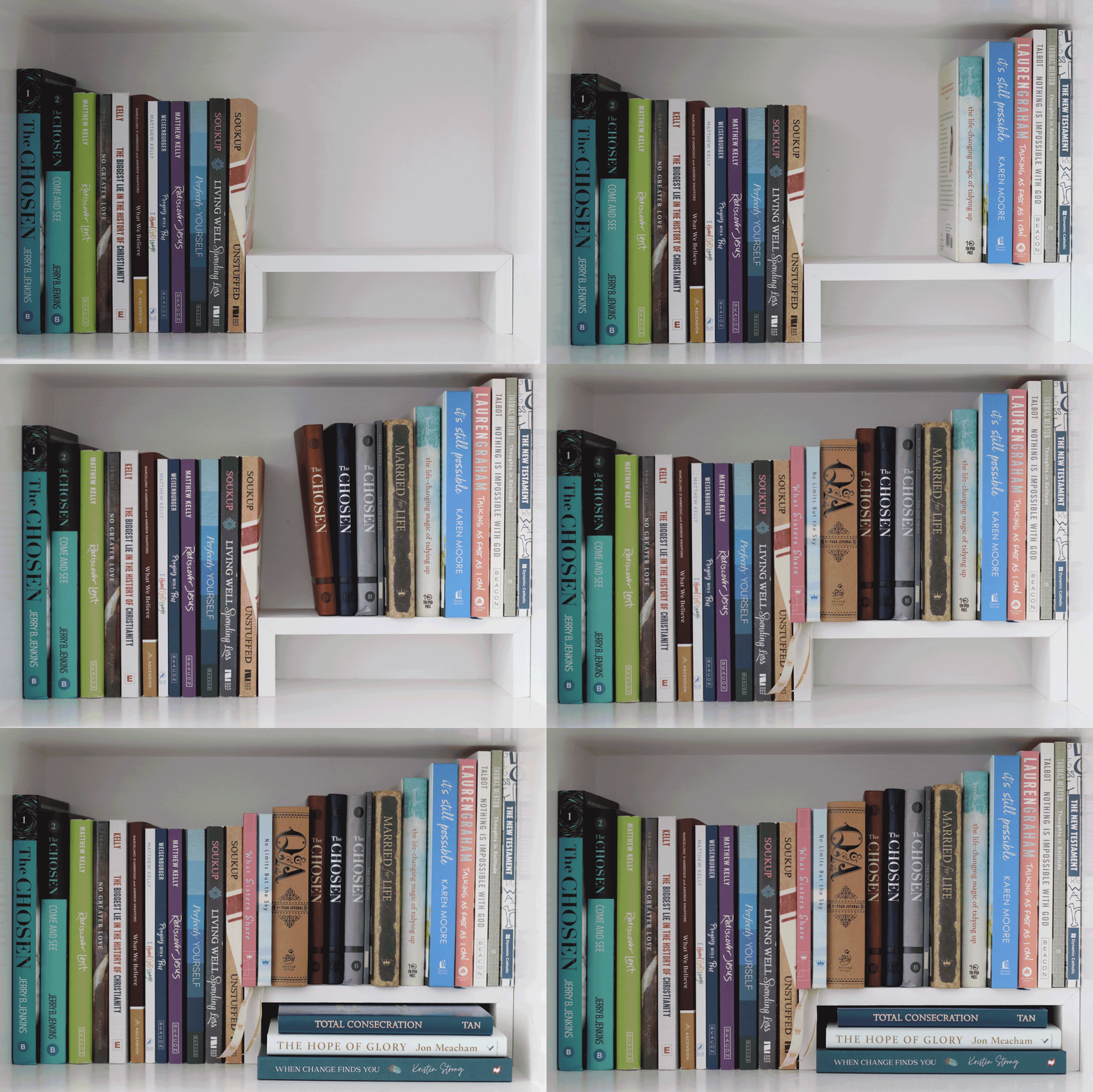
Credit: www.neathousesweethome.com
Frequently Asked Questions
How Do I Organize Books By Genre Effectively?
Organize books by grouping similar genres together. This method helps you locate books quickly and keeps your shelf visually tidy. Use labels or dividers to separate genres for easy access and a clean look.
Should I Arrange Books By Color Or Size?
Arranging books by color creates a visually appealing shelf, while size order maximizes space. Choose based on your preference for aesthetics or practicality. Combining both can balance beauty and organization.
What Is The Best Way To Mix Books And Decor?
Mix books with decor by alternating stacks and decorative items. This adds personality without cluttering. Keep decor minimal to maintain focus on your books and enhance the shelf’s overall look.
How Can I Keep My Bookshelf Organized Long-term?
Regularly declutter and return books to their designated spots. Use consistent organization methods and label sections clearly. This ensures your bookshelf remains tidy and enjoyable to use over time.
Conclusion
Organizing your bookshelf can bring calm and order to your space. Choose a method that fits your needs and style. Mixing colors, sizes, or themes can make books easy to find. Keep favorites at eye level for quick access. Don’t forget to leave some space for new books.
A neat shelf invites reading and sparks joy. Start small and adjust as you go. Your perfect bookshelf reflects your personality and habits. Enjoy the process and your organized collection.