
Do you want your outdoor metal furniture to stand out with a timeless, vintage charm? Giving your metal pieces an antique look can add character and warmth to your outdoor space.
But how do you achieve that perfect aged finish without damaging your furniture? In this guide, you’ll discover simple, effective steps to transform your metal furniture into stunning antique pieces. Whether you’re a beginner or just looking for fresh ideas, you’ll find easy tips that bring your outdoor space to life.
Keep reading to unlock the secrets of antiquing metal furniture like a pro!
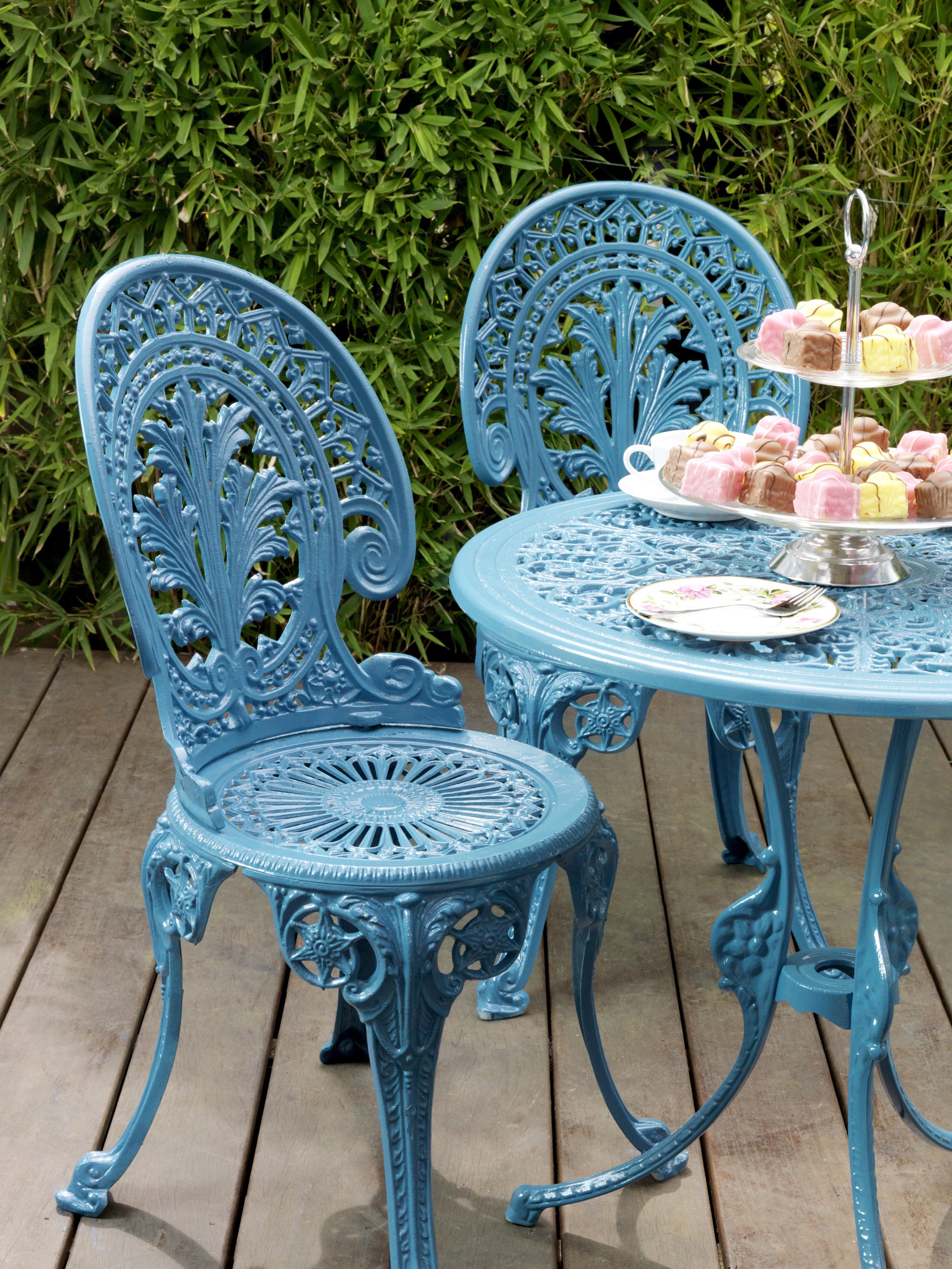
Credit: yao.com.do
Choosing The Right Metal Furniture
Choosing the right metal furniture is important for antiquing success. Different metals react differently to antiquing techniques. The choice affects the final look and durability of your furniture. Picking the best metal helps achieve an authentic antique appearance. It also ensures the furniture lasts longer outdoors.
Best Metals For Antiquing
Certain metals work better for antiquing than others. Cast iron is popular because it holds paint and patina well. Wrought iron also ages nicely and shows texture beautifully. Aluminum is lightweight but may need special treatment to show age. Steel is strong and can develop a rustic, vintage look. Copper and brass create warm, rich tones as they age naturally. Choose metals that respond well to paint, rust, or patina effects.
Inspecting For Damage And Rust
Before antiquing, check the furniture for damage and rust. Look closely for cracks, dents, or loose parts. Rust spots should be noted, as they can add character if treated properly. Remove loose rust with a wire brush or sandpaper. Fix any structural damage to keep the furniture safe and stable. Clean the surface to prepare it for antiquing products. Proper inspection leads to better results and longer-lasting furniture.
Preparing The Surface
Preparing the surface is the first and most important step in antiquing outdoor metal furniture. It ensures the finish will last longer and look better. Taking time to clean and smooth the metal is key. This process removes dirt, old paint, and rust. It also creates a good base for new paint or patina.
Cleaning Dirt And Grime
Start by washing the furniture with soap and water. Use a soft brush or cloth to scrub off dust and grime. Rinse well to remove all soap. Let it dry completely before moving to the next step. Clean surfaces help new finishes stick better and look smooth.
Removing Old Paint And Rust
Check for peeling paint and rust spots. Use a paint stripper or wire brush to remove old paint. For rust, apply a rust remover or scrub with steel wool. Removing rust prevents it from spreading under new paint. Clean metal will hold the antique look longer.
Sanding For Smoothness
Lightly sand the surface with fine-grit sandpaper. This smooths rough spots and removes leftover rust or paint bits. Sanding also helps new paint or stain to grip the metal. Wipe away dust after sanding. The surface should feel even and ready for finishing touches.
Applying A Patina Finish
Applying a patina finish gives outdoor metal furniture a timeless look. It adds character and charm that new paint cannot match. Patina creates an aged appearance that blends well with nature. This finish also protects the metal from harsh weather. The process is simple and rewarding. Follow these tips to achieve a beautiful patina finish on your metal pieces.
Selecting Patina Solutions
Choose the right patina solution for your metal type. Copper, brass, and bronze react differently than iron or steel. Common solutions include vinegar, saltwater, and commercial patina sprays. Test the solution on a small area first. This ensures you get the desired color and texture. Use gloves and work in a well-ventilated space for safety.
Techniques For Natural Aging
Natural aging gives the most authentic patina look. Leave the furniture outside to react with air and moisture. Spray it lightly with water to speed up the process. Sunlight and rain help develop unique patterns. Check the progress daily and stop when you like the color. Seal the finish with clear wax or spray to protect it.
Creating Rust Effects Safely
Rust effects add warmth to iron or steel furniture. Use a mix of hydrogen peroxide, vinegar, and salt to start rusting. Apply the mixture evenly and keep the metal damp. Rust forms within hours, but avoid over-rusting to keep strength. Wear protective gear and work outdoors to avoid fumes. Finish with a clear coat to stop rust from spreading.
Painting For Vintage Appeal
Painting outdoor metal furniture gives it a charming, vintage look. This process adds character and makes old pieces feel new. The right paint and technique bring out an antique style that fits any garden or patio. Simple steps create a worn, timeless effect that lasts.
Choosing Antique Style Paints
Select paints made for metal surfaces. Chalk paint and milk paint work well for antique finishes. Pick colors like soft whites, muted blues, or faded greens. These shades mimic old-fashioned styles. Avoid glossy paints. Matte or satin finishes add to the vintage feel.
Layering And Distressing Methods
Apply two or more paint layers for depth. Use different colors for each layer to show through. Let each coat dry before adding the next. Sand edges and raised parts lightly with fine sandpaper. This reveals the base color beneath and creates a worn look. Use a cloth to rub away paint in spots.
Sealing For Protection
Seal your work with a clear, matte sealer. This protects the paint from weather and rust. Choose a sealer made for outdoor metal. Apply thin, even coats and let dry fully. Sealing keeps the vintage look fresh for years.
Adding Final Touches
Adding final touches is key to perfecting your antique outdoor metal furniture. These steps give the piece charm and protection. They enhance the look and help it last longer outside. Focus on waxing, polishing, hardware, and care for the finish.
Waxing And Polishing
Waxing creates a protective layer on metal surfaces. Use a clear paste wax made for metals. Apply it with a soft cloth in small circles. Let it dry, then buff to a shine. Polishing removes dullness and minor scratches. Use a gentle metal polish and a clean cloth. Work gently to avoid damage. Wax and polish regularly to keep the furniture bright and safe.
Replacing Hardware With Vintage Pieces
Old screws and bolts can spoil the antique look. Replace them with vintage-style hardware for authenticity. Look for brass or iron pieces that match the furniture’s style. Use rust-resistant hardware for outdoor use. This small change improves the overall appearance. It keeps the furniture true to its antique charm.
Maintaining Antique Finish Outdoors
Protect the finish from sun, rain, and dirt. Cover furniture when not in use. Clean it gently with mild soap and water. Avoid harsh chemicals that can damage the finish. Reapply wax every few months for extra protection. Check for rust spots and treat them early. This care preserves the antique look and extends the furniture’s life.

Credit: yao.com.do

Credit: yao.com.do
Frequently Asked Questions
How Do I Prepare Metal Furniture For Antiquing?
Clean the furniture thoroughly to remove dirt and rust. Sand the surface lightly to create a smooth base. Ensure the metal is dry before applying any antiquing products.
What Materials Are Best For Antiquing Outdoor Metal Furniture?
Use rust converters, metal primers, and antiquing paints designed for outdoor use. Clear sealants protect the finish from weather damage. Choose products compatible with your metal type for best results.
How Long Does The Antiquing Process Take?
The process usually takes a few hours, including preparation and drying time. Multiple coats of paint or sealant may extend the time. Always follow product instructions for accurate timing.
Can I Antique Metal Furniture Myself Safely?
Yes, with proper safety gear like gloves and masks. Work in a well-ventilated area to avoid inhaling fumes. Follow all product guidelines carefully to ensure safe application.
Conclusion
Antiquing outdoor metal furniture adds charm and character to your space. Start with cleaning and sanding to remove rust and dirt. Apply paint or patina for an aged look. Seal the finish to protect it from weather. This process takes time but brings great results.
Your old furniture will look unique and beautiful. Enjoy the warm, vintage feel in your garden or patio. Keep up with simple care to maintain its charm. Small steps make a big difference in style and durability. Give your metal furniture a fresh, antique touch today.


