Are you struggling to find the perfect way to arrange your living room furniture with a sectional? You’re not alone.
Sectionals can be both a blessing and a challenge—they offer plenty of seating but can feel bulky or awkward if placed wrong. Imagine turning your living room into a cozy, inviting space where every seat feels just right and the flow feels natural.
In this guide, you’ll discover simple, practical tips to arrange your sectional and other furniture pieces so your living room looks balanced, feels spacious, and welcomes everyone comfortably. Ready to transform your space? Let’s dive in.

Credit: www.castlery.com
Choosing The Right Sectional
Choosing the right sectional is key to creating a comfortable and stylish living room. The right sectional fits your space well and matches your lifestyle. It should offer enough seating and blend with your room’s design.
Types Of Sectionals
Sectionals come in many shapes and sizes. Common types include L-shaped, U-shaped, and curved sectionals. L-shaped sectionals fit well in corners and save space. U-shaped sectionals provide more seating and create a cozy area. Curved sectionals add a modern look and soften room edges. Choose a type that suits your room shape and seating needs.
Measuring Your Space
Measure your living room before buying a sectional. Note the length and width of the area where you want to place it. Leave space for walking paths and other furniture. Measure doorways and hallways too. This helps ensure the sectional fits and can be moved inside easily.
Material And Color Options
Sectionals come in many fabrics and colors. Choose a material that is easy to clean if you have kids or pets. Leather is durable and stylish. Fabric options offer more color choices and comfort. Pick a color that matches your room’s palette. Neutral colors work well for most spaces and allow easy decoration changes.
Credit: birchwoodfurniture.ca
Planning Your Layout
Planning your layout is the first step to arranging your living room furniture with a sectional. It helps create a space that feels open and inviting. Thoughtful planning ensures that the room looks balanced and works well for daily use. This section covers key points to consider for a smooth setup.
Focal Points And Traffic Flow
Identify the main focal point of your living room. It could be a fireplace, TV, or large window. Arrange the sectional to face or highlight this feature. Keep pathways clear for easy movement around the room. Avoid blocking doors or walkways with furniture. A good flow makes the space comfortable and safe.
Balancing Space And Functionality
Measure your room before placing the sectional. Leave enough space to walk around comfortably. Balance the size of the sectional with other furniture pieces. Choose a sectional that fits without overcrowding. Consider how you will use the room. Create zones for relaxing, talking, and other activities.
Incorporating Other Furniture
Include side tables, coffee tables, and chairs around the sectional. Match their size and style to the sectional for a unified look. Place tables within easy reach for convenience. Use rugs and lighting to tie the space together. Thoughtful additions make the room more functional and welcoming.
Positioning The Sectional
Positioning the sectional sofa is key for a comfortable and stylish living room. The right spot helps create flow and maximizes space. Think about how people will move around and use the room. Your sectional can shape the area and set the mood.
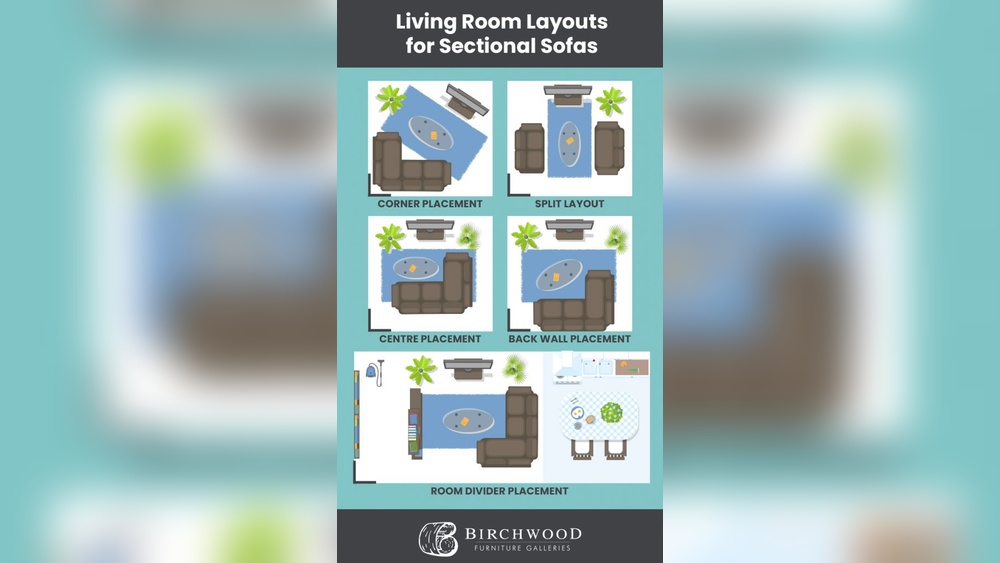
Corner Placement Strategies
Placing the sectional in a corner saves space and makes the room feel cozy. It uses often empty spots well. This setup works great for small rooms or apartments. You get a clear path across the room. It also creates a natural conversation area.
Choose a corner with good lighting. Avoid blocking windows or doors. Add a small table or lamp to enhance the corner’s function. This placement anchors the room and makes it inviting.
Floating Sectionals
Floating a sectional means placing it away from walls. This works well in large or open-plan rooms. It creates a separate seating zone. You can define areas without extra furniture.
Leave enough space to walk around. Use rugs to anchor the sectional. This setup feels open and modern. It encourages easy movement and clear sightlines across the room.
Against The Wall Or Centered
Placing the sectional against a wall frees up central space. It makes the room feel larger and less cluttered. This is a practical choice for narrow rooms.
Centering the sectional creates a strong focal point. It works well in big spaces. Add a coffee table or ottoman in front. This arrangement invites socializing and relaxation.
Adding Complementary Pieces
Adding complementary pieces around a sectional creates a balanced and inviting living room. These pieces help fill space and enhance comfort. They also add style and function to your seating area.
Choosing the right accessories improves flow and usability. Each piece should match your sectional’s size and style. Small touches make the room feel complete.
Choosing Coffee And Side Tables
Select coffee and side tables that fit the sectional’s scale. Round or oval tables work well in tight spaces. They prevent sharp edges and keep movement easy.
Choose tables with storage or shelves for extra function. Wood, glass, or metal can match different decor styles. Keep table height close to the sectional seat for easy reach.
Accent Chairs And Ottomans
Accent chairs add extra seating and visual interest. Pick chairs with slim profiles to avoid crowding. Different colors or patterns can make the room lively.
Ottomans offer comfort and versatility. Use them as footrests, extra seats, or small tables. Choose ottomans with hidden storage to save space and reduce clutter.
Lighting And Rugs
Good lighting sets the room’s mood and highlights your sectional. Floor lamps next to seating areas provide soft, focused light. Table lamps add warmth on side tables.
Rugs anchor the sectional and define the seating zone. Choose a rug large enough to fit under the front legs of furniture. Patterns and colors should complement the room’s palette.
Maximizing Comfort And Style
Maximizing comfort and style in a living room with a sectional sofa creates a warm and inviting space. The right touches make the area feel relaxing and look beautiful. Simple additions bring softness and personality. Thoughtful arrangements encourage easy conversations and cozy moments.
Using Throws And Pillows
Throws and pillows add softness to the sectional. Use them in different colors to brighten the room. Soft fabrics invite you to sit and relax. Layering pillows gives depth and comfort. Choose easy-to-clean materials for daily use.
Creating Cozy Conversation Areas
Arrange furniture to face each other for easy chatting. Use the sectional to form a natural boundary. Add a small coffee table or ottoman in the center. This setup encourages connection and warmth. Keep pathways clear to move freely.
Mixing Textures And Patterns
Combine smooth and rough fabrics for a rich feel. Mix solid colors with subtle patterns to add interest. Balance bold prints with simple designs to avoid clutter. Textures like velvet, wool, and cotton work well together. This mix makes the space lively and stylish.
Common Mistakes To Avoid
Arranging living room furniture with a sectional can be tricky. Many people make common mistakes that affect comfort and style. Avoiding these errors helps create a balanced and inviting space.
Overcrowding The Room
Too many pieces crowd the space. The room feels tight and uncomfortable. Leave enough space to move freely around the sectional. Avoid pushing all furniture against the walls. Instead, create a cozy seating area that invites conversation.
Ignoring Scale And Proportion
Choosing the wrong size sectional can disrupt the room’s flow. A giant sectional overwhelms a small space. A tiny one looks lost in a large room. Match the sectional size to your room. Balance other furniture pieces to maintain harmony.
Neglecting Traffic Paths
Clear paths are essential for easy movement. Avoid blocking doorways or walkways with the sectional. Leave at least two feet of space for walking around furniture. Proper traffic flow makes the room feel open and functional.

Credit: www.castlery.com
Frequently Asked Questions
How Do I Position A Sectional In A Small Living Room?
Place the sectional against a wall or corner to save space. Use light colors and keep pathways clear. Add a small coffee table to enhance functionality without cluttering the room.
What Is The Best Sectional Shape For Living Rooms?
L-shaped and U-shaped sectionals work best. They create natural seating zones and maximize space. Choose the shape based on room size and flow to improve comfort and style.
How Can I Balance A Sectional With Other Furniture?
Use smaller, complementary pieces like chairs or ottomans. Keep furniture proportional to avoid overcrowding. Add rugs and lighting to unify the space and maintain balance visually.
Should A Sectional Face The Focal Point In A Living Room?
Yes, orient the sectional toward the focal point, such as a TV or fireplace. This encourages conversation and creates a cozy, inviting atmosphere that enhances the room’s function.
Conclusion
Arranging living room furniture with a sectional brings comfort and style. Choose a layout that fits your space well. Leave enough room to walk around easily. Use rugs and tables to create cozy zones. Add pillows and throws for extra warmth.
Play with lighting to highlight your seating area. Keep the space tidy and inviting. A well-arranged sectional makes your living room great for relaxing or chatting. Try different setups until it feels just right for you. Enjoy your beautiful, functional living space every day.