
Are you looking to add a warm, rustic touch to your home? Building a farmhouse bookshelf might be the perfect project for you.
Imagine a sturdy, charming piece that not only holds your favorite books but also adds character to your living space. In this guide, you’ll discover simple steps to create your own farmhouse bookshelf, even if you’ve never built furniture before.
Ready to bring your home a little closer to that cozy farmhouse feel? Let’s get started and make something you’ll be proud of.
Materials And Tools Needed
Building a farmhouse bookshelf starts with gathering the right materials and tools. This step is important for creating a sturdy and beautiful piece. Using quality supplies makes your work easier and the final product last longer.
Below is a list of what you need. These items are common and easy to find. They help you build a bookshelf that fits the farmhouse style perfectly.
Wood Materials
Choose solid wood like pine, oak, or cedar. These woods are strong and have a natural look. You will need boards for shelves, sides, and the back panel. Cut the wood to the right sizes before starting.
Fasteners And Hardware
Use wood screws and nails to join parts together. Wood glue adds extra strength. Sandpaper smooths rough edges. Brackets or corner braces help stabilize the shelves.
Painting And Finishing Supplies
Select paint or stain that matches farmhouse decor. A clear sealant protects the wood from damage. Brushes or rollers apply paint evenly. Rags help wipe off extra stain.
Essential Tools
A drill with screwdriver bits makes assembly faster. A saw cuts wood to size. A tape measure and square ensure accuracy. Clamps hold pieces steady during gluing and screwing. A sanding block or electric sander smooths surfaces.

Credit: www.ana-white.com
Choosing The Right Wood
Choosing the right wood is key to building a sturdy farmhouse bookshelf. The wood affects the look, strength, and lifespan of your shelf. Picking the best wood type helps you get the style and durability you want.
Some woods are harder, while others are softer and easier to work with. The color and grain also change the shelf’s appearance. Knowing the wood options helps you make the right choice for your space and skill level.
Understanding Wood Types
Wood falls into two groups: hardwood and softwood. Hardwoods like oak and maple are strong and last long. Softwoods like pine and cedar are lighter and easier to cut. Both types work well but serve different needs.
Considering Durability And Strength
Bookshelves need to hold weight without bending. Hardwoods offer better support for heavy items. Softwoods can work if you build the shelf thick enough. Think about what you will store on your bookshelf.
Choosing Wood For Style
Wood grain and color create the farmhouse look. Pine has a warm, rustic feel with visible knots. Oak has a classic, clean grain that looks timeless. Pick wood that matches your room and personal taste.
Budget And Availability
Wood prices vary widely. Pine is usually cheaper and found easily. Oak and maple cost more but offer extra strength. Check what is available locally to save money and time.
Designing Your Bookshelf
Designing your farmhouse bookshelf is the first step to a beautiful and useful piece. Think about how it fits in your room and what you want it to hold. Good design makes building easier and the final shelf stronger.
Start by planning the size and style carefully. This helps make a bookshelf that looks great and works well for your space.
Dimensions And Size
Measure the space where the bookshelf will go. Note the height, width, and depth limits. The shelf should fit without crowding the room. Consider the books and items you want to store. Make shelves tall enough for big books and deep enough for decorations. Keep some space for future items too. A balanced size keeps the shelf useful and neat.
Style And Finish
Farmhouse style means simple, warm, and rustic looks. Choose wood that shows natural grains and knots. Use soft colors like white, cream, or light brown for a classic feel. Rough or matte finishes add charm and match farmhouse decor. Sand edges smooth but keep a worn look. Pick a finish that protects the wood but keeps its natural beauty. This style makes the shelf cozy and inviting.
Cutting The Wood Pieces
Cutting the wood pieces is the first step in building your farmhouse bookshelf. Precise cuts help the bookshelf fit together well. This step sets the stage for a sturdy and beautiful project. Use the right tools and follow the measurements carefully.
Take your time to measure twice. Cutting once saves wood and effort. Organize your wood pieces by size and type before starting.
Choose The Right Wood
Select wood that matches your style and strength needs. Pine or oak works well for farmhouse shelves. Check for knots or cracks that might weaken the boards. Smooth, flat wood makes cutting easier and safer.
Mark Your Cuts Clearly
Use a pencil and ruler to mark each cut line. Mark both sides of the wood for accuracy. Double-check the measurements before cutting. Clear marks prevent mistakes and wasted material.
Use Proper Cutting Tools
A circular saw or miter saw works best for straight cuts. Ensure blades are sharp for clean edges. Wear safety gear like goggles and gloves. Secure the wood firmly before cutting to avoid slips.
Follow Cut List For Each Piece
Cut the bookshelf sides, shelves, and supports as planned. Keep each piece organized and labeled after cutting. This helps during assembly and avoids confusion. Measure each piece again after cutting to confirm accuracy.
Assembling The Frame
Assembling the frame is the first step in building your farmhouse bookshelf. This part creates the basic structure that holds everything together. Taking your time ensures the frame is strong and square. A solid frame means your bookshelf will last for years.
Gather all the cut wood pieces and tools before starting. Clear space helps you work easily and safely. Follow the steps carefully to avoid mistakes.
Preparing The Wood Pieces
Start by sorting the wood pieces. Check each piece for cracks or damage. Sand rough edges to make them smooth. This helps the pieces fit together well. Label each piece to avoid confusion later.
Joining The Side Panels
Attach the vertical side panels to the bottom shelf first. Use wood glue along the edges for extra strength. Then, secure with screws or nails. Check the corners with a square tool to keep angles correct. Tight joints make the frame sturdy.
Installing The Top Shelf
Place the top shelf on the side panels. Apply wood glue on the edges before placing it. Screw the top shelf in place from the sides. Double-check the alignment to ensure it is even. This step completes the main rectangle of the frame.
Checking For Stability
Press gently on the frame to test stability. If it wobbles, tighten screws or add braces. Small adjustments here prevent problems later. A firm frame supports the shelves and weight of books.
Adding Shelves
Adding shelves is a key step in building a farmhouse bookshelf. Shelves hold your books and decorations. They must be strong and level. Proper installation ensures the shelf looks great and lasts long.
Choosing Shelf Material
Use solid wood for durability and a rustic look. Pine or oak fits the farmhouse style well. Avoid particleboard; it may sag over time. Thicker wood supports more weight.
Measuring And Cutting Shelves
Measure the inside width of your bookshelf frame carefully. Cut shelves to fit snugly without gaps. Use a saw with a fine blade for clean edges. Sand the edges smooth to avoid splinters.
Installing Shelf Supports
Install supports to hold each shelf securely. Use metal brackets or wooden cleats inside the frame. Place supports evenly to prevent sagging. Attach supports with screws for strong hold.
Securing Shelves In Place
Place each shelf on its supports. Check that shelves sit level using a spirit level. Screw shelves into supports if possible. This stops shelves from moving or tipping.
Sanding And Smoothing
Sanding and smoothing are key steps in building a farmhouse bookshelf. They prepare the wood surface to look clean and feel soft. Rough surfaces can cause splinters and make painting or staining uneven. Smooth wood gives a professional and polished look to your project.
Take time to sand every part of the bookshelf carefully. This step improves the wood’s appearance and helps paint or stain stick better. Proper sanding also removes any marks from cutting or assembling the wood pieces.
Sanding Tools You Need
Start with medium-grit sandpaper, such as 120 grit. It removes rough spots and small imperfections. Use a sanding block or electric sander to keep pressure even. After that, switch to fine-grit sandpaper like 220 grit. It smooths the surface for a perfect finish.
How To Sand Correctly
Sand along the grain of the wood, not against it. This avoids scratches and keeps the wood fibers intact. Move the sander or sandpaper evenly across the surface. Check for rough patches and sand again if needed. Take care around edges and corners to keep their shape.
Cleaning After Sanding
Remove dust with a soft brush or cloth after sanding. Dust can affect paint or stain adhesion. Use a tack cloth for a final wipe. Clean surfaces ensure a better finish and longer-lasting bookshelf.
Painting Or Staining
Painting or staining a farmhouse bookshelf gives it character and protects the wood. This step changes the look and feel of your project. Choose the right finish to match your room and style.
Both painting and staining have benefits. Paint covers the wood fully, hiding imperfections. Stain shows the wood grain and adds warmth. Pick the method that fits your taste and needs.
Preparing The Surface
Start by sanding the wood smooth. Use fine-grit sandpaper for the best result. Remove dust with a cloth. A clean surface helps paint or stain stick better.
Choosing Paint Or Stain
Use paint for a bright, solid color. Latex paint is easy to clean and lasts long. Stain works well if you want to see the wood grain. Oil-based stains give deep color and protect wood.
Applying The Finish
Apply paint or stain with a brush or cloth. Use even strokes to avoid streaks. Let each coat dry fully before adding another. Two or three coats usually work best.
Add a clear coat to protect your finish. Polyurethane works well over paint or stain. Use a water-based version for easy cleanup. This step keeps your bookshelf looking good longer.
Sealing For Protection
Sealing a farmhouse bookshelf protects the wood and keeps it looking good for years. It stops water, dirt, and scratches from damaging the surface. A good seal also helps prevent the wood from warping or cracking over time.
Choosing the right sealer and applying it well makes the bookshelf last longer. It adds a smooth finish that feels nice and easy to clean. Take your time during this step to get the best results.
Choosing The Right Sealer
Pick a sealer that fits the wood type and look you want. Clear polyurethane works well for a shiny, strong coat. For a more natural feel, use a matte or satin finish. Water-based sealers dry fast and have less smell.
Preparing The Bookshelf Surface
Sand the bookshelf smooth before sealing. Use fine-grit sandpaper to remove rough spots. Clean off dust with a dry cloth. A clean, smooth surface helps the sealer stick better.
Applying The Sealer
Use a brush or cloth to apply a thin, even layer. Let it dry fully before adding another coat. Two or three coats work best for strong protection. Lightly sand between coats for a smooth finish.
Drying And Curing Time
Allow the sealer to dry in a dust-free area. Drying times vary by product, usually a few hours. Curing can take several days for full hardness. Avoid heavy use until the bookshelf is fully cured.
Installing And Securing
Installing and securing your farmhouse bookshelf is a key step. It makes sure the shelf stays steady and safe. Proper installation prevents accidents and protects your books and décor.
Follow each step carefully. Use the right tools and anchors for strong support. This will keep your bookshelf steady for years.
Preparing The Wall And Shelf
Start by choosing the right wall. Find a spot with solid studs behind the drywall. Use a stud finder to locate them. Mark the stud locations with a pencil. This gives strong support for the shelf.
Check the shelf for any loose parts. Tighten screws and joints. Make sure it is ready to mount safely.
Mounting The Bookshelf
Lift the shelf carefully and hold it against the wall. Align the mounting holes with the stud marks. Use a level to ensure the shelf is straight. This helps avoid a tilted shelf.
Drill pilot holes through the shelf and into the studs. Insert screws and tighten them. Secure the shelf firmly to the wall. Avoid over-tightening, which can damage the wood.
Adding Safety Brackets
Attach safety brackets underneath the shelf for extra strength. Screw one side of the bracket to the shelf. Fix the other side to the wall stud.
Check each bracket is tight. This prevents the shelf from tipping forward. Safety brackets give peace of mind, especially in busy homes.
Styling Your Bookshelf
Styling your farmhouse bookshelf brings warmth and personality to any room. It turns simple shelves into a cozy, inviting space. The right style blends books with decorative items for a balanced look.
Think about the colors, textures, and shapes you want to show. Mix old and new pieces for charm. Keep the style simple and natural to match the farmhouse feel.
Arrange Books By Color And Size
Organize books by their color to create a pretty pattern. Group similar sizes together for neat lines. This method makes the shelf look tidy and artistic.
Add Natural Elements
Use plants, wood, or stone pieces to add texture. Small potted plants or dried flowers bring life to the shelf. These natural touches fit well with farmhouse style.
Include Personal Items
Display photos, keepsakes, or handmade crafts. Personal items make the shelf feel unique and warm. Choose small objects that tell your story.
Use Baskets And Boxes
Baskets and boxes hide clutter and add rustic charm. They keep small items organized and out of sight. Choose woven or wooden containers for a farmhouse look.
Balance Open And Closed Spaces
Mix open shelves with closed storage for variety. Open spaces show off your style. Closed ones hide less attractive items and keep the shelf neat.
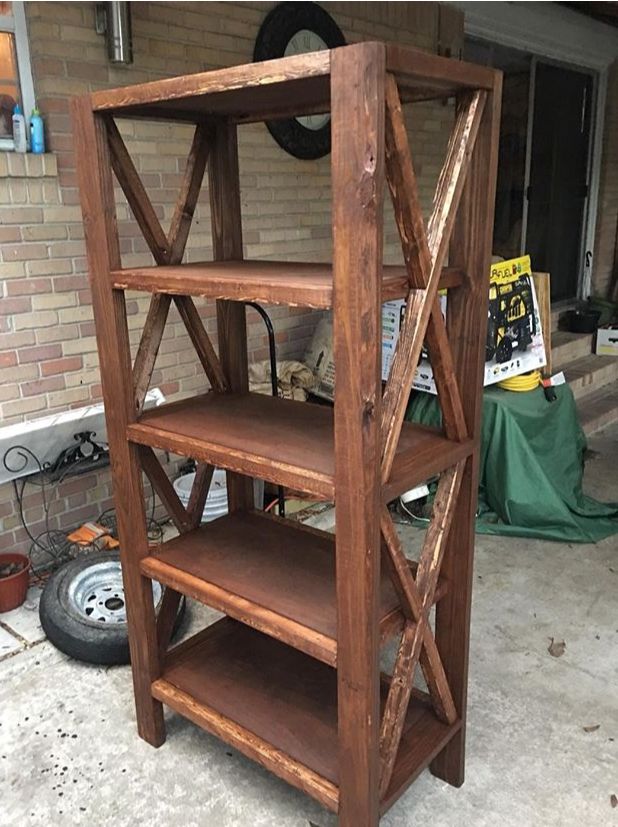
Credit: www.hometalk.com

Credit: 100things2do.ca
Frequently Asked Questions
What Materials Are Needed To Build A Farmhouse Bookshelf?
You will need wood boards, screws, wood glue, sandpaper, paint or stain, a drill, and a saw. These basics ensure a sturdy and rustic farmhouse look.
How Long Does It Take To Build A Farmhouse Bookshelf?
Building a farmhouse bookshelf typically takes 4 to 6 hours. Time varies by skill level and design complexity.
What Wood Type Is Best For Farmhouse Bookshelves?
Pine, oak, or reclaimed wood work best for farmhouse bookshelves. They offer durability and a rustic, authentic appearance.
How Can I Finish My Farmhouse Bookshelf For Durability?
Use a clear polyurethane finish or wood stain. These protect the wood and enhance the farmhouse aesthetic.
Conclusion
Building a farmhouse bookshelf is a fun and rewarding project. You create a piece that fits your style and space. Using simple tools and steps makes it easy to follow. The result is a sturdy shelf that holds your books well.
Enjoy adding your favorite items and making it your own. A homemade bookshelf adds charm and function to any room. Start your project today and see the difference it makes.
