Looking for a simple and stylish way to organize your coats and hats? Building a free standing coat rack might be just what you need.
Imagine having a sturdy, custom piece that fits perfectly in your space and keeps your entryway neat. In this guide, you’ll discover easy steps to create your own coat rack without spending a fortune. By the end, you’ll have a practical and attractive addition to your home that you built yourself.
Ready to get started? Let’s dive in!

Credit: reciclajesostenibleeuropa.com
Materials Needed
Building a free standing coat rack starts with gathering the right materials. Choosing quality items makes your project easier and the final product stronger. Below are the key materials you need for this simple woodworking task.
Wood Selection
Select wood that is strong and easy to work with. Pine, oak, and maple are good choices. Pine is soft and affordable. Oak and maple are harder and last longer. Choose smooth wood to avoid splinters and make finishing easier. Measure the wood for the base, post, and hooks carefully before cutting.
Tools Required
Gather these tools to build your coat rack quickly and safely. A saw helps cut the wood to size. Use a drill to make holes for screws and hooks. Sandpaper smooths rough edges. A screwdriver or power driver is needed to fix screws firmly. A measuring tape and pencil ensure accurate cuts and placements.
Additional Supplies
Besides wood and tools, some extra supplies improve your project. Screws hold the parts together tightly. Wood glue adds extra strength. Hooks or pegs will hold coats and hats. Finish with paint or varnish for a nice look and protection. Use safety gear like gloves and goggles to protect yourself.
Design Planning
Design planning is a key step in building a free standing coat rack. It helps you create a functional and stylish piece. Careful planning saves time and materials. It ensures the rack fits well in your space and meets your needs.
Choosing The Style
Start by deciding the style of your coat rack. Do you want a modern look or a classic design? Think about the room’s decor. Pick a style that matches your home. Simple designs are easier to build. Ornate styles need more skill and tools.
Measuring Dimensions
Measure the space where you want to place the coat rack. Note the height, width, and depth available. Leave extra room for coats and hats. Make sure the base is wide for stability. Accurate measurements help avoid mistakes during building.
Sketching The Layout
Draw a rough sketch of your coat rack. Include the base, poles, and hooks. Mark the height of each part. Show where hooks will go for easy access. A clear layout guides you during the build. It helps visualize the final product.
Cutting The Wood
Cutting the wood is the first hands-on step in building your free standing coat rack. It shapes the wood pieces to the correct size. Accuracy here makes sure everything fits well later. Taking time to cut carefully helps avoid mistakes.
Keep your workspace clean and organized. This part requires focus and patience. Safety is also very important. Let’s break down the cutting process into easy steps.
Marking Measurements
Start by measuring the wood with a tape measure. Use a pencil to mark the lines clearly. Double-check the numbers before drawing. Mark all pieces you need to cut. Clear, straight lines guide your saw for precise cuts.
Using The Saw Safely
Choose the right saw for your wood type and thickness. Hold the wood steady with clamps or a helper. Keep your hands away from the blade’s path. Cut slowly and follow your marked lines. Wear safety glasses and gloves for protection.
Sanding The Edges
After cutting, the edges might be rough. Use sandpaper or a sanding block to smooth them out. Sand all cut sides evenly to prevent splinters. Smooth edges give your coat rack a neat, finished look. It also makes the wood safer to handle.

Credit: 100things2do.ca
Assembling The Base
Assembling the base is the first key step in building a free standing coat rack. The base supports the whole structure. It must be strong and steady. A well-built base ensures the rack stays upright and safe.
Start by preparing the wooden pieces for the base. Use smooth, even cuts for better fitting. Proper assembly here makes the rest of the project easier.
Joining Techniques
Choose the right joining technique to connect the base pieces. Simple methods like butt joints work well. You can also use lap joints for extra strength. Make sure the joints fit tightly without gaps.
Use wood glue at the joints. It adds strength and holds pieces together firmly. Clamp the pieces after gluing. This keeps parts steady while drying.
Ensuring Stability
Check that the base lies flat on the floor. It must not wobble or tilt. Adjust the pieces so they create a level surface. Wide bases give better stability.
Add small rubber pads under the base if needed. These prevent slipping and protect floors. Stability is important for safety and usability.
Securing With Screws
Screws provide a strong hold for the base joints. Use wood screws that match the wood thickness. Drill pilot holes first to avoid splitting the wood.
Drive screws carefully until they are flush with the surface. Countersink the screws for a neat look. Tight screws keep the base solid and durable.
Building The Upright Support
Building the upright support is a key step in making a free standing coat rack. This part holds the weight of the coats. It must be strong and steady. The upright support usually has two or more vertical posts. These posts stand straight and form the main frame of the rack.
Careful assembly here ensures your coat rack lasts long. It also keeps your coats safe and off the floor. Follow these steps to build a solid upright support.
Attaching Vertical Posts
Start by cutting two wooden posts of equal length. These will be the vertical supports. Place them parallel to each other. Use screws or nails to attach a horizontal base piece at the bottom. This base holds the posts upright. Make sure the posts are straight before fixing the base.
Check the distance between posts. It should match the coat rack design. Use a level tool to keep posts vertical. Tighten all screws to avoid wobbling.
Reinforcing The Structure
Reinforce the upright support to make it stronger. Add diagonal braces between the vertical posts and base. These braces prevent the posts from swaying. Use wood glue along with screws for extra hold.
Add a crossbar near the top of the posts. This crossbar connects the posts and adds stability. Sand all edges smooth to avoid splinters. Test the frame by gently shaking it. It should feel firm and steady before moving on.
Adding Coat Hooks
Adding coat hooks is an important step in building a free standing coat rack. Hooks hold coats, hats, and bags securely. Choosing the right hooks and placing them well makes the rack both useful and attractive. This section explains how to select, position, and mount coat hooks with ease.
Selecting Hook Types
Choose hooks that fit the style and purpose of your coat rack. Metal hooks are strong and last long. Wooden hooks match natural wood racks nicely. Plastic hooks are light but less durable. Consider hooks with double prongs to hold more items. Pick sizes that suit the coats and accessories you plan to hang.
Positioning Hooks Evenly
Mark the hook spots carefully on the rack’s frame. Space hooks evenly to avoid crowding coats together. Too close hooks can wrinkle clothes. Too far apart wastes space. Use a ruler or measuring tape for accuracy. Place hooks at a height easy to reach for all users. Balance the look by keeping the same distance between hooks.
Mounting Hooks Securely
Use screws or nails that fit your hook type. Drill pilot holes to prevent wood from splitting. Tighten screws firmly to keep hooks stable. Test each hook by pulling it gently. Loose hooks can fall and cause damage. For heavy coats, choose strong fasteners. Check hooks regularly to maintain safety and function.
Finishing Touches
Finishing touches bring your free standing coat rack to life. They protect the wood and improve its look. Proper finishing makes your rack last longer and look better in your home.
Painting Or Staining
Choose paint or stain based on your style. Paint offers many colors for a bold look. Stain shows the wood grain and adds warmth. Apply thin, even coats for the best results. Let each layer dry completely before adding the next.
Applying Protective Coat
A protective coat guards your rack from damage. Use clear varnish, polyurethane, or wax. These coatings resist scratches and moisture. Apply with a clean brush in smooth strokes. Allow the coat to dry fully before use.
Final Inspection
Check every part of your coat rack. Look for rough spots or drips in the finish. Sand lightly if needed and touch up paint or stain. Ensure hooks are secure and the rack stands stable. Your rack is ready to use and enjoy.
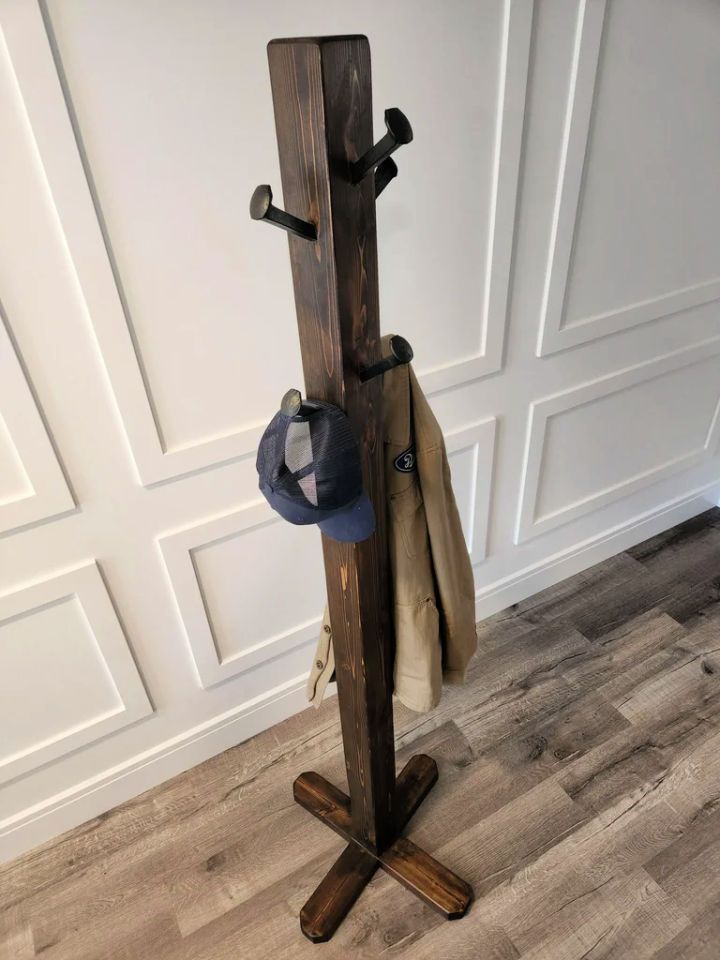
Credit: www.magic-vacation.com
Maintenance Tips
Maintaining your free standing coat rack is easy and keeps it looking new. Regular care helps the rack stay strong and last longer. Follow simple steps to clean and fix small problems fast.
Cleaning Instructions
Dust the coat rack often with a soft cloth. Use a damp cloth to remove dirt or stains. Avoid harsh chemicals that can damage the finish. Dry the rack completely after cleaning to stop water marks. Clean metal parts with a mild soap solution and dry well.
Repairing Minor Damages
Check the coat rack for small scratches or dents. Use wood filler for wooden racks to fix scratches. Sand the area lightly after the filler dries. Touch up paint or stain to match the rack’s color. Tighten any loose screws or bolts to keep it steady. Replace hooks if they bend or break easily.
Frequently Asked Questions
What Materials Are Needed To Build A Free Standing Coat Rack?
You need wood, screws, a drill, sandpaper, paint, and hooks. Choose sturdy wood for stability. Prepare all tools before starting the build.
How Long Does It Take To Build A Coat Rack?
Building a coat rack usually takes 2 to 4 hours. It depends on your skill level and design complexity. Allow extra time for drying paint or finishes.
Can I Customize The Coat Rack Design?
Yes, you can customize size, color, and number of hooks. Personalize it to match your home decor and storage needs. Custom designs add uniqueness to your space.
Is It Cost-effective To Build A Coat Rack?
Building your own coat rack is cost-effective compared to buying one. You save money by using basic materials and tools. Plus, you get a personalized, durable product.
Conclusion
Building a free standing coat rack is simple and practical. It adds space and keeps your area tidy. You only need basic tools and materials. Follow the steps carefully and take your time. Personalize it to fit your style and needs.
This project saves money and gives a sense of pride. Enjoy your new coat rack every day. Give it a try and see the difference it makes.
