Are you ready to create a cozy, safe space your toddler will love? Building a wood bed for your little one is easier than you think—and it gives you the chance to customize every detail just the way you want.
Imagine a sturdy, beautiful bed that fits perfectly in your child’s room and grows with them. In this guide, you’ll discover simple steps and expert tips to build a toddler wood bed that’s both durable and charming. Keep reading, and you’ll have all the tools and confidence to make this project a reality.
Your toddler’s perfect bed is waiting!
Choosing The Right Wood
Choosing the right wood is a key step in building a safe and sturdy toddler bed. The wood affects the bed’s strength, look, and safety. Picking the best wood helps ensure the bed lasts long and is safe for your child.
Wood types vary in hardness, weight, and cost. Some woods are easier to work with, while others are tougher and more durable. Knowing these differences will help you pick the best wood for your project.
Types Of Wood For Toddler Beds
Hardwoods like oak, maple, and cherry are strong and last long. They resist dents and scratches well. Softwoods like pine and cedar are lighter and easier to cut. They have a nice natural look but may dent more easily.
Choosing between hardwood and softwood depends on your tools and skill. Both types can make a safe bed if built carefully.
Durability And Safety Considerations
Durable wood keeps the bed stable and safe over time. Avoid wood with knots or cracks. These can weaken the structure. Sand the wood smooth to prevent splinters. Use non-toxic finishes to protect your child’s health.
Strong joints and a solid frame are important. The wood must support the child’s weight without bending or breaking.
Budget-friendly Wood Options
Pine is a popular budget-friendly choice. It is easy to find and work with. Poplar is another affordable hardwood that paints well. Both woods offer good value without sacrificing quality.
Buying wood from local suppliers can reduce costs. Check for offcuts or second-grade wood for savings. Just make sure the wood is still strong and safe for a toddler bed.

Credit: www.reddit.com
Essential Tools And Materials
Building a toddler wood bed needs the right tools and materials. These help you work safely and make a strong bed. Having everything ready saves time and avoids mistakes.
Choose tools and materials that fit your skill level. Use safe and child-friendly items to protect your toddler. Below are key items to prepare before starting your project.
Basic Carpentry Tools
Start with simple tools. A measuring tape helps get correct sizes. A saw cuts wood to the needed shapes. A hammer drives nails securely into wood.
A drill speeds up screwing and makes holes. Sandpaper smooths rough edges for safety. Clamps hold wood pieces steady while working.
Fasteners And Hardware
Use screws and nails to join wood pieces. Screws offer strong and lasting holds. Nails are quick for small parts.
Brackets add support to corners and joints. Wood glue strengthens connections between boards. Choose rust-resistant hardware for durability and safety.
Finishes And Paints
Pick non-toxic paint to keep children safe. Paint adds color and protects wood from damage. Use a primer before painting for better results.
Clear sealants protect wood and make cleaning easier. Let each coat dry fully before applying the next. Avoid strong odors by choosing water-based finishes.
Designing The Bed Frame
Designing the bed frame is the first step in building a toddler wood bed. This step sets the foundation for a safe and comfortable sleeping space. A good design also makes the building process easier and faster.
Focus on simple shapes and strong materials. Keep the design child-friendly and practical. Think about how the bed will fit in the room and how your toddler will use it every day.
Measuring And Planning Dimensions
Start by measuring your toddler’s mattress size. Most toddler beds fit a standard crib mattress, about 28 by 52 inches. Add extra space for the frame and guardrails.
Plan the bed height carefully. It should be low to the ground for easy access. Check the room space to ensure the bed fits well and leaves room to move.
Simple Toddler Bed Designs
Choose basic shapes like rectangles and squares. These are easier to cut and assemble. A flat headboard and footboard work well and look neat.
Use straight lines and avoid sharp corners. This keeps the bed safe and easy to build. Paint or finish the wood with child-safe products for a smooth look.
Incorporating Safety Features
Add guardrails on the sides to stop your toddler from falling out. Make sure the rails are high enough but not too tall. Leave small gaps to avoid trapping fingers.
Use rounded edges on all parts to prevent injuries. Check for loose screws or rough surfaces. Choose non-toxic paint or sealant to protect your child’s health.
Cutting And Preparing Wood Pieces
Cutting and preparing wood pieces is a key step in building a toddler wood bed. It sets the foundation for a strong, safe bed. Taking time to measure, cut, and sand carefully helps create smooth, well-fitted parts. These parts fit together easily and last long. Follow these simple steps to prepare your wood pieces properly.
Accurate Measuring And Marking
Measure the wood pieces carefully using a tape measure or ruler. Mark lines clearly with a pencil. Double-check your measurements before cutting. Accurate marks help avoid mistakes and waste. Use a square tool to make sure your lines are straight. Clear, precise marks make cutting easier and parts fit better.
Safe Cutting Techniques
Use the right saw for your wood type and thickness. Keep your hands away from the blade at all times. Cut slowly and steadily along the marked lines. Use clamps to hold the wood firmly. Always wear safety glasses and hearing protection. Taking care during cutting prevents accidents and gives clean edges.
Sanding For Smooth Surfaces
Sand all cut edges and surfaces with fine-grit sandpaper. Smooth wood feels safe and looks neat. Sand corners and edges to avoid splinters. Move the sandpaper in the direction of the grain. Check your work often by running your hand over the wood. Proper sanding makes the bed comfortable and child-friendly.
Assembling The Bed Frame
Assembling the bed frame is the key step in building a toddler wood bed. It creates the strong base that holds the mattress and keeps your child safe. Taking care during assembly ensures the bed lasts for years.
Start by organizing all parts and tools. Clear space for easy movement. Follow instructions closely for a smooth build.
Joining Techniques
Use wood screws and dowels to join frame parts. Dowels fit into drilled holes for tight connections. Screws add extra strength and hold pieces firmly. Align edges carefully before tightening screws. Avoid over-tightening to prevent wood damage.
Securing The Frame
Check all corners for square angles. Use clamps to hold pieces while fastening. Add corner brackets for added support. Make sure the frame does not wobble or shift. Tighten all screws evenly to keep the frame steady.
Installing Support Slats
Place slats evenly across the frame width. Space slats closely for mattress support. Attach each slat with screws or nails. Test the frame by pressing down on slats. They should not move or break under pressure.

Credit: www.youtube.com
Finishing Touches
Finishing touches give your toddler wood bed a polished look. These final steps protect the wood and make the bed safe. They also add color and style that fit your child’s room. Follow these simple steps to complete your project with care and skill.
Applying Paint Or Stain
Choose a paint or stain that is safe for children. Use a brush or roller to apply it evenly on all surfaces. Let the first coat dry before adding another. Thin layers prevent drips and uneven color. Paint bright colors for fun, or stain to keep the wood natural.
Adding Protective Coatings
Protective coatings guard the bed from scratches and spills. Use a clear, non-toxic sealant made for children’s furniture. Apply it smoothly and allow it to dry fully. This step makes the bed last longer and easier to clean. It also keeps the wood looking fresh and new.
Attaching Guard Rails
Guard rails keep your toddler safe while sleeping. Attach them firmly on each side of the bed frame. Use screws and brackets designed for wood furniture. Check that the rails fit snugly without gaps. Test the rails by applying gentle pressure to ensure they hold well.
Ensuring Durability And Comfort
Building a toddler wood bed requires focus on two key things: durability and comfort. These factors ensure the bed lasts long and your child sleeps well. A strong bed frame keeps your toddler safe. A soft mattress supports growing bodies. Both parts need care and attention during and after building.
Testing Stability
Check all screws and joints tightly fixed. Shake the bed gently to see if it wobbles. No movement means good stability. Use wood glue on loose parts for extra strength. Test the bed with some weight before use. This step prevents accidents and keeps the bed firm.
Choosing The Right Mattress
Select a mattress that fits the bed perfectly. It should be firm but comfortable. Avoid mattresses that are too soft or too hard. Breathable material helps keep your child cool. Choose hypoallergenic options to reduce allergies. A good mattress supports proper posture and sleep quality.
Maintenance Tips
Clean the bed frame regularly with a soft cloth. Avoid harsh chemicals that can damage the wood. Tighten screws every few months to keep the bed stable. Check the mattress for wear and replace if needed. Keep the bed away from damp places to prevent wood damage. Proper care extends the bed’s life and comfort.
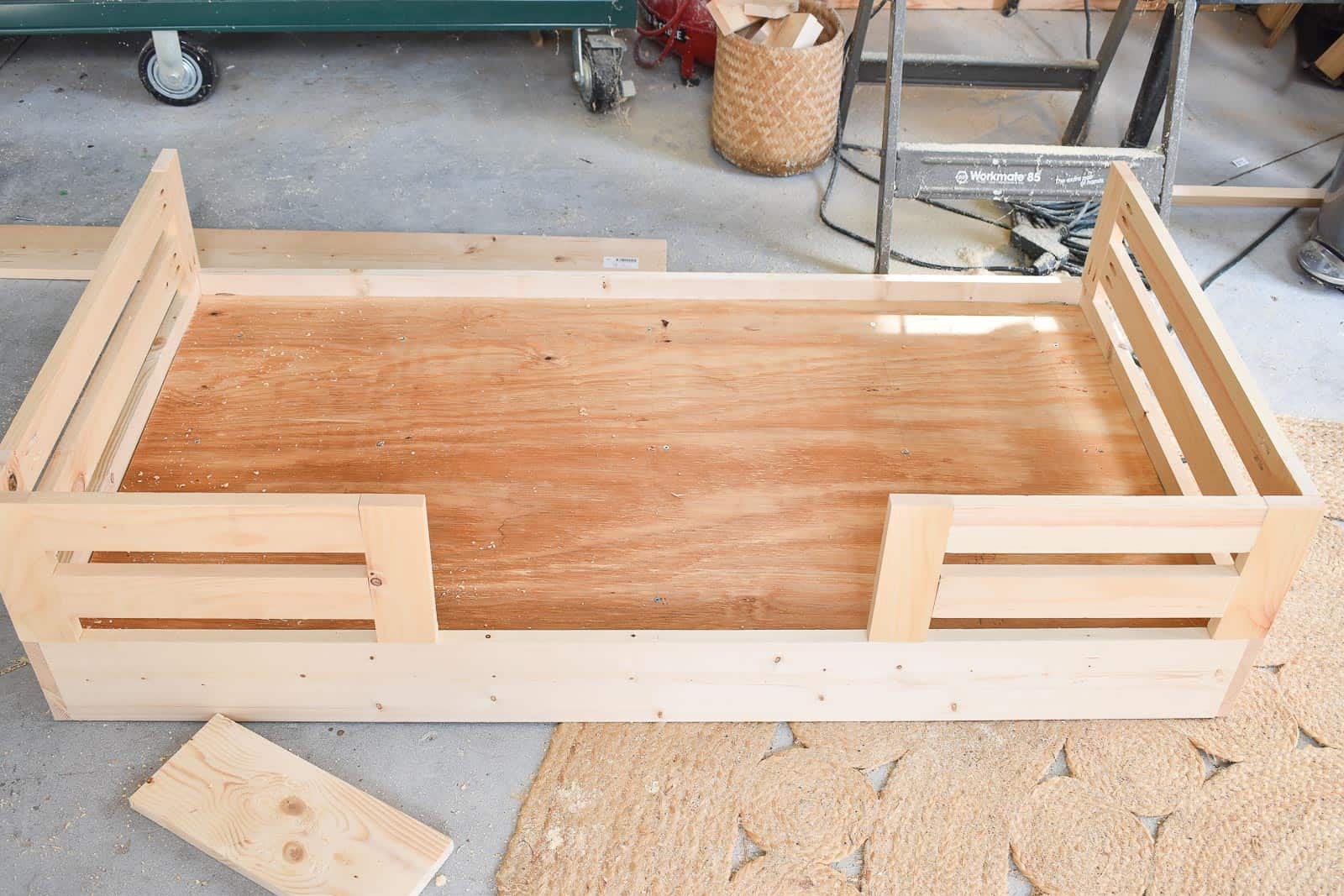
Credit: atcharlotteshouse.com
Frequently Asked Questions
What Materials Do I Need To Build A Toddler Wood Bed?
You need wood planks, screws, sandpaper, wood glue, and a non-toxic finish. Choose safe, durable materials for toddlers.
How Long Does It Take To Build A Toddler Wood Bed?
Building a toddler wood bed typically takes 4 to 6 hours. This depends on your skill and tool availability.
What Safety Features Should A Toddler Wood Bed Have?
Include guardrails, smooth edges, and non-toxic finishes. Ensure the bed is low to the ground to prevent falls.
Can I Customize The Design Of A Toddler Wood Bed?
Yes, you can customize size, color, and style. Personalize it with paint, decals, or themed decorations.
Conclusion
Building a toddler wood bed can be a fun and rewarding project. It takes patience, simple tools, and clear steps. You create a safe, cozy space for your child to sleep. This project also saves money compared to buying a bed.
Plus, you can customize it to fit your style and needs. Take your time and follow the instructions carefully. Soon, your toddler will enjoy their new bed. Enjoy the process and the finished product.