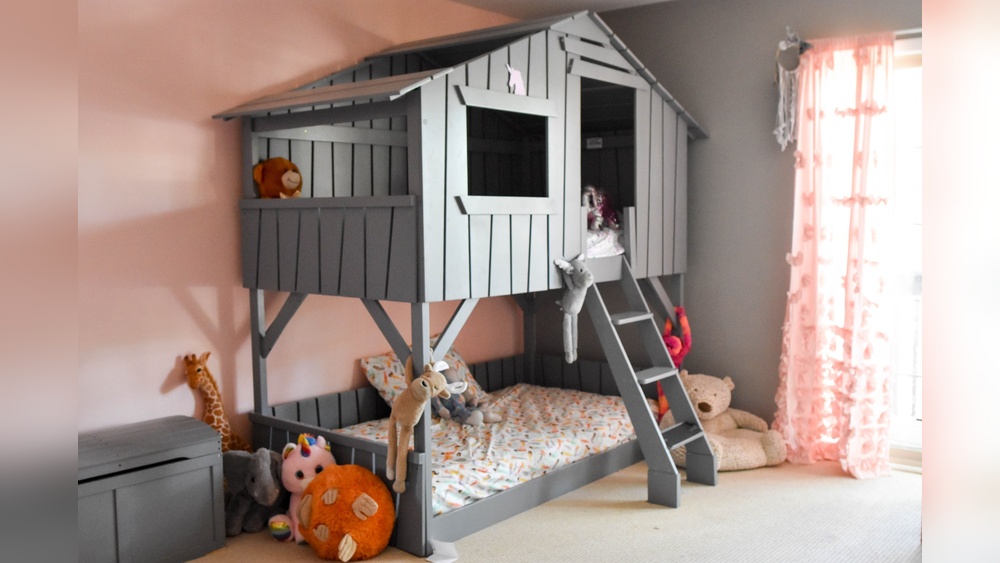
Imagine giving your kids a magical place to sleep and play, right inside their own room. A treehouse bunk bed is more than just furniture – it’s an adventure, a cozy hideaway, and a unique way to save space.
If you’ve ever thought about building one yourself, you’re in the right place. This guide will walk you through every step, making the process simple and fun. By the end, you’ll have the skills to create a special bunk bed that feels like a real treehouse.
Ready to turn your vision into reality? Let’s get started!
Planning Your Treehouse Bunk Bed
Planning your treehouse bunk bed is the key to a fun and safe project. It helps you create a space your kids will love. Careful planning saves time and avoids mistakes. Focus on location, design, and safety before building.
Choosing The Right Location
Pick a spot that is flat and stable. Avoid areas with low branches or sharp objects. Check for enough space around the treehouse. The tree should be strong and healthy. Make sure the location gets some shade. This keeps the treehouse cool and comfortable.
Design Ideas For Kids
Think about what your kids like. Use fun colors and themes. Add a slide or a ladder for easy access. Include windows and a small porch for extra space. Keep the design simple and practical. Make sure it fits the room size and tree shape.
Safety Considerations
Use strong materials that can hold weight. Install guardrails to prevent falls. Check for sharp edges or nails. Use non-slip surfaces on ladders and floors. Keep the treehouse low to the ground if possible. Always supervise young children while playing.
Materials And Tools Needed
Building a treehouse bunk bed requires the right materials and tools. Choosing good supplies makes the project safer and stronger. This section covers the main items needed. Prepare well for a smooth building process.
Selecting Quality Wood
Pick wood that is strong and durable. Cedar and pine are good options. They resist weather and insects. Use wood that is smooth and free of cracks. Pressure-treated wood lasts longer outside. Choose planks thick enough to hold weight safely.
Essential Hardware
Use sturdy screws and bolts to hold parts together. Galvanized or stainless steel hardware resists rust. Include corner braces and metal brackets for extra support. Heavy-duty hinges work well for any doors or lids. Get wood glue for added strength.
Tools Checklist
Have a drill with various bits for holes and screws. A saw is needed to cut wood pieces accurately. Use a tape measure to ensure correct dimensions. Sandpaper or a sander smooths rough edges. A level helps keep the bed even and safe. Safety gear like gloves and goggles protects you.
Building The Frame
Building the frame is the first big step in creating your treehouse bunk bed. This part gives the bed its shape and strength. A solid frame keeps the bunk bed safe and sturdy for years. Take your time and be precise with each task.
Start by preparing all materials and tools. Clear space helps to work better and safer. Measure twice, cut once is a good rule to follow here. Accuracy makes the rest of the build easier.
Measuring And Cutting Wood
Measure the wood pieces carefully. Use a tape measure and mark each cut clearly. Make sure to measure all parts for the frame. This includes side rails, slats, and support beams.
Cut the wood with a saw, following your marks. Keep the cuts straight and clean. Smooth any rough edges with sandpaper to avoid splinters. Correct sizes help the frame fit together perfectly.
Assembling The Base
Lay out the cut pieces on a flat surface. Connect the side rails and support beams first. Use screws or bolts to join the pieces tightly. Check that the base is square and level before moving on.
This base holds the whole structure. It must be strong and steady. Reinforce corners with brackets for extra support. A good base makes the bunk bed safe to use.
Constructing The Bunk Levels
Build each bunk level separately. Attach slats evenly across the frame for mattress support. Double-check spacing to keep the mattress steady. Secure all connections with screws or nails.
Make sure the top bunk has guardrails for safety. Install ladders or steps firmly to help climbing. Strong and well-built levels ensure a comfortable sleep space.
Creating The Treehouse Elements
Creating the treehouse elements is a key step in building a treehouse bunk bed. These parts make the bed feel like a real treehouse. They add charm, fun, and a cozy space for kids. Start by shaping the basic structure. Then, add features that bring the treehouse to life.
Focus on simple designs that are safe and easy to build. Use wood and materials that fit the treehouse style. Every detail helps make the bunk bed special and inviting.
Adding Walls And Roof
Use lightweight wood panels for walls. Cut panels to fit the bed frame size. Attach panels securely with screws. Keep walls low enough for safety but high enough for privacy.
For the roof, choose plywood or thin wood sheets. Angle the roof slightly to help rainwater run off. Paint or stain the roof to protect it from moisture. This makes the treehouse bunk bed sturdy and weatherproof.
Incorporating Windows And Doors
Windows add light and a view outside. Cut simple square or round openings in the walls. Cover windows with clear plastic or mesh for safety. Attach window frames using small nails.
Make a small door that fits the bunk bed size. Use lightweight wood and hinges for easy opening. Add a small handle or knob for fun. Doors create a real treehouse feel for kids.
Decorative Features
Decorate with natural elements like small branches or twigs. Attach them carefully to walls or roof edges. Paint fun shapes or patterns on walls. Use bright, child-friendly colors.
Add small shelves inside for toys or books. Hang a rope ladder or small flag for extra fun. These details make the treehouse bunk bed unique and playful.
Installing Safety Features
Installing safety features is the most important step when building a treehouse bunk bed. Safety makes sure kids can play and sleep without risks. A strong, secure setup protects from falls and injuries. Use smart ideas to keep the bunk bed safe and fun.
Guardrails And Ladders
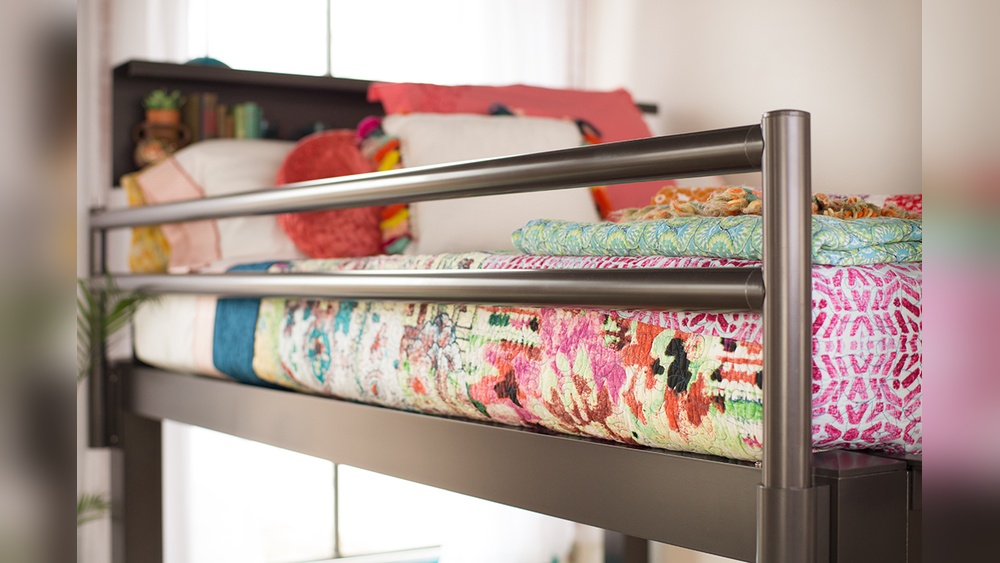
Guardrails stop children from falling off the bunk bed. Use wood or metal rails around the edges. Make sure the rails are tall enough and close together. Check that no gaps let a child slip through.
Choose a ladder that is sturdy and easy to climb. Fix the ladder firmly to the bunk bed frame. Add wide steps or rungs for better grip. Avoid slippery materials on the ladder.
Securing The Structure
Strong joints keep the treehouse bunk bed steady. Use screws and bolts instead of nails for better hold. Tighten all connections before use. Check the frame often to catch loose parts early.
Attach the bunk bed securely to the wall or tree for extra support. Use brackets or straps designed for heavy loads. This prevents the bed from shifting or tipping over.
Using Non-toxic Finishes
Choose paints and finishes that are safe for children. Non-toxic options do not release harmful fumes or chemicals. Look for water-based paints labeled as child-safe.
Apply finishes evenly to protect the wood from splinters and wear. Let each coat dry fully before adding another. This keeps the treehouse bunk bed healthy and safe to use.

Credit: maretteflora.com
Painting And Finishing Touches
Painting and finishing touches bring your treehouse bunk bed to life. These final steps protect the wood and create a cozy, inviting space. A well-finished bunk bed looks great and feels comfortable for kids. Focus on safe paints, soft bedding, and personal details to make it special.
Choosing Child-friendly Paints
Select paints that are safe for children. Use non-toxic, water-based paints with low fumes. These paints protect your child’s health and the environment. Pick colors that match the room’s theme or your child’s favorites. Apply at least two coats for good coverage and durability. Let the paint dry completely before adding more layers.
Adding Cushions And Bedding
Soft cushions make the bunk bed more comfortable. Choose washable covers to keep the space clean. Add a mattress that fits well and supports a good night’s sleep. Use bedding with fun patterns or simple colors for a cozy feel. Pillows and blankets add warmth and a touch of style.
Personalizing The Space
Make the bunk bed unique with personal touches. Hang small lights or fairy lights for a magical effect. Use stickers or decals that your child loves. Add shelves or hooks for toys and books. Let your child help choose decorations to make the space truly theirs.
Maintenance Tips
Maintaining your treehouse bunk bed is key to keeping it safe and sturdy. Regular care helps the bed last longer and stay fun for kids. This section covers easy maintenance tips anyone can follow.
Regular Inspections
Check the bunk bed often for loose screws or nails. Look for cracks in the wood and signs of rot. Make sure the ladder and rails are secure. Early spotting of problems prevents bigger damage later.
Weatherproofing
Apply a water-resistant sealant to protect the wood from rain and sun. Use outdoor paint or varnish designed for wood. Reapply every year or after harsh weather to keep the wood strong and safe.
Repairing Wear And Tear
Fix any broken parts right away. Replace damaged wood pieces or tighten loose bolts. Sand rough edges to avoid splinters. Small repairs keep the bunk bed safe and comfortable for kids.

Credit: www.reddit.com

Credit: www.reddit.com
Frequently Asked Questions
What Materials Are Needed To Build A Treehouse Bunk Bed?
You need sturdy wood, screws, nails, sandpaper, paint, and safety brackets. Quality materials ensure durability and safety. Choose weather-resistant wood for outdoor use.
How Long Does It Take To Build A Treehouse Bunk Bed?
Building usually takes 2-4 days, depending on skill level. Proper planning and preparation shorten the process. Allow extra time for drying paint or finishes.
What Safety Features Are Essential For A Treehouse Bunk Bed?
Include guardrails, secure ladders, and smooth edges. Check weight limits and use non-toxic finishes. Regularly inspect for loose parts to keep it safe.
Can I Customize The Design Of A Treehouse Bunk Bed?
Yes, customize size, shape, and colors to fit your space. Add windows, shelves, or themed decorations. Personalization makes it more fun and unique.
Conclusion
Building a treehouse bunk bed can be a fun and rewarding project. It adds a unique touch to any room and creates a cozy space for kids. Careful planning and safety checks are important. Use strong materials and follow the steps closely.
This bed combines playfulness with practicality. Enjoy the process and the final result. Your children will love their new special place. Give it a try and create lasting memories.