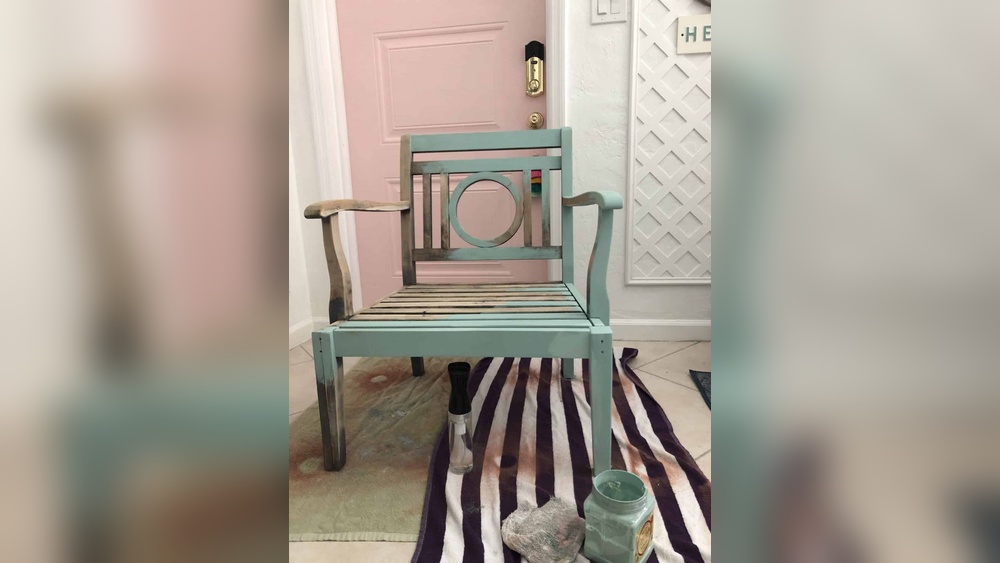
Imagine relaxing in your own backyard, surrounded by furniture that feels warm, inviting, and truly your own. Building rustic outdoor furniture isn’t just a project—it’s a way to bring charm and comfort to your outdoor space without spending a fortune.
You don’t need to be a woodworking expert to create pieces that look stunning and last for years. You’ll discover simple steps, helpful tips, and creative ideas that make building rustic furniture easy and enjoyable. Ready to transform your outdoor area with furniture that tells your story?
Let’s get started.
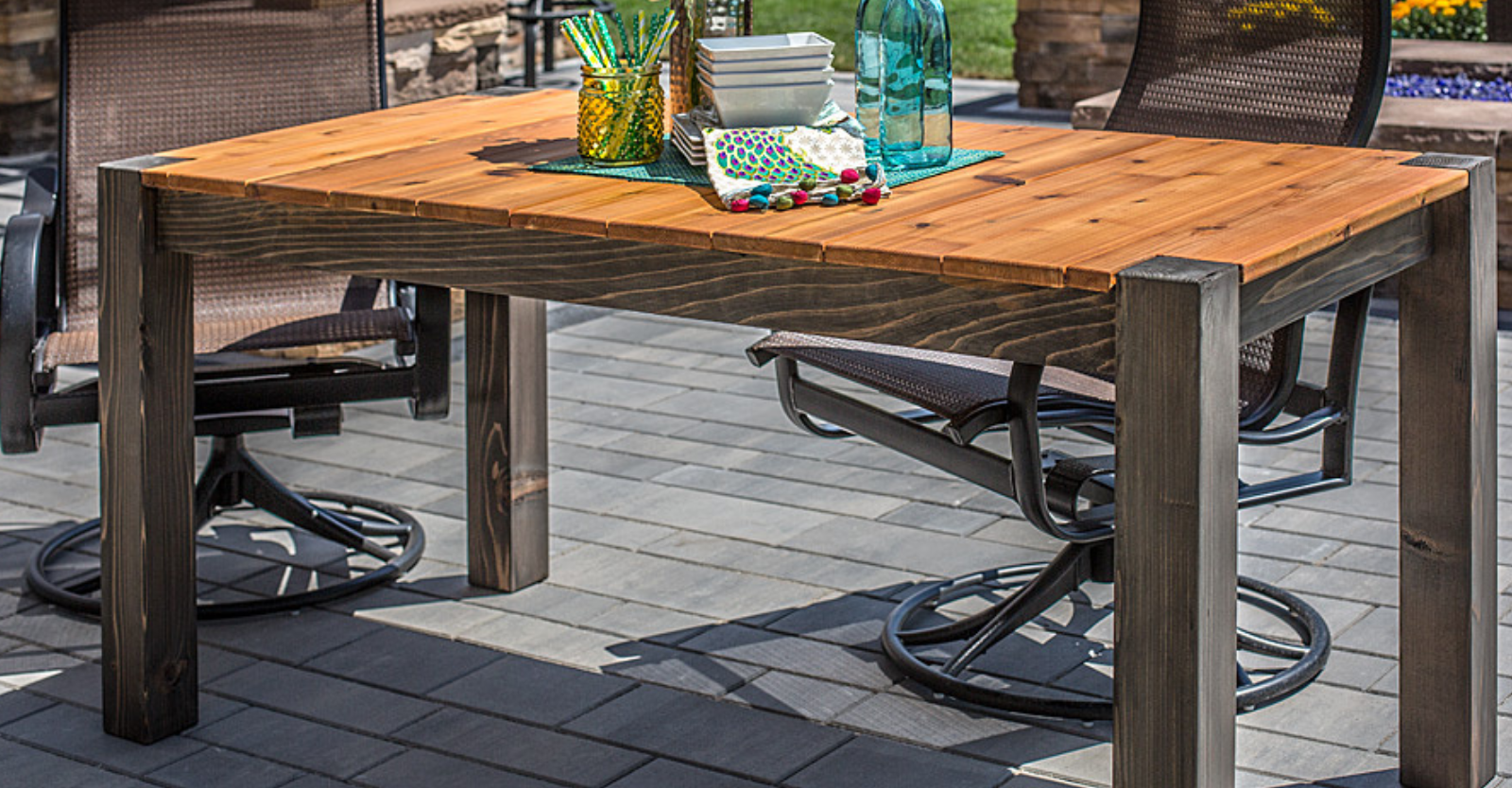
Credit: learn.kregtool.com
Choosing The Right Materials
Choosing the right materials is key to building sturdy rustic outdoor furniture. The materials affect the look, strength, and lifespan of your project. Picking good wood and tools makes the work easier and the result better. Quality materials resist weather and time, giving your furniture a natural charm.
Focus on wood types that last outdoors and tools that fit your skill level. Find materials that match the rustic style you want. This section guides you through selecting wood, gathering tools, and sourcing materials.
Selecting Durable Wood Types
Choose wood that handles sun, rain, and cold well. Cedar and redwood resist rot and insects naturally. Pine is cheaper but needs a good finish to last. Teak and oak are strong and age beautifully. Avoid soft woods that warp or break easily. Look for wood with tight grain and few knots.
Tools And Supplies Needed
Basic tools include a saw, drill, and hammer. Sandpaper or a sander smooths rough edges. Outdoor wood glue helps hold pieces together. Use screws made for outdoor use to prevent rust. A measuring tape and square keep cuts accurate. Safety gear like goggles and gloves protects your hands and eyes.
Where To Source Rustic Materials
Check local lumberyards for wood suited to outdoors. Salvage yards offer old wood with rustic character. Online stores sell pre-cut boards for convenience. Some farms or ranches sell reclaimed wood with a unique look. Visit craft stores for specialty tools and finishes. Choose suppliers with good reviews and fair prices.
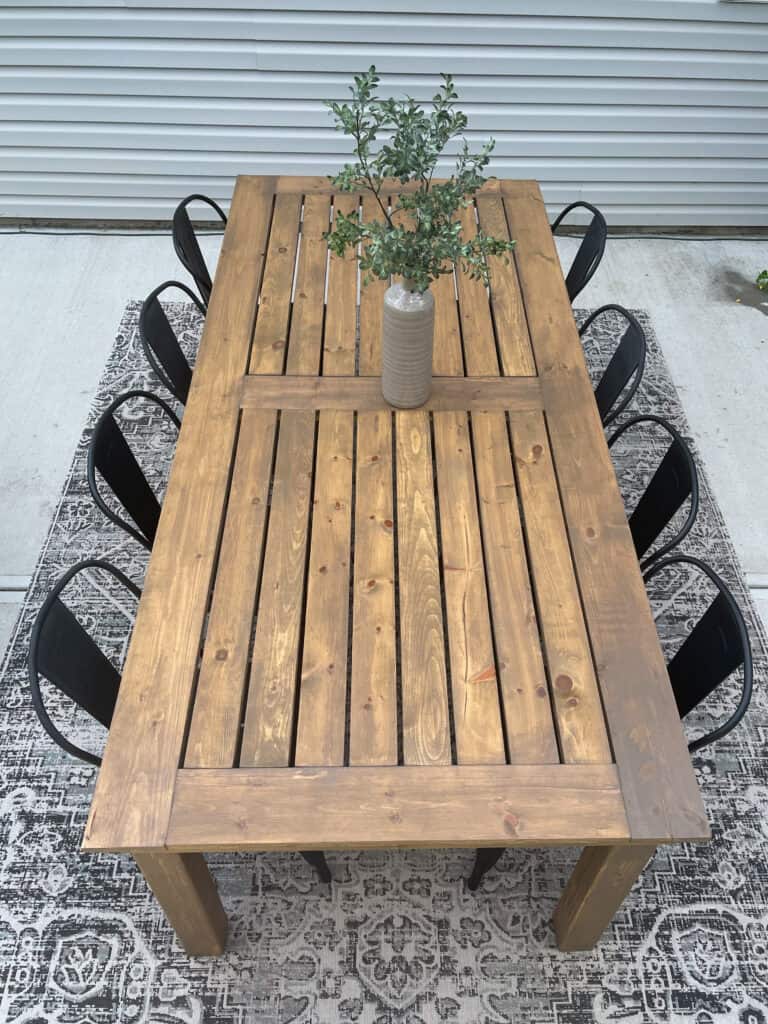
Credit: simplydiyhome.com
Designing Your Furniture
Designing your rustic outdoor furniture is the first step to a great project. It helps you see how your piece will look and fit in your space. Good design balances style and function. It also saves time and materials during building.
Start by thinking about the style you want. Rustic furniture usually means simple shapes and natural wood. Then, plan the size carefully. Finally, sketch your ideas to guide your work.
Simple Rustic Styles
Rustic furniture often shows wood’s natural beauty. Choose designs with clean lines and rough textures. Think about benches, stools, or tables with thick, sturdy legs. Avoid fancy details. Use natural finishes that highlight wood grain and knots. This style blends well with outdoor environments.
Planning Dimensions And Layout
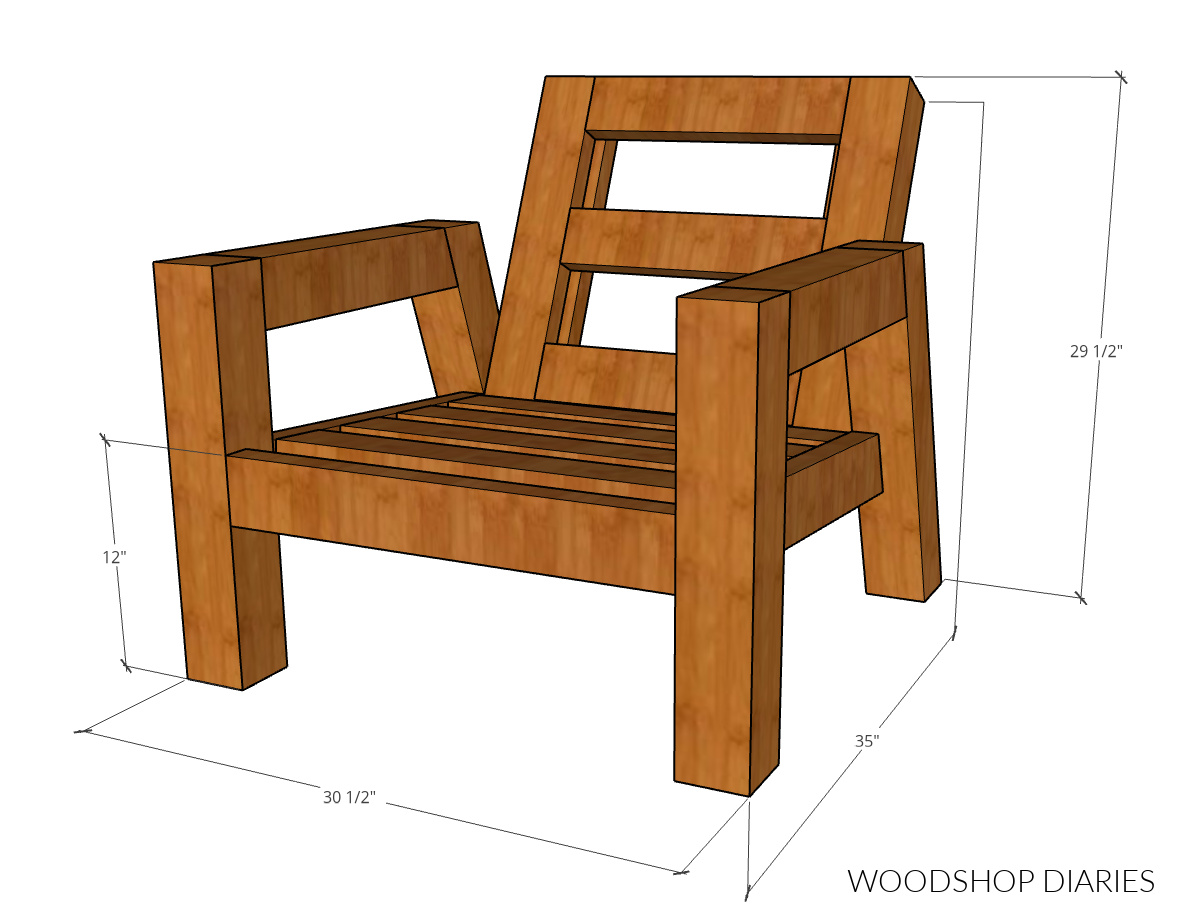
Measure your outdoor space first. Decide how much room your furniture can use. Think about how people will move around it. Plan the height, width, and depth of each piece. Keep sizes practical and comfortable. For example, a chair’s seat height should be around 18 inches. Make sure your design fits well without crowding.
Sketching Your Project
Draw your furniture on paper before cutting wood. Start with simple shapes and add details later. Use pencil and ruler for straight lines. Mark the exact dimensions on your sketch. This helps avoid mistakes. You can make changes easily on paper. A clear sketch guides your building process step by step.
Preparing Wood For Use
Preparing wood is the first step in building rustic outdoor furniture. Good preparation ensures the wood lasts longer and looks great. It also makes the building process easier and safer. Start by choosing the right wood type. Softwoods like pine are easy to work with, while hardwoods like oak offer more durability.
Cutting And Shaping Techniques
Cut wood pieces to the exact size needed. Use a saw that fits your skill level, like a handsaw or power saw. Cut slowly and follow your marks carefully. Shape the wood edges with a chisel or sandpaper to get smooth curves or angles. Proper cutting and shaping create strong joints and a neat look.
Sanding For A Natural Finish
Sanding removes rough spots and splinters. Start with coarse sandpaper, then use finer grits to smooth the wood. Sand along the grain, not against it. This keeps the wood surface even and natural. Well-sanded wood feels nice to touch and absorbs finishes better.
Treating Wood For Weather Resistance
Outdoor furniture faces rain, sun, and cold. Treat wood to protect it from damage. Apply a waterproof sealant or outdoor wood stain. Let each coat dry fully before adding another. This treatment stops water from soaking in and prevents cracks. Your furniture will stay strong and beautiful over time.
Credit: www.woodshopdiaries.com
Assembling Your Furniture
Assembling your rustic outdoor furniture is the step where all parts come together. Proper assembly ensures your furniture lasts long and stays safe. This process involves joining wood pieces firmly and making sure the structure holds well outdoors. Focus on simple methods and strong connections to build sturdy furniture.
Basic Joinery Methods
Start with basic joinery techniques like butt joints and lap joints. Butt joints are easy: two wood pieces meet at the end. Lap joints overlap two pieces for extra strength. These methods fit well with rustic styles and require minimal tools. Use clamps to hold pieces steady while joining.
Using Nails, Screws, And Glue
Choose nails, screws, or glue based on the part you join. Nails are quick but less strong. Screws hold better and allow adjustments. Wood glue adds extra bond and helps prevent wobbling. Combine screws and glue for the best hold. Pre-drill holes to avoid splitting the wood.
Ensuring Stability And Strength
Check all joints for tightness. Tight joints make furniture stable and safe. Add corner braces or blocks inside corners for support. Test the piece by applying pressure to spots that bear weight. Sand rough edges to avoid splinters and improve finish. A strong frame means your furniture will last through all seasons.
Adding Rustic Charm
Adding rustic charm to outdoor furniture makes it feel warm and inviting. This style uses natural looks and simple techniques. It brings a cozy, lived-in feel to your garden or patio. Small details create a big impact on the furniture’s character.
Distressing Wood For Character
Distressing wood gives it a worn, aged look. Use tools like hammers or chains to make small dents and marks. Sand edges slightly to soften sharp lines. These imperfections add personality and a vintage feel. Avoid overdoing it; keep the look natural.
Applying Stains And Finishes
Choose stains that highlight the wood’s grain and texture. Darker stains add depth, while lighter ones keep a fresh look. Apply evenly with a brush or cloth. Seal with a matte finish to protect from weather. This keeps the rustic style without shine.
Incorporating Natural Elements
Use stones, twine, or branches to decorate your furniture. These materials blend with wood and nature. Add small plants or moss in crevices for extra charm. Natural elements make each piece unique and full of life. Simple touches connect your furniture to the outdoors.
Maintaining Outdoor Furniture
Maintaining rustic outdoor furniture keeps it strong and beautiful for years. Regular care protects wood from weather and wear. Simple steps help preserve your furniture’s natural charm and durability.
Cleaning Tips For Longevity
Clean your furniture often with a soft brush or cloth. Use mild soap mixed with water to remove dirt. Avoid harsh chemicals that can damage the wood. Rinse well and let the furniture dry in the sun. Removing dust and grime stops stains and mold.
Seasonal Care And Storage
Cover furniture during rain or snow to prevent damage. Store pieces indoors or in a dry place in winter. Use breathable covers to avoid moisture buildup. Check for cracks or loose joints before storing. Proper storage extends the life of your furniture.
Repairing Common Issues
Fix small cracks with wood filler or glue. Sand rough areas gently to smooth the surface. Tighten loose screws or nails to keep furniture stable. Replace broken parts with similar wood or materials. Timely repairs stop problems from getting worse.
Frequently Asked Questions
What Materials Are Best For Rustic Outdoor Furniture?
Wood like cedar, pine, and reclaimed timber are ideal. They offer durability and natural rustic charm. Choose weather-resistant materials for long-lasting furniture.
How Do I Protect Rustic Furniture From Weather Damage?
Apply sealants or outdoor varnishes to protect wood. Cover furniture during rain or snow. Regular maintenance extends the life of rustic outdoor pieces.
What Tools Are Needed To Build Rustic Outdoor Furniture?
Basic woodworking tools like saws, drills, sanders, and clamps are essential. A measuring tape and safety gear ensure precision and safety during building.
Can I Customize Rustic Furniture To Fit My Outdoor Space?
Yes, rustic furniture is highly customizable. Adjust dimensions, design details, and finishes to match your outdoor décor and personal style.
Conclusion
Building rustic outdoor furniture brings charm to any garden or patio. Using simple tools and natural wood creates a warm, inviting space. Each piece reflects your style and effort. Enjoy the process of crafting something unique and sturdy. Rustic furniture lasts long with basic care and love.
Try different designs to fit your outdoor area. This project not only saves money but also adds personal touch. Start small, stay patient, and watch your outdoor space transform beautifully.