Imagine turning an ordinary bookshelf into a hidden doorway that sparks curiosity and amazement every time someone visits your home. You don’t need to be a professional carpenter or spend a fortune to create this clever secret door bookshelf.
In this guide, you’ll discover simple, step-by-step instructions to build your own hidden passage that blends perfectly with your décor. Ready to add a touch of mystery and style to your space? Let’s dive in and make your secret door bookshelf a reality.

Credit: www.popularwoodworking.com
Planning Your Secret Door Bookshelf
Planning your secret door bookshelf is the first step to a successful project. Careful thought helps you build a door that fits perfectly and works smoothly. This section guides you through key steps to plan your secret door bookshelf well.
Choosing The Right Location
Pick a spot that blends well with your room. Choose a wall that holds enough space for the door and shelves. Avoid areas with plumbing or electrical wires inside the wall. Find a place easy to access but not too obvious to visitors.
Measuring Space And Materials
Measure the wall space accurately. Note the height, width, and depth of the area. Check the size of the bookshelf and door you want to build. List all materials like wood, hinges, and screws. Buy extra materials for mistakes or adjustments.
Designing The Bookshelf Door
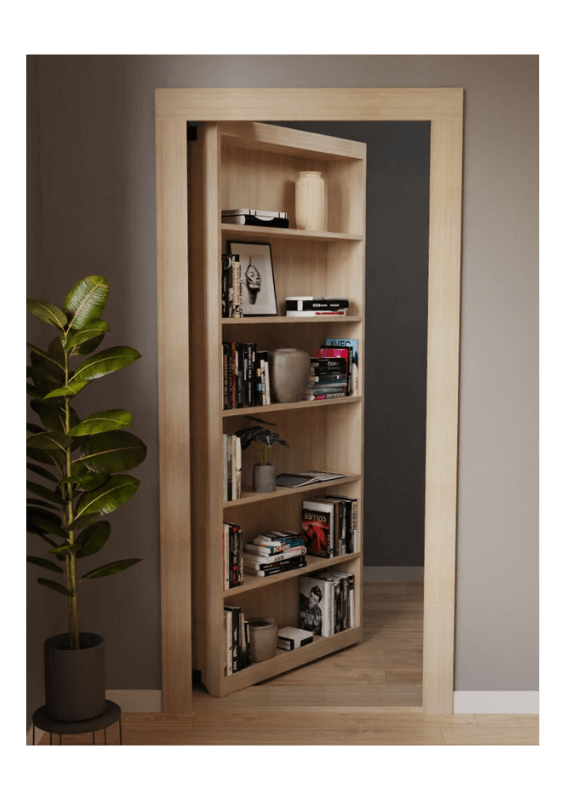
Design a bookshelf that looks like a normal shelf. Plan shelves deep enough for your books and objects. Decide how the door will open—push, pull, or slide. Make sure the door is strong but light enough to move easily.
Credit: hiddendoorstore.com
Gathering Tools And Materials
Gathering the right tools and materials is the first step to build your secret door bookshelf. Preparing everything before starting saves time and avoids mistakes. This guide covers essential tools, wood choices, hardware, and safety gear.
Essential Tools For Construction
Start with a reliable power drill for screws and holes. A circular saw or handsaw will help cut wood pieces accurately. Use a measuring tape and a carpenter’s square for precise measurements. Screwdrivers and clamps keep parts steady during assembly. Sandpaper smooths rough edges for a clean finish.
Selecting Wood And Hardware
Choose sturdy wood like pine, oak, or plywood for strength. Pine is easy to cut and budget-friendly. Oak offers durability and a nice look. Use high-quality hinges designed for heavy doors. Magnetic catches or hidden latches work well for secret doors. Pick screws and bolts that fit your wood thickness.
Safety Equipment Checklist
Always wear safety goggles to protect your eyes. Use ear protection when using loud power tools. A dust mask keeps you safe from wood particles. Gloves help prevent splinters and cuts. Keep a first aid kit nearby in case of minor injuries.
Building The Bookshelf Frame
Building the bookshelf frame is a key step in creating a secret door bookshelf. A strong frame holds everything in place and ensures the door works smoothly. Take your time to measure and cut wood carefully. Proper assembly provides stability and support for the shelves and the hidden door mechanism. This part sets the foundation for your entire project.
Cutting And Preparing Wood Panels
Start by selecting quality wood panels. Use plywood or solid wood for strength. Measure panels according to your design. Mark cutting lines with a pencil for accuracy. Use a saw to cut the panels carefully. Sand edges to smooth rough surfaces. Clean dust from the panels before assembly. Proper preparation prevents problems later.
Assembling The Frame Structure
Lay the cut panels flat on a workspace. Join the sides to the top and bottom panels. Use wood glue and screws for a strong bond. Check that corners are square with a carpenter’s square. Tighten screws evenly to avoid gaps. Allow glue to dry before moving to the next step. The frame should feel solid and stable.
Installing Shelves And Supports
Decide how many shelves you want inside the frame. Measure and mark shelf positions on the side panels. Attach shelf supports using screws or brackets. Place each shelf onto its supports carefully. Ensure shelves sit level and secure. This adds strength and space for books or other items. Proper shelf installation keeps the frame balanced.
Creating The Door Mechanism
Creating the door mechanism is the heart of your secret door bookshelf. It must work smoothly and stay hidden. A well-built mechanism makes the door easy to open and close. It also keeps the secret safe. Focus on three main parts: hinges and pivot points, concealing the seam, and adding a secure latch or lock.
Each step needs care and precision. The right hardware ensures the door blends with the bookshelf. The latch or lock adds security and peace of mind. Let’s explore how to build each part clearly and simply.
Installing Hinges And Pivot Points
Start by choosing strong hinges or pivot points. These hold the door firmly and allow smooth movement. Attach them to the bookshelf frame and the door panel. Make sure they align perfectly. Test the door’s swing. Adjust for easy opening and closing without gaps.
Pivot hinges work well for heavy doors. Regular hinges fit lighter ones. Secure the hardware tightly with screws. Check the door’s balance and weight. Proper installation prevents sagging and noise.
Concealing The Door Seamlessly
Hide the seam between the door and bookshelf carefully. Use the same wood and finish to match perfectly. Fill small gaps with wood filler or thin strips. Paint or stain the seam area to blend in. Avoid visible lines or shadows.
Align shelves and decorations to mask the door edges. Add molding or trim for a smooth look. The goal is a door that looks like part of the bookshelf. No one should notice it opens.
Adding A Secure Latch Or Lock
Choose a latch or lock that fits your security needs. Magnetic latches keep the door closed without visible hardware. Simple hook latches provide basic security. For more protection, use a keyed lock or combination lock.
Install the latch inside the door frame for secrecy. Test it several times to ensure it works well. A secure latch keeps the door shut tight. It protects your hidden space from unwanted access.
Finishing Touches
Finishing touches make your secret door bookshelf look complete and neat. They improve the overall appearance and function. This step ensures your project blends well with the room.
Sanding And Painting
Sanding smooths out rough edges and surfaces. Use fine-grit sandpaper for a clean finish. Wipe away dust before painting. Choose paint that matches your room’s style. Apply thin coats for even coverage. Let each coat dry fully before the next.
Adding Decorative Elements
Decorative details add charm and disguise the door. Attach handles or knobs that suit your design. Use molding or trim to frame the bookshelf edges. Consider faux books or small ornaments on shelves. These details make the door look like a real bookshelf.
Testing Door Functionality
Check the door opens and closes smoothly. Adjust hinges or rollers for better movement. Ensure the door fits flush with the wall. Test the locking mechanism if you installed one. Repeat tests several times to confirm reliability.
Tips For Maintenance And Longevity
Keeping your secret door bookshelf in good shape is key to its long life. Simple care and quick fixes help avoid bigger problems later. Small efforts make a big difference over time. Here are some tips to keep your hidden door looking and working great.
Routine Care For Wood Surfaces
Dust the wood surface often using a soft cloth. Avoid wet cloths as water can damage the wood. Apply wood polish or wax every few months. This protects the finish and keeps the wood shiny. Check for scratches or dents and fix them early. Use gentle cleaners designed for wood only. Keep the area dry and avoid direct sunlight. This stops the wood from warping or fading.
Troubleshooting Common Issues
If the door sticks or is hard to open, check the hinges. Tighten loose screws or add oil to hinges. For squeaky sounds, a little lubricant helps. Look for gaps or misalignment in the frame. Adjust the door or frame to fix these problems. If the latch does not catch, clean it and check for damage. Replace worn parts quickly to avoid bigger issues.
Upgrading Your Secret Door
Try adding new handles for a fresh look. Upgrade the locking mechanism for better security. Use stronger hinges for heavy doors. Add soft-close features to prevent loud slamming. Consider LED lights inside the bookshelf for a modern touch. Small upgrades improve both style and function. Keep your door feeling new and working smoothly.

Credit: www.reddit.com
Frequently Asked Questions
How Do You Start Building A Secret Door Bookshelf?
Begin by planning the bookshelf size and location. Measure the space carefully, then gather materials like wood, hinges, and a latch. Create a sturdy frame and install the shelving securely. Attach the door mechanism to allow smooth opening and closing of the secret door bookshelf.
What Materials Are Needed For A Secret Door Bookshelf?
You need quality wood for shelves and the door, strong hinges, a magnetic or mechanical latch, screws, and wood glue. Sandpaper and paint or stain help with finishing. Tools like a drill, saw, level, and measuring tape are essential for accurate assembly.
How Do You Hide The Secret Door Mechanism Effectively?
Use concealed hinges and a magnetic latch to keep the door flush with the bookshelf. Align shelves perfectly to disguise the door edges. Paint or stain the door to match the rest of the bookshelf for a seamless look.
Can A Secret Door Bookshelf Support Heavy Books?
Yes, if built with sturdy wood and reinforced shelves. Use strong brackets and secure the frame to the wall. Proper weight distribution and quality materials ensure the bookshelf supports heavy books safely.
Conclusion
Building a secret door bookshelf adds charm to any room. It creates hidden space and shows your creativity. The steps are clear and easy to follow. Take your time and enjoy each part of the project. This unique piece will impress your friends and family.
Start planning today and bring a special touch to your home. Secret door bookshelves blend function with fun. A simple project that gives great satisfaction.