Are you tired of looking at the same old color on your bookshelf? Changing its color can completely refresh your space and give your room a brand-new vibe.
But maybe you’re wondering, “Where do I even start? ” Don’t worry—this guide will walk you through simple, step-by-step tips to transform your bookshelf quickly and easily. By the end, you’ll have the confidence to pick the perfect color and make your bookshelf stand out just the way you want.
Keep reading to discover how you can bring new life to your bookshelf today!
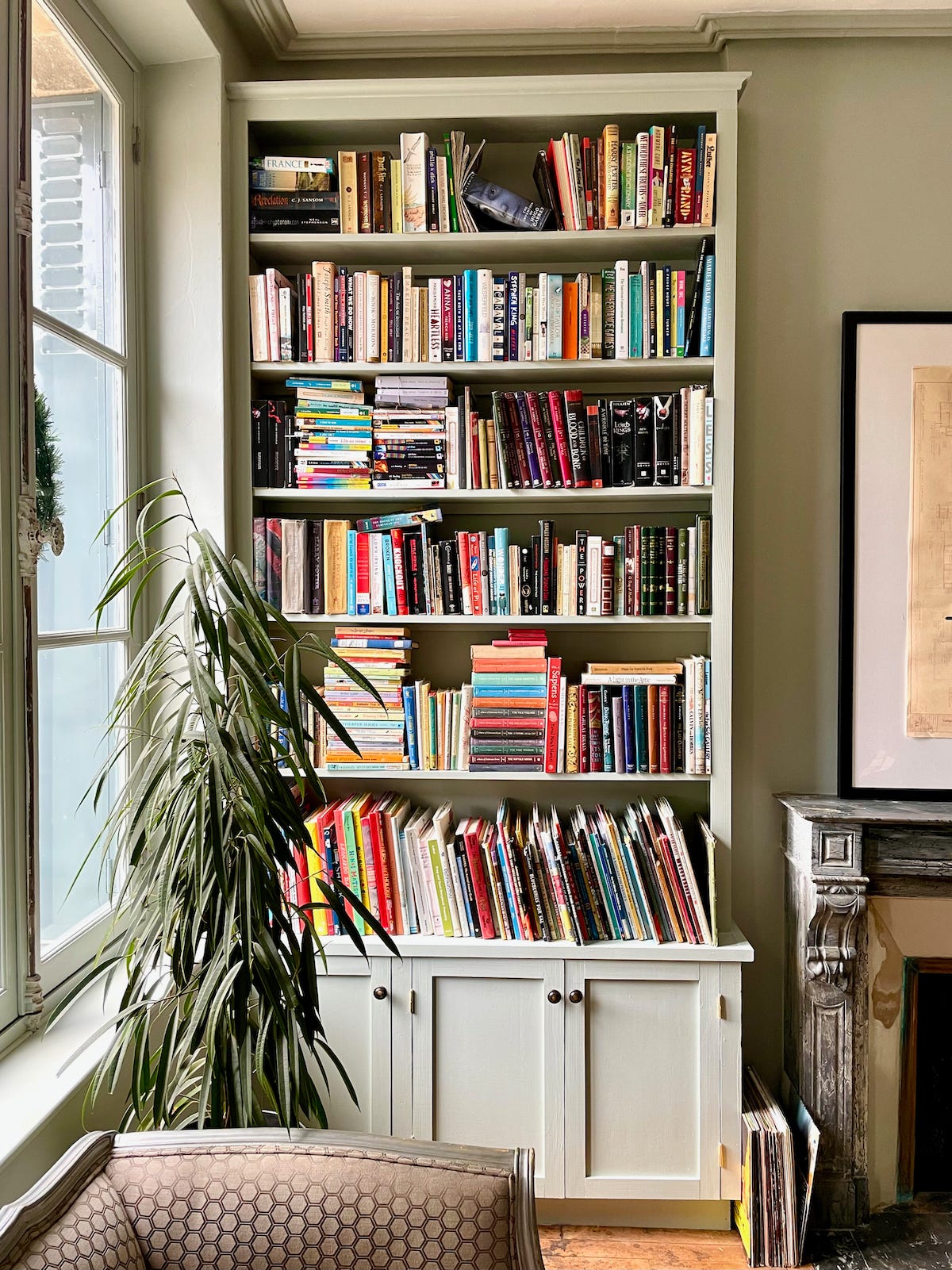
Credit: designmom.substack.com
Choosing The Right Color
Choosing the right color for your bookshelf is an important step. The color can change the whole look of your room. It sets the mood and highlights your style. Picking the right shade helps your bookshelf fit perfectly with your space. Think about what feeling you want the room to have. Bright colors bring energy. Soft colors create calm. Dark colors add drama.
Consider Room Decor
Look at the colors already in your room. Match or contrast your bookshelf color with walls, furniture, and rugs. Warm tones like red or orange work well with wooden floors. Cool tones like blue or green suit modern rooms. Think about the style too. A classic room pairs well with neutral shades. A playful room allows bold colors.
Pick A Finish Type
The finish affects how the color looks and lasts. Matte finish hides scratches but looks soft. Glossy finish shines and makes colors pop. Satin finish offers a balance of shine and smoothness. Choose a finish that fits the use of your bookshelf. High-traffic areas benefit from durable finishes. Low-traffic spots can have delicate finishes.
Test Paint Samples
Try small paint samples on your bookshelf before painting all. See how the color looks in different lights and times of the day. Some colors change a lot with sunlight. Paint samples help avoid surprises. Pick a few colors and test them to find the best fit. This step saves time and money in the long run.

Credit: www.youtube.com
Gathering Materials
Changing the color of your bookshelf starts with gathering the right materials. This step makes the painting process smooth and successful. Having everything ready saves time and avoids mistakes. Let’s explore the key materials you need before starting.
Essential Tools
First, get the right tools. You will need sandpaper to smooth the surface. A paintbrush or roller helps apply paint evenly. Use a paint tray to hold your paint. Also, a screwdriver may be needed to remove shelves or hardware.
Selecting Paint And Primer
Choose paint made for wood surfaces. It sticks well and lasts longer. Pick a primer to prepare the bookshelf. Primer helps paint stick better and covers old colors. Use a paint color that matches your room style.
Protective Gear
Wear gloves to keep paint off your skin. Use a mask to avoid breathing paint fumes. Protect your clothes with old shirts or an apron. Cover your work area with a drop cloth to catch spills.
Preparing The Bookshelf
Preparing your bookshelf is the first important step before changing its color. This stage sets the base for a smooth and lasting finish. Proper preparation helps paint or stain stick better and look more even.
Take time to clean, fix, and remove old parts. These tasks ensure your bookshelf looks fresh and neat after coloring. Let’s break down the preparation into simple steps.
Cleaning And Sanding
Start by wiping the bookshelf with a damp cloth. Remove dust, dirt, and grease. Use mild soap if needed, then dry it well.
Next, sand the surface lightly with fine-grit sandpaper. Sanding helps the new color grip the wood. It also smooths out rough spots and old finishes.
Wipe away sanding dust using a clean cloth. A clean and smooth surface is ready for the next step.
Repairing Damages
Check the bookshelf for cracks, holes, or dents. Use wood filler to fix small damages. Press the filler into gaps and smooth it out.
Let the filler dry completely. Sand the repaired areas until smooth. Fixing damages improves the shelf’s strength and appearance.
Removing Old Hardware
Remove any knobs, handles, or hinges. Use a screwdriver or pliers carefully. Removing hardware prevents paint from sticking unevenly.
Keep the hardware safe if you plan to reuse it. Cleaning the shelf without hardware gives a cleaner finish.

Credit: shereads.com
Painting Techniques
Painting a bookshelf can refresh its look and fit your room style. Good painting techniques help the color last longer and look neat. Proper steps make the task easier and more fun. Follow these tips to get a smooth and even finish on your bookshelf.
Priming The Surface
Start by cleaning the bookshelf to remove dust and dirt. Use sandpaper to smooth rough areas and help paint stick better. Apply a coat of primer to the wood or surface. Primer blocks stains and creates a good base for paint. Let the primer dry fully before painting.
Applying The Paint
Choose the right paint type for wood or shelves. Use a small brush or roller for even coverage. Paint thin layers instead of one thick coat. Let each layer dry before adding the next. This prevents drips and gives a clean finish.
Tips For A Smooth Finish
Lightly sand between paint coats to smooth bumps. Use a soft brush or foam roller to avoid brush marks. Work in a well-lit area to see missed spots. Keep the room dust-free to stop particles from sticking. Allow the paint to cure fully before use.
Drying And Finishing Touches
After painting or staining your bookshelf, the drying and finishing process is vital. It helps protect the new color and gives the shelf a smooth look. Taking time with each step improves the final result.
Allowing Proper Drying Time
Let the paint or stain dry fully before touching the bookshelf. Drying can take several hours or even a day. Place the shelf in a dry, well-ventilated area. Avoid rushing this step to prevent smudges or damage.
Adding Sealant Or Varnish
Apply a clear sealant or varnish to protect the color. It adds shine and stops scratches or water marks. Use a clean brush and apply thin, even coats. Let each coat dry before adding another.
Reattaching Hardware
Once the shelf is dry and sealed, put the hardware back. Screws, handles, and hinges should be tightened carefully. This step ensures your bookshelf looks complete and functions well.
Creative Color Ideas
Changing the color of your bookshelf can refresh any room. Creative color ideas bring new life to old furniture. Brighten up your space or keep it calm and cozy. Choose colors that match your style and mood. Explore different shades and patterns for a unique look.
Bold And Bright Options
Bright colors make your bookshelf a focal point. Red, yellow, or turquoise grab attention quickly. These colors energize a room and add fun. Use glossy paint for a shiny, modern finish. Perfect for playrooms, offices, or creative spaces.
Subtle And Neutral Shades
Neutral colors create a calm and elegant look. Soft grays, beige, or white blend well with any decor. These shades make books and items stand out. Matte paint adds a smooth, sophisticated touch. Ideal for living rooms or bedrooms.
Two-tone And Patterns
Mixing two colors adds depth and interest. Paint the sides one color and shelves another. Stripes, polka dots, or geometric shapes bring fun. Use painter’s tape for clean, sharp lines. Great for adding personality without overwhelming the room.
Frequently Asked Questions
How Do I Prepare A Bookshelf For Painting?
Clean the bookshelf thoroughly to remove dust and grease. Sand the surface lightly to help paint adhere better. Remove any hardware or shelves if possible for easier painting. Use painter’s tape to protect areas you don’t want to paint.
What Type Of Paint Works Best On Bookshelves?
Acrylic or latex paint is ideal for bookshelves. These paints dry quickly and provide a durable finish. For a smoother look, consider using a primer before painting. Avoid oil-based paints as they take longer to dry.
Can I Change Bookshelf Color Without Sanding?
Yes, use a paint specifically designed for furniture. Clean the surface well and apply a bonding primer. This allows paint to stick without sanding. However, sanding improves durability and paint adhesion for long-lasting results.
How Many Coats Of Paint Are Needed For Bookshelves?
Typically, two coats of paint are recommended for even coverage. Allow the first coat to dry completely before applying the second. If needed, a third coat can enhance color depth and smoothness.
Conclusion
Changing the color of your bookshelf can refresh any room. Choose a color that fits your style and space. Prepare the surface well for the best paint finish. Use smooth, even strokes to avoid streaks. Let each coat dry fully before applying the next.
Small steps create a big difference in the final look. Enjoy the new look and feel of your bookshelf. A simple change can bring new life to your home. Try it yourself and see how easy it is.