Choosing furniture for your bathroom might seem simple, but it’s easy to get overwhelmed. You want pieces that look great, fit perfectly, and stand up to moisture and daily use.
Imagine opening your bathroom door and feeling instantly calm because everything is organized, stylish, and just right for your space. That’s exactly what the right furniture can do for you. You’ll discover how to pick bathroom furniture that fits your room, matches your style, and meets your storage needs—without wasting a single inch or breaking the bank.
Ready to transform your bathroom into a smart, inviting space? Let’s dive in!
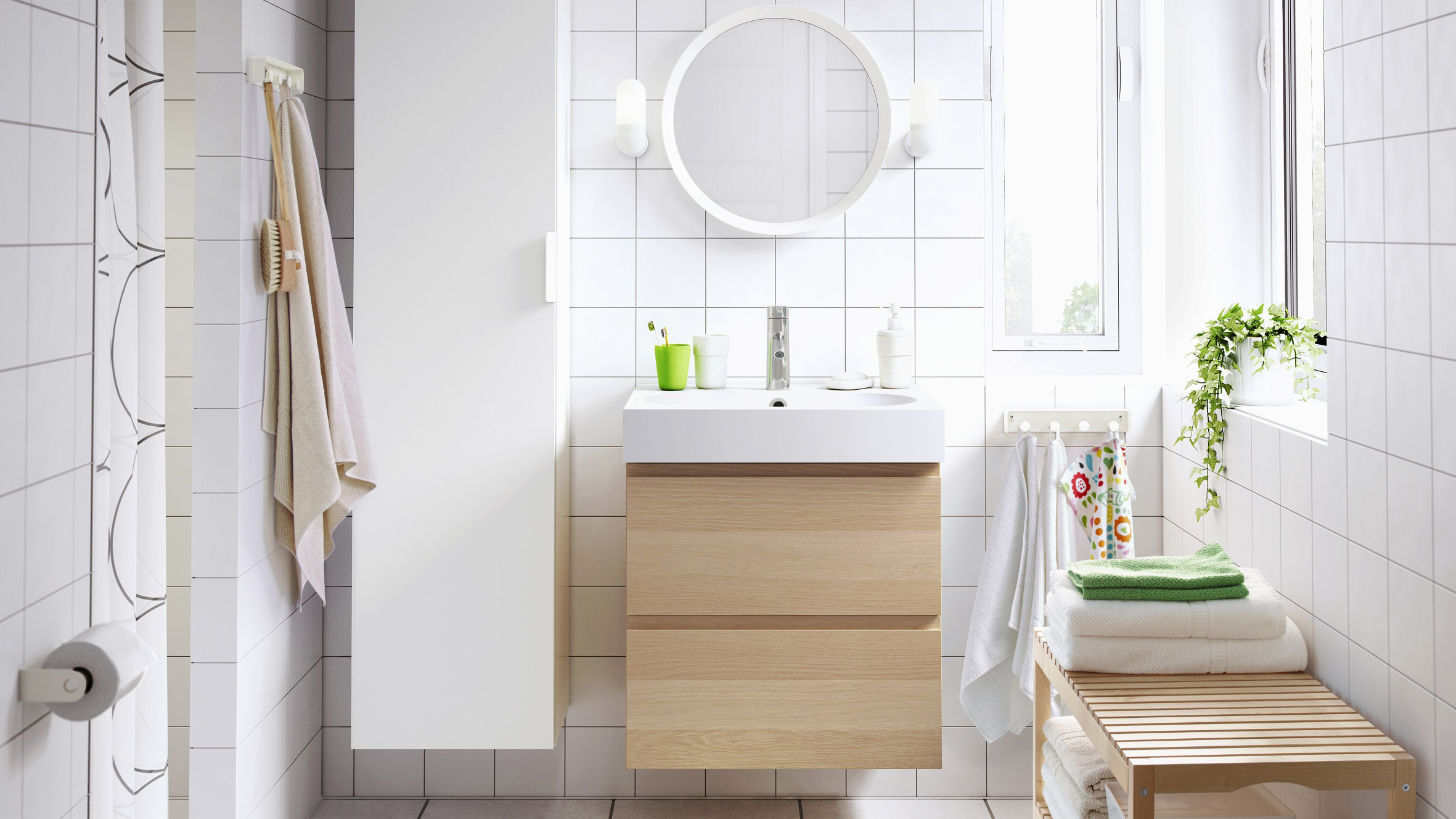
Credit: www.realhomes.com
Measure Your Bathroom Space
Measuring your bathroom space is the first step to choosing the right furniture. It helps you pick pieces that fit well and keep the room comfortable. Without proper measurements, furniture may block doors or make the room feel cramped. Take your time to measure carefully for a smooth planning process.
Assess Available Floor Area
Start by measuring the total floor space of your bathroom. Use a tape measure to get length and width in feet or meters. Write down these numbers to guide your furniture choices. Knowing the exact floor area helps avoid buying items that are too large or too small.
Mark the floor area on paper or use a digital app to visualize the space. This step shows you where furniture can fit and where it cannot. Keep in mind that some bathrooms have unusual shapes, so measure all corners and angles.
Identify Plumbing And Obstacles
Locate plumbing fixtures like sinks, toilets, and showers. Measure the distance from walls to these fixtures. Plumbing often limits where you can place furniture.
Check for other obstacles such as vents, windows, and electrical outlets. These elements affect furniture placement and type. Avoid blocking any plumbing access points for easier maintenance.
Plan Clearance For Movement
Allow enough space for easy movement around furniture. Leave at least 24 inches (60 cm) of clearance in front of sinks and toilets. This space keeps the bathroom comfortable and safe.
Consider door swings and drawer openings. Make sure furniture does not block these areas. Proper clearance prevents accidents and makes daily use easier.

Credit: www.bathroommountain.co.uk
Select Furniture Type
Selecting the right type of bathroom furniture is key to creating a functional and stylish space. The choice affects storage, ease of cleaning, and the overall look. You need to match the furniture type to your bathroom size and your daily needs. This section breaks down the main types of furniture and key features to help you decide.
Freestanding Vs Built-in Options
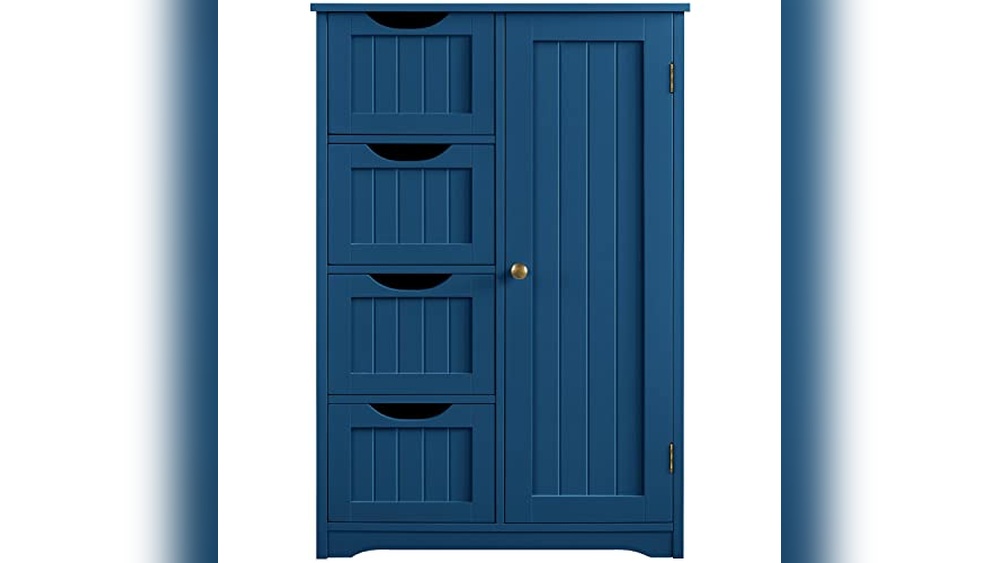
Freestanding furniture offers flexibility and easy installation. It suits smaller bathrooms well and can be moved or replaced without much hassle. Built-in options fit flush against walls, making the room look sleek and seamless. They often provide more storage and countertop space. Choose built-in for larger bathrooms or a custom fit. Pick freestanding for quick updates or rentals.
Storage Capacity Considerations
Storage is vital in a bathroom to keep it neat. Consider how many items you need to store daily. Drawers and cabinets help organize toiletries and towels. Built-in furniture usually offers more storage space than freestanding units. Look for pieces with adjustable shelves or compartments to maximize use. Think about open shelves for easy access or closed cabinets to hide clutter.
Countertop And Sink Integration
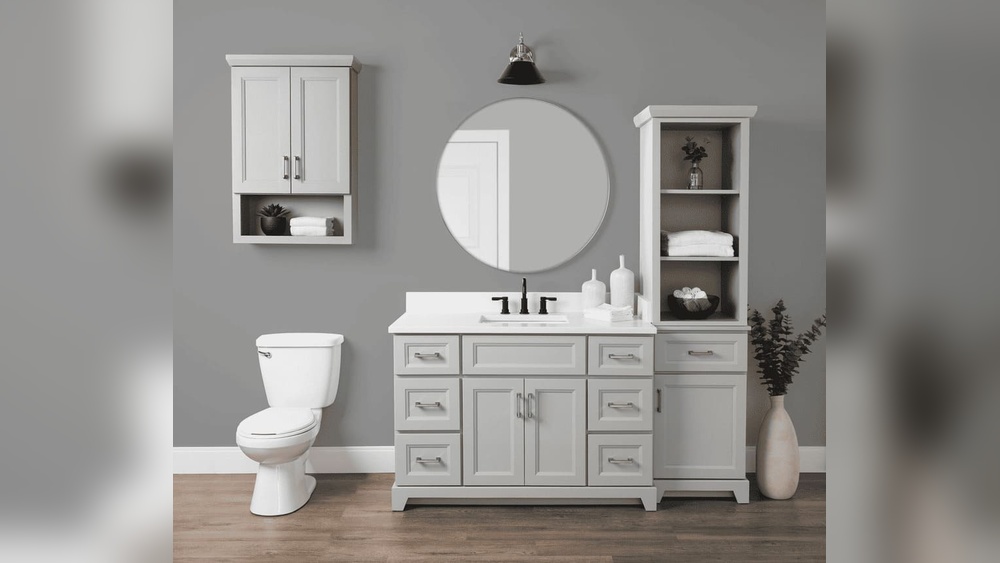
The countertop and sink should blend with the furniture style. Integrated sinks create a clean, modern look and simplify cleaning. Separate sinks with countertops offer more space for items and decorative touches. Materials like quartz or solid surface resist moisture and stains. Choose a countertop height that suits your comfort and bathroom layout. Match colors and finishes for a cohesive appearance.
Choose Durable Materials
Choosing durable materials for bathroom furniture ensures long-lasting beauty and function. Bathrooms have high humidity and frequent water exposure. Furniture must resist moisture, warping, and damage. Durable materials protect your investment and keep your space looking fresh.
Solid Wood And Plywood Frames
Solid wood and plywood frames offer strong support for bathroom furniture. They handle humidity better than particleboard or MDF. Choose hardwoods like oak or maple for extra durability. Plywood has layered construction, making it less likely to swell or crack. These materials provide a sturdy base that lasts years in wet conditions.
Moisture-resistant Countertops
Countertops face constant water splashes and spills. Materials like quartz, granite, and solid surface resist stains and moisture well. Avoid laminate surfaces that peel or swell over time. Moisture-resistant countertops keep your bathroom clean and easy to maintain. They also add a polished, stylish look to the space.
Corrosion-resistant Hardware
Bathroom furniture hardware must resist rust and corrosion. Look for stainless steel, brass, or coated metals. These metals withstand steam and water without tarnishing. Corrosion-resistant hardware keeps doors and drawers working smoothly. It also maintains a neat appearance, avoiding ugly rust spots.
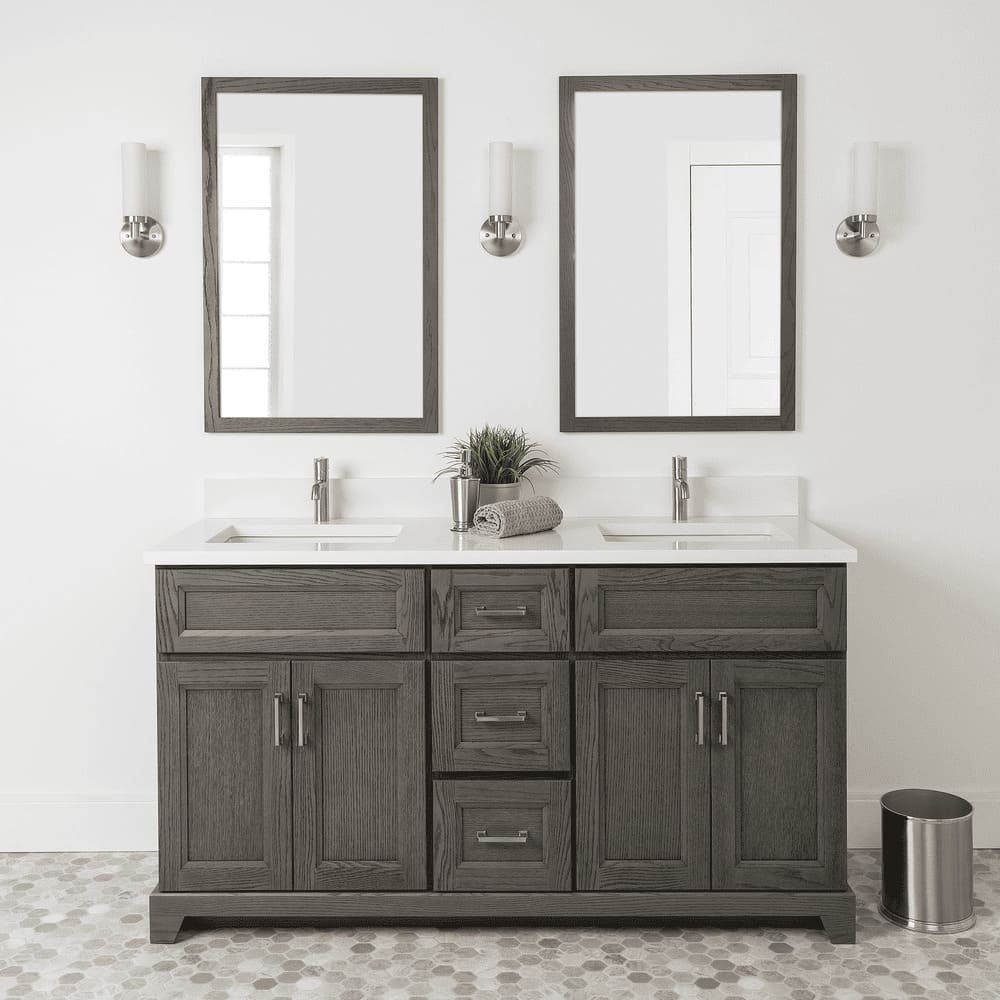
Credit: rocksolidvanities.com
Focus On Quality Construction
Choosing bathroom furniture means focusing on quality construction. Bathrooms have high moisture, so furniture must resist warping and wear. Strong build and careful craftsmanship extend the life of your pieces. Quality construction also ensures stability and smooth use daily. This section explains key features that show well-made bathroom furniture.
Dovetail Joints And Stable Connections
Dovetail joints are a sign of strong furniture. These joints lock pieces together with interlocking shapes. They hold drawers and frames firmly without glue alone. Stable connections prevent wobbling and keep furniture square. Choose furniture with visible dovetail joints in drawers and cabinets. This ensures lasting durability in a humid bathroom.
Seamless And Protective Finishes
Finishes protect furniture from water damage and stains. Smooth, seamless finishes stop moisture from entering wood. Look for furniture with coated surfaces that resist scratches and fading. Protective finishes make cleaning easier and keep the furniture looking new. Avoid rough or uneven finishes that can trap dirt and cause decay.
Soft-close Drawers And Doors
Soft-close mechanisms prevent slamming and reduce wear. Drawers and doors with this feature close quietly and gently. This helps protect hinges and keeps furniture aligned. Soft-close also adds a touch of comfort to everyday use. Prioritize bathroom furniture with soft-close drawers and doors for smooth operation.
Match Style And Color
Matching the style and color of bathroom furniture creates a harmonious and inviting space. It ties the room together and highlights its best features. Choosing the right style and color ensures your bathroom feels balanced and comfortable.
Coordinate With Bathroom Aesthetic
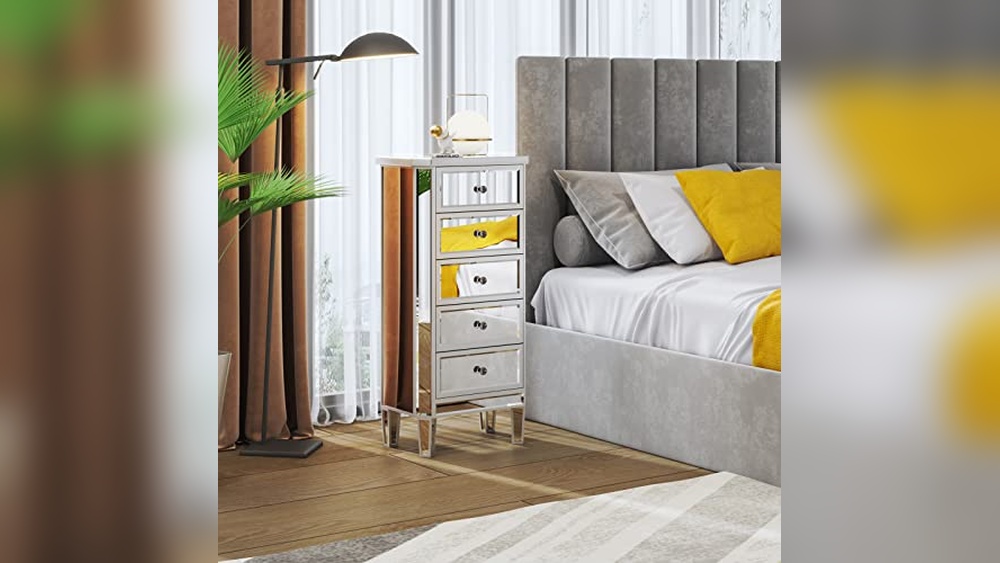
Start by understanding your bathroom’s overall look. Is it modern, rustic, or classic? Furniture should blend with this style to avoid clashing. For a sleek, modern bathroom, choose clean lines and minimal designs. Rustic bathrooms look great with natural wood and earthy tones. Classic styles often pair well with ornate details and rich finishes.
Simple Vs Traditional Designs
Simple designs focus on function and clean shapes. They work well in small or modern bathrooms. Traditional designs have more detail and decoration. They add charm and warmth to larger spaces. Decide which style fits your taste and space. Simple designs create a calm, uncluttered feel. Traditional pieces offer character and elegance.
Color Palette Selection
Pick colors that match or complement your bathroom walls and tiles. Neutral colors like white, gray, or beige are safe and versatile. They make the room appear larger and brighter. Bold colors add personality but use them carefully. Consider soft blues or greens for a relaxing vibe. Dark tones can add drama but may make small spaces feel cramped.
Optimize Storage Solutions
Optimizing storage solutions is key when choosing bathroom furniture. Bathrooms often have limited space but many items that need organizing. Smart storage keeps the area neat and functional. Selecting the right furniture helps store essentials without clutter.
Cabinets And Drawers
Cabinets and drawers provide hidden storage to keep items out of sight. Choose pieces with soft-close features to reduce noise. Drawers help organize small items like makeup and grooming tools. Cabinets offer space for larger items, such as cleaning supplies. Look for moisture-resistant finishes to protect furniture from humidity.
Tall And Compact Units
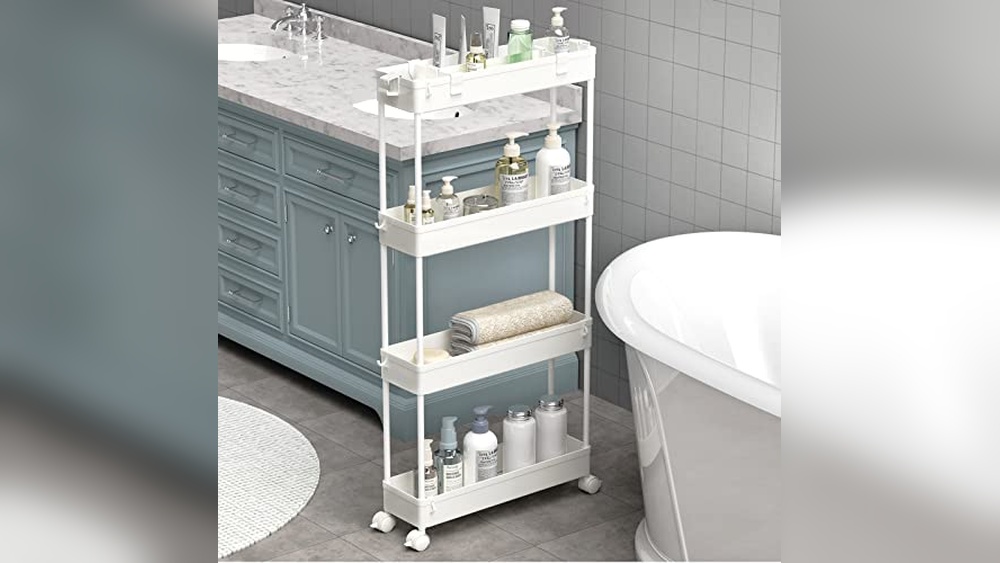
Tall units use vertical space, ideal for small bathrooms. They store towels, toiletries, and extra toilet paper efficiently. Compact units fit under sinks or in corners, saving floor space. Consider slim designs that do not block movement. Both types help maximize storage without overcrowding the room.
Organizing Towels And Toiletries
Keep towels folded or rolled on shelves or in baskets for easy access. Use trays or small bins inside drawers to separate toiletries. Label containers to find items quickly. Hooks or racks on walls save drawer space and keep towels dry. Proper organization prevents mess and makes daily routines smoother.
Frequently Asked Questions
What Is The Golden Rule For Bathroom Layouts?
The golden rule for bathroom layouts prioritizes flow and function. Arrange fixtures for comfort, easy movement, and efficient space use. This approach maximizes usability and turns any bathroom into a practical, inviting area.
How To Choose Bathroom Furniture?
Measure your bathroom space and plan layout for easy movement. Choose moisture-resistant, durable materials like solid wood. Pick styles and colors matching your decor. Prioritize storage options that fit your needs. Select quality hardware with soft-close features for lasting use.
What Color Is Most Flattering In A Bathroom?
Soft, neutral colors like light gray, beige, or pale blue flatter bathrooms by creating a calm, spacious, and clean atmosphere.
What Is The Correct Order To Remodel A Bathroom?
Start by planning the layout and budgeting. Next, demo old fixtures and update plumbing and electrical. Then, install new flooring and walls. After that, fit the vanity, toilet, and shower or tub. Finish with lighting, mirrors, and accessories.
Conclusion
Choosing the right furniture makes your bathroom both useful and nice. Measure your space carefully to avoid crowding. Pick materials that resist moisture and last long. Think about storage needs and easy cleaning. Match furniture style with your bathroom’s look.
Plan the layout to keep good flow and comfort. Small details like soft-close drawers improve daily use. A well-chosen piece turns any bathroom into a calm, organized spot. Simple steps lead to smart, stylish bathroom furniture choices.