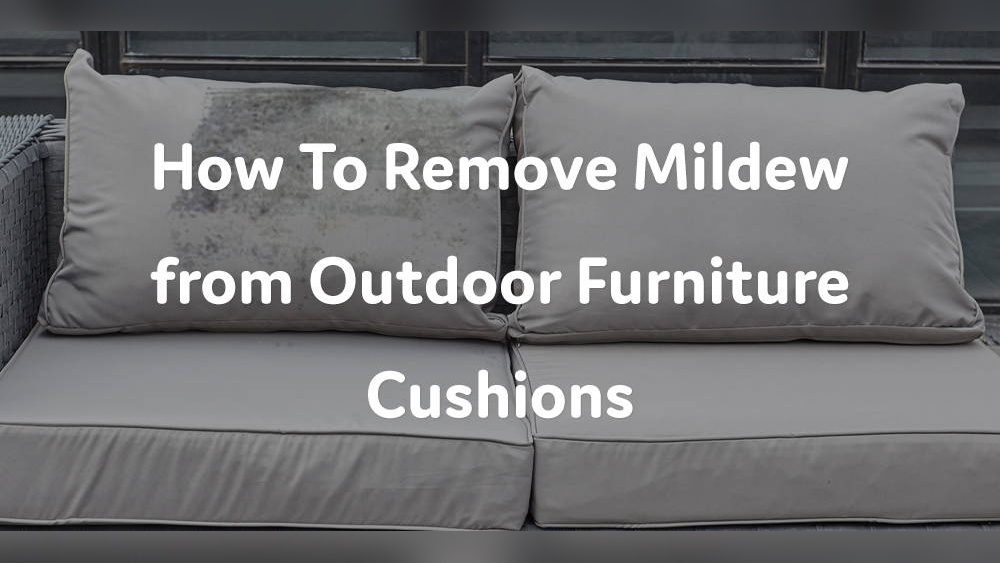
Is your outdoor furniture looking dull and musty? Mildew on your cushions not only ruins their appearance but can also cause unpleasant odors and even damage the fabric.
You might be wondering how to get rid of that stubborn mildew without spending hours scrubbing or buying expensive cleaners. The good news is, you can restore your cushions to fresh, clean condition with simple steps you can do yourself.
Keep reading, and you’ll discover easy, effective ways to clean mildew from your outdoor furniture cushions so you can enjoy your outdoor space again with confidence.
Credit: www.furnituremaxi.com
Identify Mildew On Cushions
Identifying mildew on outdoor furniture cushions is the first step to keeping them clean and fresh. Mildew grows in damp and warm places. It can damage fabric and cause odors. Spotting mildew early helps prevent bigger problems. Learn how to recognize mildew and tell it apart from mold. This knowledge makes cleaning easier and more effective.
Common Signs Of Mildew
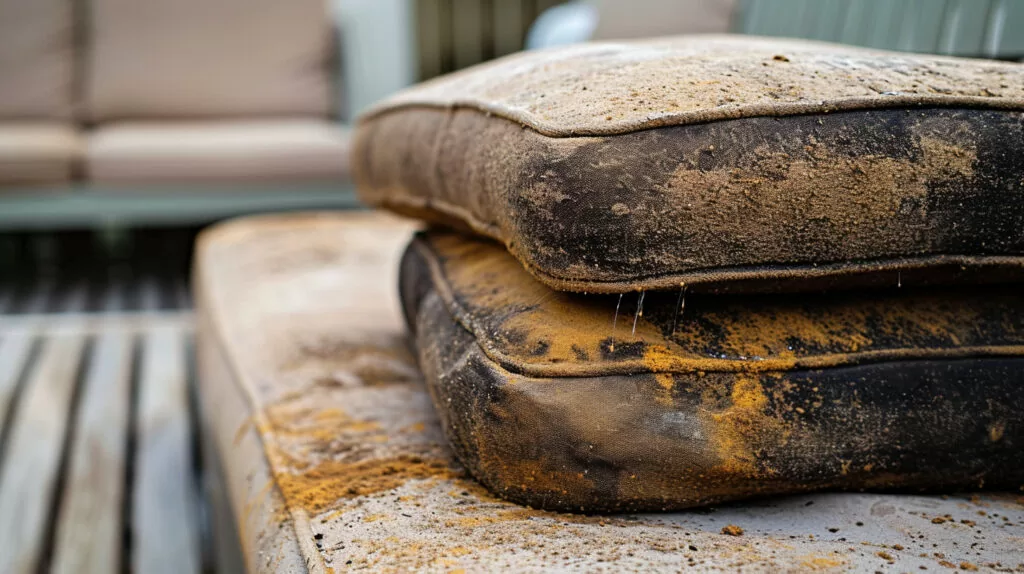
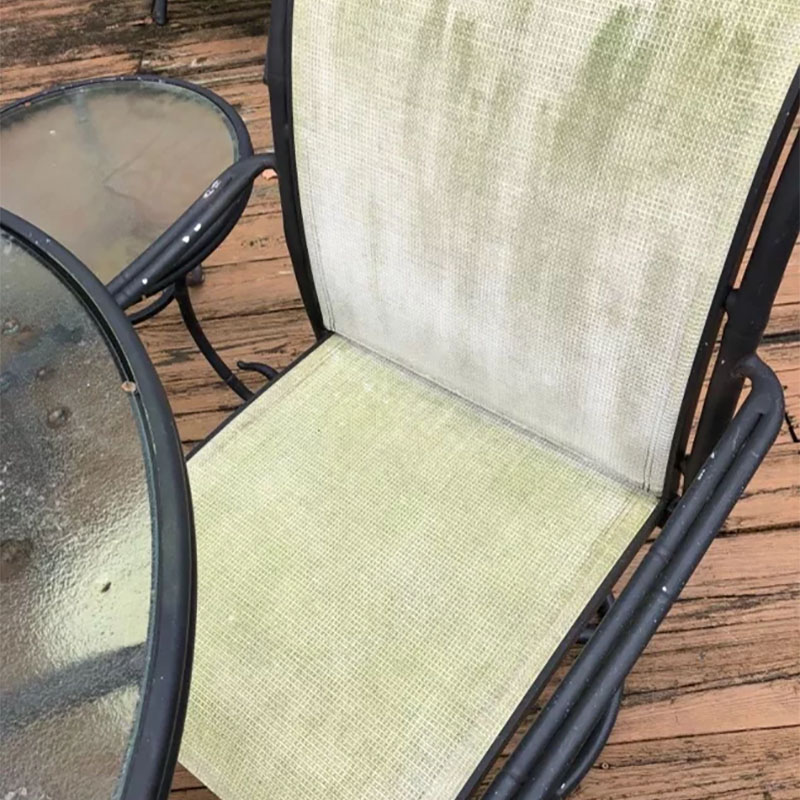
Mildew usually appears as small, flat spots. These spots are often white, gray, or light green. They may look powdery or fuzzy on the cushion surface. Mildew has a musty or damp smell. The fabric might feel weak or stained. Moisture and poor air flow encourage mildew growth. Check cushions regularly, especially after rain or high humidity.
Differences Between Mildew And Mold
Mildew and mold are types of fungi but differ in look and damage. Mildew is powdery and light in color. Mold is often fuzzy and darker, like black or green. Mold can grow deep into the fabric, causing more damage. Mildew usually grows on the surface only. Mold has a stronger, more unpleasant odor. Both need cleaning, but mold may require stronger treatment.
Prepare Cleaning Supplies
Preparing your cleaning supplies is the first step to remove mildew from outdoor furniture cushions. Having the right agents and tools ready makes the process faster and easier. This preparation helps protect your cushions and keeps them looking fresh.
Essential Cleaning Agents
Choose cleaning agents that can kill mildew and are safe for fabric. White vinegar is a natural and effective option. It breaks down mildew without harsh chemicals. A mild detergent also helps remove dirt and stains. Oxygen bleach works well for tough mildew spots. Avoid chlorine bleach as it can damage fabric and colors.
Tools You’ll Need
Gather tools that help scrub and rinse cushions thoroughly. A soft-bristle brush loosens mildew without tearing fabric. A spray bottle makes it easy to apply cleaning solutions. Have a bucket ready for mixing water and cleaning agents. Clean towels or cloths help blot excess moisture. Finally, a garden hose or access to water is useful for rinsing cushions after cleaning.
Pre-cleaning Steps
Before cleaning mildew from outdoor furniture cushions, some important steps prepare the cushions. These steps help avoid damage and make cleaning easier. Taking time for pre-cleaning protects your cushions and improves results.
Start by safely removing the cushions from the furniture. Then, clear off loose dirt and debris. These two actions set the stage for a thorough mildew cleaning process.
Remove Cushions Safely
Lift cushions gently from the furniture frame. Avoid pulling or dragging to prevent tears. Place them on a clean, flat surface. This keeps cushions stable and ready for cleaning. Check for any zippers or covers that can be removed. Detach covers carefully to wash separately if possible. Handling cushions with care extends their life and keeps them in good shape.
Brush Off Loose Debris
Use a soft brush to remove loose dirt and dust. Brush all sides of the cushion evenly. This step prevents dirt from mixing with cleaning agents. Remove leaves, twigs, and other outdoor debris. A clean surface allows cleaning solutions to work better. Do this outdoors or over a trash bin to contain the mess. Brushing first saves time during the wet cleaning process.
Cleaning Methods For Mildew
Cleaning mildew from outdoor furniture cushions keeps them fresh and safe. Mildew can cause stains and unpleasant smells. Removing it quickly stops damage and keeps cushions looking new. Below are simple and effective cleaning methods for mildew.
Using Vinegar Solution
White vinegar is a natural cleaner that kills mildew. Mix one part vinegar with two parts water in a spray bottle. Spray the solution on the affected areas. Let it sit for 10 to 15 minutes. Then scrub gently with a soft brush. Rinse the cushions with clean water. Air dry them completely before use.
Applying Baking Soda Paste
Baking soda works well to remove mildew stains and odors. Make a paste by mixing baking soda with a little water. Apply the paste on the mildew spots. Let it sit for 15 minutes to absorb the mildew. Use a soft brush to scrub the area gently. Rinse thoroughly with water and allow the cushions to dry fully outside.
Commercial Mildew Cleaners
Commercial mildew cleaners are designed for tough stains. Choose a product safe for fabric and outdoor use. Follow the instructions on the label carefully. Usually, it involves applying the cleaner, waiting, then scrubbing. Rinse the cushions well to remove any residue. Dry them in the sun to prevent mildew from returning.
Deep Cleaning And Rinsing
Deep cleaning and rinsing are key steps to remove mildew from outdoor furniture cushions. This process cleans the fabric deeply and removes any leftover cleaning solution. Proper care helps keep cushions fresh and mildew-free for longer.
Scrubbing Techniques
Start by using a soft brush to scrub the cushion gently. Use circular motions to lift mildew without damaging the fabric. Focus on areas with visible stains. Avoid harsh scrubbing to protect the cushion’s surface. Use a mild cleaner or a mix of water and vinegar for better results.
Proper Rinsing To Remove Residue
Rinse the cushions thoroughly with clean water after scrubbing. Use a hose or a bucket of water to wash away all cleaning solution. Leaving residue can attract more mildew and dirt. Make sure no soap or cleaner remains on the fabric. Let cushions dry completely in sunlight to prevent mildew growth.
Drying Cushions Effectively
Drying cushions effectively is key to keeping outdoor furniture fresh and mildew-free. Wet cushions invite mold and mildew growth, which can damage fabric and cause odors. Proper drying helps cushions stay clean and last longer.
Use the right drying methods to ensure cushions dry quickly and completely. This prevents damp spots that lead to mildew. Let’s explore the best ways to dry cushions outdoors.
Sun-drying Benefits
Sunlight kills many mildew spores and bacteria. Placing cushions in direct sunlight helps disinfect them naturally. The sun’s heat also speeds up drying time. Fast drying means less chance for mildew to grow.
Sunlight freshens cushions and removes moisture trapped inside. Always flip cushions to dry both sides evenly. Choose a sunny spot with good air flow. This method saves energy and uses natural power.
Avoiding Dampness
Leaving cushions damp invites mildew and bad smells. Avoid stacking cushions until fully dry. Stacking traps moisture and blocks air circulation. Instead, spread cushions out flat or hang them up.
Check cushions regularly during drying. Move them to catch more sun or breeze. Store cushions only when they feel dry to the touch. Dry cushions help keep your outdoor space healthy and inviting.
Preventing Mildew Growth
Preventing mildew growth on outdoor furniture cushions is easier than removing it. Mildew thrives in damp, dark places. Keeping cushions dry and clean stops mildew before it starts. Simple habits help protect your cushions and keep them fresh all year.
Storage Tips For Cushions
Store cushions in a dry, well-ventilated area. Avoid tight plastic bags that trap moisture. Use breathable storage bags or containers. Keep cushions off the ground to prevent dampness. Store cushions indoors during rainy seasons or winter.
Regular Maintenance Habits
Brush off dirt and debris after use. Let cushions dry fully before storing. Clean cushions regularly with mild soap and water. Check cushions for damp spots or stains often. Quick action stops mildew from growing and spreading.
Credit: www.patioproductions.com
When To Replace Outdoor Cushions
Outdoor cushions face tough conditions. Sun, rain, and dirt can damage them. Mildew often grows on damp cushions. Cleaning helps, but cushions do not last forever. Knowing when to replace cushions keeps your outdoor space fresh and safe.
Signs Of Irreversible Damage
Look for deep stains that won’t come out. Fabric that feels weak or tears easily is a bad sign. A musty smell that stays after cleaning shows mildew inside. Mold spots that spread quickly mean the cushion is unsafe. If the cushion stuffing is wet or clumpy, replace it.
Choosing Mildew-resistant Materials
Select cushions made with quick-dry foam. Look for fabrics labeled as mildew-resistant or waterproof. Synthetic fibers like polyester resist mold better than cotton. Cushions with removable, washable covers last longer. These materials reduce mildew growth and keep cushions cleaner.
Credit: www.nationaloutdoorfurniture.com
Frequently Asked Questions
How Do I Remove Mildew From Outdoor Cushions?
To remove mildew, mix water and mild detergent. Scrub cushions gently with a soft brush. Rinse with clean water and air dry in the sun to prevent mildew growth.
Can Vinegar Effectively Clean Mildew On Cushions?
Yes, white vinegar kills mildew spores. Spray undiluted vinegar on cushions, let it sit for 10 minutes, then scrub and rinse. Vinegar is a natural, safe mildew cleaner.
How Often Should I Clean Outdoor Furniture Cushions?
Clean cushions at least once every season. Regular cleaning prevents mildew buildup. After rainy or humid weather, clean cushions promptly for best mildew control.
Is Bleach Safe For Cleaning Mildew On Cushions?
Bleach can remove mildew but may damage fabric colors. Use diluted bleach carefully and test on a small area first. Opt for milder cleaners when possible.
Conclusion
Cleaning mildew from outdoor furniture cushions is simple with the right steps. Use gentle cleaners and scrub carefully to avoid damage. Let cushions dry fully in the sun to stop mildew growth. Regular cleaning keeps your cushions fresh and extends their life.
Taking small actions now saves time and money later. Enjoy your outdoor space with clean, comfortable furniture cushions every season. Keep these tips handy to maintain a mildew-free outdoor area easily.


