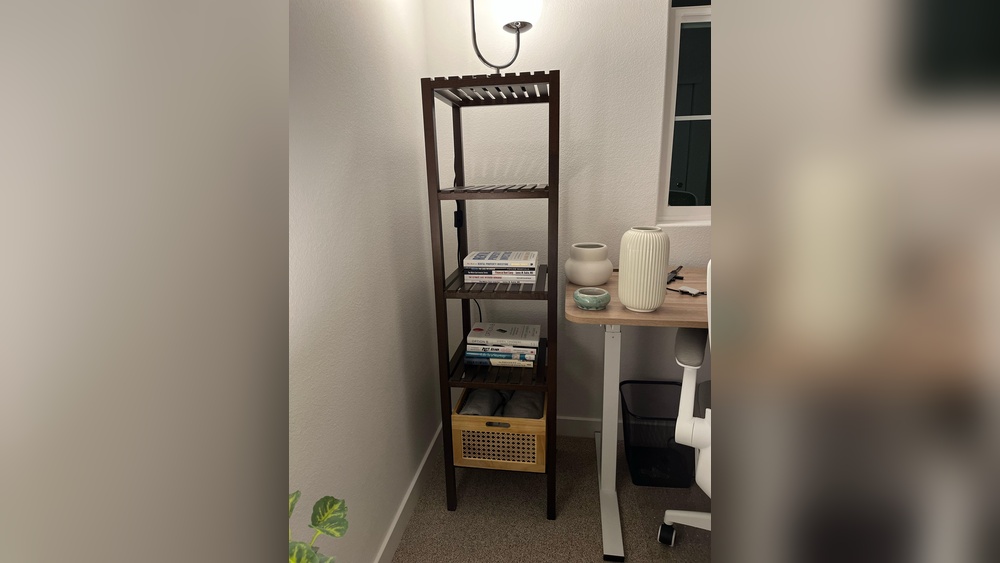
Have you noticed those annoying holes on your bookshelf? They can make your beautiful shelves look old and worn out.
But don’t worry—you don’t have to replace the whole thing or live with those ugly gaps. You’ll discover simple and effective ways to cover bookshelf holes and make your shelves look brand new again. Whether you want a quick fix or a long-lasting solution, you’ll find easy tips that anyone can follow.
Keep reading to transform your bookshelf without spending a fortune or a lot of time!
Identify The Hole Type
Before fixing holes in your bookshelf, you must identify the hole type. Different holes need different treatments. Knowing the hole type helps you choose the right materials and methods. This step saves time and ensures a neat finish.
Common Bookshelf Holes
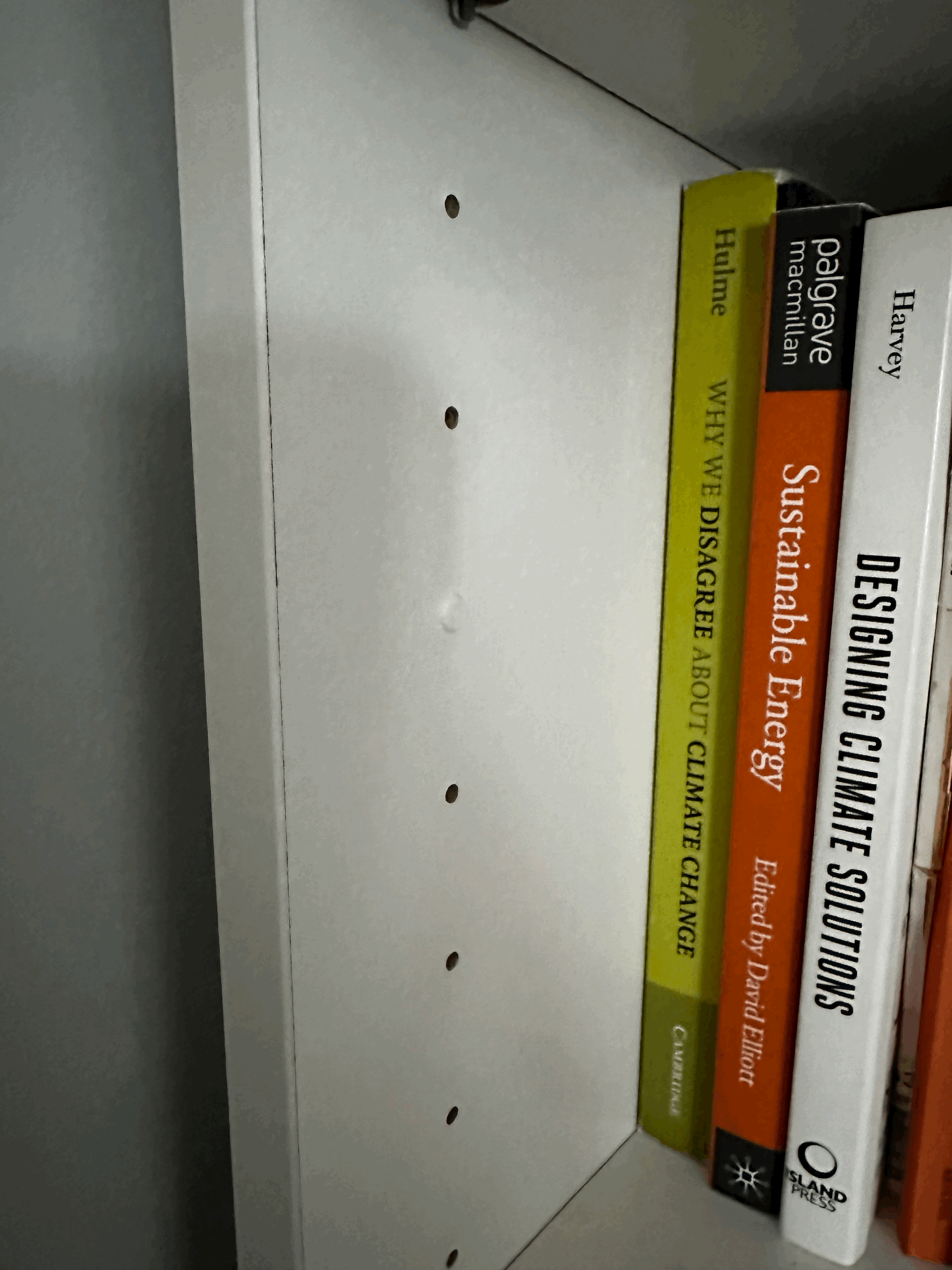
Bookshelves often have holes from screws or nails. Some holes are from shelf pins that hold shelves in place. Others are accidental, like dents or small cracks. Each hole type requires a different repair approach. Recognizing these helps you plan your repair better.
Assessing Hole Size And Depth
Look closely at the hole’s size and depth. Small holes need simple filling, while large holes may need extra support. Deep holes might require layering with filler to avoid sinking. Measuring the hole helps you buy the right filler and tools. Proper assessment leads to a smooth and lasting repair.
Choose The Right Materials
Choosing the right materials to cover bookshelf holes is important for a clean finish. The right choice depends on the size of the hole and the type of wood. Using the correct material ensures durability and blends well with your bookshelf. This guide explains different options to help you decide.
Wood Fillers And Putty
Wood fillers and putty are easy to use for small to medium holes. They come in different colors to match your wood. Apply with a putty knife, smooth the surface, and let it dry. After drying, sand it for a smooth finish. Wood fillers work best for shallow holes and minor damage.
Epoxy Compounds
Epoxy compounds are strong and good for bigger holes or cracks. They come as two parts that mix before use. Epoxy fills deep holes and bonds well with wood. It hardens quickly and can be sanded or painted. Epoxy is perfect for a long-lasting repair on your bookshelf.
Wood Plugs And Dowels
Wood plugs and dowels fix large holes or missing wood pieces. Cut a plug or dowel to fit the hole size. Glue it inside the hole, then trim and sand it smooth. This method gives a solid repair that looks natural. Wood plugs and dowels work well for structural fixes.
Prepare The Surface
Preparing the surface is the first step to fix holes in your bookshelf. It helps the repair last longer and look better. Taking time to clean and smooth the area around the hole makes a big difference. This section explains how to get your bookshelf ready.
Cleaning The Area
Start by removing dust and dirt from the hole and its edges. Use a soft cloth or brush to clear loose particles. Clean surfaces help fillers stick well. Avoid wetting the wood too much. Let the area dry completely before moving on.
Sanding Around The Hole
Gently sand the wood around the hole. Use fine-grit sandpaper to smooth rough edges. This creates a good surface for repair materials. Sand just enough to remove splinters or chipped paint. Wipe away the dust after sanding with a dry cloth.

Credit: www.etsy.com
Apply Fillers Correctly
Applying fillers correctly is key to fixing bookshelf holes. It ensures a smooth, even surface. The right technique makes the repair last longer. Different hole sizes need different filler methods. Using the right filler and tools improves the final look. Take your time and follow simple steps to get the best result.
Filling Small Holes
Small holes, like nail or screw marks, are easy to fill. Start by cleaning the hole from dust and loose wood. Use a putty knife to apply wood filler. Press the filler firmly into the hole. Smooth the surface to match the surrounding wood. Let the filler dry completely before sanding. Sand lightly for a flat, smooth finish. Repeat if needed to fill any gaps.
Repairing Large Or Deep Holes
Large or deep holes need more care and filler. Clean the hole well to remove debris and dust. Use a wood filler designed for deep repairs or wood putty. Apply the filler in layers, allowing each to dry. Press firmly and avoid air bubbles. After the last layer, let it dry fully. Sand the surface smooth to blend with the shelf. For very deep holes, consider using a wood patch before filling.
Smooth And Sand The Patch
Smoothing and sanding the patch is a key step in fixing bookshelf holes. This step makes the surface even and ready for painting or staining. A smooth patch blends well with the rest of the shelf, hiding any repairs. Take your time to ensure a clean and natural look.
Proper sanding also helps paint or finish stick better. Rough or uneven patches can ruin the final look. Use the right tools and techniques for the best result. Patience in this stage leads to a professional finish.
Drying Time Tips
Let the filler dry fully before sanding. Drying times vary by product and temperature. Usually, it takes a few hours, but check the instructions. Avoid rushing this step to stop crumbling or cracking. A completely dry patch sands smoothly and holds shape well.
Keep the area well ventilated to speed drying. Warm, dry air helps the filler set faster. Cold or humid rooms slow drying and can cause problems. Plan your work to allow enough drying time for the best finish.
Sanding Techniques For A Seamless Finish
Start sanding with medium-grit sandpaper to shape the patch. Use light pressure to avoid scratching the surface. Move the sandpaper in circular motions for even smoothing. Switch to fine-grit sandpaper for a softer finish.
Check your work often by touch and sight. The patch should feel flush and look smooth. Clean dust off with a brush or cloth before painting. Proper sanding hides any signs of repair and blends the patch perfectly.

Credit: www.amazon.com
Match The Finish
Matching the finish on a bookshelf makes repairs look natural. It helps hide holes and imperfections. This step blends the fix with the rest of the wood. Choose the right method to match the color and texture.
Staining Options
Stains come in many shades to match wood tones. Use a small brush to apply stain on the repair. Test the stain on a hidden spot first. Let it dry fully before adding more. Wipe off extra stain to avoid dark spots.
Painting Tips
Painting can cover holes and add color. Pick paint that suits the wood finish. Thin coats work best for smooth results. Let each coat dry before applying another. Use a fine brush for small or detailed areas.
Using Wood Markers And Touch-up Pens
Wood markers match colors quickly and easily. They are perfect for small scratches and holes. Choose a marker close to your wood color. Apply gently and layer if needed. These pens dry fast and blend well with wood grain.
Prevent Future Damage
Preventing future damage to your bookshelf helps keep it strong and looking good. Small holes and cracks can grow bigger if not handled right. Taking simple steps protects your shelves and saves time and money later.
Proper Use Of Bookshelf Hardware
Choose the right screws and anchors for your wall type. Use a drill to make pilot holes before screwing in hardware. This stops wood from splitting and reduces hole size.
Do not overload shelves with heavy items. Spread weight evenly across the shelf. Tighten screws firmly, but avoid overtightening to prevent damage.
Regular Maintenance
Check shelves for loose screws and holes every few months. Tighten any loose hardware to keep shelves stable. Fill small holes early with wood filler or putty.
Clean shelves gently to avoid weakening the wood. Dust and dirt can cause scratches and wear. Regular care extends the life of your bookshelf.
Credit: www.printables.com
Frequently Asked Questions
How Do I Fill Small Holes In A Bookshelf?
Use wood filler or putty to fill small holes. Apply with a putty knife, let dry, then sand smooth. Finish by painting or staining to match the bookshelf.
Can I Cover Bookshelf Holes Without Sanding?
Yes, use a high-quality wood filler that dries smoothly. Apply carefully, then paint or stain directly. Light sanding improves finish but is optional for minor holes.
What Materials Work Best For Hiding Bookshelf Holes?
Wood filler, wood putty, or wax sticks are ideal. They blend well with wood and are easy to apply. Choose the material matching your bookshelf’s finish for best results.
How Long Does It Take To Repair Bookshelf Holes?
Filling and drying wood filler usually takes 1-2 hours. Sanding and painting add extra time. Total repair may take a few hours to a day depending on drying times.
Conclusion
Fixing bookshelf holes can be quick and easy. Use wood filler or putty to fill the gaps. Sand the area smooth once dry for a neat look. Paint or stain to match your shelf color. Small holes won’t distract from your books anymore.
A simple repair keeps your shelf looking fresh. Save money by doing it yourself at home. Enjoy a cleaner, more polished bookshelf today.