Are you dreaming of a stunning wall to wall bookshelf that not only holds your favorite books but also transforms your space? Designing one might seem overwhelming, but it doesn’t have to be.
Imagine having a custom bookshelf that fits perfectly, maximizes your storage, and adds style to your room. In this guide, you’ll discover simple steps to create a bookshelf that feels like it was made just for you. Ready to turn your blank wall into a beautiful, functional masterpiece?
Let’s dive in and make your vision a reality.
Choosing The Right Materials
Choosing the right materials for a wall-to-wall bookshelf shapes its look and strength. The choice affects how long it lasts and how it fits your room. Select materials that match your style and needs. Consider the space, weight of books, and your budget for the best results.
Wood Types And Finishes
Wood is a popular choice for bookshelves. Pine is soft and affordable. Oak offers a strong, classic look. Maple is smooth and light in color. Choose a finish that protects wood from scratches and spills. Matte finishes hide dust well. Glossy finishes shine and brighten the room.
Alternative Materials
Metal frames add a modern touch and great strength. Glass shelves look sleek but need careful handling. MDF is budget-friendly and easy to paint. Plywood combines strength and light weight. Mixing materials can create unique designs. Think about how each material fits your room style.
Durability And Maintenance
Durable materials reduce repairs and keep shelves sturdy. Wood needs regular dusting and occasional polishing. Metal resists damage but may rust in humid places. Glass requires frequent cleaning to stay clear. Choose materials that fit your cleaning routine. Durability ensures your bookshelf stays beautiful for years.
Measuring Your Space
Measuring your space is the first step in designing a wall to wall bookshelf. It ensures the shelf fits perfectly and looks balanced. Careful measurement helps avoid costly mistakes and wasted materials. Take your time and measure with precision. This section guides you on what to measure and how.
Accurate Wall Dimensions
Measure the full width of the wall where the bookshelf will go. Use a tape measure and note the length in inches or centimeters. Check the wall at several points to catch any irregularities. Record the smallest measurement for a perfect fit. Double-check your numbers before moving forward.
Considering Ceiling Height
Measure the height from the floor to the ceiling. This determines how tall the bookshelf can be. Keep in mind any ceiling features like beams or moldings. Leave some space at the top for air circulation and easy installation. Use a level to ensure your measurements are straight.
Allowing For Doors And Windows
Identify any doors or windows on the wall. Measure their width and height carefully. Note how far they are from the floor and the wall edges. Design the bookshelf to avoid blocking these openings. Plan shelves around them for a neat and functional look.
Designing Shelf Layouts
Designing shelf layouts is a key step in building a wall-to-wall bookshelf. It shapes how the bookshelf looks and works. Good layout planning ensures enough space for books and other items. It also adds style and balance to the room. Thoughtful layout makes the shelf both useful and beautiful.
Adjustable Vs Fixed Shelves
Adjustable shelves offer flexibility. You can change shelf height to fit different items. This option works well for growing book collections. Fixed shelves provide strong support and a clean look. They suit heavy books or decorations. Choose based on your needs and the room’s style.
Incorporating Cabinets And Drawers
Adding cabinets and drawers brings extra storage. Cabinets hide clutter and keep the space tidy. Drawers store small items like stationery or chargers. These features improve organization and neatness. They also break the monotony of open shelves. Mix open shelves with closed storage for variety.
Balancing Function And Style
Function and style must work together. Design shelves to hold books and display items nicely. Use different shelf heights and widths for visual interest. Pick materials and colors that match the room décor. Balance open spaces and filled areas for harmony. This creates a bookshelf that looks good and works well.
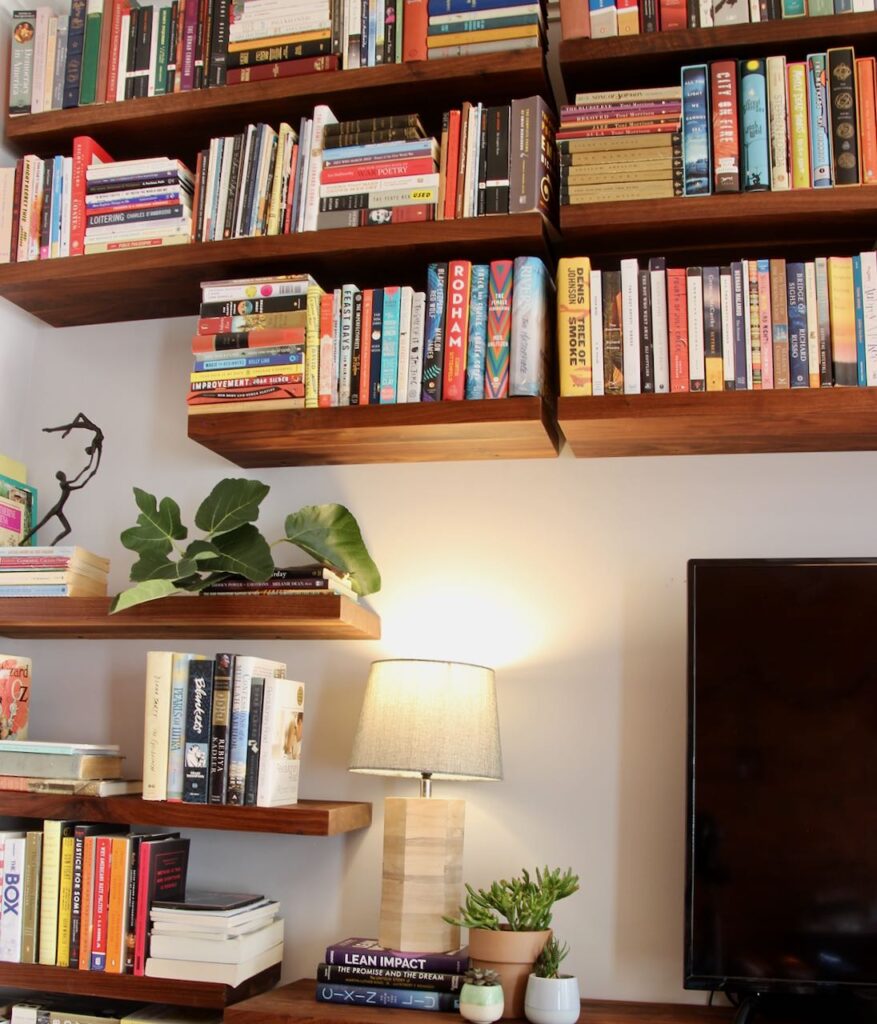
Credit: southhousedesigns.com
Maximizing Storage And Display
Maximizing storage and display in a wall-to-wall bookshelf creates both function and style. It lets you store many items neatly. It also shows off your favorite books and decor. Good design uses every inch of space well. It balances storage needs with visual appeal.
Combining Books And Decor
Mix books with decorative items for a fresh look. Place books both standing and lying flat. Add vases, plants, or small art pieces in empty spots. This breaks the monotony and adds interest. Use decor to highlight special books or themes. Keep a good balance between books and decor. Too much of either can look cluttered or empty.
Using Vertical And Horizontal Space
Use all vertical space from floor to ceiling. Tall shelves create more room for storage. Include adjustable shelves for different item sizes. Use horizontal space by spreading items across the shelf width. Stagger items to avoid a crowded look. Leave some open space to make the shelf feel light and airy. This makes the whole bookshelf more useful and pleasant to see.
Creating Focal Points
Choose spots on the bookshelf to draw attention. Group a few colorful or unique items together. Use lighting to highlight these areas. A well-lit focal point stands out and adds charm. Change focal points from time to time to keep things fresh. This makes your bookshelf not just storage but a feature wall.
Lighting And Accessories
Lighting and accessories add style and function to a wall-to-wall bookshelf. They highlight your books and decor. They also create a warm, inviting space. Thoughtful lighting improves visibility and mood. Accessories bring personality and charm. Together, they make your bookshelf a focal point in the room.
Built-in Lighting Options
Built-in lighting brightens shelves without extra lamps. LED strip lights are popular. They fit under shelves and shine evenly. Small puck lights add focused beams on special items. Choose warm white lights for a cozy feel. Install dimmers to control brightness. This helps set the perfect mood.
Decorative Hardware
Decorative hardware adds character to your bookshelf. Use unique knobs or handles on cabinet doors. Brass or matte black finishes add style. Choose hardware that matches your room theme. It makes your bookshelf stand out. Small details give a custom look.
Adding Seating Or Workspaces
Seating or workspaces make your bookshelf more useful. A built-in bench or window seat adds comfort. Add cushions to make it cozy. A small desk area can fit in a nook. This creates a place to read or work. It transforms the bookshelf into a multi-use space.

Credit: www.youtube.com
Installation Tips
Installing a wall-to-wall bookshelf needs careful planning. Proper installation ensures the shelf stays safe and strong. This section shares key tips for a smooth setup. Follow these steps for a sturdy and neat bookshelf.
Wall Anchoring Methods
Secure your bookshelf firmly to the wall. Use wall studs for the best hold. Locate studs with a stud finder before drilling. If studs are not available, use heavy-duty wall anchors. Choose anchors based on your wall type: drywall, plaster, or concrete. Anchors prevent the shelf from tipping or falling. Always check the weight capacity of the anchors. Tighten screws well but avoid overtightening. Proper anchoring keeps your bookshelf stable and safe.
Tools And Safety
Gather all necessary tools before starting installation. Common tools include a drill, level, tape measure, and screwdriver. Wear safety goggles to protect your eyes from dust and debris. Use a dust mask if sanding wood or drilling into walls. Keep your workspace clean and free of obstacles. Work slowly and carefully to avoid mistakes and injuries. Double-check measurements and alignments for a perfect fit. Follow all safety instructions for your tools.
Hiring Professionals Vs Diy
Consider your skills and time before deciding. DIY saves money but needs patience and some skill. Mistakes can cause damage or unsafe shelves. Professionals have experience and tools for quick, safe installation. They can handle tricky walls and heavy materials. Hiring experts costs more but offers peace of mind. Choose what suits your budget and confidence level. Either way, proper installation is key to a lasting bookshelf.
Maintenance And Upkeep
Maintaining a wall to wall bookshelf keeps it looking great and lasting long. Regular care prevents damage and keeps your books safe. Simple steps can protect your investment and improve your room’s look.
Cleaning Techniques
Dust your shelves often using a soft cloth or duster. Avoid wet cloths that can damage wood. Use a vacuum with a brush attachment for hard-to-reach areas. Clean books by gently wiping their covers with a dry cloth. Regular cleaning stops dust build-up and keeps the shelf fresh.
Protecting Against Wear
Use coasters or mats under plants and decorations to avoid stains. Avoid placing the bookshelf near direct sunlight to prevent fading. Tighten loose screws and check the shelves for cracks. Use furniture polish or wax to protect the wood surface. These small steps stop damage and keep your shelf sturdy.
Updating Your Design
Change the shelf layout by moving dividers or adding new sections. Paint or stain the bookshelf to refresh its look. Add LED lights for a modern touch and better visibility. Swap out old handles or knobs for new styles. These updates keep your bookshelf interesting and fit your style.

Credit: www.etsy.com
Frequently Asked Questions
How Do I Measure Space For A Wall To Wall Bookshelf?
Measure the wall’s width and height accurately. Consider obstacles like windows or switches. Allow extra space for trim and baseboards. Use a tape measure for precision. Accurate dimensions ensure a perfect fit and efficient use of wall space.
What Materials Are Best For Wall To Wall Bookshelves?
Choose sturdy materials like plywood, MDF, or solid wood. These materials support heavy books and ensure durability. Consider finishes like paint or veneer for aesthetics. Quality materials increase shelf longevity and overall appearance.
How To Plan Shelf Spacing For Different Book Sizes?
Measure your tallest and largest books first. Space shelves to accommodate various book heights. Adjustable shelves offer flexibility for changing collections. Proper spacing prevents overcrowding and enhances visual appeal.
What Tools Are Needed To Build A Wall To Wall Bookshelf?
Basic tools include a saw, drill, level, measuring tape, and screwdriver. Additional items like clamps and sandpaper improve precision. Having the right tools makes construction easier and results neater.
Conclusion
Designing a wall-to-wall bookshelf adds charm and function to any room. Start with clear measurements and plan your space well. Choose materials that fit your style and budget. Keep shelves strong to hold your books safely. Add personal touches with decor items or lighting.
This project brings both storage and beauty to your home. Enjoy the process and the final result. A custom bookshelf makes your space truly yours.