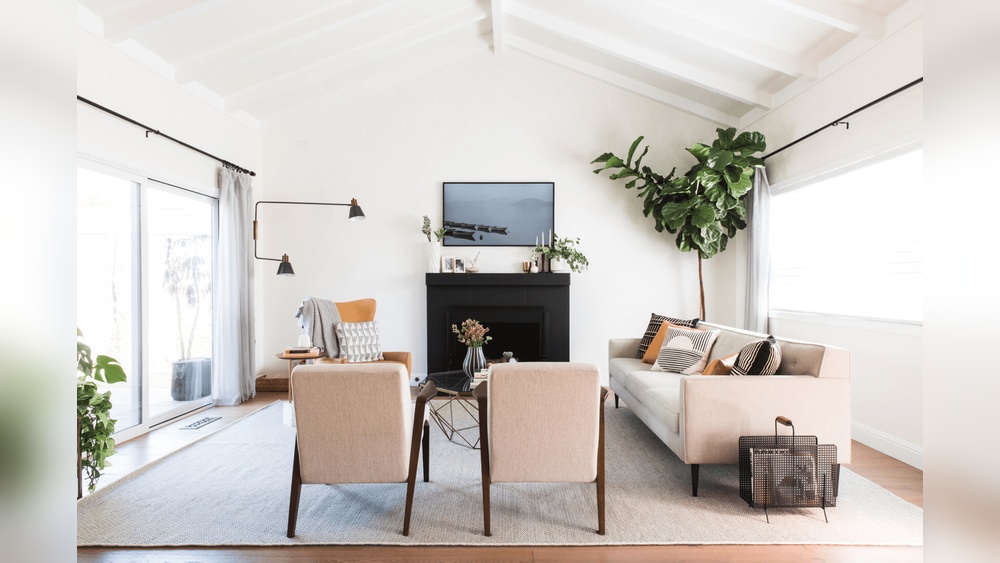
Your living room is more than just a space to relax—it’s where energy flows, conversations happen, and memories are made. But did you know that the way you arrange your furniture can either boost positive vibes or block good energy?
Learning how to Feng Shui your living room furniture isn’t about complicated rules—it’s about creating harmony and balance in a way that feels natural to you. In this guide, you’ll discover simple, practical steps to arrange your sofas, chairs, and tables so your living room invites comfort, connection, and calm every time you walk in.
Ready to transform your space and your mood? Let’s dive in.
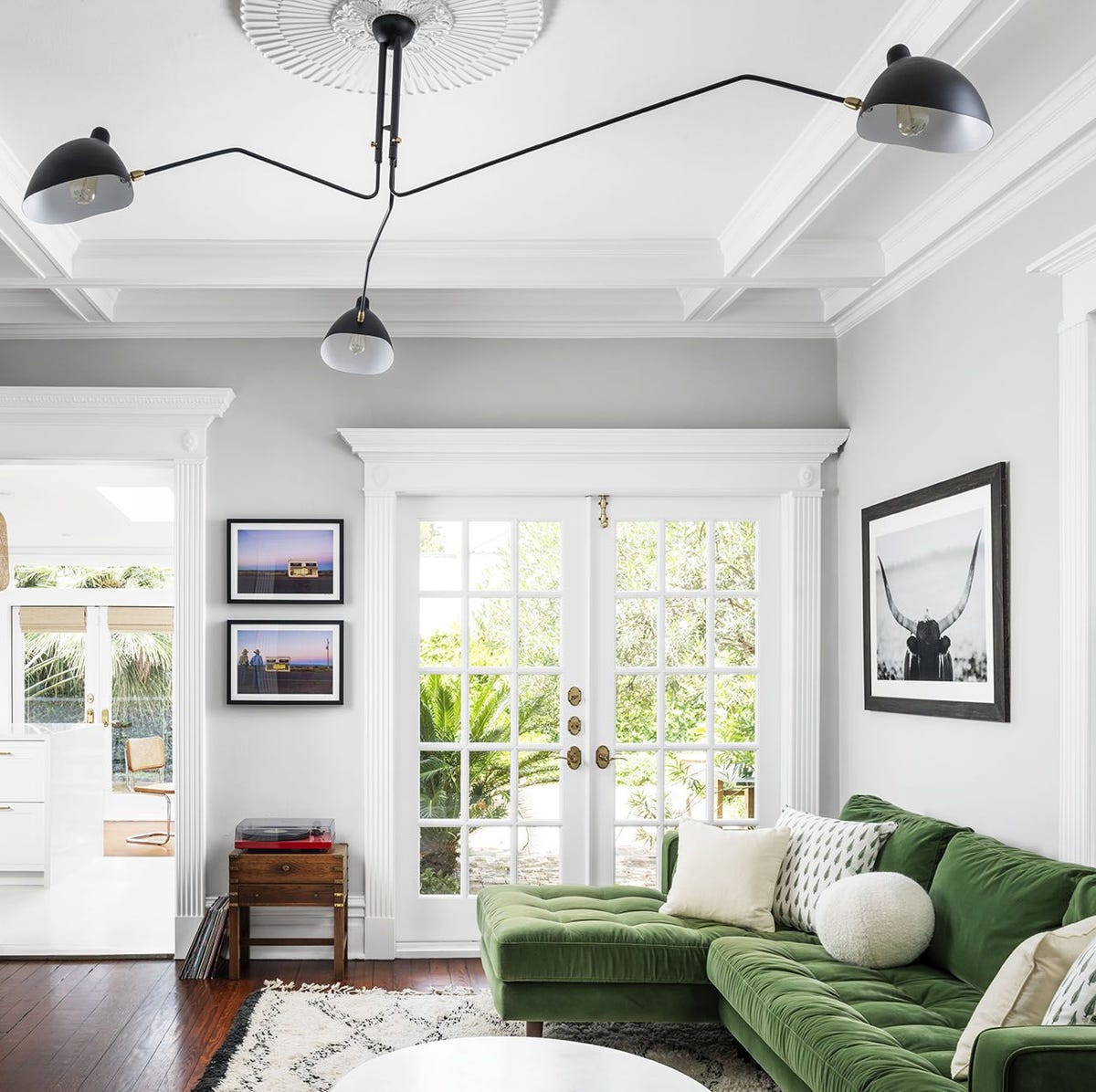
Credit: www.goodhousekeeping.com
Feng Shui Basics For Living Rooms
Understanding the basics of Feng Shui helps create a calm and inviting living room. This ancient art focuses on arranging furniture to balance energy and improve well-being. Small changes in layout can bring harmony and a fresh feel to your space.
Start with simple principles. They guide the placement of sofas, chairs, and tables. The goal is to make the room comfortable and support good energy flow. Let’s explore key ideas for a Feng Shui-friendly living room.
Energy Flow And Balance
Energy, or “chi,” must move freely through your living room. Avoid clutter and tight spaces that block this flow. Leave enough room around furniture for easy movement. Arrange pieces to create open pathways and a natural flow.
Balance is also important. Mix different shapes and sizes of furniture evenly. Use soft curves and straight lines to keep harmony. This helps the room feel stable and welcoming.
Commanding Position Explained
The commanding position means placing key furniture where you see the door clearly. Usually, the sofa or main chair faces the entrance. This position gives a sense of control and safety.
Do not place the sofa directly in line with the door. Instead, set it at an angle or against a solid wall. This position allows you to watch the room without feeling exposed.
Avoiding Common Mistakes
Do not block doorways or windows with furniture. This stops energy flow and makes the room feel cramped. Avoid placing sharp corners pointing at seating areas, as this creates negative energy.
Keep electronics and clutter away from the main seating zone. Too many devices can disrupt calm energy. Finally, do not crowd the room with too many pieces. A spacious layout promotes peace and comfort.
Choosing The Right Furniture
Choosing the right furniture is key to creating a balanced living room with good energy flow. Furniture affects comfort, style, and harmony in the space. Each piece should support relaxation and connection while fitting the room’s energy. Careful selection helps invite positive chi and peace into your home.
Selecting Comfortable Seating
Comfortable seating invites rest and conversation. Choose chairs and sofas with soft cushions and good support. Arrange seating to face the main door or windows. This position welcomes energy and creates a feeling of safety. Avoid sharp edges on furniture, as they can block smooth energy flow.
Materials And Colors To Consider
Natural materials like wood, cotton, and linen bring warmth and life. Use fabrics and finishes that feel fresh and clean. Select colors based on the room’s energy needs. Earth tones calm and ground, while blues and greens refresh and soothe. Avoid harsh colors that feel too bright or dark.
Furniture Size And Scale
Choose furniture that fits the room’s size without crowding. Small furniture in a large room feels lost, while big pieces in a small space block energy flow. Leave enough space between pieces for easy movement. Balanced scale helps energy circulate and creates harmony in the living room.
Furniture Placement Tips
Furniture placement is key to good Feng Shui in your living room. Proper arrangement helps energy flow freely. This creates a calm and welcoming space. Follow these simple tips to arrange your furniture for balanced energy and comfort.
Positioning Sofas And Chairs
Place sofas and chairs where you can see the entrance. This is the “commanding position.” It makes you feel safe and in control. Avoid placing furniture with backs to the door. Arrange seats so everyone has a clear view of the room.
Spacing For Energy Movement
Leave enough space between furniture pieces. Crowded furniture blocks energy flow. Aim for at least two feet of walking space. Clear paths allow energy to move smoothly. Avoid placing furniture too close to walls or corners.
Arranging For Conversation
Arrange seats to face each other for easy talking. Create a circle or U-shape with sofas and chairs. This encourages connection and harmony. Avoid long rows or seats in a straight line. Make sure no one’s back is to the room’s entrance.
:strip_icc()/cathie.hong-2ec564826d6c4ef8b547c80d0a238df9.png)
Credit: www.mydomaine.com
Incorporating The Bagua Map
Incorporating the Bagua Map is a key step in Feng Shui for living rooms. This ancient tool helps identify the energy zones in your space. Each zone relates to a life area like wealth, health, or relationships. Using the Bagua Map guides furniture placement to boost positive energy and harmony.
Mapping Your Living Room Areas
Start by drawing a simple floor plan of your living room. Divide it into nine equal sections like a tic-tac-toe grid. Align the bottom edge of the grid with the wall that has the main entrance. Each square corresponds to a specific Bagua area. Label these areas to understand which life aspect they represent.
This mapping helps you focus on specific zones. It shows where to place furniture for best energy flow. Mapping creates a clear visual guide for your Feng Shui setup.
Enhancing Wealth And Health Zones
The wealth zone usually sits in the far left corner from the entrance. Place items like a small plant or a water feature here. These symbolize growth and abundance. For the health zone, located in the center of the room, keep it clutter-free and bright. Use round or soft-edged furniture to promote wellness and balance.
Bright lighting and natural elements in these zones strengthen their energy. Avoid blocking these areas with heavy or dark furniture.
Balancing The Five Elements
The five elements are wood, fire, earth, metal, and water. Each element corresponds to specific Bagua zones and furniture styles. Use wooden furniture for growth and vitality. Add candles or red accents for fire energy. Earth tones and ceramics bring stability. Metal objects support focus and clarity. Water features or mirrors encourage flow and calm.
Balance these elements in your living room for harmony. Too much or too little of one element can disrupt energy. Mix and match elements through furniture and decor for a peaceful space.
Lighting And Accessories
Lighting and accessories play a vital role in Feng Shui for the living room. They influence the energy flow and create a welcoming space. Proper lighting brightens the room and uplifts the mood. Thoughtful accessories add personality and harmony. Together, they balance the environment and invite positive energy.
Using Natural And Artificial Light
Natural light brings fresh energy into the living room. Keep windows clear and use light curtains to let sunlight in. Place mirrors to reflect light and expand the space. Artificial light should be soft and warm. Use lamps and overhead lights to avoid dark corners. Balanced lighting supports calm and comfort.
Choosing Meaningful Decor
Select decor that feels good and inspires joy. Choose items with personal meaning or symbols of peace. Natural elements like plants and stones enhance calm. Avoid sharp or aggressive shapes in decorations. Art and accessories should promote balance and positivity. These choices help maintain good Feng Shui energy.
Avoiding Clutter For Harmony
Clutter blocks energy flow and creates stress. Keep surfaces clean and organized. Store items out of sight to maintain calm. Use baskets or boxes to tidy small objects. A clutter-free living room feels spacious and peaceful. Clear space invites fresh energy and harmony.
Technology And Electronics
Technology and electronics are common in living rooms today. TVs, speakers, and other devices add comfort and entertainment. Yet, they can disrupt the flow of energy if placed without care. Using Feng Shui principles helps balance technology with harmony. This creates a calm, inviting space where energy flows freely.
Placing Tvs Mindfully
Place the TV where it does not dominate the room. Avoid positioning it opposite the main door. This blocks positive energy from entering the space. Keep the TV at eye level for comfortable viewing. Try to place it on a solid wall, not a shared wall with the kitchen or bathroom. This reduces noise and energy disturbance.
Managing Cords And Devices
Keep cords neat and hidden to avoid clutter. Tangled cords block energy and cause stress. Use cable organizers or covers to keep wires out of sight. Group devices together on a single shelf or cabinet. This creates order and allows energy to flow smoothly. Turn off devices when not in use to reduce electromagnetic energy.
Maintaining Positive Energy
Balance technology with natural elements like plants or wood furniture. This softens the energy and adds life to the room. Avoid too many devices in one area to prevent energy overload. Use soft lighting near electronics to calm the space. Regularly clean screens and devices to keep energy fresh and clear.
Color Schemes For Harmony
Choosing the right color scheme in your living room supports a balanced and peaceful atmosphere. Colors influence mood and energy flow. Using Feng Shui principles, select colors that create harmony and invite positive energy. Thoughtful color choices help your living room feel welcoming and refreshing.
Calming And Invigorating Colors
Soft blues and greens calm the mind and body. These colors bring a sense of peace and relaxation. Warm colors like red, orange, and yellow add energy and excitement. Use them sparingly to avoid overstimulation. Balance calming and invigorating colors to keep the room lively yet restful.
Matching Colors To Elements
Feng Shui connects colors with five natural elements: wood, fire, earth, metal, and water. Use green and brown for wood, representing growth. Red and bright shades symbolize fire, boosting passion. Earth tones like beige and yellow offer stability. White and gray stand for metal, promoting clarity. Blue and black reflect water, encouraging calm and flow. Match colors to elements that suit your living room’s purpose.
Accent Colors And Textiles
Accent colors add interest without overwhelming the space. Use cushions, rugs, and curtains to introduce these tones. Choose textiles with natural textures to enhance comfort and warmth. Patterns should be simple and harmonious, supporting the main color scheme. Small touches of accent colors refresh energy and keep the room inviting.
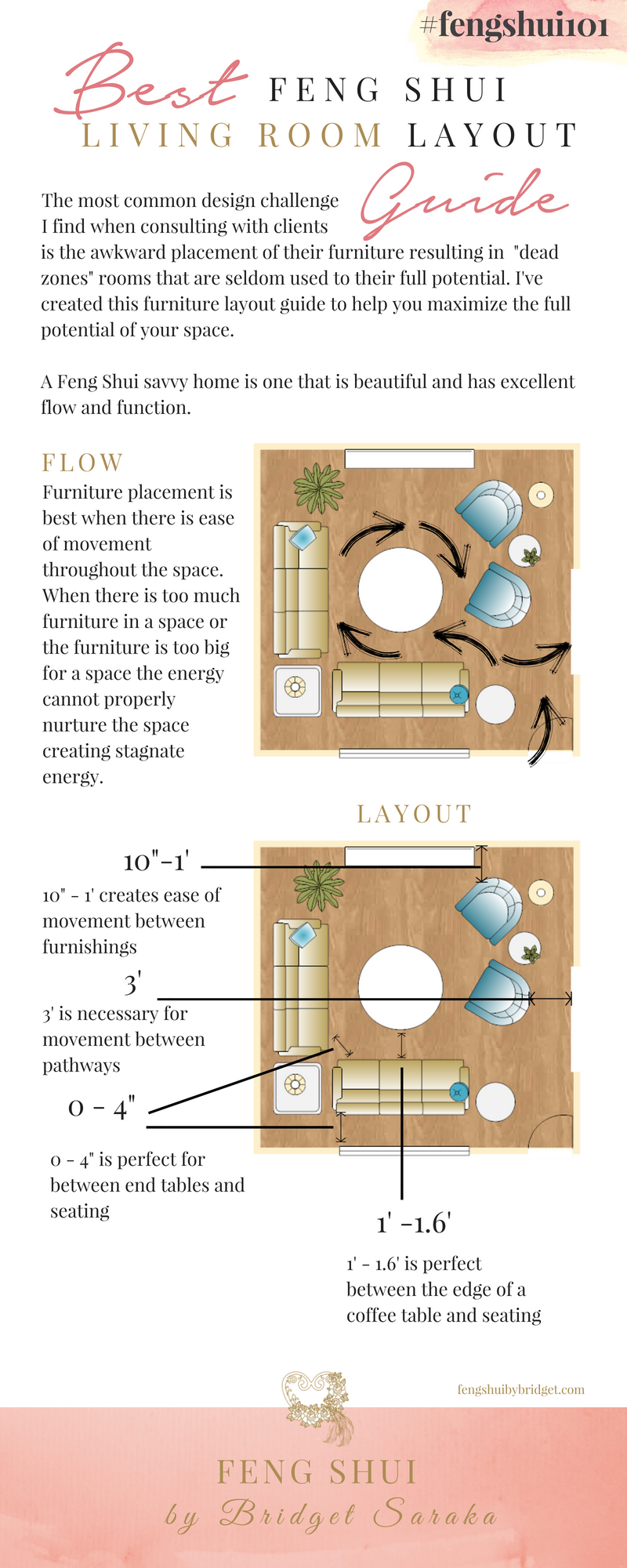
Credit: fengshuibybridget.com
Small Living Room Solutions
Small living rooms can feel tight and cluttered. Feng Shui offers smart solutions to make these spaces feel open and calm. Placing furniture thoughtfully helps energy flow well and creates a peaceful vibe.
Simple changes can make your room look larger and more welcoming. Use these tips to arrange your furniture and decor in a way that brings balance and light.
Maximizing Space With Furniture
Choose furniture that fits the size of your room. Avoid large pieces that block movement. Use multi-purpose items like ottomans with storage.
Keep furniture close to walls to open the center area. Select light-colored or transparent furniture to reduce visual weight. Round edges help energy move smoothly.
Creating Open Pathways
Clear paths allow energy to flow without obstruction. Arrange furniture so you can walk easily around the room. Avoid blocking doors or windows with big items.
Leave space between pieces to avoid crowding. This creates a sense of openness and balance. Always keep the main entrance view clear from your seating area.
Using Mirrors And Light
Mirrors reflect light and make rooms appear bigger. Place mirrors opposite windows to increase natural light. Use soft, warm lighting to create a cozy mood.
Avoid harsh overhead lights. Add lamps or candles to soften corners. Good lighting and mirrors bring positive energy and brighten your small living room.
Frequently Asked Questions
How To Arrange Living Room Furniture Feng Shui?
Arrange living room furniture to face the main entrance for a commanding position. Allow space around pieces to enable smooth energy flow. Create seating that encourages conversation. Avoid blocking pathways to maintain good chi circulation. Use balanced, harmonious placement to promote comfort and positivity.
What Is The 2/3 Rule For Furniture?
The 2/3 rule for furniture suggests filling about two-thirds of a room with furniture, leaving one-third open for space and flow. This balance creates comfort and avoids overcrowding.
What Is The 3-5-7 Rule In Decorating Feng Shui?
The 3-5-7 rule in Feng Shui decorating balances items in odd numbers. Use groups of 3, 5, or 7 for harmony. Odd numbers create positive energy flow and visual interest in any space. This rule enhances balance and attracts good chi.
What Is The Biggest Mistake In Placement Of Furniture?
The biggest mistake in furniture placement is blocking natural pathways, which disrupts flow and makes spaces feel cramped.
Conclusion
Arranging your living room furniture with Feng Shui brings calm and balance. Place key pieces where energy flows freely and you feel comfortable. Keep pathways clear to let positive energy move smoothly. Choose furniture that suits your space and supports relaxation.
Small changes can create a big difference in your room’s harmony. Enjoy a living room that feels peaceful and inviting every day.